
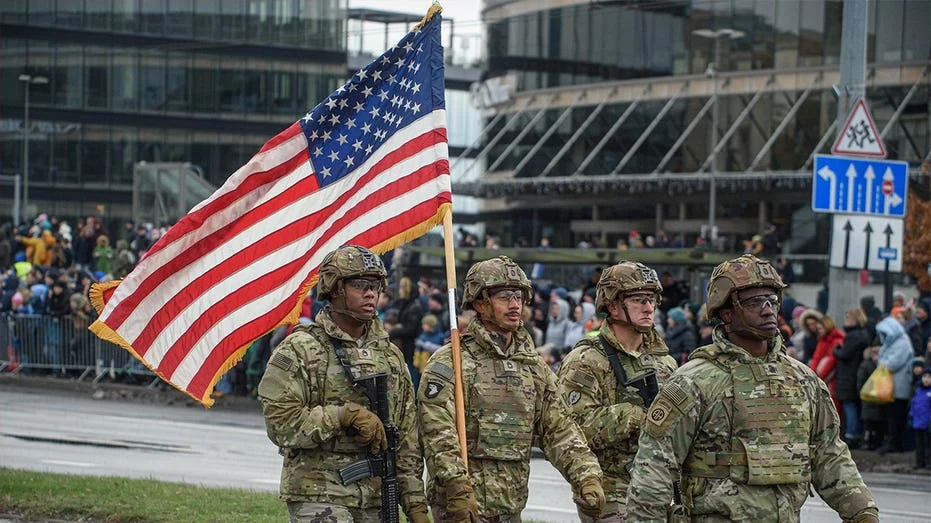
NEW YORK — As the geopolitical landscape across Eastern Europe continues to shift under the weight of an protracted conflict in Ukraine, Lithuanian President Gitanas Nausėda has engaged in high-stakes diplomacy to secure the continued presence of American military forces within the Baltic region. Speaking on the sidelines of the United Nations General Assembly in New York, the Lithuanian leader revealed that he has personally appealed to President Donald Trump in writing, requesting that the United States resist the temptation to scale back its military footprint along NATO’s most exposed borders.
The request comes at a critical juncture for the Atlantic Alliance. The Pentagon is currently undergoing a sweeping review of its global posture, a process that emphasizes a pivot toward a strategy of "burden sharing," where European nations are expected to assume a greater share of their own conventional defense. While this shift has led to the reduction of certain brigade combat teams in Europe, it has also sparked intense debate among frontline states—such as Lithuania, Latvia, and Estonia—that view a permanent, robust American military presence as the only credible deterrent against potential Russian aggression.
A Diplomatic Plea Amid Military Realignment
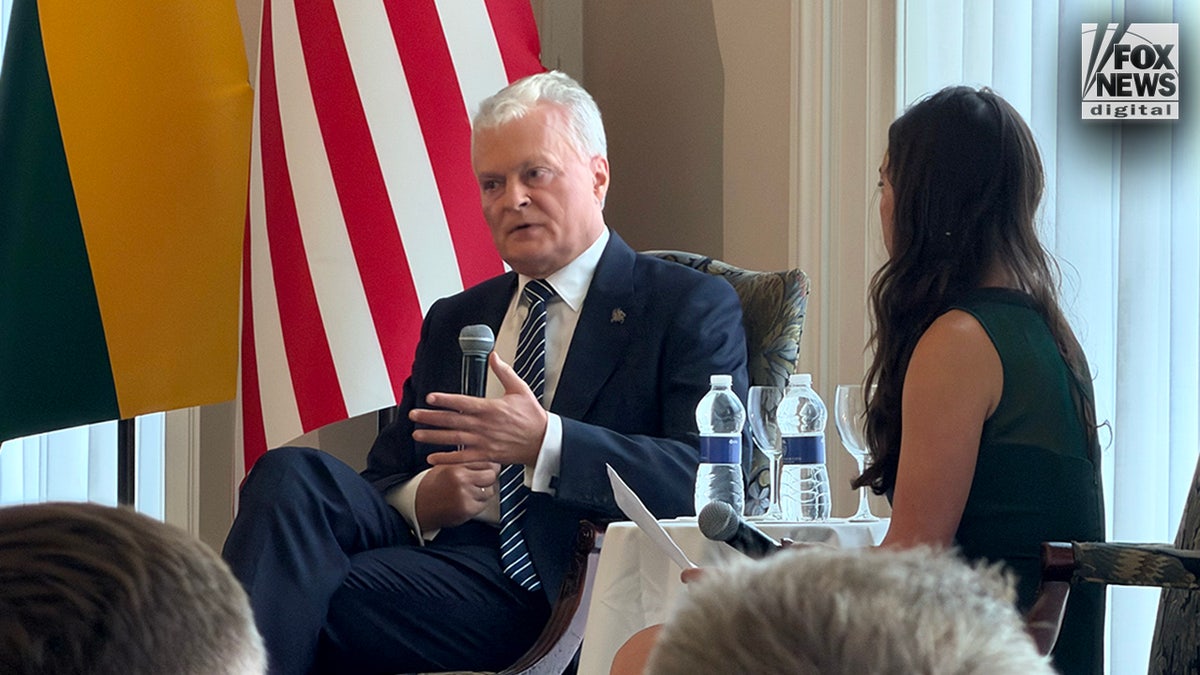
President Nausėda’s comments were delivered during a fireside chat at the Presidential Business Forum on Resilience. The Lithuanian president was explicit about his government’s commitment to the American presence, offering to provide "very generous host-nation support" to ensure that U.S. troops remain stationed in the Baltics.
"I personally sent two letters to the president," Nausėda stated, emphasizing the urgency he feels regarding the security of the Suwałki Gap and the broader Baltic frontier. For Vilnius, the presence of U.S. troops is not merely a symbolic gesture of solidarity; it is a fundamental component of the "tripwire" strategy designed to prevent any miscalculation by Moscow.
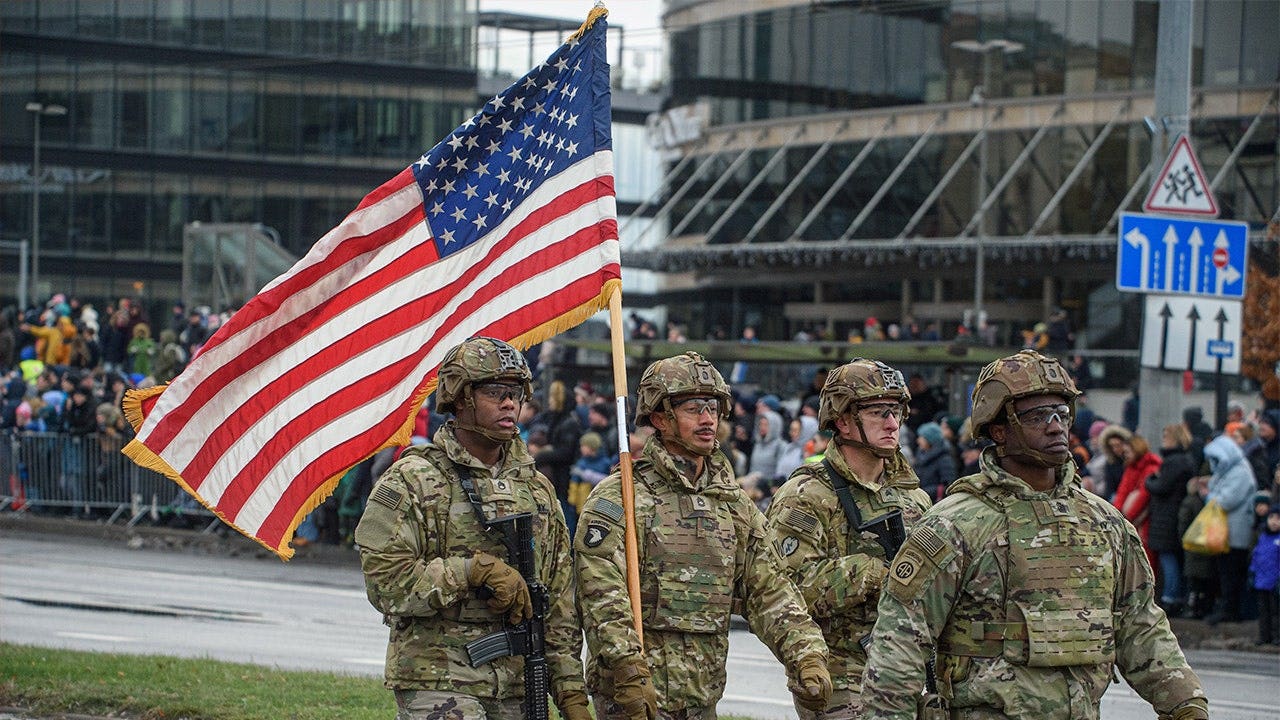
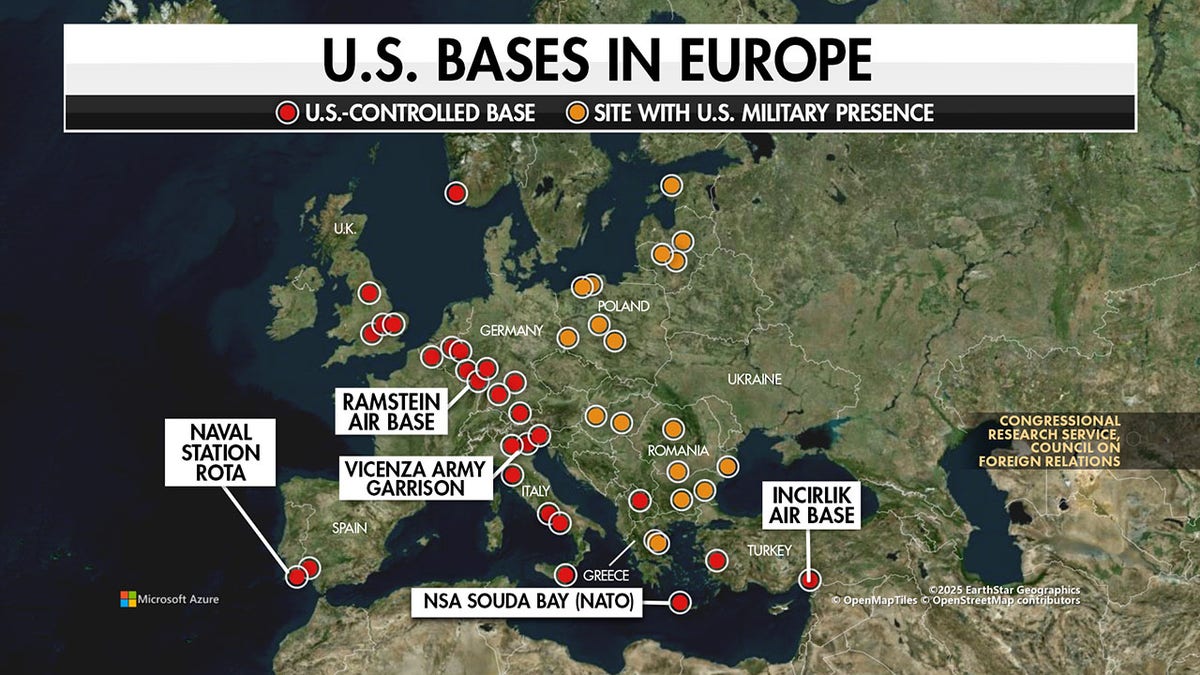
The U.S. military’s ongoing review is part of a broader doctrine established to modernize the force and prepare for a future that may involve threats outside the European theater. While Washington has indicated a desire for a smaller, more specialized footprint, there have been strategic exceptions. President Trump has noted progress toward establishing a permanent Army base in Poland, a move that signals the U.S. intends to maintain a presence in the region, albeit in a more concentrated and perhaps more politically selective manner. This has forced smaller NATO members to reassess their own defense investments to remain indispensable partners in Washington’s revised security calculus.
The Shadow of the Ukraine Conflict
The war in Ukraine, now entering its fifth year, continues to dictate the security environment of the continent. Intelligence reports from Lithuania and its neighbors suggest that despite significant losses, the Russian military is actively seeking to rebuild its capabilities near the borders of the Baltic states.
According to the 2026 National Threat Assessment produced by Lithuanian intelligence services, a potential ceasefire or "frozen conflict" scenario in Ukraine could prove particularly dangerous for the Baltics. The assessment posits that a cessation of hostilities would allow Moscow to reallocate resources, replenish its depleted stockpiles of ammunition, and reposition combat-ready troops closer to the Baltic border. The report warns that, in such a scenario, Russia could theoretically achieve a rapid, localized military advantage before the slow-moving bureaucratic machinery of NATO could mount a coordinated response.
The recent incident involving a Russian-origin drone—which crossed into Lithuanian airspace from Belarus before being intercepted by NATO fighter jets—served as a visceral reminder of the fragility of the status quo. President Nausėda noted that the drone was likely intended for an attack on Ukrainian infrastructure but veered off course, highlighting the increasing "recklessness" of aerial operations in the vicinity of NATO territory.
Energy Security as a Pillar of Defense
The geopolitical pressure exerted by Moscow is not limited to conventional military threats. For years, the Kremlin has utilized energy dependencies as a lever of political coercion. Lithuania has spent the better part of the last decade systematically dismantling this leverage, a project that culminated in a significant new long-term natural gas agreement with the U.S. firm EQT Corp, finalized during the president’s visit to New York.
"Our history shows that all the time Russians misused our dependencies for their own benefit," Nausėda remarked. By diversifying its energy sources—importing roughly 70% of its liquefied natural gas (LNG) from the United States—Lithuania has effectively neutralized one of the primary tools in Russia’s influence arsenal.
This economic independence is viewed as a necessary precursor to military resilience. As the winter months approach, Nausėda expressed deep concern that Russia will once again pivot toward a "scorched earth" strategy, specifically targeting Ukraine’s energy grid to create a humanitarian crisis and force the Ukrainian leadership into unfavorable negotiations. "The winter is coming," the President warned. "Russia knows very well where they should target, and they will target energy infrastructure first of all."
Domestic Defense Spending and Regional Obligations
Lithuania has not been a passive recipient of international security assistance. The country has aggressively scaled up its own defense budget, which currently stands at 5.4% of its GDP—a figure that significantly exceeds the 2% NATO benchmark.
In addition to this financial commitment, the Lithuanian government is in the process of building a full national division. Perhaps most significantly, the country is preparing to host a permanent German brigade by the end of 2027. This shift represents a major change in NATO’s regional architecture, as it marks the first time a foreign power will permanently station a brigade-sized element in Lithuania.
However, Nausėda argues that European efforts, no matter how substantial, do not replace the unique deterrent value provided by the United States. "The question of whether Moscow tests NATO depends on our ability to strengthen deterrence," he said. By demonstrating a credible capability to defend the eastern flank, the alliance hopes to prevent the conflict from escalating further.
Analytical Outlook: The Future of the Eastern Flank
The strategic implications of the U.S. military review are vast. If the United States completes a significant withdrawal from the Baltic region, the burden of deterrence will shift almost entirely to the European members of the alliance. While countries like Germany, Poland, and Lithuania are stepping up their spending, the absence of the U.S. "security umbrella" could create a power vacuum that Moscow might seek to exploit.
Military analysts suggest that the U.S. focus is shifting toward a "modular" defense, where American air and naval power remain the primary assets, while ground-based defenses are handled by a coalition of European nations. Whether this model can provide the same level of psychological and tactical reassurance as a permanent U.S. troop presence remains an open question in Brussels and Vilnius.
As for the prospects of peace, President Nausėda remains cautious. He stated that he does not see any immediate path to peace negotiations, noting that Russia is currently committed to its current trajectory. He suggested that if any meaningful talks were to emerge, they would likely not occur until at least next year, and only if the security situation on the ground forces a shift in Moscow’s calculus.
Ultimately, the dialogue between Vilnius and Washington remains a vital link in the chain of global security. By integrating its energy independence efforts with a robust, self-funded defense strategy, Lithuania is positioning itself as a model for other frontline states. Whether this strategy will be sufficient to keep the U.S. military fully engaged in the Baltics will likely be one of the most consequential foreign policy decisions for the incoming years, as the alliance balances the reality of global threats against the need for fiscal and military sustainability.

