
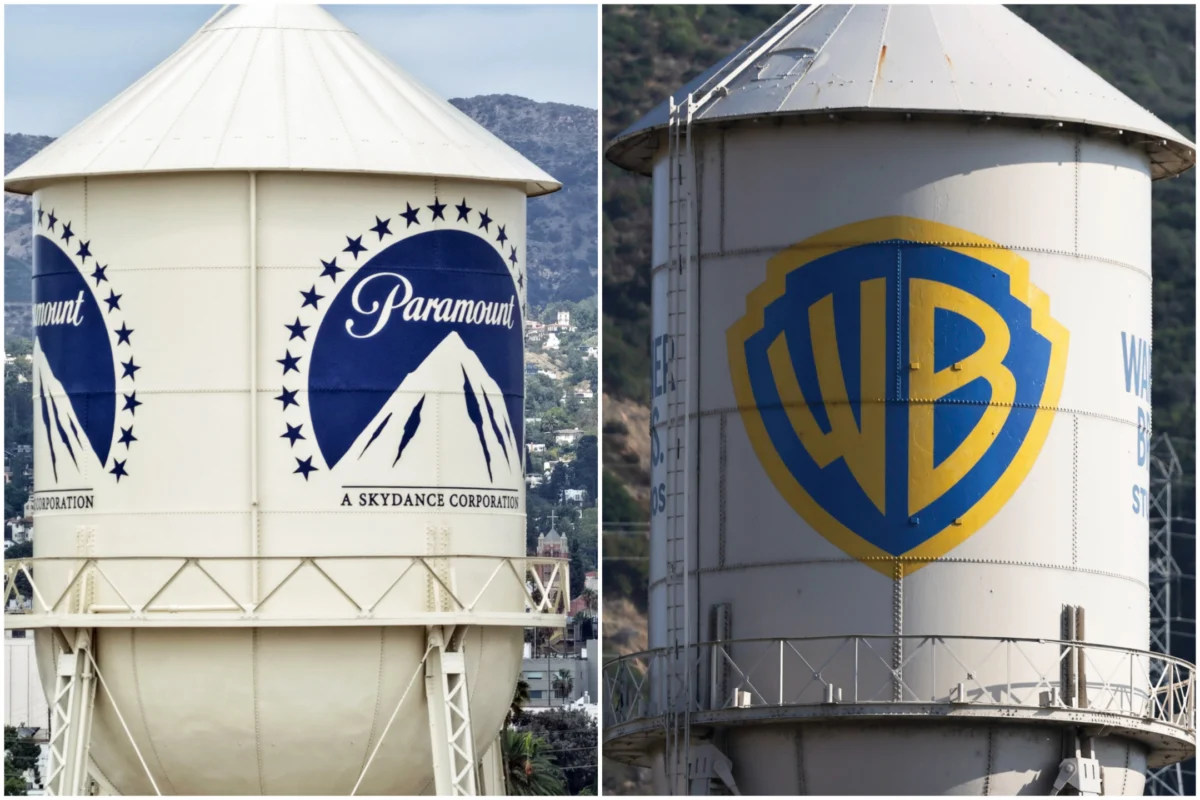
The landscape of the American media industry is bracing for a seismic shift as the proposed $111 billion merger between Paramount and Warner Bros. Discovery moves into its final, high-pressure stages. While the transaction has yet to reach a definitive close, both corporate entities are aggressively aligning their regulatory and financial structures to facilitate what would be one of the most significant media consolidations in history. As the companies navigate the final legal and administrative hurdles, the markets are witnessing a flurry of activity, including the relocation of Paramount’s stock exchange listing and the preparation of complex warrant distributions for shareholders.
Strategic Exchange Realignment
In a move that signals both operational consolidation and a new chapter for the firm, Paramount announced via a Friday SEC filing that its board of directors has authorized the voluntary withdrawal of its Class B common stock from the Nasdaq Global Select Market. Trading under the ticker symbol "PSKY," the stock is slated to transition to the New York Stock Exchange (NYSE).
The company expects this transition to be seamless for investors, with Nasdaq trading projected to cease at the close of market on or about October 5. Trading on the NYSE is scheduled to commence at the market open on October 6. This relocation is often viewed by analysts as a symbolic and practical step for companies undergoing massive structural changes, as the NYSE’s broader institutional footprint is frequently preferred for large-cap entities navigating post-merger integration.
Simultaneously, Warner Bros. Discovery has signaled its own internal adjustments, announcing plans to voluntarily delist its "Euro Notes"—specifically the 4.302% senior notes due 2030 and 4.693% senior notes due 2033—from Nasdaq. This move reflects the broader effort to harmonize debt structures and capital market presence as the two entities prepare to function as a singular, unified powerhouse in the global media ecosystem.
The Looming Deadline and the Ticking Fee
The pressure to conclude the merger is not merely a matter of corporate strategy; it is a matter of severe financial urgency. Starting October 1, Paramount is obligated to begin accruing a "ticking fee" of $7 million per day. This payment, which is due to Warner Bros. Discovery shareholders, serves as a powerful incentive for Paramount’s leadership to expedite the final closing conditions. Every day of delay beyond October 1 represents a significant erosion of value, underscoring the high-stakes environment in which the boards are currently operating.
The "ticking fee" mechanism is a standard but aggressive contractual tool used in mega-mergers to ensure that the target company remains committed to the deal’s timeline. In this case, it serves as a stark reminder that the window for finalizing the acquisition is closing rapidly, and any further regulatory or legal friction could result in substantial financial penalties.
Legal Hurdles and Antitrust Resolution
The path to this merger has been far from smooth. For months, the deal faced significant opposition from state-level antitrust authorities. However, a major breakthrough occurred this week when Paramount reached a settlement with 12 Democratic state attorneys general who had previously filed a lawsuit aimed at blocking the transaction.
While the settlement is a monumental step forward, it remains subject to final judicial approval. The presiding judge is currently reviewing the terms, which notably do not require drastic structural concessions from Paramount. However, the process remains delicate. The court has requested that involved parties file a formal response by September 28 regarding a petition from Sen. Cory Booker (D-N.J.). Senator Booker has urged the court to initiate an independent review of the proposed consent decree, reflecting broader political anxieties regarding media consolidation and its potential impact on consumer choice and market competition.
The outcome of this judicial review is perhaps the final true "gatekeeper" event for the merger. If the judge approves the settlement without ordering further concessions or lengthy independent audits, the path to closing will be effectively clear.
Understanding the Warrant Distribution
A central component of the merger agreement involves the distribution of warrants to existing Paramount shareholders. These warrants are designed to provide eligible holders of Class B Common Stock the opportunity to purchase shares in the new entity under terms comparable to those offered to the equity syndicate backing the Warner Bros. Discovery deal.
The syndicate, which includes high-profile figures such as David Ellison, his father Larry Ellison, and RedBird Capital Partners head Gerry Cardinale, has played a pivotal role in funding the transaction. By offering similar terms to broader shareholders, Paramount aims to mitigate dilution concerns and ensure that existing investors maintain a stake in the post-merger future.
Paramount anticipates issuing approximately 470 million warrants on October 5, provided the record date holds. The exercise price for these warrants is tied to the volume-weighted average price (VWAP) of the stock for the 20 trading days preceding the deal’s finalization. With a price floor set at $12.00 and a ceiling at $16.02, the structure provides a degree of protection for both the company and the warrant holders against extreme market volatility.
However, management has explicitly noted that these distributions are contingent on the merger closing. Paramount retains the right to cancel or postpone the record and issue dates should the WBD merger face further, unforeseen delays. This uncertainty highlights the conditional nature of the entire transaction; while the corporate machinery is in motion, the ultimate execution remains tethered to the successful clearing of all closing conditions.
Contextualizing the Mega-Merger
The merger of Paramount and Warner Bros. Discovery represents the culmination of a decade of consolidation in the streaming and legacy media sectors. Over the past several years, the "Streaming Wars"—characterized by massive spending on content, the pursuit of subscriber growth, and the decline of traditional cable television—have forced media conglomerates into a defensive posture.
By combining, Paramount and WBD aim to create a massive content library, a robust distribution network, and a scaled streaming platform capable of competing with global tech giants like Netflix, Amazon, and Apple. The synergy potential, while theoretically high, will face the immediate challenge of integrating two distinct corporate cultures and technical infrastructures.
The involvement of the Ellison family and RedBird Capital signals a shift toward a more aggressive, tech-focused leadership style for the combined entity. Their investment strategy suggests a belief that the future of legacy media lies in aggressive digital transformation and the optimization of intellectual property across multiple platforms—from theatrical releases to subscription video-on-demand (SVOD) and beyond.
Implications for the Media Ecosystem
The closing of this deal will ripple through the entire entertainment industry. For consumers, the primary concern is the potential for increased subscription costs and the consolidation of content under fewer service umbrellas. For competitors, the merger creates a new, formidable market leader that will command significant leverage in advertising negotiations and content licensing deals.
Analysts are also watching the labor implications. Large-scale mergers typically lead to workforce redundancies as departments are merged and operations are streamlined. Given the scale of the $111 billion valuation, the pressure to demonstrate cost-synergies to Wall Street will be immense, likely leading to a restructuring of the combined company’s production and distribution divisions.
Conclusion: The Final Countdown
As October approaches, the focus remains on the judicial hearing regarding the state attorneys general settlement and the subsequent transition of Paramount’s listing to the NYSE. The company’s administrative preparations—from the warrant distribution plans to the delisting of debt securities—are clear indicators of a board that is operating under the assumption that the deal will close.
Yet, the legal and financial safeguards remain in place for a reason. The "ticking fee" and the conditional nature of the warrant distributions underscore that until the ink is dry, the merger remains a precarious, albeit highly likely, reality. For now, the stakeholders, the courts, and the public wait to see if the final hurdles will be cleared or if the administrative complexity of such a massive deal will force a last-minute adjustment. In the world of global media, this is not just a corporate transaction; it is a fundamental reconfiguration of how news, entertainment, and information are delivered to the world.

