
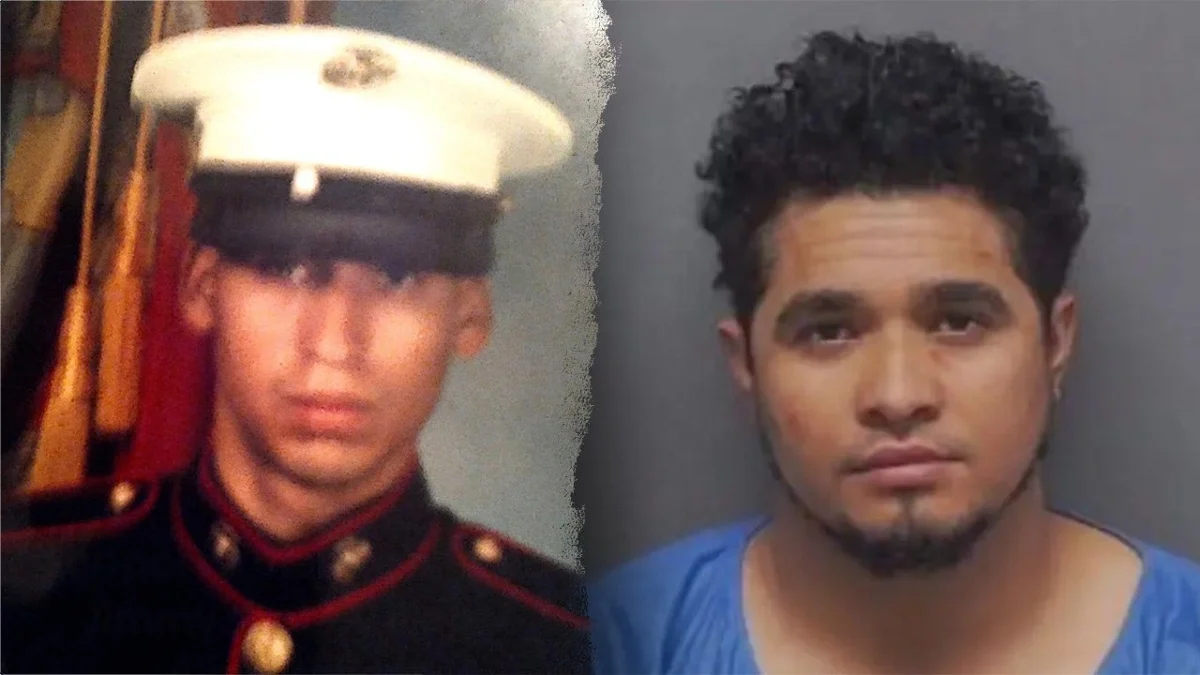
The pursuit of justice in a Bexar County courtroom has hit an unexpected roadblock as Jimmy Friesenhahn, a decorated Marine Corps combat veteran left paralyzed in the line of duty, faces a sudden and severe downturn in his health. Friesenhahn, who served his country through multiple overseas deployments, was scheduled to take the stand next week in the trial of the man accused of shooting him. However, complications stemming from a blood clot and subsequent surgeries have forced the veteran back into an intensive hospital care unit, delaying a milestone moment for both his family and the local legal system.
The tragic sequence of events leading to this medical and judicial crisis began on May 4, 2025, at the El Patio Sports Bar in San Antonio, Texas. According to local law enforcement reports, Friesenhahn was working as a security guard when he observed a patron, later identified as 29-year-old Honduran national Wilmer Vladimir Ruiz Ortega, carrying a concealed firearm. Acting in accordance with his duties to protect the establishment and its patrons, Friesenhahn attempted to intercept Ortega and prevent him from entering the venue with the weapon.
A violent physical struggle ensued during the confrontation. Investigators stated that Ortega drew the firearm and discharged multiple rounds at close range. Friesenhahn was struck three times: twice in his protective bulletproof vest and once directly in the neck. While the vest absorbed the impact of the initial rounds, the projectile that struck his neck caused catastrophic spinal trauma. The injuries resulted in permanent paralysis, the loss of his ability to speak, and a requirement for round-the-clock medical intervention and long-term institutional care.
Ortega was apprehended at the scene by responding officers. He was subsequently charged by local authorities with aggravated assault against a security officer and illegal entry into the United States. Federal immigration authorities have also placed a detainer on Ortega, initiating parallel immigration proceedings to determine his legal status and history within the country.
A Chronology of Prior Legal Run-Ins and Missed Opportunities
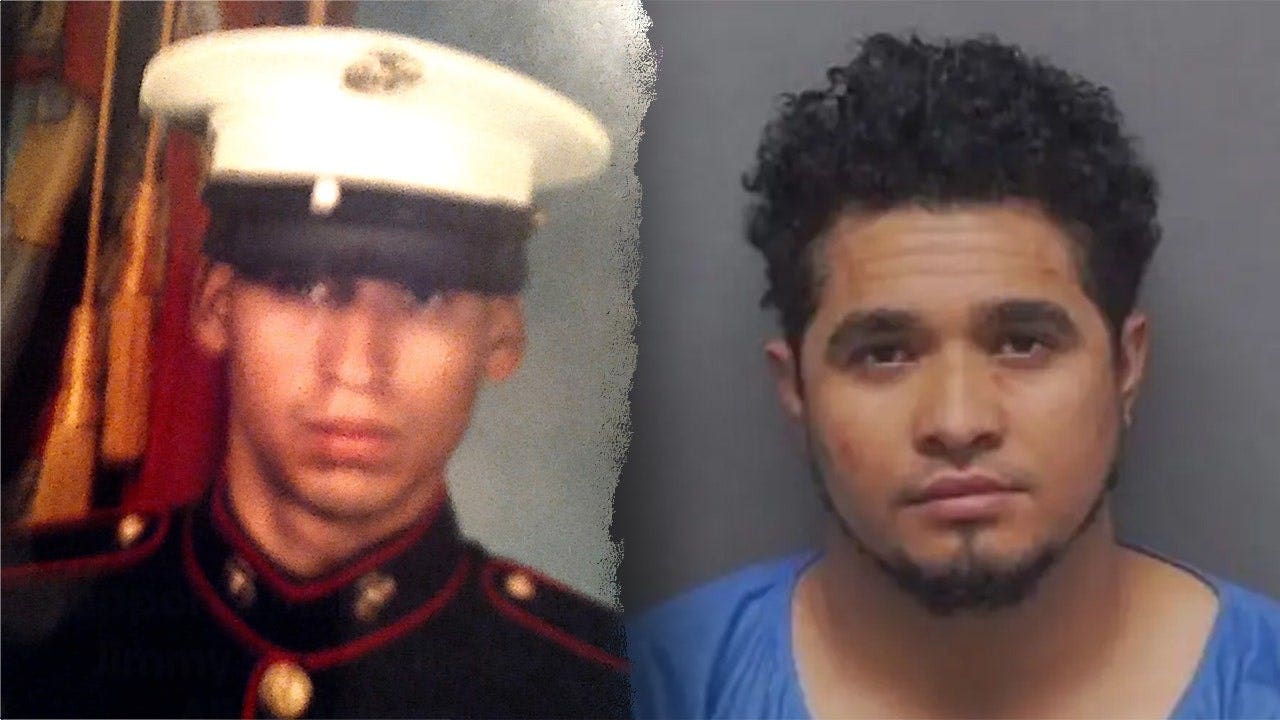
The shooting has ignited a fierce public debate regarding the enforcement of immigration laws and the handling of repeat criminal offenders within the Texas judicial system. Family members and public advocates have scrutinized Ortega’s criminal history in the state, pointing to a series of arrests and missed court dates that preceded the violent encounter in May.
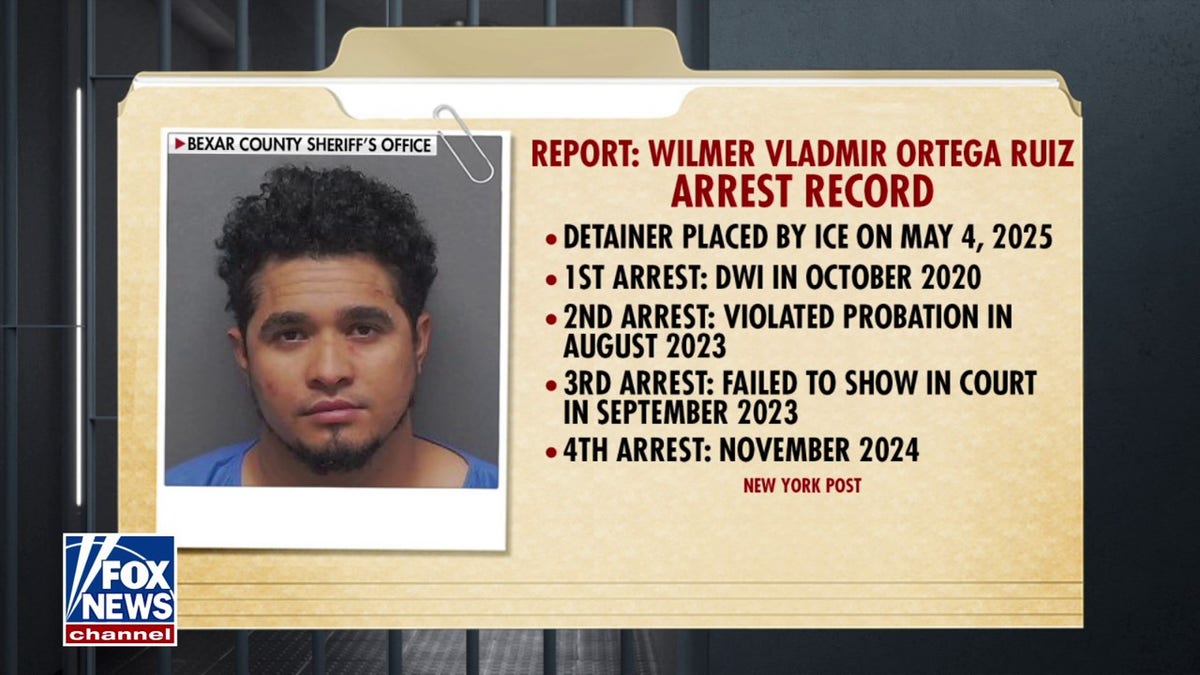
According to public court records, Ortega’s interactions with Texas law enforcement date back several years:
- October 2020: Ortega was arrested and charged with driving while intoxicated (DWI), marking his first recorded significant brush with local law enforcement.
- August 2023: He was arrested following a probation violation tied to his previous offenses.
- Subsequent Months: Court documents indicate that Ortega failed to appear for scheduled court dates on multiple occasions, leading to the issuance of bench warrants. This included a notable arrest in November 2024 for failure to appear.
- March 2025: Ortega made a court appearance related to his outstanding legal matters, just two months before the shooting at El Patio Sports Bar.
Family members argue that the cumulative weight of these infractions should have triggered more aggressive legal action, including immediate notification to federal immigration authorities. Emmanuel Martinez, Friesenhahn’s brother-in-law, expressed deep frustration over the systemic handling of Ortega’s case prior to the shooting.
"His last court appearance was in March 2025, and Jimmy was shot on May 4, 2025," Martinez noted. "At that point, the district attorney’s office should have complied with removal orders and turned him over to Immigration and Customs Enforcement."
Becky Borjon, Friesenhahn’s sister, echoed these sentiments, questioning the efficacy of a bail and bond system that allowed an individual with active warrants and repeated court absences to remain free within the community. "I’m not opposed to immigration, but there is a process set in place for a reason," Borjon stated. "This guy was arrested multiple times, released on bond, and never reported. He had active warrants for repeated offenses while missing court appearances. Those warrants should have been acted upon, and maybe we wouldn’t be here today. This guy should have been returned to his country."
Medical Setbacks Threaten Testimony as Trial Looms
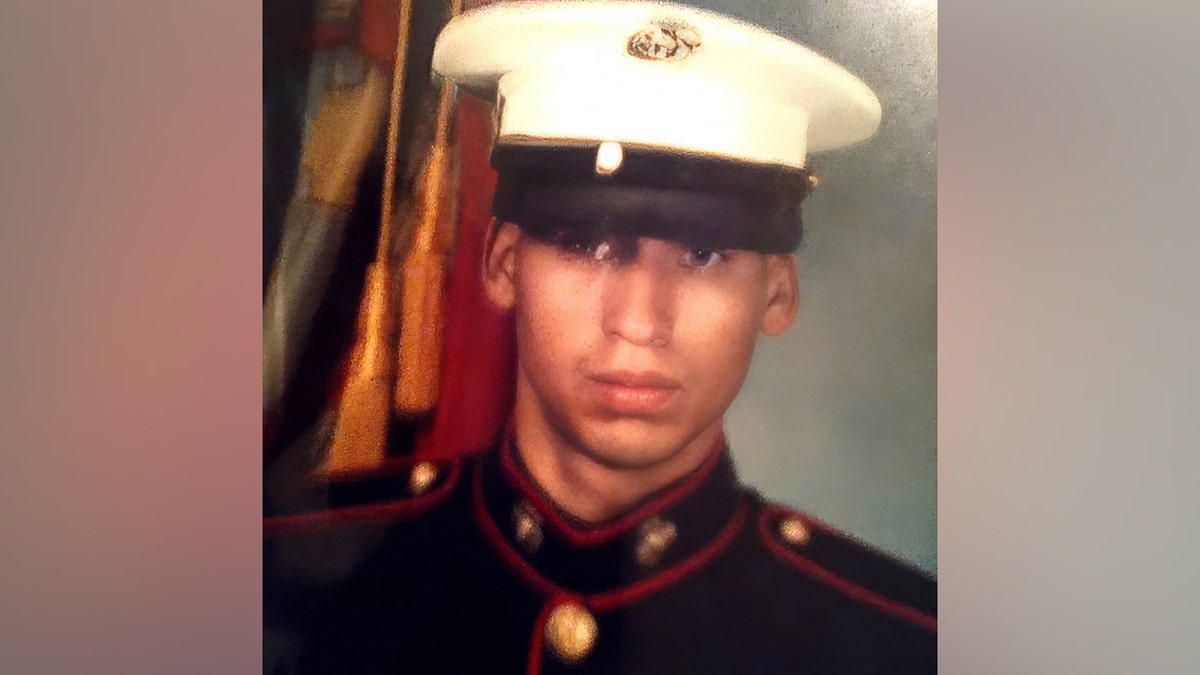
As the legal proceedings approach their initial phases, the physical toll on the victim has introduced logistical and emotional complications for the family. Borjon provided an update on her brother’s current condition, explaining that his participation in the upcoming trial remains uncertain due to acute medical vulnerabilities.
"We encountered some medical setbacks, and he’s been hospitalized for a week now," Borjon said. "Prior to that, he was in inpatient rehab for three weeks following a surgery he had on August 28, and things just kind of took a turn."
The trial is officially slated to begin with jury selection and initial arguments. Borjon emphasized that despite the hospitalization caused by blood clot complications following his late-summer surgery, the family maintains hope that Friesenhahn’s testimony can somehow be accommodated, whether in person or via alternative legal testimony arrangements permitted by the court.
However, the Bexar County District Attorney’s Office has declined to comment publicly on the ongoing trial preparations, the scheduling adjustments, or the specific status of the case in light of the victim’s hospitalization.
Broader Legal and Social Implications
The case of Jimmy Friesenhahn highlights broader national discussions concerning border security, the interior enforcement of immigration laws, and the handling of undocumented immigrants who commit repeat offenses at the local level. Incidents involving repeat offenders with immigration detainers have frequently fueled legislative debates across state and federal levels regarding sanctuary policies, inter-agency communication between local police and federal immigration officers, and the criteria for pre-trial release.
For the Friesenhahn family, policy debates take a secondary role to the daily reality of managing a permanent, life-altering injury. Rather than focusing on a traditional narrative of rehabilitation and recovery, the family is steeling themselves for a new normal defined by lifelong care requirements and legal advocacy.
"Unfortunately, we don’t see this as a road to recovery because there is no recovering from an injury like this. We see it as the beginning of a lifelong fight," Borjon said, reflecting on the long-term prognosis for her brother. "My brother will never walk again. He will never be able to get married or raise a family."
As the trial date approaches, legal analysts and community members alike will be watching Bexar County courtrooms to observe how the judicial system navigates the prosecution of the charges against Ortega, while balancing the health limitations of a key witness who transition from defending his community overseas to fighting for his life and justice at home.

