
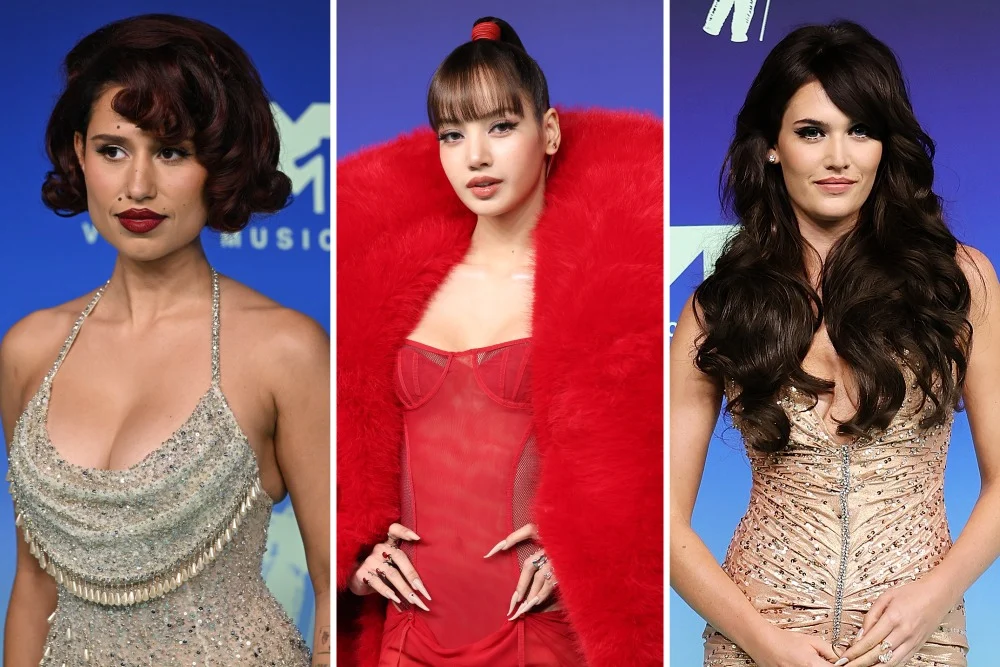
The music industry has descended upon Southern California as the 2026 MTV Video Music Awards officially kick off at the iconic Peacock Theater in Los Angeles. This year’s ceremony marks a significant homecoming for the event, returning to the city for the first time since 2017. Under the guidance of master of ceremonies Snoop Dogg, the evening promises a high-octane celebration of visual artistry, blending the nostalgia of music legends with the cutting-edge output of today’s chart-topping icons.

A Landmark Return to Los Angeles
The transition back to Los Angeles after nine years signifies a strategic shift for MTV. Since its departure from the West Coast in 2017, the VMAs have rotated through various hubs, including New York City, Newark, and various hybrid locations. By securing the Peacock Theater, MTV aims to capitalize on the city’s deep infrastructure within the film and music video production industries. The choice of venue underscores the event’s core mission: celebrating the intersection of sound and cinema. Industry analysts suggest that the return to Los Angeles is designed to boost viewership by tapping into the city’s dense population of industry professionals and its status as the global epicenter of entertainment media.

The Headliners and Performance Highlights
The 2026 program is arguably one of the most ambitious in the show’s multi-decade history. Perhaps the most anticipated moment of the evening is the return of Madonna to the VMA stage. Having been absent from the performance lineup for over two decades, her appearance serves as a symbolic bridge between the formative years of the music video era and the digital-first landscape of the present.

Equally significant is the role of Taylor Swift. Beyond her status as a nominee, Swift is set to premiere her latest music video, "Patient Zero," which has generated substantial pre-show buzz due to the involvement of high-profile actors Dakota Johnson and Colin Farrell. Furthermore, Swift will be honored with the inaugural Artist-Director Award, a new accolade created to recognize performers who take an active, hands-on role in the creative direction, cinematography, and conceptual storytelling of their visual projects.

The performance roster reflects a diverse cross-section of modern music. Notable debuts include RAYE and Sienna Spiro, both of whom are poised to mark their first appearance on the VMA stage. Shaboozey is scheduled to deliver a high-energy performance of "Cowgirl," followed by a collaboration with Gunna for the television premiere of their track "High Noon." Additionally, the global influence of K-pop will be front and center as LISA performs her new single, "SaWaDiKa." Rounding out the international flavor are GENER8ION and Yung Lean, who are set to premiere their collaboration "STORM II."

Tributes and Lifetime Recognition
The 2026 VMAs are also prioritizing historical reverence. Kacey Musgraves, who is currently nominated for Best Country for her track "Dry Spell," will lead a tribute to Dolly Parton. This performance marks Musgraves’ first return to the VMAs in five years. Additionally, a star-studded tribute to the late George Michael will be delivered by RAYE, Sombr, and Teddy Swims, ensuring the legacy of the legendary pop icon remains central to the evening’s narrative.

In one of the most poignant moments of the night, the legendary rock band Nirvana will be honored with the Video Vanguard Award. The selection of Nirvana is particularly resonant, as it coincides with the 34th anniversary of the band’s infamous 1992 VMA performance, which remains etched in the annals of music history for its raw, chaotic energy and defiance of industry norms. The award serves as an acknowledgment of the band’s enduring influence on the visual language of music videos and alternative culture.

Chronology of the VMA Evolution
The VMAs have historically served as a barometer for the cultural zeitgeist since their inception in 1984. The following timeline outlines the evolution of the awards and their shifting geography:

- 1984: The inaugural VMAs are held at Radio City Music Hall in New York City, establishing the Moonman as an industry standard.
- 1992: Nirvana delivers a groundbreaking performance, setting a new precedent for "anti-establishment" appearances on the show.
- 2000s: The ceremony gains a reputation for high-budget spectacles, becoming a primary promotional platform for global pop stars.
- 2017: The last time the VMAs were held in Los Angeles before the current hiatus, representing a period of significant growth for the network’s digital streaming platforms.
- 2026: The return to the Peacock Theater, marking a revitalization of the live, in-person broadcast experience.
Analysis of the Artist-Director Award
The introduction of the Artist-Director Award is a calculated move by MTV to acknowledge the shift in power dynamics within the music industry. As platforms like TikTok and YouTube have democratized content creation, artists are no longer merely subjects of a director’s vision; they are increasingly serving as the primary architects of their visual identities. By awarding this title to Taylor Swift, MTV is signaling that the industry values the multi-hyphenate artist—someone who can command the screen as both a performer and a visual producer. This move may influence future award categories at other prestigious ceremonies, such as the Grammys, which have historically been slower to incorporate visual production criteria into their performance-based categories.

Industry Impact and Broadcast Logistics
The 2026 VMAs are scheduled to air live on Sunday, September 27, at 7:30 p.m. ET (4:30 p.m. PT). Given the shift in media consumption habits, MTV has invested heavily in a multi-platform distribution strategy. Beyond the traditional cable broadcast, the show will be available across several streaming services, allowing international audiences to view the performances in real-time.

Industry experts predict that the "Patient Zero" premiere will likely break concurrent viewership records for the event. Data from recent years suggests that music video premieres integrated into live award shows yield significantly higher social media engagement than standalone releases. By centralizing these events, MTV maintains its relevance in an era where traditional linear television is increasingly challenged by on-demand streaming.

Looking Toward the Future of the VMAs
As the ceremony progresses, the focus remains on whether this year’s production will succeed in bringing younger, digitally native audiences back to the broadcast. The inclusion of artists like Shaboozey and LISA demonstrates an awareness of the global and cross-genre appeal necessary to sustain the event’s relevance.

The logistical challenge of hosting a live, multi-act event in 2026 is substantial, requiring coordination between international touring schedules, complex stage set-ups, and the technical demands of a live broadcast. However, the early arrival of major stars and the buzz surrounding the Nirvana tribute suggest that the 2026 VMAs have successfully reclaimed their position as one of the most important nights in music.

As the industry looks ahead, the success of the 2026 ceremony in Los Angeles will likely determine the location of the 2027 show. If the synergy between the historic Vanguard award and the contemporary performances of artists like Swift and LISA proves successful, MTV may solidify a more permanent home for the awards in the coming years, further stabilizing the brand as it navigates a rapidly changing media landscape. The evening stands as a testament to the enduring power of the music video as a medium—a format that, despite the rise of short-form social media clips, remains a cornerstone of artistic expression and promotional strategy for the world’s most influential entertainers.

