

The end of enhanced federal subsidies for health insurance purchased through state and federal marketplaces in late 2025 has triggered a significant financial strain for many Americans. As premium costs surged, a substantial number of individuals and families have been compelled to opt for health plans with high deductibles as a means to manage their monthly outlays. While these plans initially appear more affordable due to lower monthly payments, they often translate into substantial out-of-pocket expenses for medical care when needed. This shift towards high-deductible health plans (HDHPs) is not a new phenomenon but has accelerated, impacting a growing segment of the insured population.
The Rising Tide of High-Deductible Health Plans
The prevalence of high-deductible health plans has seen a dramatic increase over the past two decades. In 2023, a striking 30% of individuals obtaining health insurance through their employers were enrolled in an HDHP. This stands in stark contrast to 2006, when only 4% of employer-sponsored plans were classified as high-deductible. This trend reflects a broader strategy by insurers and employers to shift a greater portion of healthcare cost risk onto the consumer, often in response to rising healthcare expenditures and efforts to control premium growth.
Personal Stories of Navigating the Health Insurance Landscape
The complexities of choosing a health insurance plan are vividly illustrated by the experience of Madison Burgess, a primary school teacher from San Diego. While she receives health insurance through her employer, the cost of adding her husband to her existing plan proved prohibitive. This led her to explore options in the health insurance marketplace, seeking a more economical solution for her family.
"The more I reviewed the plan options, the more overwhelming it became," Burgess recounted. "The insurance jargon made it difficult to understand how much my family would have to pay out of pocket if my husband got sick. I didn’t know what a deductible was, so I chose what was cheap, and now I regret it."

Burgess’s predicament highlights a common pitfall: prioritizing lower monthly premiums without fully grasping the implications of the deductible. In her case, her husband’s coverage would not begin to pay for most services until the family had incurred $5,800 in medical bills. This significant out-of-pocket threshold is a defining characteristic of HDHPs, and a detail that was not fully understood by Burgess at the time of enrollment.
Understanding the Trade-Off: Premiums vs. Deductibles
The fundamental principle behind many health insurance plans is a trade-off between premiums and deductibles. Premiums represent the fixed monthly payment for the insurance policy, while the deductible is the amount the policyholder must pay out-of-pocket before the insurance company starts covering costs. Generally, plans with lower monthly premiums have higher deductibles, and vice versa. This inverse relationship is a critical factor for consumers to consider when selecting coverage, as the "cheaper" option in terms of monthly cost can become significantly more expensive when medical services are utilized.
Preparing for the Financial Burden: Health Savings Accounts (HSAs)
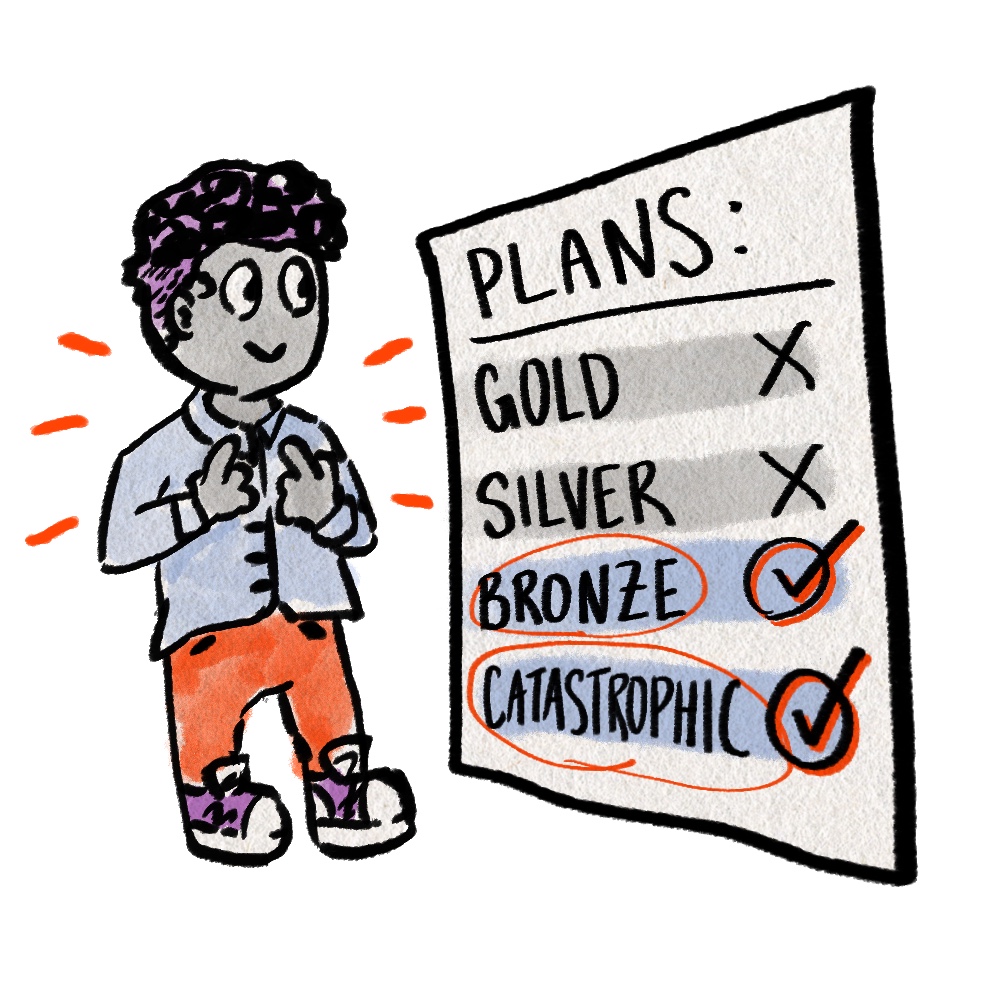
For individuals and families facing the prospect of substantial upfront medical costs, a Health Savings Account (HSA) offers a valuable financial tool. HSAs allow individuals to save pre-tax money to cover qualified medical expenses. Crucially, HSAs are now accessible to individuals enrolled in lower-tier plans on both state and federal marketplaces, including Bronze and catastrophic coverage plans. These plans, while offering the lowest premiums, typically come with the highest out-of-pocket costs.
Burgess, who opted for a Bronze plan, was unaware that HSAs were a viable option. "I never thought about having to save money for a deductible," she admitted. Like many, Burgess and other consumers often prioritize saving for unexpected expenses such as car repairs, home maintenance, or veterinary bills, sometimes overlooking the potential for significant healthcare expenditures.
An HSA provides a dedicated fund for future health-related costs, such as doctor’s visits, prescription medications, and even over-the-counter items like pain relievers, feminine hygiene products, and sunscreen. The funds in an HSA are owned by the individual and can be used for qualified medical expenses for themselves, their spouse, or their dependents at any time in the future. This portability is a key advantage, as the money remains with the individual even if they change employers or health insurance plans.
It is important to distinguish HSAs from Flexible Spending Accounts (FSAs). While both offer tax advantages, FSAs are exclusively available through employers and typically have a "use-it-or-lose-it" policy, meaning any remaining balance is forfeited at the end of the year or when employment ends.
Opening and Contributing to an HSA
Individuals can open an HSA at any point during the year, provided they are enrolled in an eligible health plan. While consumers can choose where to open their HSA, it is advisable to research fees and compare options. Some employers may designate specific IRS-approved companies for employees to use for their HSAs.
A common misconception is that individuals cannot afford to contribute to an HSA, especially when facing competing financial demands like rent and groceries. However, the accessibility of HSAs is enhanced by the fact that contributions do not need to be substantial. Even small, consistent monthly contributions can begin to build a financial cushion.
There are annual contribution limits set by the IRS. For 2026, the limit is $4,400 for an individual and $8,750 for a family plan. Within these limits, individuals have the flexibility to decide how much they contribute.
Understanding Healthcare Costs and Maximizing Value
Beyond proactive savings, comprehending the cost of various medical services can empower consumers to make informed decisions that align with their budget. For instance, some health plans may offer lower costs for telemedicine consultations compared to in-person doctor visits. Reviewing the Summary of Benefits and Coverage (SBC) for a health plan is crucial for detailed information on costs associated with different services.

Negotiating Cash Prices for Medical Services
In situations where a deductible is high and the patient is unlikely to meet it, negotiating the cash price for medical services can be a viable strategy. Paying in cash can often lead to a discount. However, it is important to note that these cash payments typically do not count towards the annual deductible or out-of-pocket maximum. As one expert advised, "If you don’t think you’re going to meet your deductible—you’re young, and your deductible is $10,000—negotiate the cash price."
Reporting Income Changes to Avoid Financial Pitfalls
Accurate reporting of income changes to health insurance marketplaces is critical. While an increase in income may lead to higher premiums if eligibility for subsidies changes, it is generally more prudent to pay slightly more upfront than to face substantial tax bills later. A common scenario involves individuals who experience a job loss, enroll in a plan with no income, and then secure new employment without updating their marketplace profile. This can result in significant tax debt at the end of the year. Therefore, it is recommended to update one’s profile on the marketplace as soon as income changes, as this could also reveal eligibility for Medicaid or plans with more comprehensive coverage.
Broader Implications of Shifting Healthcare Costs
The continued rise of HDHPs and the expiration of enhanced subsidies signal a broader shift in how healthcare costs are distributed in the United States. While these plans can offer lower monthly premiums, they place a greater financial burden on individuals when they require medical care. This can lead to delayed or forgone treatment, particularly for those with chronic conditions or unexpected health emergencies.
The long-term implications of this trend are multifaceted. It could exacerbate health disparities, as lower-income individuals and families may be disproportionately affected by high out-of-pocket costs. Furthermore, it raises questions about the affordability and accessibility of healthcare for a significant portion of the population, even those with health insurance. Policy discussions surrounding the sustainability of the current healthcare system and the role of government subsidies are likely to intensify as more Americans grapple with the financial realities of high-deductible health plans. The experiences of individuals like Madison Burgess underscore the urgent need for greater transparency and consumer education regarding health insurance options and the financial responsibilities associated with different plan structures.