
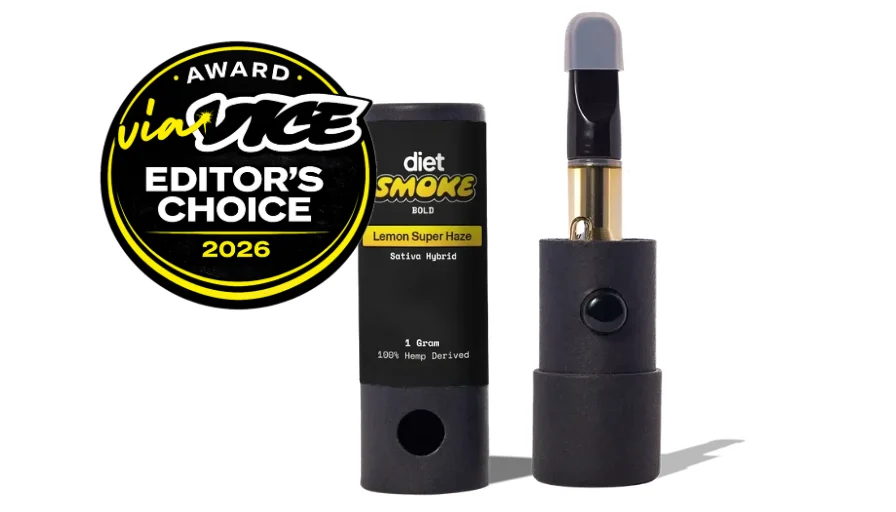
As the global cannabis industry approaches its most significant annual cultural milestone, the editorial team at Vice has launched a comprehensive retrospective and product showcase titled The High Edit: 20 Days of 420, featuring the Diet Smoke Lemon Super Haze 1g vape cartridge as a primary selection for consumers seeking functional, sativa-dominant experiences. This initiative serves as a curated countdown to April 20, a date historically synonymous with cannabis advocacy and celebration, reflecting a broader market shift toward transparency, strain-specific terpene profiles, and high-quality extraction methods. The selection of the Lemon Super Haze cartridge highlights a growing consumer demand for products that facilitate productivity and mental clarity, moving away from the heavy sedation often associated with legacy cannabis products.
The Technical Profile of Lemon Super Haze and Genetic Lineage
The product at the center of this spotlight, the Lemon Super Haze 1g vape cartridge by Diet Smoke, is a derivative of one of the most decorated strains in cannabis history. Known colloquially in the industry as Super Lemon Haze, this cultivar is a sativa-dominant hybrid resulting from the cross-breeding of Lemon Skunk and Super Silver Haze. The genetic profile of this strain is engineered to provide a balanced yet energizing effect, making it a staple for daytime users who require cognitive function alongside the therapeutic or recreational benefits of cannabinoids.
From a chemical perspective, the Diet Smoke iteration of this strain emphasizes a specific terpene arrangement, most notably terpinolene and limonene. Limonene, a liquid hydrocarbon often found in the rinds of citrus fruits, is widely recognized in pharmacological studies for its potential anti-anxiety and mood-elevating properties. Terpinolene, conversely, provides a more complex aromatic profile characterized by woody, piney, and floral notes. While terpinolene is often found in small quantities in many strains, it is a defining characteristic of the Haze lineage, contributing to the "clear-headed" high that users report.
The physical appearance of the oil within the cartridge serves as a primary indicator of quality for modern consumers. In a market where "vape gate" and concerns over additives like vitamin E acetate have historically plagued the industry, the clarity and color of the distillate are paramount. The Diet Smoke cartridge features a light, translucent oil, suggesting a rigorous distillation process that removes impurities, lipids, and waxes while preserving the essential cannabinoid and terpene content.
Chronology of 4/20 and the Development of The High Edit
The 4/20 holiday has evolved from a localized counterculture tradition into a multi-billion dollar commercial event. The origins of the date trace back to 1971 in San Rafael, California, where a group of high school students known as "the Waldos" used the term "4:20" as a code for meeting to search for an abandoned cannabis crop. Over the subsequent five decades, the term was adopted by the Grateful Dead and eventually permeated global culture, leading to the current state of the industry where April is the highest-grossing month for cannabis retailers.
In response to this cultural phenomenon, Vice’s "The High Edit: 20 Days of 420" was established as a rigorous testing and review series. Running from April 1 to April 20, the series provides daily insights into the most effective and innovative products on the market, ranging from traditional flower to advanced hemp-derived cannabinoid formulations. The selection process for this series involves months of tracking market trends, laboratory testing results, and consumer feedback, ensuring that the featured products represent the current pinnacle of the industry.
The inclusion of Diet Smoke in this countdown is particularly significant given the company’s positioning within the hemp-derived cannabinoid sector. Following the passage of the 2018 Farm Bill, the distinction between "marijuana" and "hemp" became a matter of THC concentration (specifically Delta-9 THC levels below 0.3% on a dry weight basis). This legislative shift allowed for the rise of brands like Diet Smoke, which utilize federally compliant extraction methods to reach a broader national audience than traditional state-licensed dispensaries.
Market Data and the Shift Toward Functional Cannabinoids
The choice of a sativa-dominant product like Lemon Super Haze aligns with significant shifts in consumer behavior documented over the last three fiscal years. Data from cannabis analytics firms suggest that while "heavy" indica strains dominated the market during the initial waves of legalization, there is a burgeoning "functional" segment of the market. This segment is comprised of professionals, creatives, and athletes who utilize cannabis not for intoxication, but for focus, creativity, and stress management.

Key industry statistics highlight this trend:
- Vape Market Dominance: In mature markets like California and Colorado, vape cartridges now account for approximately 25% to 30% of total sales, second only to raw flower.
- Terpene Education: Consumer interest in "terpene-forward" products has increased by over 40% year-over-year, as buyers move away from high-THC percentages in favor of more nuanced "entourage effect" experiences.
- Purity Standards: A 2023 survey of cannabis consumers indicated that 72% of respondents prioritize "oil clarity" and "lab-tested purity" over price when selecting a vape product.
The Diet Smoke Lemon Super Haze cartridge addresses these metrics by offering a product that maintains the integrity of the Super Lemon Haze profile—citrusy, minty, and piney—while ensuring the oil remains free of the dark, murky appearance associated with inferior extraction or old biomass.
Industry Analysis: The Significance of "Clean" Oil and Extraction Integrity
In the journalistic analysis of cannabis products, the "cleanliness" of a vape cartridge is more than an aesthetic preference; it is a marker of technological sophistication. The extraction of cannabinoids from hemp or cannabis biomass typically involves solvents such as CO2, ethanol, or butane. If the post-extraction refinement—often involving winterization and decarboxylation—is handled incorrectly, the resulting oil can contain residual chlorophyll, fats, or heavy metals.
The "light color" noted in the Diet Smoke cartridge suggests the use of high-quality distillate or broad-spectrum oil that has undergone multiple stages of filtration. This is crucial for the Lemon Super Haze strain, which is sensitive to heat and processing. Because the strain is a cross involving Skunk OG—a heavy indica—certain batches can lean toward a more sedative effect if the terpene balance is not meticulously maintained during the filling process. The ability to consistently deliver a sativa-heavy experience is what distinguishes premium manufacturers from those producing generic "sativa-labeled" products that are actually blends of various leftovers.
Regulatory and Safety Implications for Hemp-Derived Products
The prominence of hemp-derived vapes like those from Diet Smoke also brings to the forefront the ongoing regulatory debate in the United States. While the 2018 Farm Bill opened the doors for the industry, it created a "gray market" where safety standards vary significantly between states. Professional news outlets and editorial boards have increasingly taken on the role of informal regulators, highlighting brands that voluntarily adhere to strict testing protocols.
Diet Smoke and similar brands often provide a Certificate of Analysis (COA) for every batch, detailing the cannabinoid profile and confirming the absence of pesticides and heavy metals. For the consumer, this transparency is essential. The "High Edit" series serves as a bridge between the manufacturer and the consumer, providing a layer of vetting that is often missing in the rapid-fire environment of digital retail. The selection of Lemon Super Haze reflects a broader endorsement of brands that prioritize consumer safety and product consistency in an evolving legal landscape.
Broader Impact and the Future of Cannabis Consumerism
As the countdown to 4/20 continues, the focus on specific, high-performance products like the Lemon Super Haze cartridge signals a maturation of the cannabis market. We are moving away from the era of "stoner culture" and into an era of "cannabis wellness and productivity." The demand for products that don’t "put the user to sleep" but instead "keep them moving" is a testament to the integration of cannabis into the daily lives of a diverse demographic.
The implications for the future are twofold. First, we can expect a continued refinement of strain-specific vaping technology, where the nuance of a "Lemon Skunk" vs. a "Super Silver Haze" is preserved with near-perfect accuracy. Second, the success of editorial features like "The High Edit" demonstrates that the modern consumer is looking for curated, expert advice to navigate a market that can often feel overwhelming and "drowning in noise."
In conclusion, the Diet Smoke Lemon Super Haze 1g vape cart stands as a representative of the current state of the industry: technically sophisticated, genetically rooted in classic cultivars, and aimed at a consumer base that values clarity—both in the oil they consume and the mental state they hope to achieve. As the industry prepares for the 4/20 peak, the emphasis remains on quality, transparency, and the functional benefits of the sativa-dominant profile.