As the academic calendar approaches its conclusion, educational professionals are increasingly turning to structured reflective tools and community-building resources to manage the complex transition from the classroom to the summer hiatus. The final weeks of school represent a critical period in the developmental trajectory of students, where the synthesis of a year’s worth of learning meets the emotional weight of social conclusion. To address these needs, a comprehensive suite of instructional printables has been developed to provide a pedagogical bridge, allowing for both individual reflection and collective celebration. These resources, ranging from longitudinal reviews to prospective planning exercises, aim to mitigate the "summer slide" while reinforcing the social-emotional bonds formed within the classroom environment.
The Strategic Importance of Year-End Reflection in Pedagogy
The conclusion of a school year is more than a mere administrative deadline; it is a vital psychological milestone for students across all developmental stages. Educational researchers emphasize that the "wrap-up" phase of a course is essential for the consolidation of knowledge. Without a structured period of reflection, students may struggle to internalize their academic growth or recognize the progress they have made in their interpersonal skills.
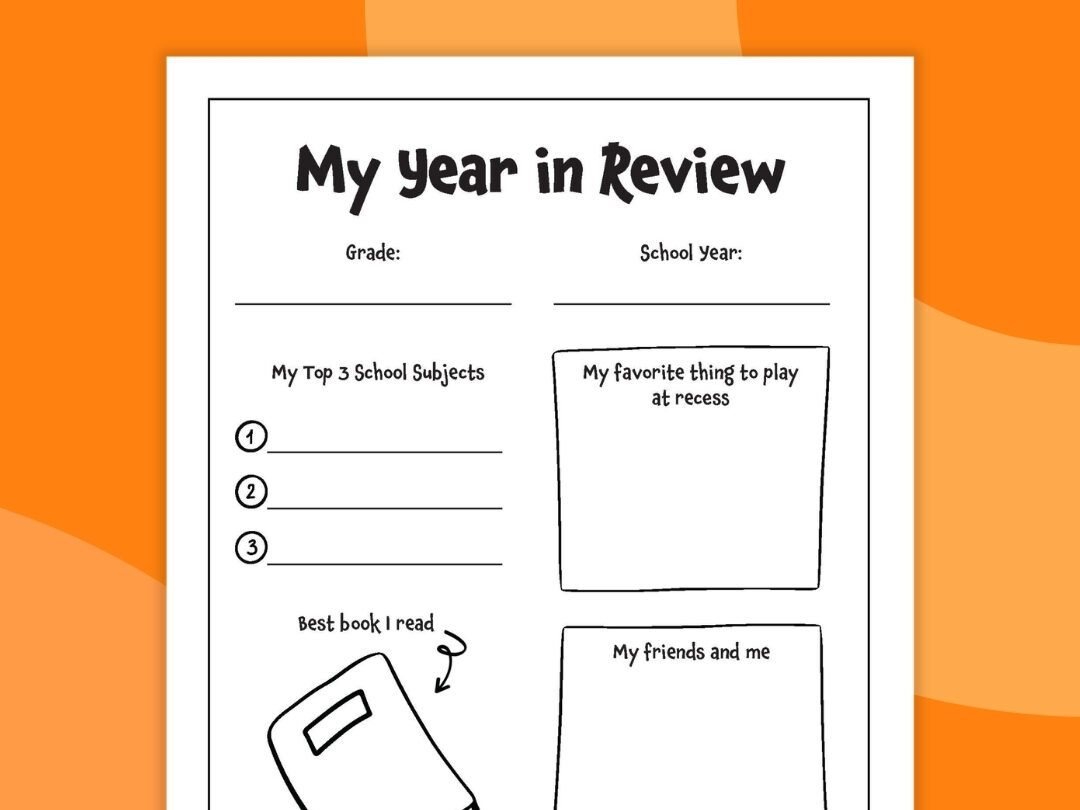
Data from various educational psychology studies suggest that reflective writing and peer-to-peer dialogue at the end of a term can increase long-term retention of core concepts by up to 15%. By engaging in activities such as the "My Year in Review" or "Compare and Contrast" worksheets, students are prompted to engage in metacognition—the act of thinking about their own thinking. This process allows them to identify successful learning strategies they employed throughout the year, which they can then carry forward into the next grade level.

Furthermore, the end of the school year is often characterized by a shift in classroom dynamics. As the pressure of standardized testing and final examinations subsides, there is a documented risk of increased behavioral incidents as students react to the impending loss of routine. Implementing structured, engaging activities during this "lame duck" period serves a dual purpose: it maintains classroom order through focused tasks and provides a healthy outlet for the anxiety and excitement associated with summer transitions.
Chronology of the Final Instructional Cycle
The implementation of year-end resources typically follows a specific chronology designed to mirror the psychological state of the student body. Educators often divide the final month into three distinct phases:
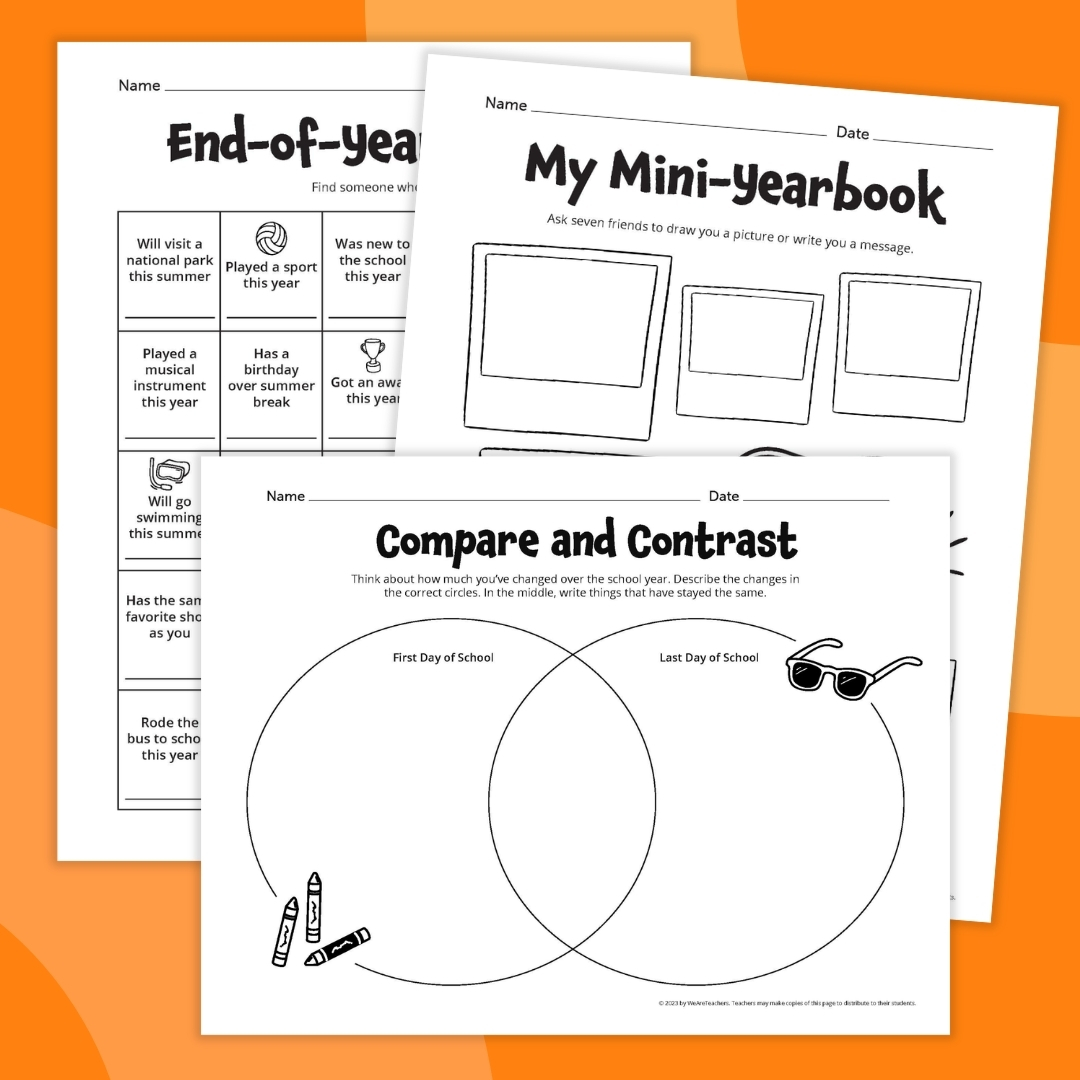
- The Retrospective Phase (Weeks 3-4 before dismissal): During this period, the focus remains on summarizing curriculum content. Tools like the Venn diagram "Compare and Contrast" are used to help students visualize their growth from the first day of school to the present. This phase is characterized by an objective look at academic milestones.
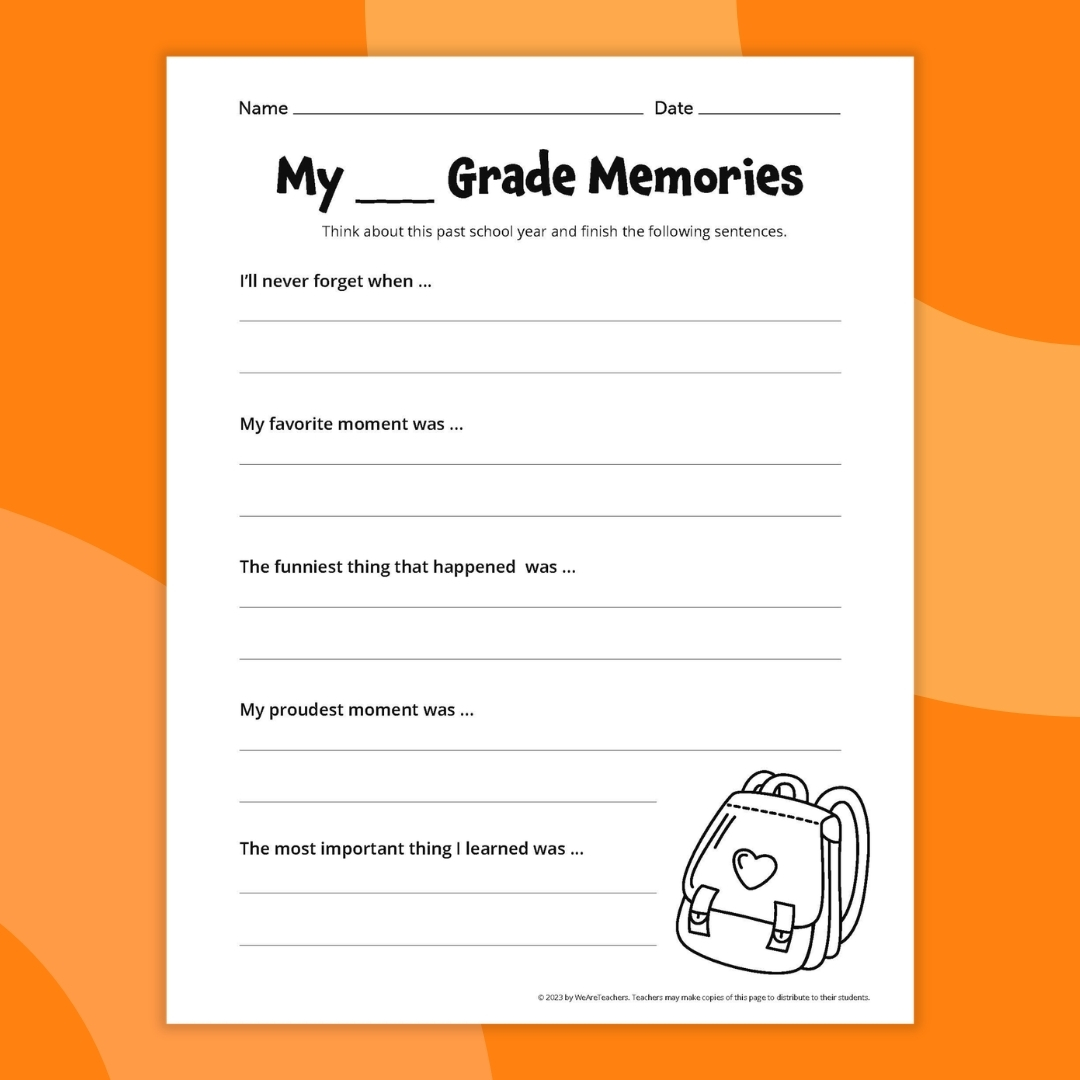
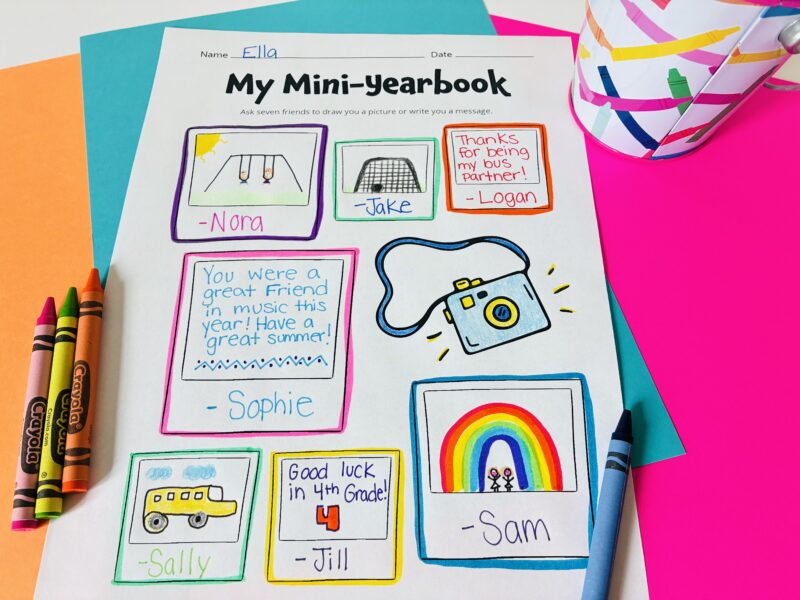
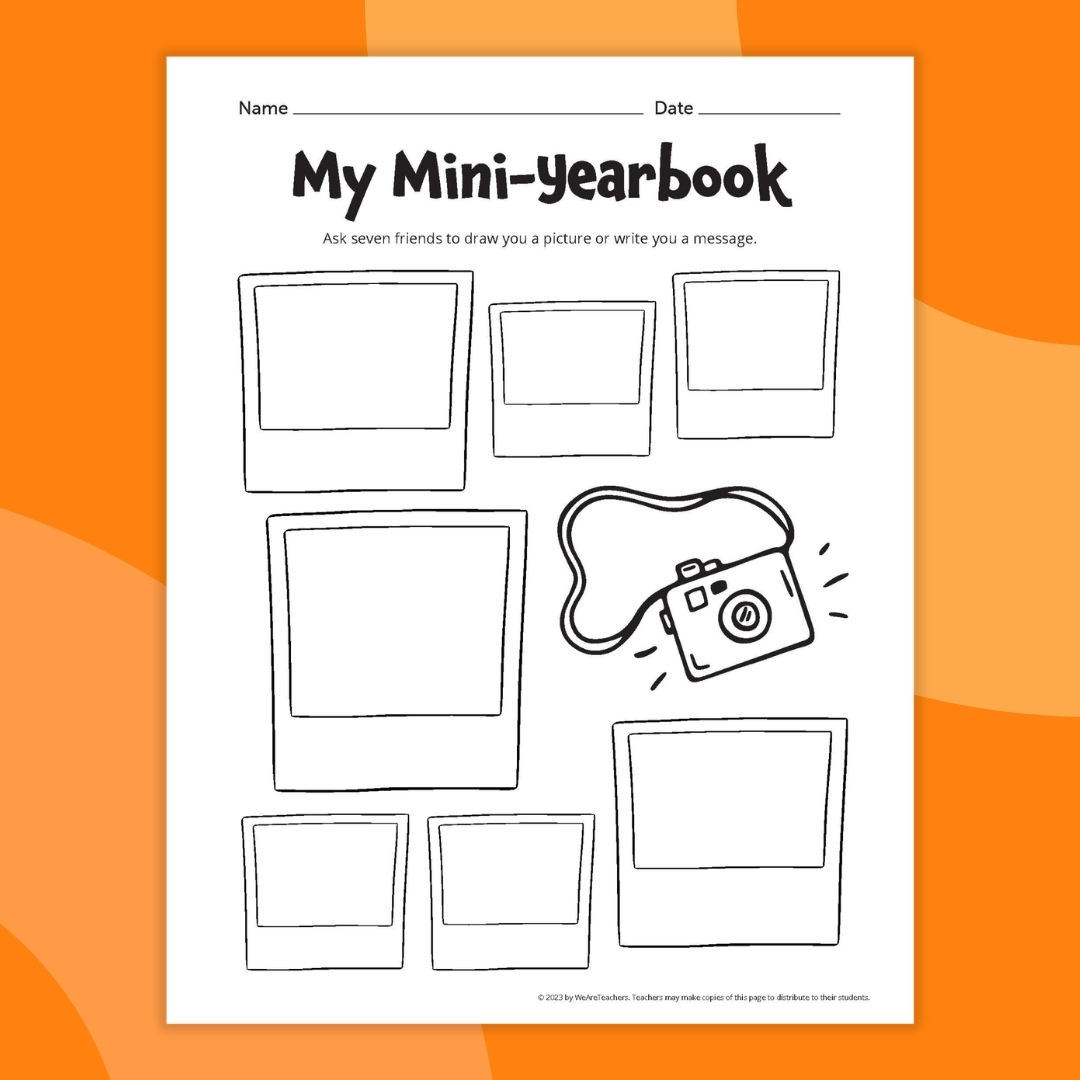
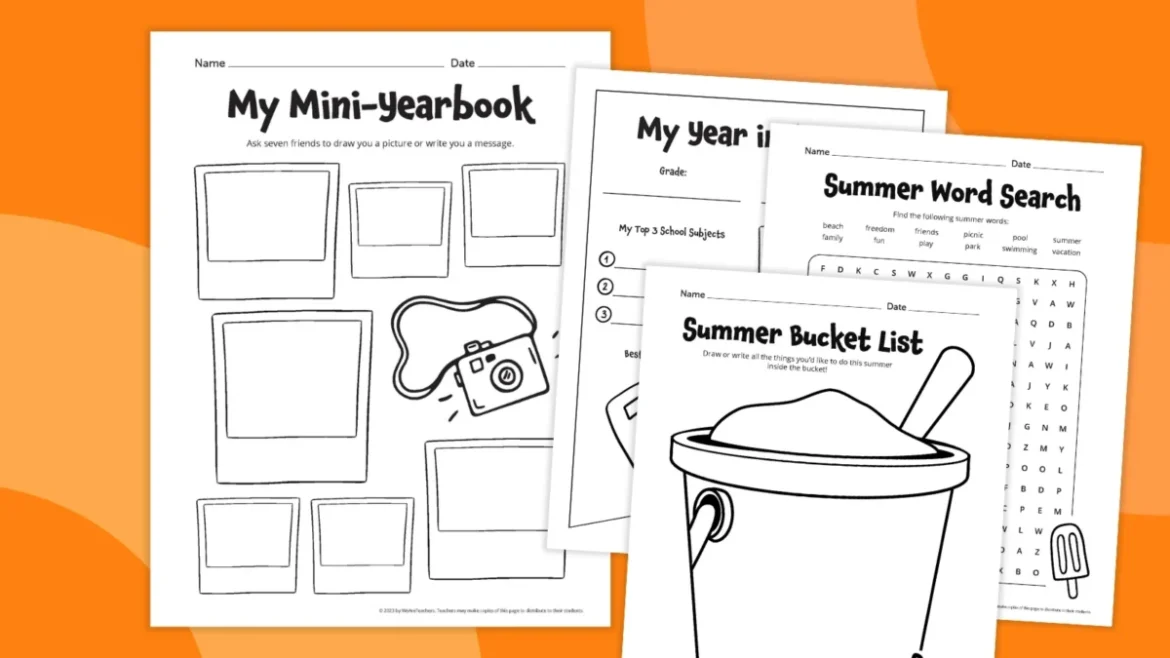
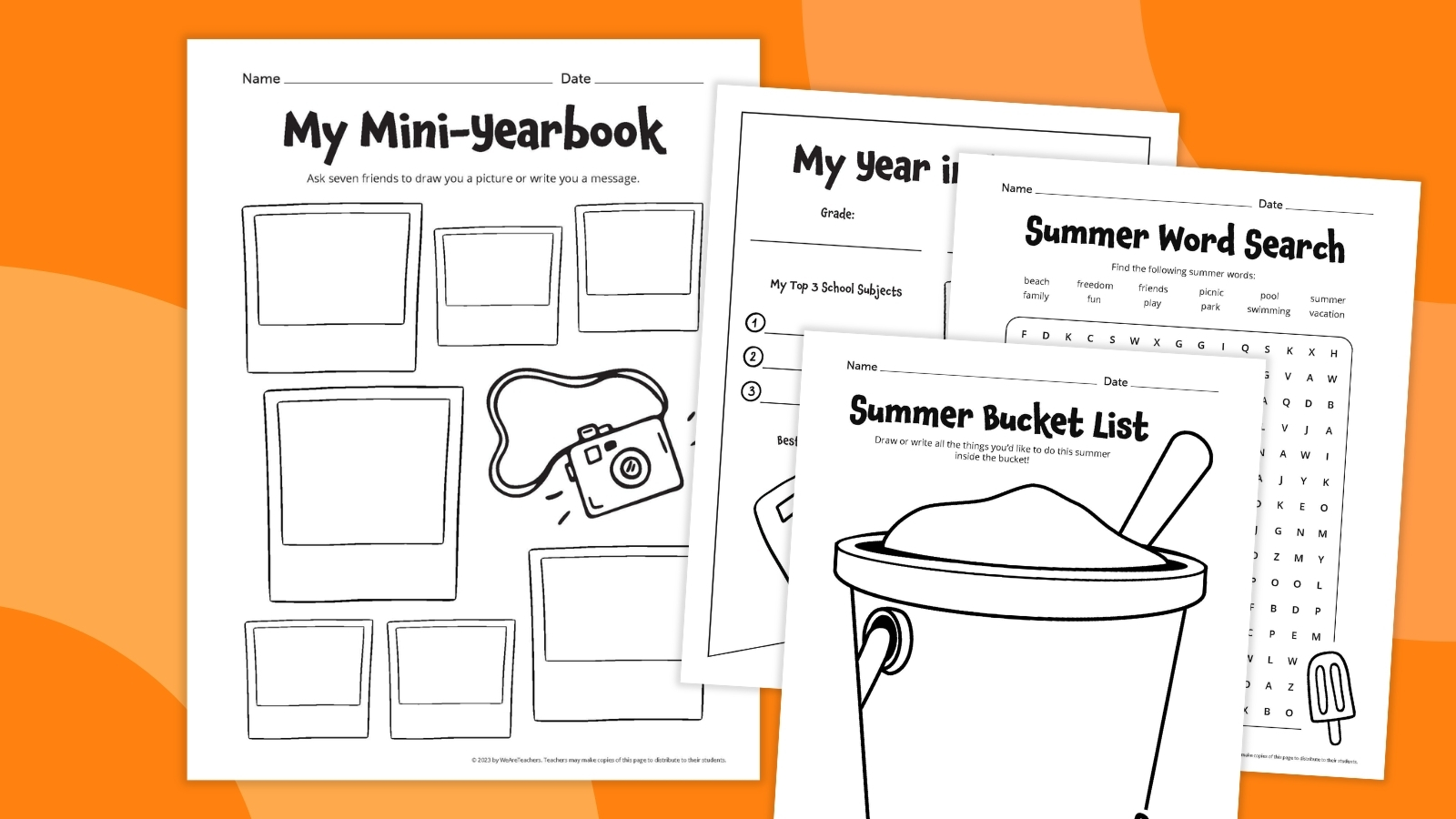
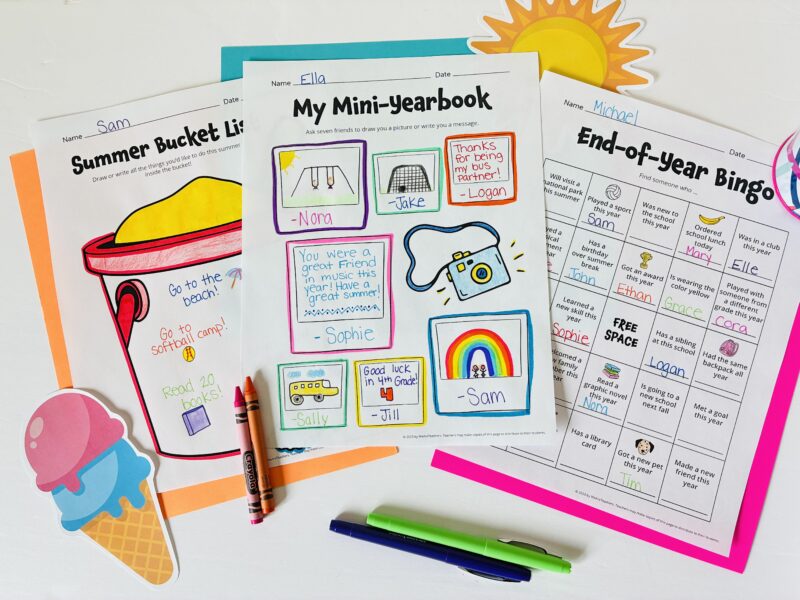
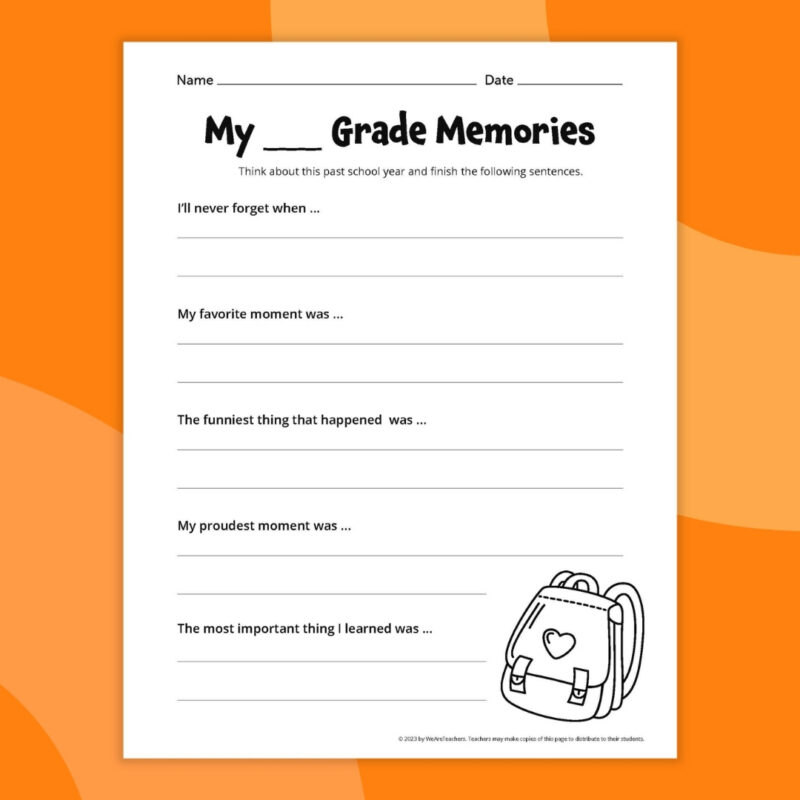
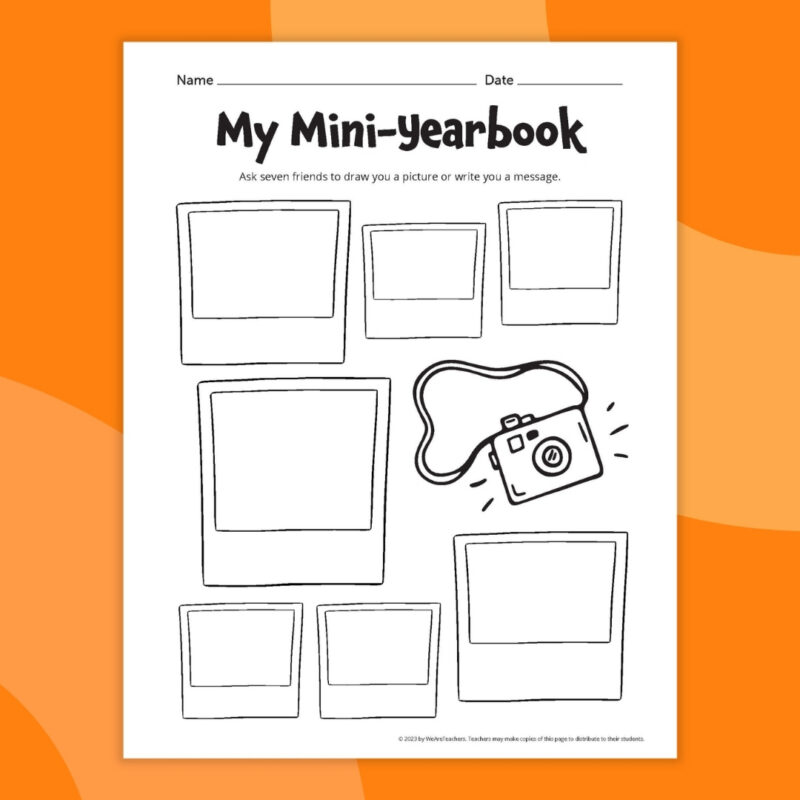
- The Synthesis and Memory Phase (Week 2 before dismissal): As the finality of the year becomes more apparent, activities shift toward social-emotional preservation. The "My Memories" and "Mini-Yearbook" activities allow students to document their social network and personal highlights. This phase focuses on the "human" element of the classroom, ensuring that every student feels their presence was valued.
- The Prospective and Transition Phase (Final Week): The final days are dedicated to looking forward. The "Summer Bucket List" and "Letter to Next Year’s Students" serve as transitional anchors. The letter-writing exercise is particularly impactful, as it positions the current student as an "expert" or "mentor" for the incoming cohort, boosting self-esteem and providing the new teacher with a student-perspective introduction to the classroom culture.
A Detailed Analysis of End-of-Year Instructional Tools
The current bundle of printables provided by educational resource platforms like We Are Teachers offers a multi-faceted approach to the final days. Each tool is designed with a specific pedagogical or social goal in mind.
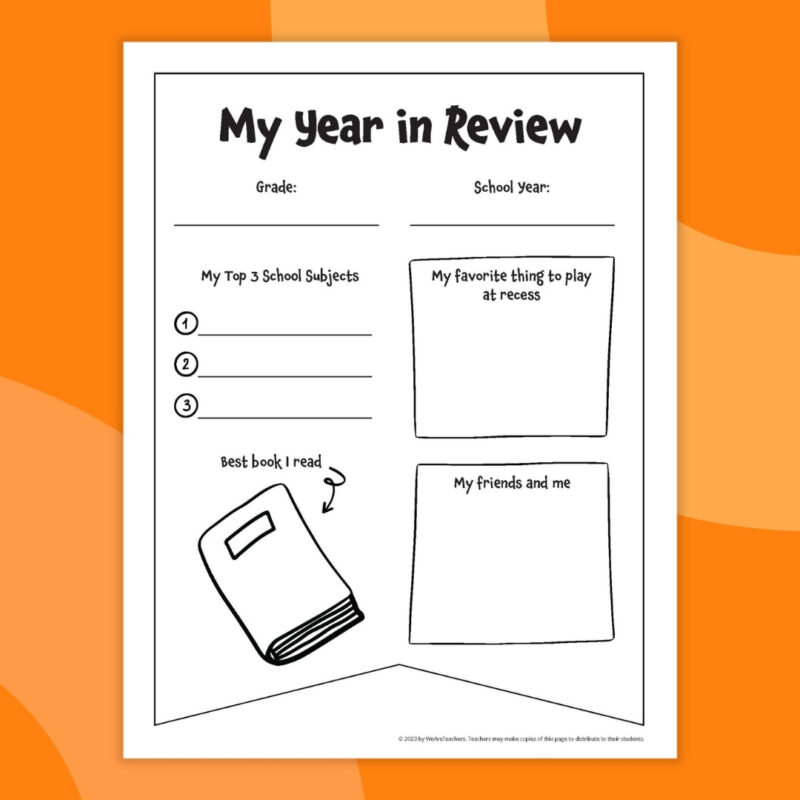
The Year in Review: A Metacognitive Exercise
This worksheet functions as a simplified portfolio. It encourages students to identify their favorite lessons, the friends who supported them, and the areas where they showed the most improvement. By asking students to provide photos or drawings, the activity caters to multiple intelligences, ensuring that visual and kinesthetic learners are as engaged as those with strong linguistic skills.
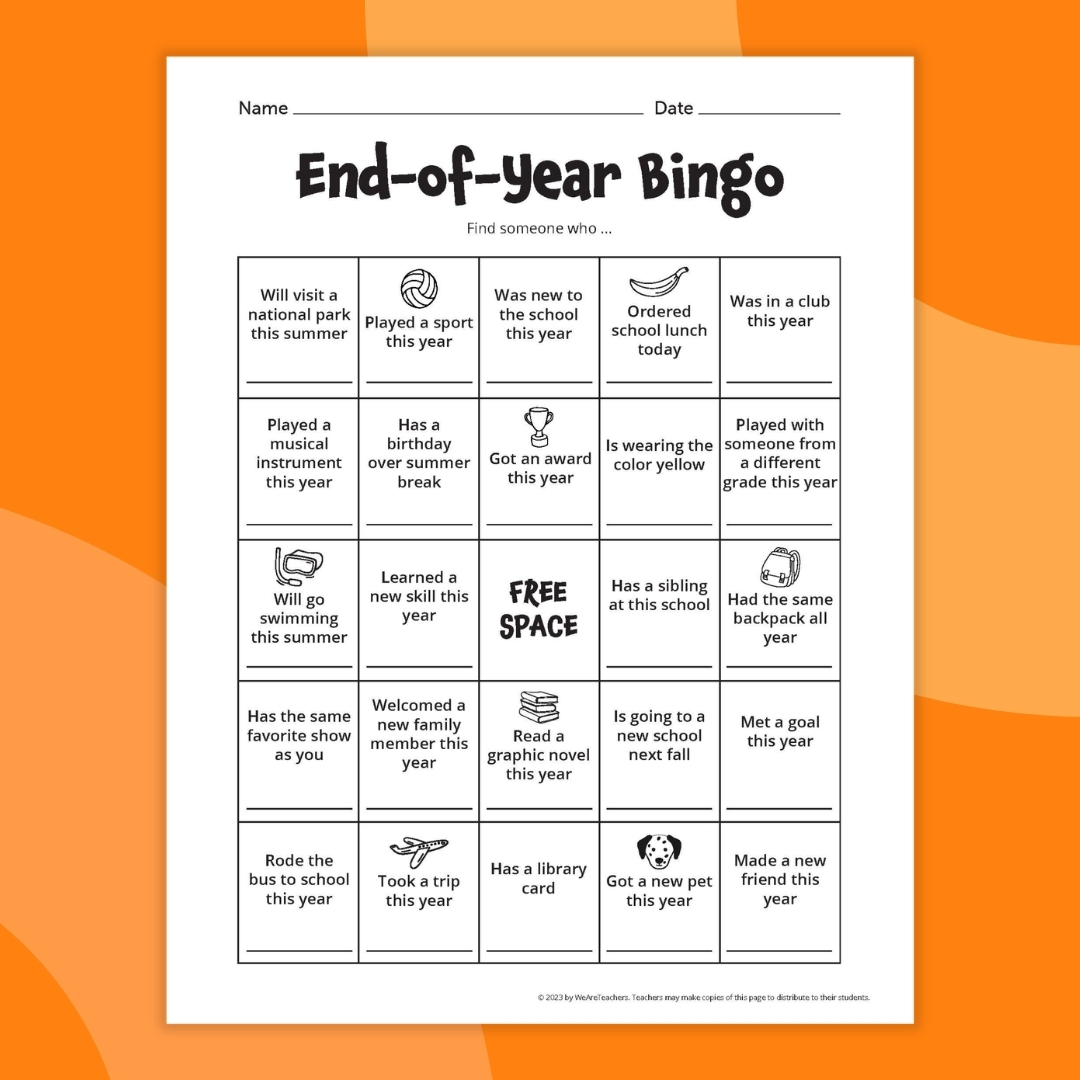
Social Connectivity Through End-of-Year Bingo
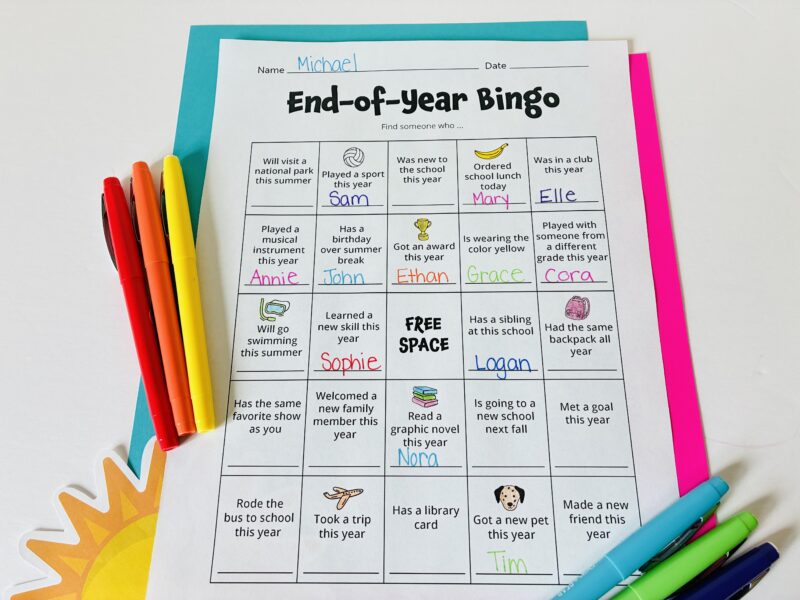
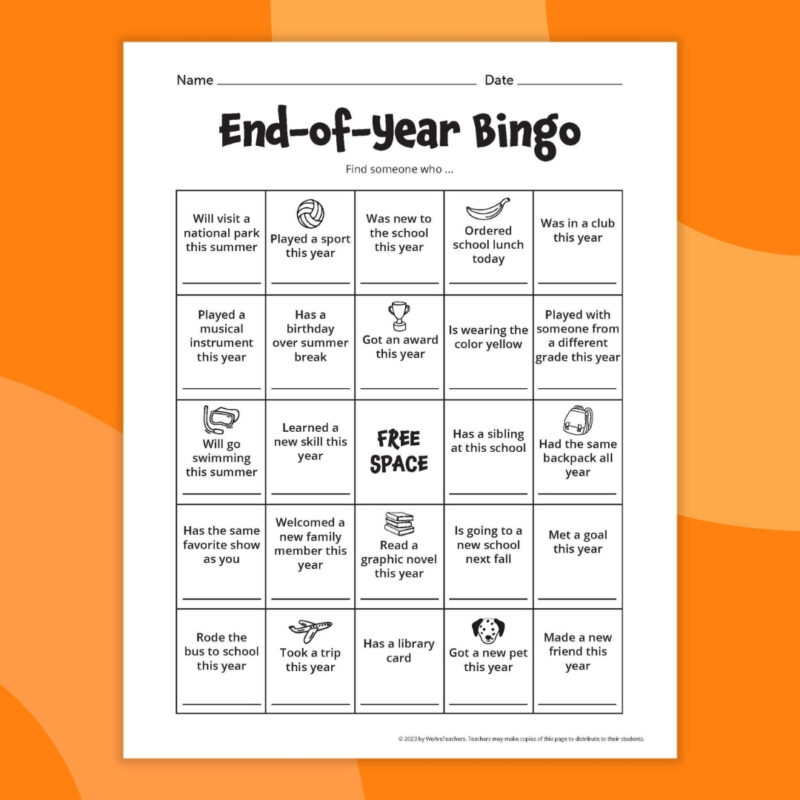
Gamification remains one of the most effective ways to maintain engagement in a high-distraction environment. The End-of-Year Bingo activity is designed to facilitate peer interaction. Unlike early-year "Icebreaker" Bingo, this version relies on shared history. Students must find classmates who shared specific experiences—such as a specific field trip or a funny classroom moment—thereby reinforcing the collective identity of the group.
The Mini-Yearbook: Ensuring Social Equity
In many school districts, the cost of a formal yearbook can be prohibitive for some families, leading to a sense of exclusion during the traditional "yearbook signing" day. The Mini-Yearbook printable provides a zero-cost alternative that ensures every student has a tangible memento of their classmates. This Polaroid-inspired format encourages artistic expression and personalized messaging, fostering a culture of kindness and appreciation.
Prospective Mentorship: The Letter to Future Students
Perhaps the most academically rigorous of the bundle, the "Letter to Next Year’s Students," requires students to synthesize their knowledge of classroom expectations, favorite books, and successful study habits. For the teacher, these letters are invaluable data points that can be displayed on the first day of the new school year to alleviate the "first-day jitters" of incoming students.
Addressing the "Summer Slide" and Learning Loss
One of the primary concerns for educators and administrators during the transition to summer is the phenomenon known as "summer learning loss." Statistics from the Brookings Institution indicate that students can lose between 25% and 30% of their school-year learning over the summer months, with the impact being most pronounced in mathematics and among students from lower-socioeconomic backgrounds.
The "Summer Bucket List" and "Summer Word Search" printables are strategically included to counteract this trend. By encouraging students to include "reading" and "learning" as part of their summer goals, educators are subtly reinforcing the idea that learning is a lifelong pursuit rather than a seasonal obligation. The bucket list format allows students to take agency over their own education, selecting topics of interest that they wish to explore independently during the break.
Institutional and Administrative Perspectives
From an administrative standpoint, the final days of school present unique logistical challenges. Teachers are often tasked with closing out classrooms, finalizing grades, and attending end-of-year meetings while simultaneously supervising students. The "print-and-go" nature of these worksheets is a response to the documented "teacher burnout" that peaks in May and June.
"The end of the year is a marathon for teachers," states a representative from a leading teacher advocacy group. "Having high-quality, pre-made resources that are pedagogically sound allows teachers to focus on the emotional needs of their students without having to spend hours on lesson planning during an already over-scheduled period."
The efficiency of these resources also supports specialists—such as speech therapists, reading interventionists, and special education teachers—who may see students in smaller groups for shorter durations. These printables provide a cohesive experience that mirrors what is happening in the general education classroom, ensuring a sense of belonging for all students regardless of their instructional track.
Impact on Social-Emotional Learning (SEL) and Transition Anxiety
Modern educational standards have placed an increased emphasis on Social-Emotional Learning (SEL). The end of a school year is a period of "micro-grief" for many children. The bond between a student and their teacher, and the stability provided by a daily routine, are significant components of a child’s mental health.
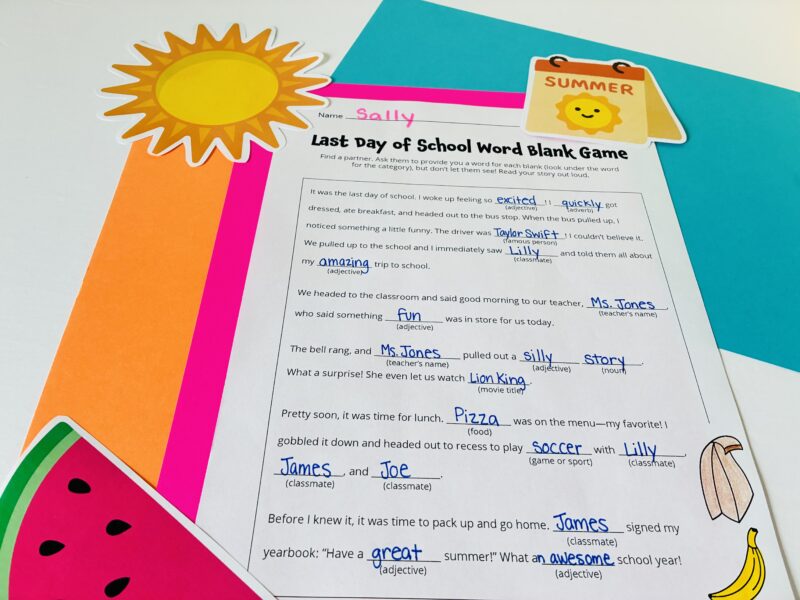
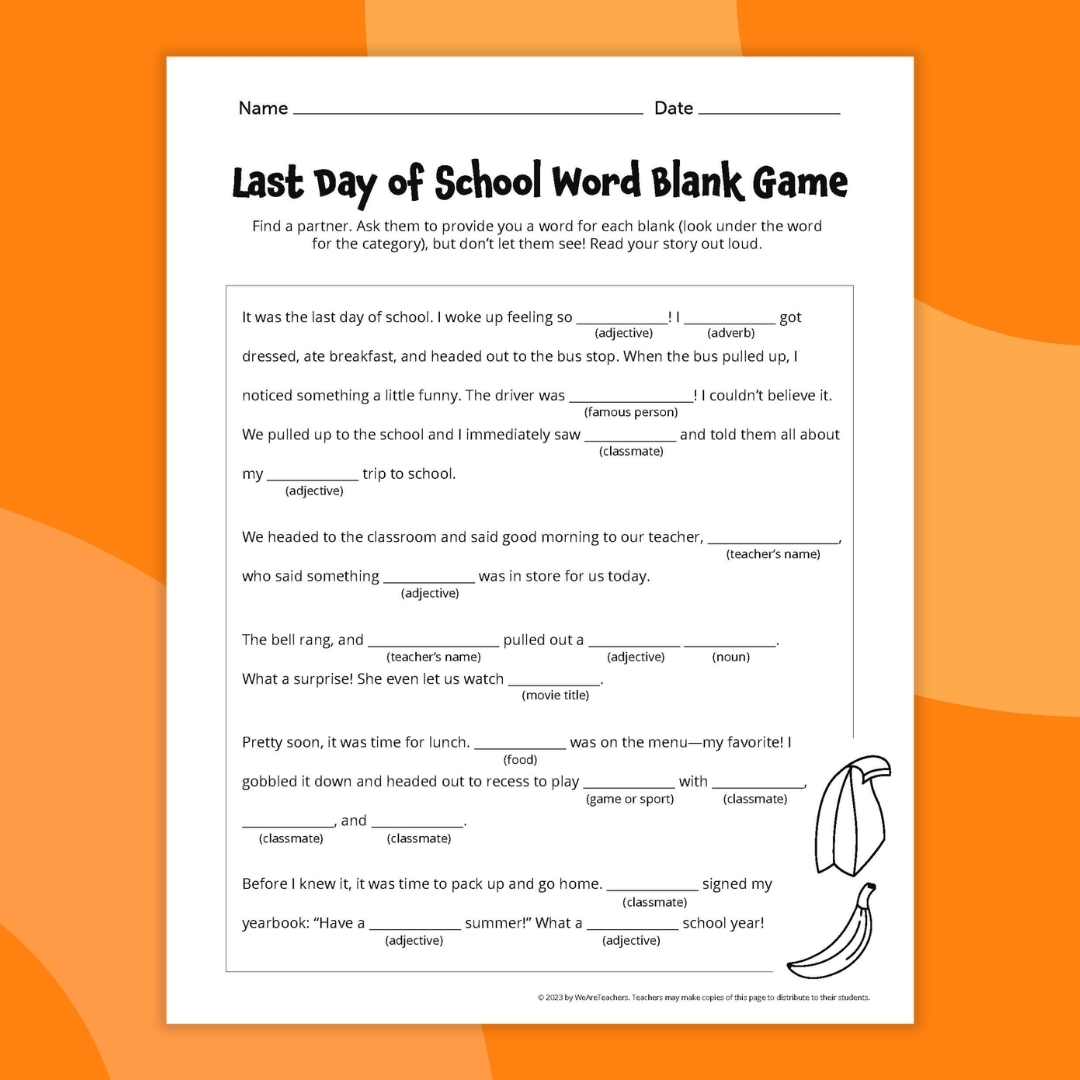
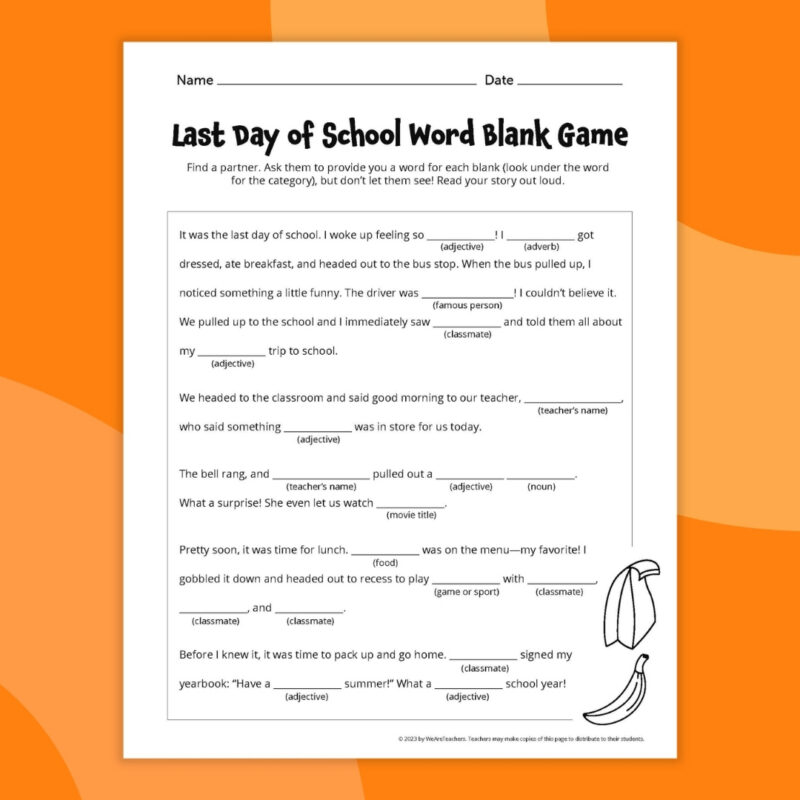
The reflective nature of these worksheets provides a "soft landing" for students who may be anxious about the upcoming change. By documenting their achievements and planning for the future, students regain a sense of control over their environment. The "Word Blank Game," for instance, uses humor to diffuse tension, allowing students to laugh together one last time before parting ways.
Conclusion and Broader Implications
The use of structured end-of-year printables represents a broader shift in education toward holistic student development. By prioritizing reflection, community, and transition planning, educators are ensuring that the final days of school are not merely "wasted time," but rather a foundational period that prepares students for the next stage of their academic journey.
As school districts continue to evaluate the effectiveness of their year-end protocols, the integration of these reflective tools is likely to become a standardized practice. The data suggests that a well-managed conclusion to the school year leads to higher student satisfaction, better retention of social bonds, and a more positive outlook on the upcoming academic year. In an era where student mental health and academic recovery are of paramount importance, these simple yet effective tools serve as an essential component of the modern educational toolkit. By fostering a culture of reflection, educators are teaching students one of the most valuable lessons of all: that every ending is an opportunity for growth and a precursor to a new beginning.