
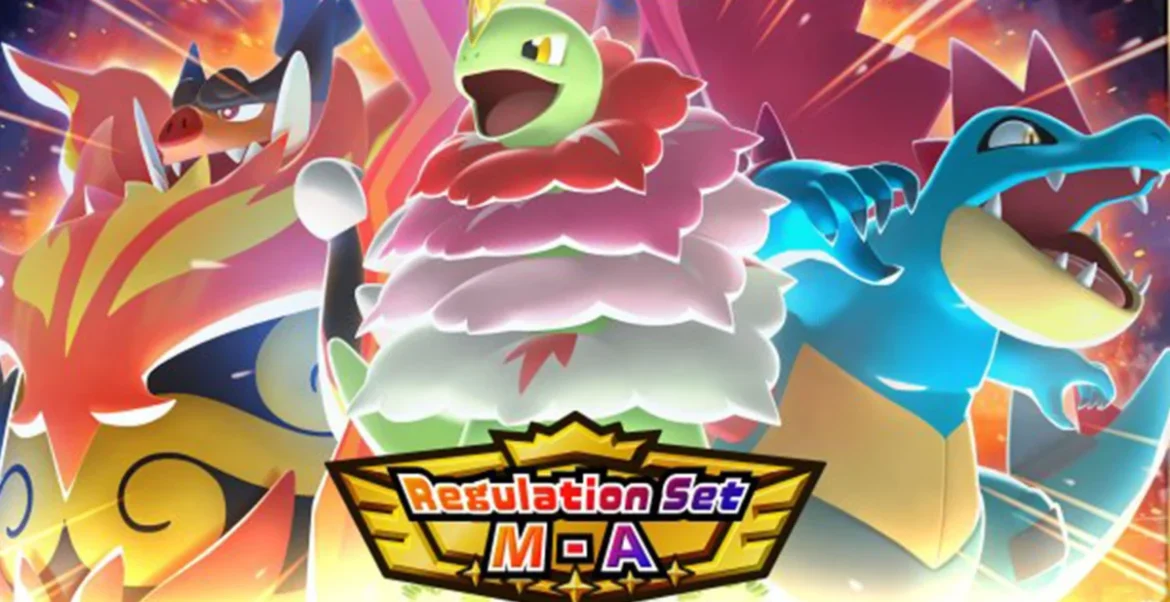
The introduction of the highly anticipated Champion Tier in Pokémon Champions Ranked Battle Season M-1 has ignited a wave of criticism from the game’s elite competitive community. While the update, which went live on April 14, was intended to provide a pinnacle for the world’s most dedicated trainers, the actual rewards for achieving this prestigious rank have been labeled as underwhelming and insufficient. As players cross the threshold into the top 300 global rankings, many find that the tangible benefits of their labor do not align with the significant effort required to reach the summit of the competitive ladder.
The controversy centers on the specific distribution of Victory Points (VP) and the nature of the commemorative markers awarded to those who reach the Champion Tier. According to data retrieved from the latest patch notes and confirmed by players who have already ascended to the rank, the immediate reward for breaking into the Champion Tier is a mere 1,000 VP. In addition to this currency, players receive a toggleable in-game title that displays "Champion" next to their name during matches. However, the absence of a traditional "Ribbon"—a permanent digital mark attached to a Pokémon’s data—has left many feeling that their achievement lacks the longevity and cross-platform utility that has defined the franchise for decades.
The Mechanics of the Champion Tier and Season M-1
Ranked Battle Season M-1 represents a pivotal moment for Pokémon Champions, serving as the inaugural high-stakes competitive window for the title. The ranking system is structured to filter players through several traditional stages, including the Beginner, Great Ball, Ultra Ball, and Master Ball tiers. However, the Champion Tier is a distinct addition, functioning as an "Elite 300" bracket. To qualify for this tier, a player must not only reach the Master Ball rank but also maintain a rating high enough to place them within the top 300 active players globally.

This requirement places an immense amount of pressure on the player base. Unlike lower tiers where progression is largely a matter of win-loss ratios and consistent play, the Champion Tier requires a mastery of the current "meta-game," precise team building, and an exhaustive time commitment to defend one’s position against thousands of other aspiring trainers. Because the ranking is dynamic, a player can be bumped out of the Champion Tier if their global standing drops to 301 or lower, making the grind a continuous process rather than a one-time milestone.
A Detailed Breakdown of the Reward Structure
To understand the frustration of the community, it is necessary to examine the reward hierarchy of Pokémon Champions. The game utilizes Victory Points (VP) as its primary competitive currency, which players use to purchase high-level battle items, specialized Poké Balls, and cosmetic enhancements for their avatars and secret bases.
The rewards are split into two categories: immediate promotion rewards and end-of-season rewards. When a player first hits the Champion Tier, they receive:
- 1,000 VP (Immediate delivery)
- The "Champion" toggleable title
At the conclusion of Season M-1, players will receive a secondary payout based on their final standing. For those who finish the season within the Champion Tier, the rewards are:

- 20,000 VP
- 10x Gold Bottle Caps (estimated based on previous seasonal trends)
- 3x Ability Patches
While the cumulative 21,000 VP is a substantial sum in isolation, critics argue that it is mathematically inconsistent with the rewards offered at lower tiers. For instance, players in the Master Ball tier—which accommodates a much larger percentage of the population—receive 15,000 VP at the end of the season. The 5,000 VP difference between a Master Ball rank and a world-class Champion rank is viewed by many as a negligible incentive for the hundreds of additional hours required to maintain a top 300 spot.
The Prestige Gap: Titles versus Ribbons
One of the most significant points of contention is the decision to use a "Title" rather than a "Ribbon." In the broader Pokémon ecosystem, Ribbons are highly coveted because they are permanently "etched" into a Pokémon’s individual data. Historically, Ribbons earned in competitive play could be viewed in Pokémon HOME, a cloud-based service that allows players to transfer their creatures across different games in the series, such as Pokémon Scarlet, Pokémon Violet, and future generations.
By awarding a toggleable title instead of a Ribbon, The Pokémon Company has effectively localized the achievement to the Pokémon Champions software. This means that if a player decides to transfer their winning team to a different game or archive them in Pokémon HOME, there is no digital proof of their "Champion" status. For "Ribbon Hunters"—a dedicated subculture of players who attempt to collect every possible mark on a single Pokémon—this is a significant deterrent. The lack of HOME integration suggests that the Champion Tier achievement is ephemeral, existing only as long as the specific game remains active and the player chooses to display the title.
Community Backlash and Social Media Reactions
The reaction across social media platforms like Reddit, X (formerly Twitter), and various Discord servers has been overwhelmingly negative. On the r/PokemonChampions subreddit, a thread discussing the rewards gained thousands of upvotes within hours of the tier going live. Users have described the 1,000 VP initial reward as a "slap in the face" and a "token gesture" that fails to respect the player’s time.

"You are asking us to be among the 300 best players in the world," wrote one prominent competitive player on X. "In any other e-sport, that level of skill would be met with exclusive cosmetics, unique skins, or at the very least, a permanent mark of excellence. A title that I can’t even take with me to the next game is not a reward; it’s a temporary lease on bragging rights."
Interestingly, a small segment of the community has expressed a sense of relief regarding the lackluster rewards. These players, largely categorized as "casual" or "semi-competitive," noted that because the rewards are not game-breaking or overly exclusive, they do not feel a "Fear Of Missing Out" (FOMO) for failing to reach the top 300. This perspective suggests a divide in the player base: while the elite feel undervalued, the general population feels less pressured to engage in an unhealthy level of grinding.
Broader Implications for the Competitive Scene
The disappointment surrounding the Champion Tier rewards raises questions about the long-term sustainability of the Pokémon Champions competitive scene. Competitive gaming thrives on a "carrot-on-a-stick" philosophy, where the difficulty of a task is balanced by the desirability of the reward. If the pinnacle of achievement is viewed as "inconsequential," top-tier players may migrate to other titles or return to the standard VGC (Video Game Championships) format played on the main-series Nintendo Switch games.
Furthermore, this situation highlights a growing tension between game developers and the expectations of a modern digital audience. In an era where "digital ownership" and "cross-play progression" are standard expectations, localized rewards that do not translate across an ecosystem can feel dated. If Pokémon Champions intends to remain a staple of the e-sports circuit, analysts suggest that The Pokémon Company may need to revisit its reward structure in future seasons.

Potential for Future Adjustments
There is precedent for developers to adjust reward tiers based on community feedback. In previous Pokémon iterations, seasonal rewards have been buffed mid-season to encourage participation. Industry insiders speculate that The Pokémon Company may introduce a special "Champion Ribbon" in a future update or increase the end-of-season VP payout to better reflect the prestige of the rank.
Until such changes occur, the Champion Tier remains a controversial subject. For the 300 players who currently hold the rank, the title of "Champion" serves as a testament to their skill, but the digital coffers they hoped to fill remain lighter than expected. As Season M-1 continues, the focus shifts to whether the prestige of being a top-ranked trainer is enough to sustain the competitive drive in the absence of more substantial material rewards.
For now, the Pokémon Champions community remains in a state of watchful waiting, hoping that the developers will acknowledge the "lackluster" nature of the current system and provide a reward truly fit for a world-class Champion.