
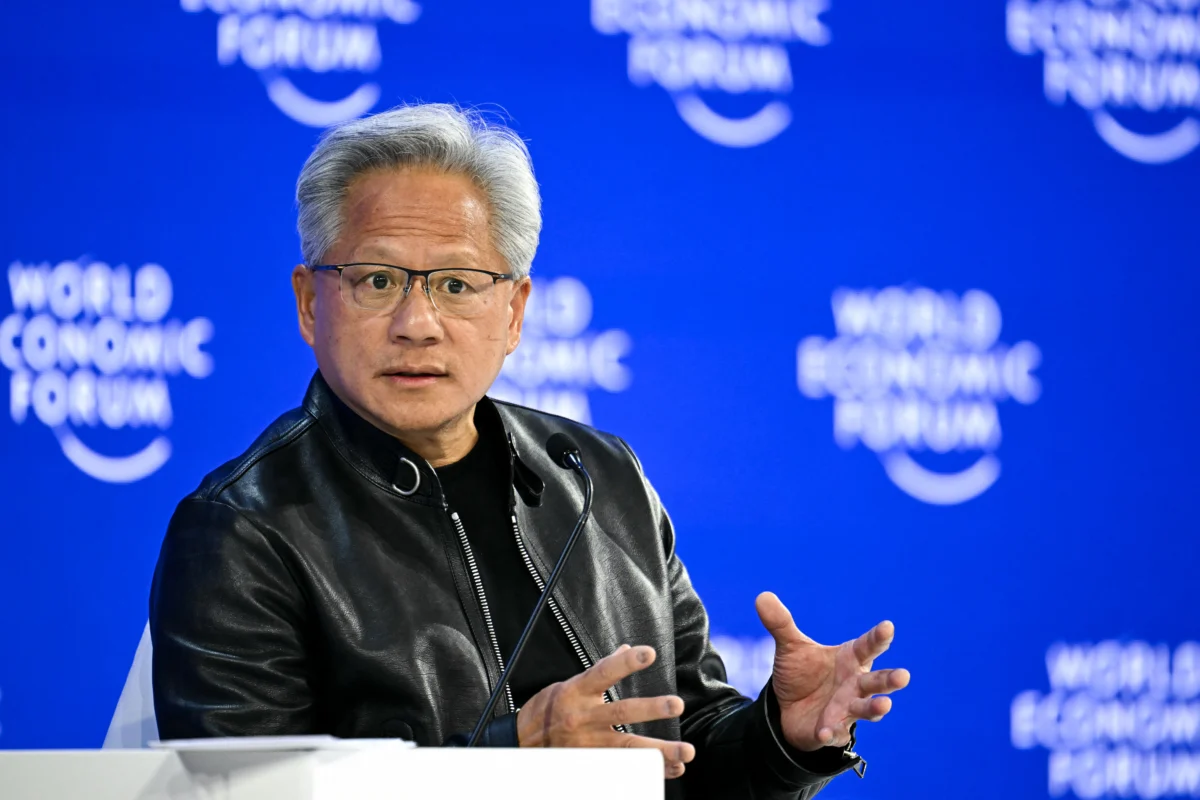
The intersection of high-stakes technology and executive governance collided in an unprecedented fashion this week during the All-In Summit, where Nvidia CEO Jensen Huang received an unscheduled phone call from President Donald Trump while on stage. The exchange, which was broadcast to the live audience, underscored the tightening alliance between the current administration and the leadership of the artificial intelligence sector, while simultaneously highlighting the growing friction between national economic ambitions and localized grassroots opposition to the infrastructure required to power the AI revolution.
The event, hosted by prominent venture capitalists Chamath Palihapitiya, Jason Calacanis, David Friedberg, and David Sacks, served as a backdrop for a broader discussion regarding the future of computational supremacy. The interruption by the President occurred as the panel was debating the merits of slowing down AI development—a position recently advocated by Anthropic CEO Dario Amodei, and one that has garnered support from industry titans such as Elon Musk and Sam Altman.
A High-Stakes Interruption
The logistics of the call were chaotic, with Huang attempting to coordinate with stagehands to secure a microphone capable of capturing the audio for the audience. Amidst the technical shuffling, President Trump offered a lighthearted jab at the Nvidia CEO’s command of the speakerphone, noting, "The great thing about life is Jensen can develop the most complex computer chip in the world, but he can’t figure out how to put you on speaker."
Once the connection was stabilized, the conversation shifted rapidly toward the geopolitical implications of artificial intelligence. Addressing the panel’s earlier discourse on the potential risks of rapid AI acceleration, President Trump dismissed the caution as a manufactured hurdle. "They’re just playing right in the hands of a lot of people that don’t want to see it happen," the President stated. "That could be political people. It could also be China. And we’re not going to let that happen. It’s a hoax."
Huang, appearing to align with the administration’s stance, responded in kind, affirming, "You’re right. We’re not going to let that happen, sir." The exchange drew significant applause from the summit attendees, signaling a robust consensus among the venture capital elite regarding the necessity of prioritizing American dominance in the sector over precautionary pauses.
The Conflict Over Infrastructure
The rhetoric regarding a "hoax" echoes a narrative pushed by figures such as Y Combinator CEO Garry Tan, who has framed the growing local opposition to data center construction as a coordinated effort to stifle American progress. However, the data suggests that the pushback is rooted in tangible, localized concerns rather than high-level geopolitical conspiracies.
According to recent polling from Gallup, approximately 70% of Americans express opposition to the construction of large-scale data centers in their communities. The primary drivers for this resistance are multifaceted:
- Environmental Impact: Over 50% of respondents identified the strain on natural resources, particularly electricity and water, as their primary concern.
- Quality of Life: Roughly 20% of respondents cited concerns regarding potential cost-of-living increases, noise pollution, and the general disruption to local community dynamics.
- Utility Infrastructure: In states like Virginia and Arizona, where data center density is at its peak, local government officials have faced intense pressure from constituents regarding the rapid depletion of power grid capacity.
These statistics suggest that while the White House and the tech industry view the build-out as a strategic imperative for national security, the public is increasingly viewing these facilities as detrimental to their immediate environment.
Chronology of the AI Acceleration Debate
The current tension is the culmination of a debate that has simmered for several years.
- Early 2024: Industry leaders began to publicly grapple with the "safety vs. speed" dilemma. While companies like OpenAI and Anthropic began advocating for more stringent regulatory frameworks, Nvidia continued to ramp up production of high-performance GPUs, citing massive global demand.
- Mid-2025: The federal government intensified its focus on AI as a critical component of national infrastructure. The appointment of White House advisers like David Sacks signaled a shift toward a more aggressive, deregulation-heavy approach to tech policy.
- Late 2025 – Early 2026: Public resistance to "server farms" reached a fever pitch in suburban and rural districts, leading to legislative efforts in states like Massachusetts to impose stricter environmental regulations on data centers.
- Present Day: The President’s intervention during the All-In Summit marks the first time the executive branch has directly weighed in on the private-sector debate regarding AI "pacing" during a public event.
Official Responses and Strategic Implications
While the White House has yet to issue a formal press release regarding the specific conversation between the President and Huang, the messaging from the administration remains consistent. The President’s pledge to "lead" and his assertion that the government would not allow the industry to be stopped suggest that the administration may move to override local zoning ordinances or expedite federal permitting for data centers in the coming months.
Industry analysts suggest this could lead to a significant showdown between federal authorities and municipal governments. If the administration classifies AI data centers as "critical national security infrastructure," they may attempt to invoke emergency powers to bypass the environmental and local planning reviews that have currently slowed or halted several projects nationwide.
From an economic perspective, the support from the White House provides Nvidia and its partners with significant political cover. By framing the expansion of computing power as a defense against foreign rivals, the administration is effectively neutralizing the "safety-first" arguments used by the proponents of an AI moratorium.
Broader Economic Impact
The implications of this alignment are far-reaching. For investors, the endorsement provides a level of certainty that has been absent during the recent wave of regulatory scrutiny. For the public, the path forward appears increasingly fraught with conflict between the pursuit of technological hegemony and the protection of local quality of life.
The debate also touches upon the sustainability of the current AI boom. As energy consumption from data centers continues to climb, the industry will need to reconcile its demand for power with the realities of aging national grids. If the administration continues to push for rapid expansion without addressing the underlying infrastructure concerns, it risks alienating a significant portion of the electorate that already harbors deep skepticism toward the rapid deployment of AI hardware.
Furthermore, the involvement of high-profile venture capitalists in the political process signifies a shift in how Silicon Valley interacts with Washington. The days of "move fast and break things" have evolved into a more sophisticated, albeit controversial, strategy of deep political integration. By hosting high-level government officials and facilitating direct lines of communication between them and tech CEOs, the venture capital class is positioning itself as the central gatekeeper of the next era of industrial policy.
As the administration prepares for the next fiscal year, the narrative of "AI as a national security necessity" is expected to remain the centerpiece of its technological agenda. Whether this strategy will succeed in overcoming the mounting local opposition remains one of the most pressing questions in American politics today. For now, the takeaway from the All-In Summit is clear: the federal government is fully committed to the rapid, unfettered expansion of artificial intelligence infrastructure, regardless of the cultural or environmental pushback that may follow.

