
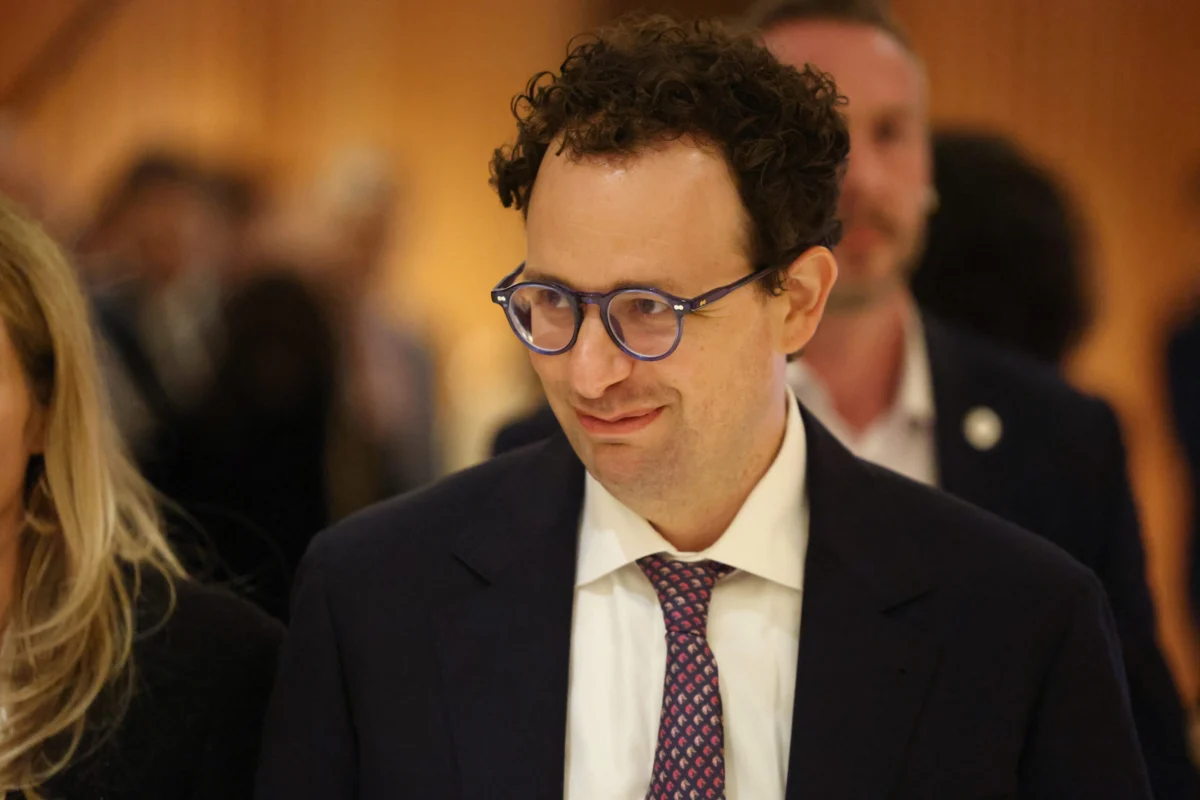
The intersection of artificial intelligence policy and executive power is reaching a critical inflection point as Anthropic CEO Dario Amodei prepares for a high-profile, one-on-one dinner with President Donald Trump at the White House. This meeting, which takes place on the evening of September 27, 2026, marks the first direct dialogue between the leader of one of the world’s most influential AI research labs and the President, occurring against a backdrop of significant ideological friction regarding the future of machine intelligence. The event comes at a time of peak visibility for Amodei, who was recently the subject of a satirical sketch on the season premiere of Saturday Night Live, underscoring the extent to which AI development has transitioned from a niche technical concern to a central pillar of American pop culture and geopolitical discourse.
A Chronology of Growing Friction
The invitation to the White House is not merely a social engagement but a pivotal moment in a relationship defined by regulatory battles and public disagreements. To understand the gravity of this meeting, one must look at the recent timeline of the uneasy relationship between Anthropic and the current administration.
In early 2026, the Department of Defense delivered a blow to the AI sector by designating Anthropic as a "supply-chain risk." The classification stemmed from the company’s aggressive implementation of safety guardrails and restrictive usage policies, which federal officials argued could impede the military’s access to critical intelligence-gathering capabilities. Anthropic, maintaining that its safety protocols are essential for national security, challenged the designation in court, securing a preliminary win in August 2026. This legal victory provided a temporary reprieve, yet the underlying tension regarding the role of private corporations in setting safety standards for government-contracted technology remains unresolved.
Simultaneously, the public rhetoric has diverged sharply. Earlier this month, Amodei published a strategic roadmap detailing the necessity of "pacing" the development of frontier models. His proposal advocates for a deliberate, cautious approach to scaling, citing the existential and societal risks associated with unchecked AGI (Artificial General Intelligence). Conversely, President Trump has adopted a stance that characterizes the current regulatory push against AI as a "Democratic hoax," suggesting that the focus on safety is a veiled attempt to stifle American innovation and economic supremacy. Trump’s proposal to rebrand "Artificial Intelligence" as "Super Intelligence"—a term he believes better reflects the nation’s technological dominance—has been met with skepticism by industry analysts but highlights a fundamental divide in how the two parties approach the governance of emerging tech.
Data-Driven Context: The AI Safety Landscape
The debate between Amodei and the administration is underpinned by a massive shift in capital allocation and technological development. According to industry data, private investment in generative AI companies reached an estimated $140 billion globally in the first half of 2026 alone. Anthropic, as one of the "Big Three" in the frontier model space alongside OpenAI and Google DeepMind, controls a significant share of the compute resources currently shaping the global AI landscape.
Supporting data from recent safety benchmarks indicates that while model performance has increased by nearly 40% year-over-year, the complexity of managing these models has increased exponentially. Amodei’s advocacy for "pacing" is rooted in the "scaling hypothesis"—the theory that as models get larger, they exhibit emergent properties that are increasingly difficult to predict or control. Critics within the current administration argue that this caution creates a "capabilities gap" that adversarial nations, particularly China, could exploit. The administration’s push for "Super Intelligence" is ostensibly designed to mobilize domestic manufacturing and chip production, viewing the acceleration of AI as a national security imperative that outweighs the long-term safety concerns championed by Silicon Valley leadership.
Official Responses and Industry Sentiment
While the White House has remained tight-lipped regarding the specific agenda for the dinner, press secretaries have hinted that the President intends to discuss how the private sector can better align with national objectives. For his part, Amodei has maintained a consistent public stance: that robust safety guardrails are not a hindrance to progress but a prerequisite for the sustainable adoption of AI in critical infrastructure.

Independent analysts suggest that this dinner is an attempt at "re-alignment." The tech industry has been largely unsettled by the administration’s aggressive rhetoric, and the prospect of being labeled a supply-chain risk has made many executives wary of government contracts. Industry observers note that the meeting is likely to cover three primary areas: the future of federal AI procurement, the standardization of safety testing, and the administration’s proposed "Super Intelligence" branding initiative.
"Dario Amodei is walking a tightrope," says Sarah Jenkins, a senior policy analyst at the Tech Policy Institute. "He needs to maintain Anthropic’s reputation for safety and responsible AI development while ensuring that the company is not systematically excluded from the massive influx of government funding currently fueling the AI arms race. If he leans too hard into safety, he risks further alienation from the White House; if he pivots too far toward the President’s ‘accelerationist’ agenda, he risks losing the trust of his research base and potential institutional partners."
The Implications of the "Super Intelligence" Pivot
The administration’s push to rebrand AI as "Super Intelligence" is more than a linguistic exercise; it is an attempt to redefine the narrative. By framing the technology as a form of "intelligence" rather than "artificial" or "generated" content, the administration aims to shift the focus away from concerns about bias, deepfakes, and copyright infringement toward a narrative of national empowerment.
However, this branding has faced pushback from the scientific community. Critics argue that the term "Super Intelligence" lacks the technical nuance required to distinguish between different classes of models, potentially leading to poorly crafted legislation that fails to address the specific dangers of large-scale machine learning systems. Furthermore, the push for acceleration has raised concerns about the "alignment problem"—the challenge of ensuring that an AI’s goals remain consistent with human values. If the White House succeeds in pressuring labs to prioritize speed over safety, the window for implementing effective alignment controls could close prematurely.
Looking Toward the Future
The meeting tonight at the White House is emblematic of a broader transition. We have entered the "Integration Phase" of AI, where the technology is no longer just a product for consumers, but a component of statecraft. As the meeting concludes, the market will be looking for signals of a potential thaw in the relationship between the Pentagon and Anthropic. A successful dinner could lead to a revised framework for how the government interacts with private AI labs, potentially replacing punitive "supply-chain risk" labels with a collaborative "national partner" model.
Conversely, if the meeting results in a stalemate, it may signal an escalation in the conflict between the executive branch and the tech sector. The potential for further executive orders, increased pressure on venture capital firms to divest from "safety-first" labs, and a more aggressive push for state-run AI initiatives remains high.
For the public, the stakes are immense. The decisions made in rooms like the White House this weekend will dictate the constraints placed on the algorithms that increasingly govern our financial systems, defense infrastructure, and information ecosystems. As the industry watches, the dialogue between Amodei and Trump serves as a reminder that the path to the future of technology is as much about politics and power as it is about lines of code. The coming months will likely reveal whether this dinner was a genuine attempt at compromise or merely a tactical maneuver in a much larger, ongoing struggle for control over the digital age.

