
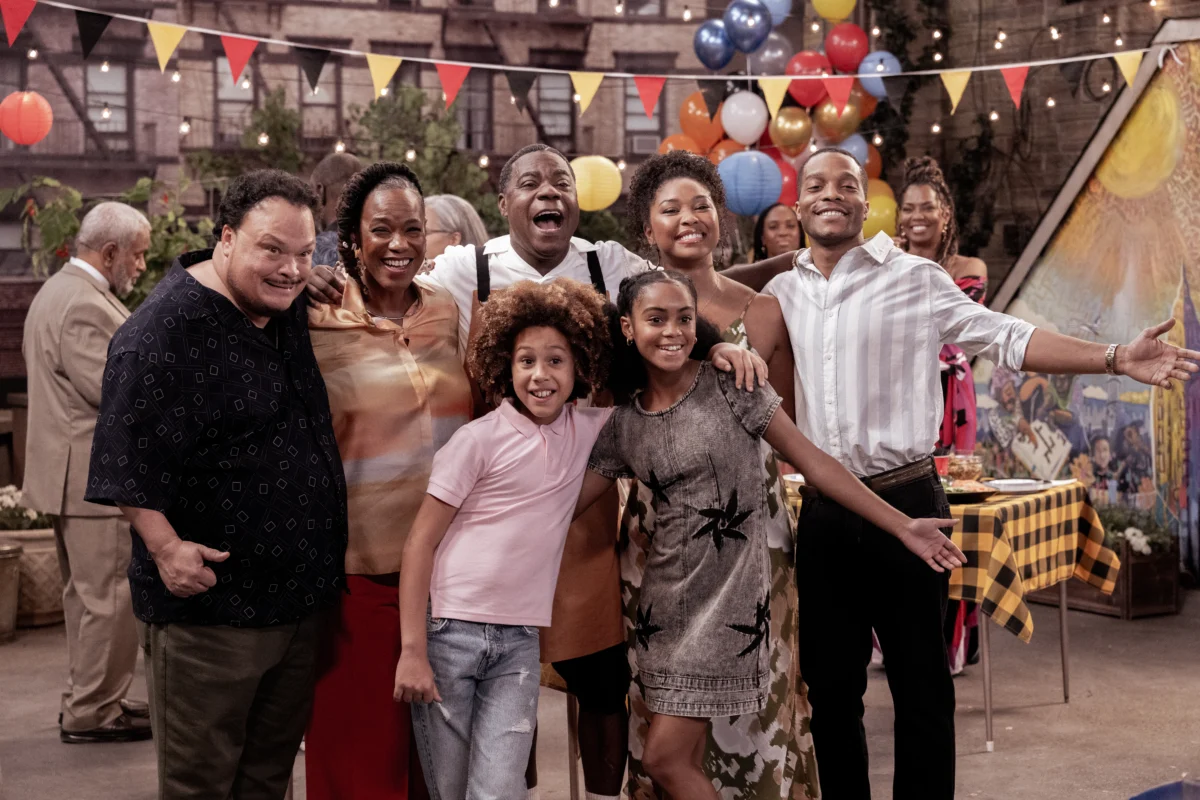
The curtain has definitively fallen on Paramount+’s multi-camera comedy series Crutch, starring the effervescent Tracy Morgan. The streamer has opted not to proceed with a second season, a decision that, while perhaps unsurgiving to industry observers, marks the end of an era for the platform’s original comedy endeavors. The eight-episode first season, a nostalgic throwback to traditional sitcom production with its live audience tapings in the fall of 2024 and subsequent release on November 3, 2025, failed to secure a renewal. This outcome was effectively sealed by the expiration of cast options at the close of last year, a procedural end to the show’s potential future.
However, the ultimate fate of Crutch, an offshoot from CBS Studios, was arguably determined much earlier in 2025, following the high-profile acquisition of Paramount by Skydance. This monumental corporate shift reverberated through the streamer’s programming strategy, signaling a recalibration of priorities.
Strategic Realignment Following Skydance Acquisition
The acquisition by Skydance marked a pivotal moment for Paramount, encompassing its film and television studios as well as the burgeoning streaming service, Paramount+. In the wake of this significant transaction, a clear directive emerged regarding the future of Paramount+’s content slate. Days after the deal’s closure, Cindy Holland, Chair of Direct-to-Consumer and the executive overseeing Paramount+, articulated the streamer’s evolving programming philosophy. In an interview discussing the platform’s strategic direction, Holland acknowledged that multi-camera comedies would no longer be a central focus. This decision was predicated on the strength of CBS’s existing library in the genre. Holland pointed out that CBS is "fantastic" in the realm of sitcoms, and crucially, all of the network’s traditional comedies are readily available on Paramount+ through next-day streaming. This effectively rendered the development of new, similar content on the platform redundant.
Crutch as a Lone Stand in a Shifting Landscape
Indeed, Crutch stood as the sole remaining original multi-camera comedy series on Paramount+. The absence of further comedy acquisitions or new series orders, coupled with the lack of a dedicated head of comedy at the streamer—though Jane Wiseman, EVP, Head of Originals, DTC, possesses a strong comedy background—underscored the platform’s strategic pivot away from the genre. This made the cancellation of Crutch a predictable consequence of a broader programming recalibration.
Tracy Morgan’s Dual Commitments and Shifting Priorities
The cancellation also casts a spotlight on Tracy Morgan’s concurrent professional trajectory. Prior to the decision on Crutch‘s future, Morgan had already committed to another significant project. In March 2025, he was tapped to star in an NBC pilot developed by the esteemed creative duo Tina Fey and Robert Carlock, known for their groundbreaking work on 30 Rock. This pilot eventually evolved into the series The Fall and Rise of Reggie Dinkins. Initially, Morgan’s involvement in the NBC series was in a "second position" capacity, meaning it was contingent on Crutch‘s renewal. However, by the time the renewal window for Crutch season two opened in May 2026, the NBC project had already secured his primary commitment. The lapse of his Crutch option effectively placed him in "first position" for the NBC series, further solidifying his departure from the Paramount+ show. The other cast members of Crutch have also, predictably, moved on to pursue new opportunities, a standard practice in the television industry when a series concludes.
Critical Acclaim and Creative Pedigree
Despite its short lifespan, Crutch garnered significant critical attention. The series was executive produced by Cedric the Entertainer and Eric C. Rhone, and created by Owen Smith, who also served as executive producer and showrunner. Notably, Crutch achieved a rare distinction in the competitive television landscape: a 100% rating on Rotten Tomatoes. This critical acclaim is a testament to the quality of its writing, performance, and production, even as it failed to translate into renewed network interest.
The premise of Crutch was rooted in the universe of the CBS original comedy The Neighborhood. The series centered on Francois "Frank" Crutchfield, affectionately known as "Crutch," portrayed by Tracy Morgan. Crutch was depicted as a boisterous yet deeply cherished shop owner in Harlem. His life took an unexpected turn when his intellectually inclined son and his free-spirited daughter made the decision to move back into the family home, creating a dynamic blend of generational humor and familial challenges.
The ensemble cast alongside Morgan included talented actors such as Jermaine Fowler, Kecia Lewis, Adrianna Mitchell, Adrian Martinez, Braxton Paul, and Finn Maloney. The executive producing team also featured Aaron Kaplan for Kapital Entertainment, Wendi Trilling for TrillTV, Mike Mariano, and Tracy Morgan himself, underscoring the collaborative effort behind the production.
The Broader Implications for Streaming Comedy
The cancellation of Crutch is indicative of a larger trend in the streaming industry. As platforms mature and face increasing pressure to demonstrate profitability, they are often forced to make difficult decisions about content investment. For Paramount+, the acquisition by Skydance has served as a catalyst for a more focused and potentially more financially sustainable programming strategy. The emphasis on leveraging existing successful intellectual property and established network strengths, as seen with CBS’s comedy library, suggests a move away from experimental or niche original productions in favor of content with a clearer path to audience engagement and a stronger perceived return on investment.
The multi-camera sitcom format, while having a dedicated fanbase, is also a more expensive production model compared to single-camera comedies or unscripted content. The live audience requirement, set design, and multiple camera setups contribute to higher production costs. In an environment where every dollar is scrutinized, platforms may be increasingly hesitant to invest heavily in this traditional format, especially when established, cost-effective alternatives are readily available.
Furthermore, the success of shows like The Neighborhood on CBS suggests that the traditional network model, with its built-in audience and advertising revenue, may still be the most viable ecosystem for multi-camera comedies. Streaming services, on the other hand, are increasingly focusing on high-concept dramas, franchise extensions, and reality programming that can drive subscription numbers and generate buzz.
The industry is also observing a consolidation of talent. With Tracy Morgan’s move to a promising NBC series, it highlights how actors, especially those with established careers, often have multiple irons in the fire and will gravitate towards projects with greater perceived longevity and creative opportunity. This dynamic further complicates the renewal calculus for streaming shows, as a breakout performance can quickly lead to an actor being courted by other networks or streamers.
In conclusion, the discontinuation of Crutch is more than just the end of a single series. It represents a strategic inflection point for Paramount+ and offers a glimpse into the evolving economics and creative priorities of the streaming landscape. While the show’s critical success is noteworthy, it ultimately could not overcome the broader corporate and programming shifts that have reshaped the streamer’s identity and future direction. The era of Crutch on Paramount+ has concluded, leaving a void in the streamer’s original comedy offerings and underscoring the competitive and ever-changing nature of the entertainment industry.

