
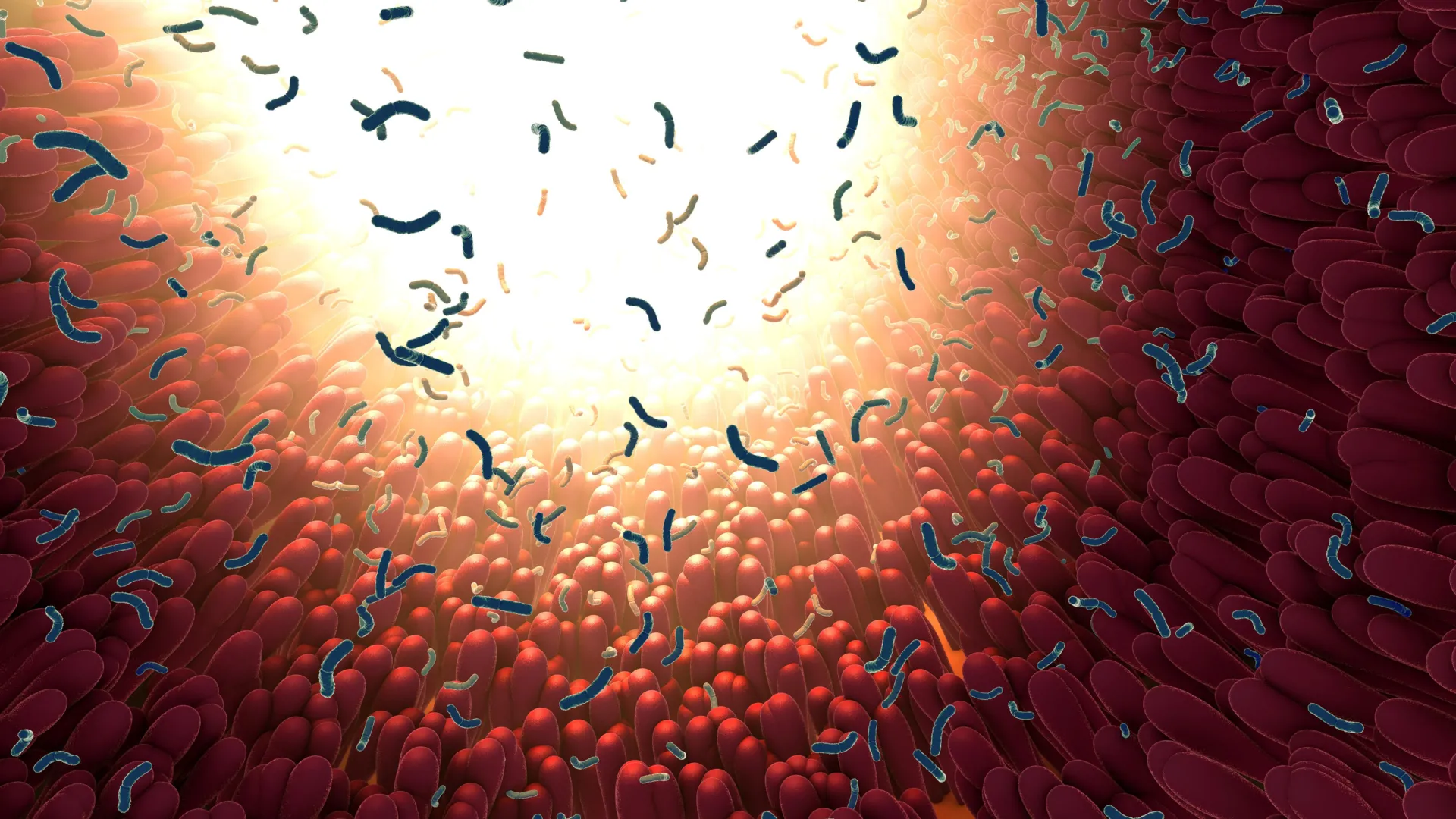
Commonly used sweeteners can directly interfere with the growth of bacteria that help support a healthy gut, according to laboratory research from the University of Cambridge. This groundbreaking study challenges the long-held assumption that these additives are biologically inert and highlights potential, previously unacknowledged interactions within the complex ecosystem of the human digestive system. The findings, published in Molecular Systems Biology, indicate that sweeteners may not be as harmless as widely perceived, particularly when consumed in combination with other substances commonly found in food, beverages, and medications.
The research team, led by Professor Kiran Patil from the Medical Research Council (MRC) Toxicology Unit at the University of Cambridge, and Dr. Sonja Blasche, a lead author of the study, conducted a series of in-vitro experiments to assess the impact of numerous sweeteners on a range of gut bacteria. Their investigation delved into whether these widely consumed substances could directly influence the proliferation and survival of microbial species crucial for digestive health, immune function, and metabolic regulation.
A Deep Dive into Sweetener-Microbe Interactions
Sweeteners are ubiquitous in modern diets, present in an extensive array of products ranging from diet sodas and sugar-free candies to breakfast cereals, snacks, and even some over-the-counter medications. They are typically promoted as healthier alternatives to sugar, offering sweetness with fewer calories or no impact on blood glucose levels. However, a growing body of epidemiological research has observed correlations between regular sweetener consumption and increased risks of conditions such as type 2 diabetes, obesity, and certain types of cancer. While these associations do not establish causality, they have spurred scientific inquiry into the underlying biological mechanisms.
The gut microbiome, a vast and complex community of trillions of microorganisms residing in the digestive tract, has emerged as a key area of focus. These microbes play a pivotal role in numerous bodily functions, including the breakdown of food, the synthesis of essential vitamins, the training of the immune system, and the regulation of metabolism. Disruptions to the delicate balance of this microbial ecosystem, often referred to as dysbiosis, have been implicated in a wide range of health issues. Despite the widespread use of sweeteners and the increasing understanding of the microbiome’s importance, direct scientific investigation into how sweeteners interact with individual gut bacteria has been limited.
Professor Patil articulated the rationale behind the study, stating, "Most of what we know about the potential impact of sweeteners on our health comes from animal research or from population studies. While these studies have indicated involvement of the microbiome in mediating the effect of sweeteners, it’s difficult to know how sweeteners act in the body—is it through direct interactions with our gut bacteria?" He further elaborated on the complexity of real-world consumption: "Answering this is further complicated by the fact that we rarely ever take sweeteners by themselves—we take them with drinks, in snacks, or even in medication to mask bitterness," added Dr. Blasche. This observation underscored the necessity of investigating sweeteners not in isolation, but within the context of common dietary and medicinal combinations.
The Experimental Design: A Comprehensive Screening
The Cambridge team embarked on an ambitious project to systematically test the effects of a broad spectrum of commercially available sweeteners on gut bacteria. Their study, published in Molecular Systems Biology, aimed to elucidate how both artificial and naturally derived low-calorie sweeteners influence bacterial growth and to determine if these effects are modified when sweeteners are encountered alongside other common dietary or medicinal compounds.
The researchers cultivated 25 distinct bacterial species in laboratory settings. This selection encompassed a diverse range of microbes, including those recognized as beneficial for digestive health, neutral commensals, and potentially pathogenic species. Each of these bacterial cultures was then individually exposed to 39 different sweeteners. This extensive panel included a wide variety of sweeteners, both natural (such as steviol glycosides) and artificial (like aspartame and sucralose), representing a significant portion of those used globally in the food and beverage industry.
The core of the experimental methodology involved meticulous monitoring of bacterial growth rates. Scientists observed how quickly each bacterial culture multiplied when exposed to the sweeteners and whether the presence of these compounds led to a reduction or complete cessation of growth. This quantitative approach allowed for a precise assessment of the direct impact of each sweetener on bacterial proliferation.
Widespread Impact: Three-Quarters of Sweeteners Showed Effects
The results of this comprehensive screening were striking. Approximately three-quarters of the tested sweeteners demonstrated an observable effect on the growth of at least one bacterial species. More significantly, several of these sweeteners were found to markedly reduce or entirely inhibit the growth of bacteria that are considered vital for maintaining a healthy digestive system. This finding directly challenged the prevailing notion that sweeteners are biologically inactive once ingested, suggesting instead that they can actively interact with the microbial inhabitants of the gut.
The implications of these findings are substantial. If common sweeteners can directly impair the growth of beneficial gut bacteria, it raises concerns about their long-term impact on gut health and overall well-being. This direct interaction implies that sweeteners are not merely inert substances that pass through the digestive tract unchanged. Instead, they can engage with the microbial community, potentially altering its composition and function.
The Synergy of Sweeteners and Other Compounds
A critical aspect of the study recognized that humans rarely consume sweeteners in isolation. Sweeteners are often found in complex formulations, co-existing with a multitude of other ingredients. For instance, a diet soda might contain caffeine and flavoring agents, while a sugar-free candy could include various food additives. Medications often incorporate sweeteners to mask the bitter taste of active pharmaceutical ingredients.
To simulate these real-world scenarios, the researchers meticulously paired the tested sweeteners with a range of other substances commonly encountered in daily life. This included caffeine, vanillin (a key component of vanilla flavor), advantame (another artificial sweetener), and crucially, eight frequently prescribed medications. This experimental approach allowed the team to investigate how the presence of these co-ingested compounds might modulate the effects of sweeteners on gut bacteria.
The analysis revealed over 100 instances where the impact of a sweetener on bacterial growth was altered when another compound was present. In 34 of these cases, the combined effect of the sweetener and the other substance was amplified, leading to a stronger inhibition or alteration of bacterial growth. Conversely, in 68 instances, the combined effect was weakened. This intricate interplay highlights that the biological consequences of consuming a sweetener may not be solely determined by the sweetener itself, but rather by the entire cocktail of substances ingested concurrently.
A Stark Warning: The Isosteviol and Duloxetine Combination
Among the numerous interactions investigated, one combination stood out for its dramatic and potent effect: the sweetener isosteviol, a derivative of stevia commonly used in the food and beverage industry, when paired with duloxetine. Duloxetine is a widely prescribed antidepressant medication used to treat depression, anxiety disorders, and certain types of chronic pain.
When isosteviol and duloxetine were combined in the laboratory experiments, they exhibited a powerful synergistic effect, leading to a sharp and significant reduction in the growth of two key bacterial species: Roseburia intestinalis and Parabacteroides merdae. Both of these species are recognized as integral members of a healthy gut microbiome and have been associated with crucial roles in digestive health, metabolic regulation, and even immune system modulation.
The widespread use of duloxetine adds a layer of concern to these findings. In the United States alone, over 4.2 million patients received prescriptions for duloxetine in 2023, underscoring the significant number of individuals who might be exposed to this potentially synergistic combination. The study’s findings suggest that the metabolic and health benefits associated with duloxetine treatment could be inadvertently undermined or altered by the presence of isosteviol, particularly in individuals who consume both regularly.
Recreating Gut Complexity: Synthetic Microbial Communities
While studying individual bacterial species in isolation can reveal direct effects, the human gut is a far more complex and dynamic environment where microbes constantly interact with each other. To better reflect these conditions, the Cambridge researchers went a step further. They constructed a simplified synthetic microbial community comprising all 25 of the previously tested bacterial species. This allowed them to observe how the sweeteners and drug combinations affected the community as a whole, rather than just isolated strains.
Within this controlled synthetic ecosystem, the team allowed the microbial community to establish and interact. Subsequently, they introduced various combinations of sweeteners and medications, including the isosteviol-duloxetine pairing. They then meticulously tracked changes in the abundance of different bacterial species, noting which ones flourished, which ones declined, and whether the overall diversity of the microbial community was maintained or diminished.
Gut Microbial Diversity Declines Under Combined Exposure
The results from the synthetic community experiments were particularly illuminating. The combination of isosteviol and duloxetine led to a notable reduction in the overall microbial diversity within the synthetic community. While the definition of an "ideal" microbiome composition can vary among individuals, a higher degree of microbial diversity is generally considered a hallmark of a resilient, healthy, and adaptable gut ecosystem. A decline in diversity can compromise the microbiome’s ability to perform its essential functions and may render it more susceptible to external perturbations.
Furthermore, this combination significantly altered the internal balance of the microbial community. Certain bacterial species were allowed to proliferate disproportionately, while others experienced a decline, disrupting the delicate equilibrium that characterizes a healthy microbiome.
Broader Health Implications Beyond Digestion
Additional experiments using these synthetic communities suggested that the changes induced by the isosteviol-duloxetine combination could have far-reaching consequences. These alterations were found to potentially increase toxicity toward certain host cells and disrupt the normal activity of cells involved in inflammatory and immune responses. This raises the intriguing possibility that interactions between sweeteners, medications, and gut microbes could extend their influence beyond mere digestion, impacting systemic health, including the immune system and inflammatory processes.
Dr. Blasche emphasized the significance of these findings: "Sweeteners are often marketed as metabolically neutral, but our study challenges this idea. We found that they can directly affect gut bacteria, particularly when mixed with other compounds such as medication and food additives. These common combinations could have unintended effects on our gut microbiome." This statement underscores a paradigm shift in understanding the role of sweeteners, moving from inert additives to potentially active modulators of biological systems.
The Caveat: Human Studies Remain Essential
Despite the compelling laboratory evidence, the researchers are keen to emphasize that their findings should not be directly extrapolated to human health outcomes without further investigation. The experiments were conducted under highly controlled laboratory conditions using isolated bacteria and synthetic communities. In the complex environment of the human digestive system, sweeteners can undergo various processes before reaching the gut microbes. They can be absorbed into the bloodstream, chemically altered by digestive enzymes, diluted by food and fluids, or even broken down by other microbes in different parts of the digestive tract.
Moreover, individual human biology plays a significant role. Factors such as a person’s unique diet, genetic makeup, existing medication regimens, and the baseline composition of their personal microbiome can all profoundly influence how sweeteners and other compounds are processed and how they interact with gut microbes.
Therefore, future research must bridge the gap between laboratory findings and real-world human health. Studies are needed to determine whether similar interactions occur in humans, at what doses these effects might become significant, and crucially, whether any observed microbial changes translate into measurable health benefits or detriments.
Professor Patil concluded with a forward-looking perspective: "Our study suggests that artificial sweeteners don’t just pass through the body passively—they can interact with gut microbes, and these effects can be amplified or altered by other substances like medications. These findings can help guide new studies towards understanding how sweeteners might influence health in unexpected ways." This call for further research signifies the beginning of a new chapter in understanding the intricate relationship between our diet, our medications, and the microbial world within us.
The research was generously funded by the European Union’s Horizon 2020 program and the UK Medical Research Council, underscoring the international commitment to unraveling complex health challenges through rigorous scientific inquiry.

