
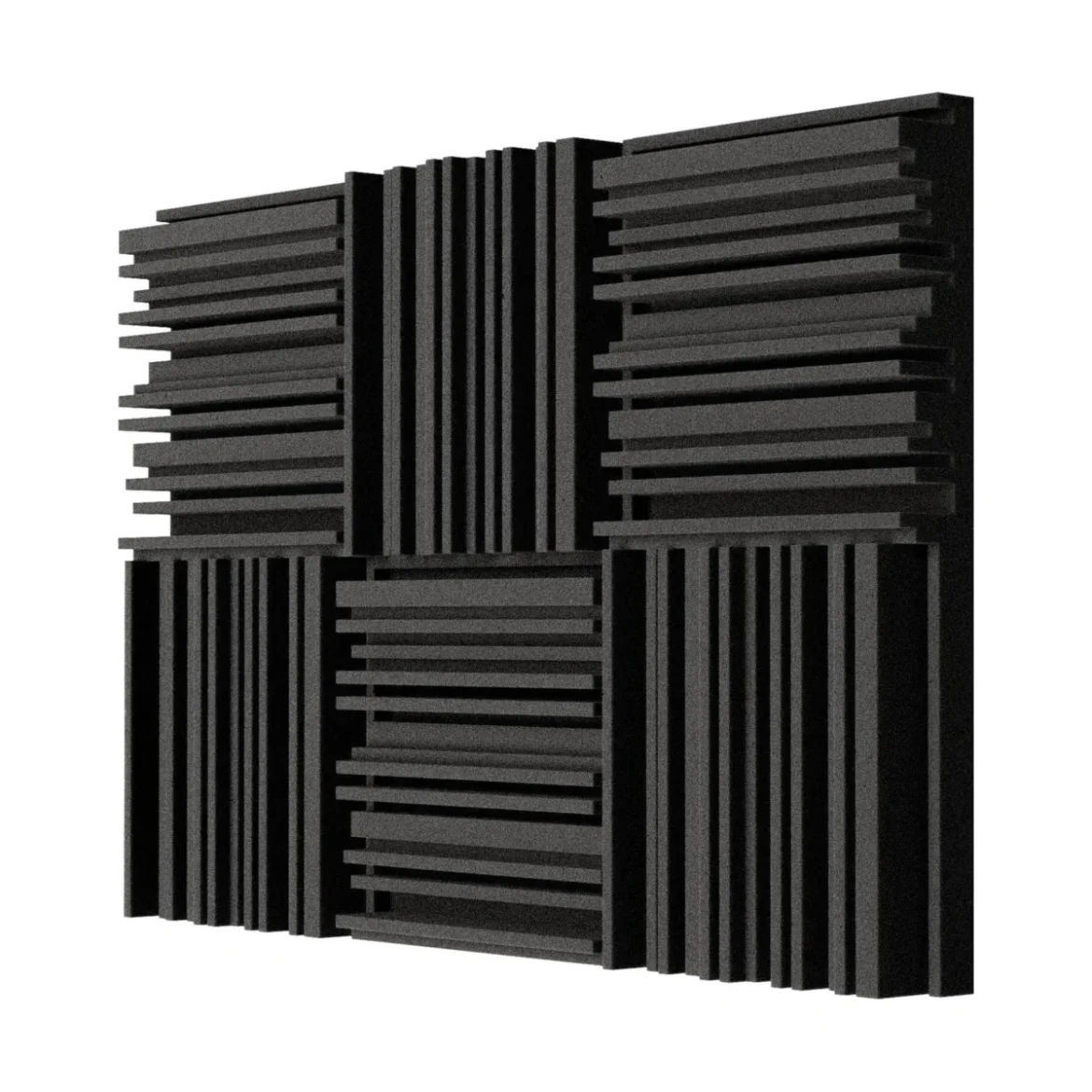
Acoustic panels, once relegated to the specialized world of recording studios and professional audio environments, are rapidly emerging as a versatile solution for everyday noise concerns. Whether you’re a remote worker seeking a tranquil home office, a budding musician aiming for optimal sound quality, a gamer desiring immersive audio, or simply an individual trying to reclaim peace from noisy neighbors or bustling city streets, the right acoustic panels can be a surprisingly effective and aesthetically pleasing addition to your living space. This comprehensive guide explores the nuances of acoustic panel selection, from understanding their core functionality to identifying top-performing options that blend efficacy with style.
The Growing Demand for Acoustic Solutions in Residential Spaces
The widespread adoption of remote work, coupled with an increasing appreciation for home entertainment and personal sanctuaries, has fueled a surge in the demand for solutions that manage ambient noise and enhance audio experiences within residential settings. Traditionally, acoustic treatments were viewed as complex and visually unappealing, often associated with the utilitarian look of foam "egg-crate" panels. However, manufacturers have responded to this evolving market by offering a diverse range of products that prioritize both performance and aesthetics, making acoustic panels a viable option for a broader consumer base.

The fundamental principle behind acoustic panels is sound absorption. Unlike soundproofing, which aims to prevent sound from entering or leaving a space entirely, sound absorption focuses on reducing reflections and reverberation within a room. This is achieved through materials designed to capture and dissipate sound energy, thereby creating a quieter and more acoustically controlled environment. This can translate to clearer audio for music and movies, reduced echo on video calls, and a general reduction in the perceived loudness of both internal and external noises.
Understanding the Science: Key Factors in Acoustic Panel Selection
When embarking on the journey to select the best acoustic panels for your home, several critical factors should guide your decision-making process. These elements ensure that you invest in a product that not only meets your specific needs but also delivers tangible results.
Noise Reduction Coefficient (NRC): The Measure of Effectiveness
The most crucial metric for evaluating acoustic panels is the Noise Reduction Coefficient (NRC). This rating, which ranges from 0 to 1, quantifies a material’s ability to absorb sound. An NRC of 0 indicates no sound absorption, while an NRC of 1 signifies complete sound absorption. For practical understanding, these decimals can be interpreted as percentages: an NRC of 0.3, for instance, means the material absorbs 30% of the sound energy that strikes it.

For most residential applications, panels with an NRC between 0.70 and 0.95 offer an excellent balance of sound absorption without completely deadening the room. An NRC of 0.95, as seen in some premium options, will significantly reduce echoes and reverberation, creating a much quieter atmosphere. However, it’s important to note that while a high NRC is desirable for absorption, it doesn’t necessarily mean a panel will block all sound. For significant sound transmission blocking, thicker, denser materials and complete room sealing are typically required.
Size and Coverage: Strategic Placement for Optimal Results
The physical dimensions of acoustic panels are a practical consideration that directly impacts their effectiveness and the overall aesthetic of your space. Panels come in various sizes, from small, decorative tiles to larger, more substantial sheets. It is essential to measure the intended installation area and calculate the required number of panels to achieve the desired coverage. While some foam panels can be cut to size, it’s generally more efficient to select panels that fit your needs without extensive modification.
The placement of acoustic panels is as crucial as their size. While theoretically, covering every wall and the ceiling would provide maximum acoustic control, this is often impractical and unnecessary for most home users. A strategic approach can yield significant improvements. For home theaters, placing panels directly opposite speakers can effectively capture and reduce sound reflections. For home offices or gaming setups, focusing on walls shared with other living areas or bedrooms can be a priority. Identifying primary reflection points—where sound bounces off surfaces and returns to the listener—is key to effective placement.

Aesthetics and Design: Blending Functionality with Decor
In a residential context, the visual appeal of acoustic panels is a significant factor. Gone are the days when acoustic treatments were limited to industrial-looking foam. Today’s market offers a wide array of options, including panels with fabric coverings in various colors and textures, wood-slat designs that mimic modern architectural elements, and even panels designed to resemble artwork.
When selecting panels for home use, consider how they will integrate with your existing decor. Many manufacturers offer a spectrum of colors, from subtle neutrals that blend seamlessly into the background to vibrant hues that can serve as decorative accents. Wood-effect panels can add warmth and sophistication, while fabric-wrapped options provide a softer, more approachable aesthetic. The choice ultimately depends on the desired ambiance and how the panels will contribute to the overall design of the room.
Curating the Best Acoustic Panels: A Methodical Selection Process
Our selection of the best acoustic panels for home use was guided by a rigorous evaluation process that prioritized effectiveness, visual appeal, value for money, and ease of installation. We considered the NRC rating as a primary indicator of performance, but also factored in panel design, as different shapes and textures can influence how effectively they manage echo and reverb. Aesthetics were a significant consideration, ensuring that the recommended products would be suitable for integration into diverse home environments. Value was assessed based on the balance between cost and the coverage or performance offered. Finally, user reviews were scoured to gauge the installation experience, ensuring that most consumers could readily implement these solutions.

Top Acoustic Panel Recommendations for Diverse Needs
Based on our extensive research and evaluation, here are some of the leading acoustic panel options available, catering to a range of needs and preferences:
Editor’s Pick: Reverbeon Minimalist Acoustic Panels
The Reverbeon Minimalist Acoustic Panels stand out for their exceptional performance and versatility. Boasting an impressive NRC of 0.95, these panels are highly effective at absorbing sound, significantly reducing echo and reverberation in any room. The generous 23.6-inch square dimensions and the availability of six panels per pack allow for rapid coverage of walls and ceilings, making them a practical choice for larger spaces or for those seeking comprehensive sound dampening. The 0.95 NRC rating strikes an ideal balance, absorbing a vast majority of sound while still allowing for a natural room ambiance. User feedback consistently highlights their effectiveness in cutting down noise and their straightforward installation, aided by included adhesive pads. Furthermore, Reverbeon offers a wide selection of color and texture options, allowing for seamless integration into diverse interior design schemes.
Best Foam Panels: Geynnple Sound Proof Foam Panels
For those seeking a traditional yet highly effective acoustic treatment, the Geynnple Sound Proof Foam Panels are an excellent choice. These large panels, measuring 48 by 24 inches, offer substantial coverage and are remarkably affordable, with a two-pack often priced around $40. The inherent nature of foam allows for custom cutting, enabling users to achieve a precise fit for their specific space. Customer reviews frequently praise their efficacy in mitigating common external noises, such as traffic and weather, and note the absence of the chemical odor sometimes associated with foam products. Their straightforward design makes them a practical solution for maximizing sound absorption without compromising budget.

Best Wood Panels: Vriqor Acoustic Wall Panels
The Vriqor Acoustic Wall Panels offer a sophisticated and stylish approach to sound dampening. While many wood-effect panels feature a standard slat design, Vriqor elevates the aesthetic with a distinctive diagonal pattern that creates a visually engaging effect when installed across a wall. Despite their premium appearance, these panels remain relatively affordable, with a six-pack of 23.62-inch square panels often available for around $100. They effectively combine the visual appeal of wood with the sound-absorbing properties of underlying acoustic foam, making them an ideal choice for those who prioritize both form and function.
Ultra Quiet: ATS Acoustics Panel
For unparalleled sound absorption, the ATS Acoustics Panels are a top contender, boasting an NRC rating of 1. This means they are designed to absorb virtually all incident sound energy, creating an exceptionally quiet environment. Constructed with a solid wood frame and a durable jute fabric covering, these panels are built for longevity and offer a more refined aesthetic than basic foam alternatives. They are highly effective in a variety of settings, from conference rooms and music studios to bedrooms, adeptly blocking ambient noise. Users have noted that the black color option not only absorbs sound effectively but also helps to reduce light reflection from screens and monitors, further enhancing the viewing experience in home theaters and gaming setups.
Best Color Options: Ekkogo Acoustic Panels
The Ekkogo Acoustic Panels excel in offering a vast array of aesthetic choices, catering to those who want their acoustic treatments to be a vibrant part of their decor. With a selection of 21 colors, ranging from classic black and grey to bold options like turquoise, candy red, and "70s orange," these panels allow for creative expression. Beyond their visual appeal, they deliver robust sound reduction with an NRC of 0.95, ensuring that noise levels are effectively managed regardless of the sound source. This pack of 12 one-square-foot panels provides ample material for significant coverage, allowing users to personalize their spaces while benefiting from superior acoustic performance.

Best Value: Audiosoul Acoustic Panels
The Audiosoul Acoustic Panels present an exceptional value proposition for budget-conscious consumers. This package includes 52 one-square-foot panels for approximately $40, offering substantial coverage that can effectively treat one or more walls. Despite their low price point, these panels are noted for their solid construction and their ability to effectively reduce even loud noises. The overwhelmingly positive customer feedback, evidenced by a 4/5-star rating on Amazon with over 6,000 reviews, underscores their quality and performance relative to their cost. This makes them an ideal choice for those looking to achieve significant acoustic improvements without a substantial financial outlay.
Most Stylish: Art3d Wood Slat Acoustic Panels
For a contemporary and chic look, the Art3d Wood Slat Acoustic Panels are a compelling option. These panels convincingly mimic the appearance of modern wood slats while incorporating sound-absorbing foam beneath the surface. Available in several wood finishes, including walnut, teak, and cherry, they offer a sophisticated aesthetic that can enhance the visual appeal of any room. Their design makes them suitable for a variety of spaces, from living rooms to home theaters, where both sound quality and interior design are paramount.
Art Sound Panels: Bubos Art Acoustic Panels
The Bubos Art Acoustic Panels offer a unique approach by disguising sound dampening capabilities within decorative wall art. These panels are designed to blend seamlessly with home decor, eschewing the typical acoustic panel appearance. Despite their artistic facade, they provide an NRC of 0.9, ensuring significant sound absorption. Each panel measures 16 by 12 inches, and an eight-pack offers enough coverage for many spaces where full-wall treatment isn’t necessary. Their attractive design makes them particularly well-suited for living rooms and home theaters, where aesthetic considerations are as important as acoustic performance.

Best for Drums: TroyStudio Thick Acoustic Foam Panels
Musicians, especially drummers, often require robust sound dampening solutions. The TroyStudio Thick Acoustic Foam Panels are engineered to meet these demands. While the package includes six 12-by-12-inch panels, their affordability encourages the purchase of multiple units for comprehensive coverage of walls and ceilings, crucial for containing the sound of energetic practice sessions. With an NRC of 0.8, these panels offer solid noise reduction, contributing to improved sound quality within the room and minimizing sound bleed to adjacent areas.
Highly-Rated: Fstop Labs Acoustic Panels
The Fstop Labs Acoustic Panels have garnered significant acclaim on Amazon, boasting a 4/5-star rating from nearly 4,000 reviews. Users consistently praise their aesthetic appeal and their effectiveness in dampening sound. A minor caveat noted by some customers is that the panels require approximately 24-48 hours to fully expand after unwrapping, a detail to consider for immediate installation needs. This patience is rewarded with a high-quality product that delivers on its acoustic promises.
The Science Behind Sound Dampening: How Acoustic Panels Work
Acoustic panels function by absorbing sound energy. When sound waves strike the porous material of an acoustic panel, the vibrations are converted into heat energy, thereby reducing the intensity of the sound waves that are reflected back into the room. This process effectively diminishes echo and reverberation, leading to a clearer and more controlled acoustic environment. While their primary purpose is to absorb sound within a space, the materials used can also offer a degree of sound isolation, reducing the amount of noise that penetrates from the outside. This dual benefit makes them invaluable for a range of applications, from enhancing home theater audio to creating a more peaceful living space free from the intrusions of loud neighbors or street noise.

The application of acoustic panels is a strategic endeavor. By understanding the principles of sound absorption and considering factors such as NRC rating, panel size, placement, and aesthetic integration, consumers can make informed decisions that lead to quieter, more enjoyable living and working environments. The evolution of acoustic panel design has transformed them from purely functional items into attractive design elements, offering a practical and stylish solution to the modern challenges of noise management in the home.
