
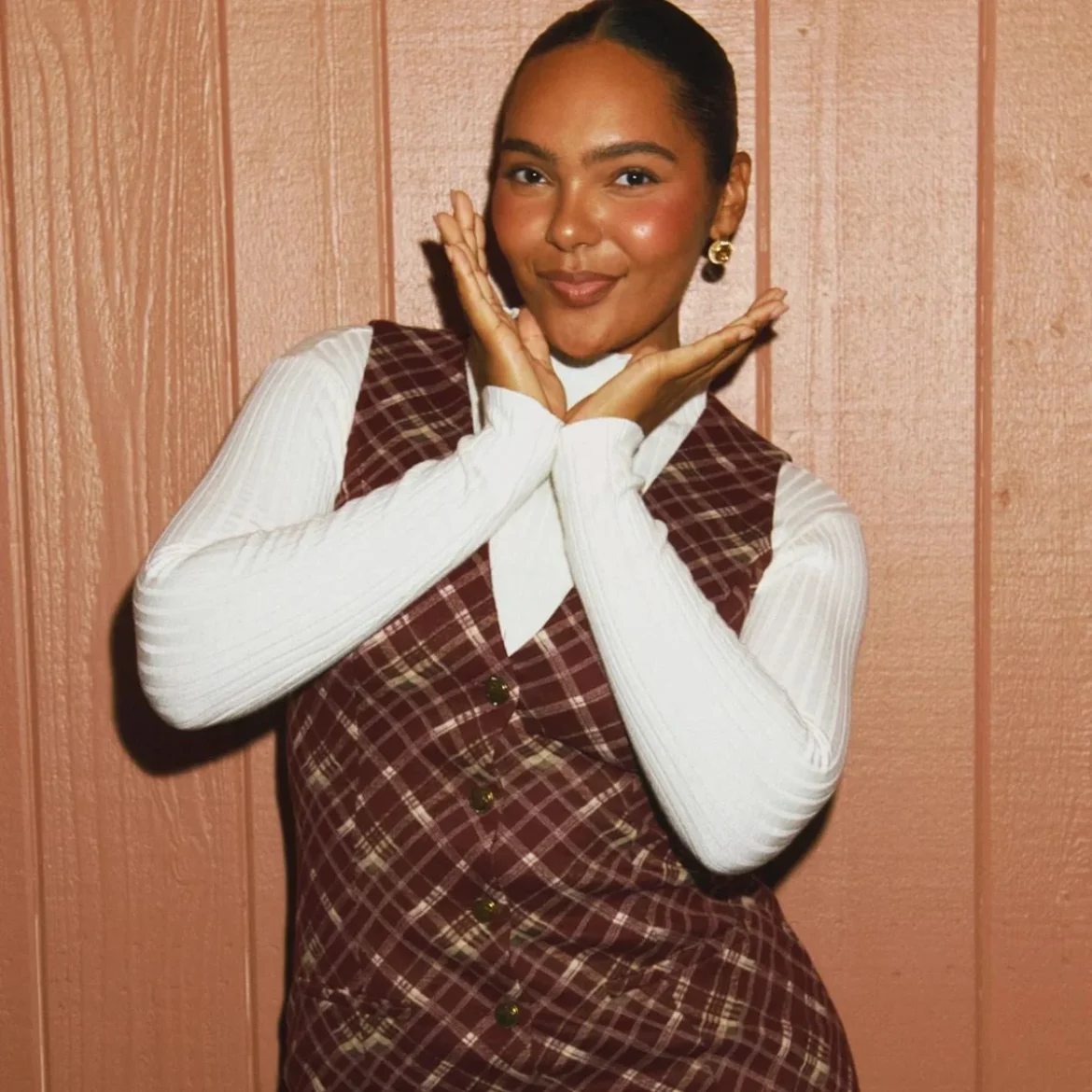
The arrival of November and December signifies more than just the change in weather; it marks the annual resurgence of one of fashion’s most enduring textiles: plaid. While trends in the retail industry are notoriously volatile, oscillating between hyper-specific micro-trends and minimalist "quiet luxury," plaid has maintained a consistent, foundational presence in autumn and winter wardrobes for centuries. This year, the pattern is seeing a renewed surge in popularity, bridging the gap between historical heritage wear and modern, accessible holiday party attire.
The transition from late autumn to the winter solstice creates a distinct shift in consumer demand. Market data from the retail sector indicates that as temperatures drop, shoppers prioritize textures that offer both aesthetic warmth and a sense of nostalgic comfort. Plaid, a pattern characterized by its crisscrossed horizontal and vertical bands in multiple colors, satisfies these requirements with a unique blend of utility and tradition.
A Brief Chronology of Plaid in Seasonal Fashion
The history of plaid, or "tartan," is deeply rooted in Scottish culture, where specific patterns were once used to identify clans. By the 18th century, the fabric began its migration from the Scottish Highlands to the global fashion stage. Throughout the 20th century, plaid evolved from a symbol of regional identity into a hallmark of academic prep, grunge, and eventually, high-fashion winter wear.
In the 1990s, plaid became synonymous with the "grunge" aesthetic, popularized by the widespread adoption of flannel shirts. Today, the iteration of plaid seen in current collections—ranging from sophisticated burgundy skorts to refined, mesh-ruched dresses—represents a shift toward a more polished, versatile aesthetic. The pattern is no longer reserved for casual loungewear; it has been integrated into professional and celebratory settings, effectively becoming the uniform of the holiday social calendar.
Current Market Trends and Consumer Behavior
Retail analytics for the final quarter of 2024 reveal a significant uptick in searches for "festive heritage prints." The current demand is characterized by a preference for deep, saturated color palettes. Earthy browns, forest greens, and, most notably, various shades of burgundy have dominated the market. This shift toward "moody" winter tones aligns with a broader trend in luxury and mass-market fashion that favors depth and richness over the brighter, primary-colored tartans of the past.
The versatility of the pattern is a primary driver of its sales performance. Consumers are increasingly seeking pieces that offer a "day-to-night" transition. For example, a button-front mini dress in a burgundy plaid can be styled with opaque tights and knee-high boots for a professional office environment, or transitioned with elevated accessories for an evening event. This utility is critical in the current economic climate, where consumers are prioritizing cost-per-wear when making seasonal purchases.
Essential Components of the Modern Plaid Wardrobe
The current retail landscape offers a diverse array of interpretations of the classic plaid look, catering to various functional needs:
The Sophisticated Bottom: Modern takes on the traditional skirt have evolved into the skort. By incorporating woven twill fabrics and buckle accents, designers are merging the schoolgirl aesthetic with contemporary functionality. These pieces are frequently cited in retail reports as "essential foundations" for layering.
The Versatile Layering Piece: The button-down shirt remains the most consistent performer in the plaid category. High-quality cotton blends, often marketed as "supersoft," allow for thermal regulation. Experts note that the addition of gold accessories and suede footwear is the standard method for elevating these casual staples into holiday-appropriate ensembles.

The Evening Frock: The evolution of the plaid dress is perhaps the most notable shift this season. The use of ruched mesh, drop-waist silhouettes, and mock-neck designs transforms a traditionally rustic pattern into something suitable for formal gatherings. These designs often leverage neutral plaid base tones to ensure the silhouette remains the focal point.
Loungewear and Comfort: As the "cozy economy" continues to influence retail, the presence of plaid in sleepwear has become mandatory. Matching pajama sets, often constructed from jersey or soft-knit fabrics, represent a significant portion of holiday-specific inventory. Industry analysis suggests that these items act as "bridge products," encouraging repeat visits to retailers throughout the gift-giving season.
Economic Implications and Retail Strategy
The persistence of plaid in the holiday fashion cycle provides a stable revenue stream for retailers. Unlike trend-based items that may carry higher risk, plaid is considered a "low-volatility" investment for fashion brands. By focusing on classic silhouettes—the button-down, the mini skirt, and the pajama set—retailers can minimize inventory risk while maintaining relevance during the high-traffic November and December months.
Furthermore, the integration of "mommy-and-me" or family-matching sets, as seen in collections from brands like Savage X Fenty, demonstrates a strategic move to capture the family-oriented segment of the holiday market. These items tap into the psychological appeal of holiday traditions, which often results in higher average order values and increased customer loyalty during the peak shopping season.
Fact-Based Analysis of the "Plaid Effect"
Why does plaid continue to dominate, despite the rapid cycle of fashion? The answer lies in the psychological association between the pattern and the concept of "home." Plaid carries connotations of firelight, wool, cabin living, and tradition. In a world of increasing digital saturation, consumers appear to be gravitating toward patterns that feel tactile and grounded in history.
From a design perspective, plaid is also an effective tool for camouflage and texture. The complexity of the pattern allows for a wide range of color combinations, which helps manufacturers utilize existing dyeing technologies to create "new" looks without significantly altering the underlying manufacturing process. This efficiency is reflected in the price points of the items, which often remain more accessible than intricate lace or beaded evening wear.
Sustainability and Longevity
While the fast-fashion cycle often dictates a "buy-and-discard" mentality, plaid is inherently better suited for longevity than many other seasonal prints. A high-quality wool or cotton-blend plaid shirt or skirt can remain relevant for years, provided the cut remains classic. As consumers become increasingly conscious of the environmental impact of their clothing, the durability of these heritage prints aligns with the growing "slow fashion" movement. By choosing pieces that avoid extreme, fleeting silhouettes, shoppers are effectively curating a wardrobe that can be revived each winter.
Conclusion: The Future of the Pattern
As the retail industry moves deeper into the 21st century, the role of plaid remains secure. It serves as a visual shorthand for the holiday season—a bridge between the nostalgia of the past and the demands of the present. Whether appearing on a runway or in the comfort of a home, the pattern’s ability to communicate warmth, structure, and tradition ensures that it will continue to be a staple of November and December fashion for the foreseeable future.
For the modern consumer, the strategy remains simple: invest in quality materials, select a color palette that complements existing accessories, and prioritize silhouettes that offer versatility. As history has shown, when the temperature drops, the world turns to plaid, confirming that while fashion may change, some traditions are simply too effective to abandon.
