
As the Federal Reserve prepares for its critical October policy gathering, financial markets and the American public are bracing for a pivotal moment in the nation’s economic management. With the Federal Open Market Committee (FOMC) set to convene this week, central bankers face the delicate task of navigating a cooling economy against the backdrop of persistent, stubborn inflation. The overwhelming consensus among Wall Street analysts and economic forecasters is that the Fed will opt to hold the benchmark federal funds rate steady in the 3.75% to 4% range, prioritizing a "wait-and-see" approach as they evaluate the efficacy of previous policy tightening measures.
The Current Economic Landscape
The economic climate leading into this meeting is characterized by a complex mix of elevated consumer prices and shifting market expectations. According to the most recent data from the Labor Department, headline inflation is currently tracking at a 3.7% annual rate as of September. This figure, while reflective of broader global supply chain adjustments, has been heavily influenced by a surge in energy costs. Gasoline prices, which have stubbornly remained above the $4-per-gallon threshold for three consecutive months, were identified as the primary driver behind more than half of the recent increase in the Consumer Price Index (CPI).
Beyond headline numbers, core inflation—which strips out the volatile food and energy sectors—has climbed to 2.6% year-over-year. This metric is particularly concerning to policymakers because it suggests that inflationary pressures are no longer confined to specific commodities but are instead becoming embedded in the broader service and goods economy. The Fed’s explicit mandate remains a long-term target of 2% annual inflation, a goal that appears increasingly elusive in the current high-cost environment.
Chronology of the 2026 Tightening Cycle
To understand the significance of this week’s meeting, it is necessary to review the Fed’s trajectory over the past year. In September, the central bank executed a quarter-percentage-point hike in the federal funds rate—the interest rate banks charge one another for overnight liquidity. This decision marked the first such increase in three years, signaling a definitive end to the era of ultra-low borrowing costs that defined the post-pandemic recovery.
The following timeline illustrates the Fed’s recent policy path:
- Early 2026: Initial signs of sustained inflation emerge, prompting the Fed to shift from an accommodative stance to a more hawkish outlook.
- September 2026: The FOMC implements a 25-basis-point increase, formally initiating the current tightening cycle.
- October 2026 (Current): Policymakers pause to assess the "lag effect," acknowledging that monetary policy shifts typically take months to filter through the real economy.
- December 2026 (Projected): Market participants widely anticipate a second rate hike as the final policy move of the calendar year.
The "No Urgency" Doctrine
Despite the pressure of rising prices, there is a clear strategic hesitance among top Fed officials to accelerate the pace of tightening. New York Fed President John Williams provided a window into this mindset following the September hike, explicitly noting that there is "no need for urgency." By choosing to pause in October, the committee is allowing itself the necessary time to gather more granular data on employment, consumer spending, and housing market volatility.
This measured approach is reinforced by the sentiment expressed by analysts like Thomas Ryan of Capital Economics. Ryan notes that while "hot" inflation readings and rising inflation expectations are undoubtedly a source of anxiety for the committee, the Fed’s institutional preference remains a slow, predictable, and methodical tightening process rather than a series of shock-and-awe adjustments.
Political Context: The Midterm Election Factor
The timing of this week’s announcement is particularly sensitive, occurring less than two weeks before the midterm elections on November 3. The economy has emerged as the primary issue for voters, many of whom are grappling with the tangible effects of inflation at the gas pump, the grocery store, and on their monthly utility statements.
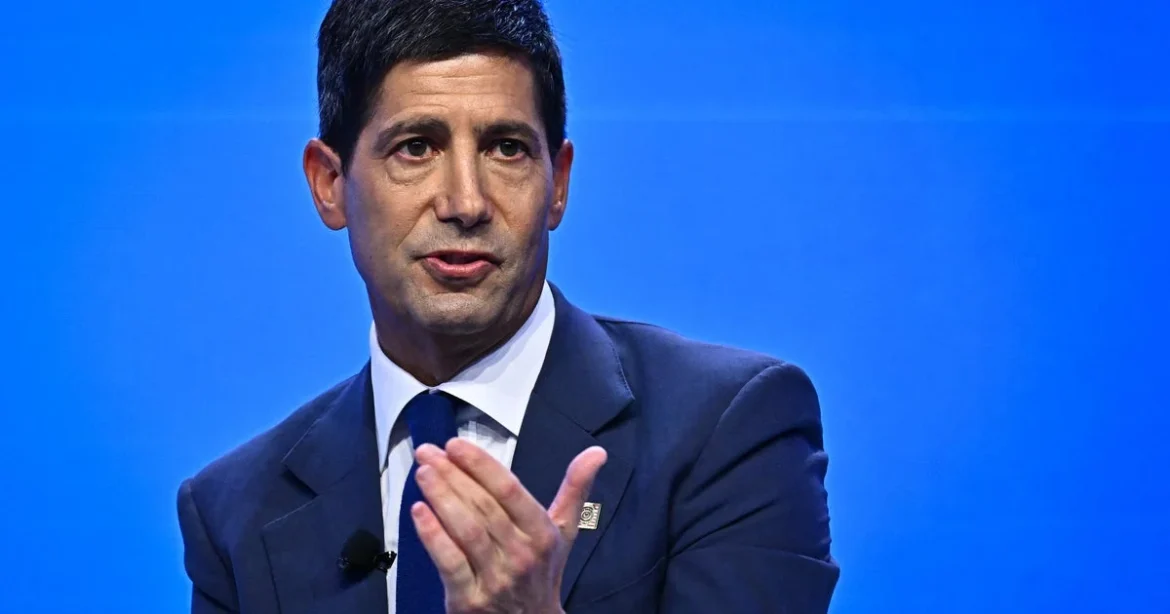
The political implications are significant. While the Federal Reserve is an independent body, its decisions inevitably influence the mood of the electorate. With public frustration regarding the cost of living at an all-time high, any policy move perceived as "too aggressive" or "too passive" risks becoming a focal point of political debate. However, Chairman Kevin Warsh has maintained a firm stance on institutional neutrality, recently reaffirming his opposition to providing forward guidance that could be interpreted as politically motivated or reactive. Investors are bracing for a concise post-meeting statement, as Warsh is expected to maintain his preference for silence regarding future projections during his scheduled press conference.
Market Predictions and Financial Implications
Predictive tools, such as the CME Group’s Fed Watch, provide a clear picture of how institutional investors are positioning themselves ahead of the decision. As of late October, traders assign an 88% probability that the committee will maintain the current rate at this meeting. The focus, therefore, has already shifted to December. There is currently a 71% consensus that the FOMC will enact a further rate hike before the year concludes, particularly if the October and November CPI data reports do not show a meaningful cooling in core inflation.
For the average American, the implications of these decisions are far-reaching. Higher benchmark rates eventually translate to more expensive financing for auto loans, credit card balances, and residential mortgages. As the cost of debt rises, the Fed’s hope is that consumer demand will eventually moderate, thereby curbing the "too much money chasing too few goods" dynamic that has fueled recent price spikes.
Analysis: Balancing Growth and Price Stability
The Fed’s current dilemma is the classic "soft landing" challenge. If they raise rates too aggressively, they risk cooling the economy into a recession; if they are too timid, they risk allowing inflation to become a permanent fixture of the U.S. economy, potentially eroding the purchasing power of the dollar for years to come.
The reliance on a 2% inflation target remains the North Star of the Federal Reserve’s policy. However, as supply chain disruptions have evolved into broader wage-push and demand-pull inflationary factors, the tools available to the Fed—primarily adjusting the cost of borrowing—are increasingly blunt instruments.
As the FOMC prepares to release its policy statement at 2 p.m. ET this Wednesday, the eyes of the financial world will be fixed on the language used by Chairman Warsh. Analysts will be parsing the document for any subtle shifts in terminology that might suggest a move toward a more aggressive stance in the coming months. Until then, the prevailing atmosphere is one of cautious waiting, as both the central bank and the American public grapple with the dual pressures of a changing political landscape and an uncertain economic future.
The upcoming November 3 elections will likely serve as a barometer for how deep the public’s frustration with these economic realities runs. Regardless of the election outcomes, the Fed remains committed to its long-term strategy, which prioritizes structural stability over short-term political convenience. Whether that strategy successfully curbs the current inflationary trend remains the central question for the remainder of 2026. As the meeting concludes, the focus will almost immediately pivot to the December session, where a definitive end-of-year policy shift is expected to take shape, setting the stage for the economic policies of 2027.
