
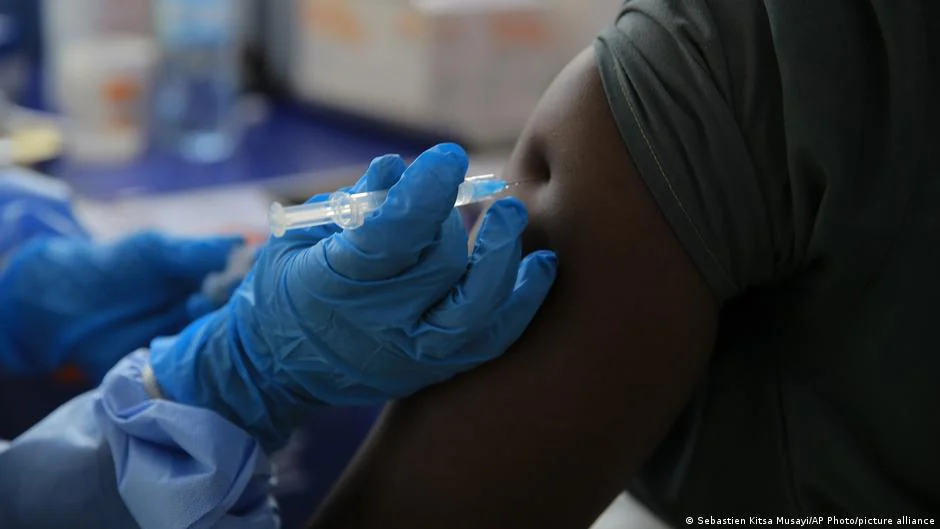
Half a century has passed since the world first grappled with the terrifying reality of the Ebola virus, a pathogen that emerged from the shadows of the Congolese rainforest in 1976. Despite five decades of scientific advancement, global health surveillance, and the development of revolutionary medical technologies, the Democratic Republic of Congo (DRC) currently finds itself trapped in a familiar, yet increasingly complex, nightmare. The nation is currently battling a major outbreak of the Bundibugyo virus, a distinct and less common member of the Orthoebolavirus genus, which has already claimed thousands of lives and begun to cross international borders into Kenya and Nigeria.
The emergence of this specific strain, first identified during a 2007 outbreak in Bundibugyo, Uganda, and later surfacing in the DRC in 2012, has exposed a glaring vulnerability in global pandemic preparedness. While the medical community has successfully developed and licensed vaccines for the Zaire strain of Ebola—the most well-known and virulent variant—the Bundibugyo variant remains effectively unchecked by existing pharmaceutical defenses.
A Chronology of the Bundibugyo Virus
The history of the Bundibugyo strain is a narrative of sporadic, lethal flare-ups that have historically been overshadowed by the more frequent and aggressive Zaire outbreaks.
- 2007: The virus is officially identified following a significant outbreak in the Bundibugyo District of western Uganda, which resulted in 149 confirmed cases and 37 deaths.
- 2012: The virus re-emerges in the Orientale Province of the DRC, causing 36 confirmed cases and 13 deaths.
- 2026 (Present Day): A massive, unprecedented surge of the Bundibugyo strain occurs in the DRC, with case counts exceeding 10,000. The virus demonstrates increased transmissibility and geographical spread, reaching neighboring countries and sparking fears of a regional epidemic.
The Scientific Paradox: Why No Vaccine Exists
From an immunological perspective, Ebola is a prime candidate for vaccination. Unlike the influenza virus, which undergoes constant, rapid genetic drift, or HIV, which employs sophisticated mechanisms to evade the human immune system, the Ebola virus is relatively stable. Its genomic structure is predictable, which should, in theory, make the development of a targeted vaccine a straightforward endeavor.
However, the reality has been defined by a series of missed opportunities and resource misallocation. Torsten Feldt, a specialist in tropical medicine at Düsseldorf’s University Hospital, characterizes the current situation as a systemic failure. "We had clear warnings in 2007 and 2012," Feldt notes. "The scientific community had over a decade to develop therapeutic options specifically for this variant, yet we find ourselves in the midst of a crisis without a single licensed preventative measure."
The lack of progress is largely attributed to the "orphan disease" phenomenon, where funding and research priorities are driven by the perceived frequency and lethality of specific strains. For years, the global health community focused almost exclusively on the Zaire strain, as it caused the most devastating outbreaks. Consequently, vaccine candidates for the Bundibugyo and Sudan variants were relegated to the back burner, lacking the necessary clinical trial data to reach the regulatory approval stage.
The Complexity of Cross-Reactivity
Recent research from the German Center for Infection Research (DZIF) has provided a glimmer of hope. Led by Leonie Mayer, a team of researchers investigated whether the existing, licensed vaccine for the Zaire strain, known as Ervebo, could provide "cross-protection" against other variants. The study revealed that Ervebo induces T-cell responses that recognize both the Bundibugyo and, to a lesser extent, the Sudan virus.
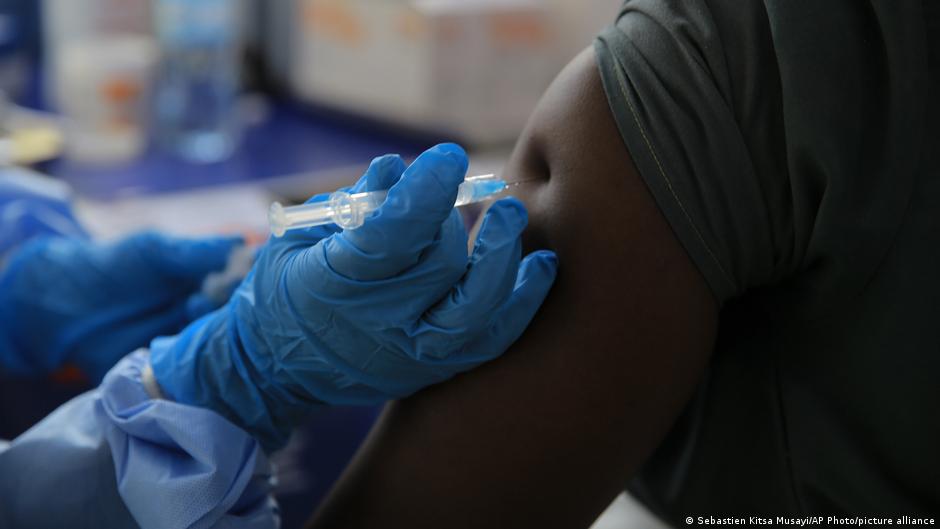
While this discovery is scientifically significant, it presents a daunting clinical hurdle: recognizing a virus is not the same as neutralizing it. "We now know that the immune cells can likely identify the Bundibugyo virus," says Mayer. "But our current data does not confirm whether this recognition translates into clinical protection or simply alters the progression of the disease." This uncertainty creates a dangerous ethical dilemma. Deploying a vaccine that may offer only partial or unknown protection could provide a false sense of security, potentially undermining public trust in future, more effective interventions.
The Challenges of Containment in Conflict Zones
The current crisis underscores that medical innovation, while vital, is only one component of outbreak management. The DRC’s geography, combined with chronic regional conflict and the breakdown of infrastructure, creates a "perfect storm" for the pathogen.
In many areas currently affected, the logistical reality of transporting blood samples to centralized laboratories for diagnosis can take days, during which time infected individuals may travel, unknowingly spreading the virus to urban centers. Furthermore, mistrust of international medical actors, exacerbated by historical grievances and the presence of armed non-state actors, has hampered contact-tracing efforts. In environments where healthcare facilities are frequently targeted or under-resourced, the "Ebola paradox" is realized: we have become remarkably efficient at identifying the virus, yet we remain remarkably inefficient at stopping it.
Strategic Shifts and Future Outlook
The current outbreak has forced a radical change in strategy. The "Tumaini" study, now underway in the DRC, represents a coordinated effort to test multiple vaccine candidates, including both the Zaire-based Ervebo and novel mRNA-based platforms from companies like Moderna. This study aims to provide the robust, real-world data necessary to grant emergency authorization for a vaccine against the Bundibugyo variant.
Experts estimate that even under an accelerated timeline, a widely available, effective vaccine is unlikely to reach the front lines before mid-2027. This timeline is a stark reminder of the lag between scientific potential and public health reality.
Beyond the immediate crisis, the broader scientific ambition has shifted toward the development of a "pan-Ebola" vaccine—a universal solution that would provide immunity against all known Orthoebolavirus species. "Ideally, we will move toward cross-reactive, universal vaccines," says Christof Geldmacher, a co-author of the DZIF study. "But for now, the priority must remain the Bundibugyo variant."
Implications for Global Health Security
The failure to contain the Bundibugyo strain in the DRC has profound implications for global health security. As international travel patterns recover and local connectivity increases, the risk of localized outbreaks becoming regional or global threats grows. The lesson of the last 50 years is that viruses do not respect borders, and waiting for an outbreak to reach a "critical mass" before investing in research is a failed policy.
The current situation in the DRC serves as a sobering case study of the cost of inaction. It is a reminder that the world’s preparedness infrastructure is only as strong as its ability to address the "lesser" variants that, when left unchecked, inevitably evolve into major public health catastrophes. As the international community watches the case numbers climb, the focus must shift from reactive management to proactive, sustained investment in the diagnostics, therapeutics, and community-level infrastructure necessary to break the cycle of the Ebola virus once and for all. Without a fundamental shift in how we prioritize and fund the study of rare but deadly pathogens, the world remains susceptible to the next inevitable outbreak, leaving vulnerable populations to bear the brunt of our collective scientific hesitation.
