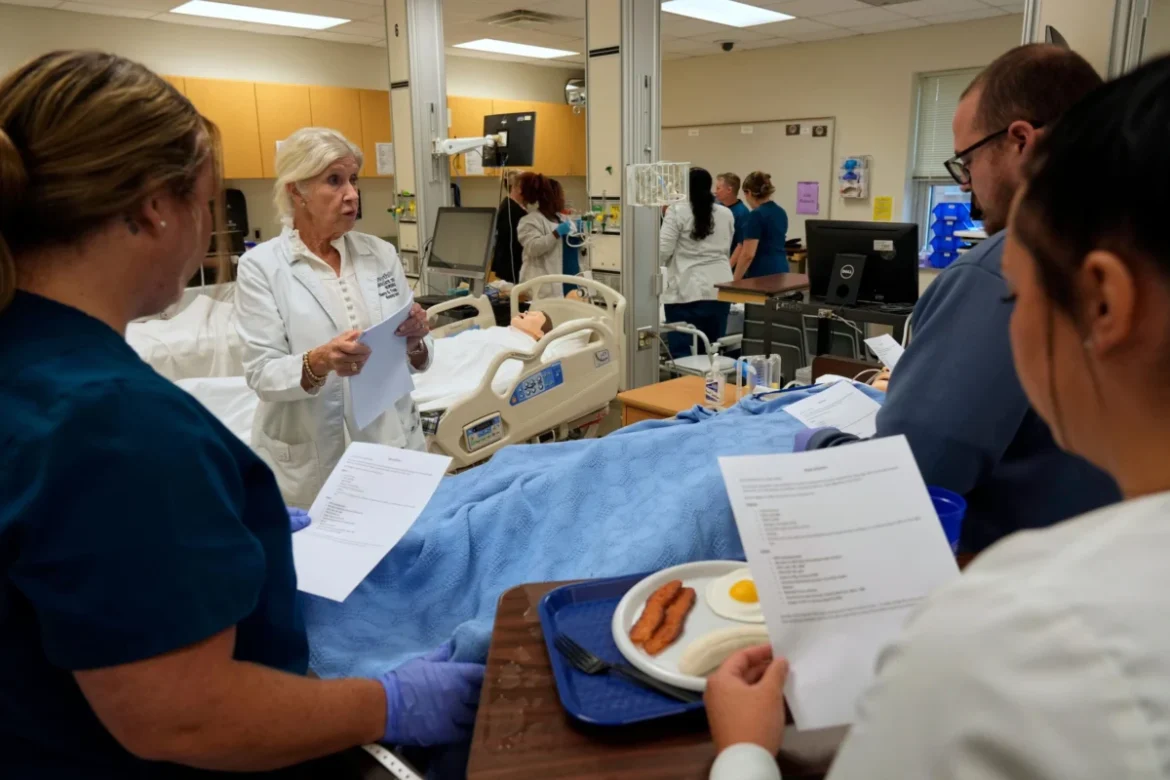
As the academic year hits its stride, thousands of American college seniors are confronting a daunting new reality: the path to advanced degrees, once paved by accessible federal credit, has been obstructed by a complex web of legislative changes and judicial interventions. Mitzie Westgate, a 21-year-old exercise science major at the College of Charleston, represents the new face of uncertainty in higher education. With dreams of obtaining a doctorate in occupational therapy to serve children with disabilities, Westgate finds her future aspirations sidelined by a lack of clarity regarding her ability to finance the necessary graduate training. For students like Westgate, the inability to forecast their debt load is no longer just a bureaucratic inconvenience; it is a fundamental barrier to career planning.
The current atmosphere of confusion stems from a significant legislative shift initiated last year, when Congress removed a variety of graduate-level programs from the Department of Education’s roster of "professional" degrees. This reclassification effectively tightened the caps on federal student loans, forcing students to reconcile their career ambitions with potentially insurmountable tuition costs. While the landscape remains in flux due to ongoing litigation, the implications for the future workforce—particularly in critical fields like nursing, psychology, and occupational therapy—are becoming increasingly clear.
The Legislative Shift: From Grad PLUS to Capped Borrowing
Historically, the Grad PLUS loan program served as a vital safety net for graduate students, allowing them to borrow up to the total cost of attendance, as determined by their specific university, provided they met basic credit requirements. This system ensured that financial limitations did not preclude students from pursuing advanced degrees in essential, albeit high-tuition, fields.
However, the regulatory framework underwent a transformation effective July 1, with the elimination of the uncapped Grad PLUS program for many disciplines. Under the new guidelines, federal borrowing for most graduate programs is now capped at $20,500 annually, with a lifetime limit of $100,000. Only 11 select "professional" programs were granted higher annual limits of $50,000, with a cumulative cap of $200,000.
This policy shift was intended to curb the growth of student debt and encourage universities to manage costs more effectively. Yet, the rapid implementation and subsequent legal challenges have created a "policy vacuum." A lawsuit filed by a coalition of nursing groups and health care associations, which argues that the sudden restriction of these loans threatens the viability of essential medical training, has resulted in a judicial stay of the rules until at least December. This temporary reprieve has not provided stability, however; it has merely prolonged the period of uncertainty, as students currently applying for the 2027-28 academic year do not know which loan limits will apply by the time they enroll.
The Domino Effect on Essential Health Care Fields
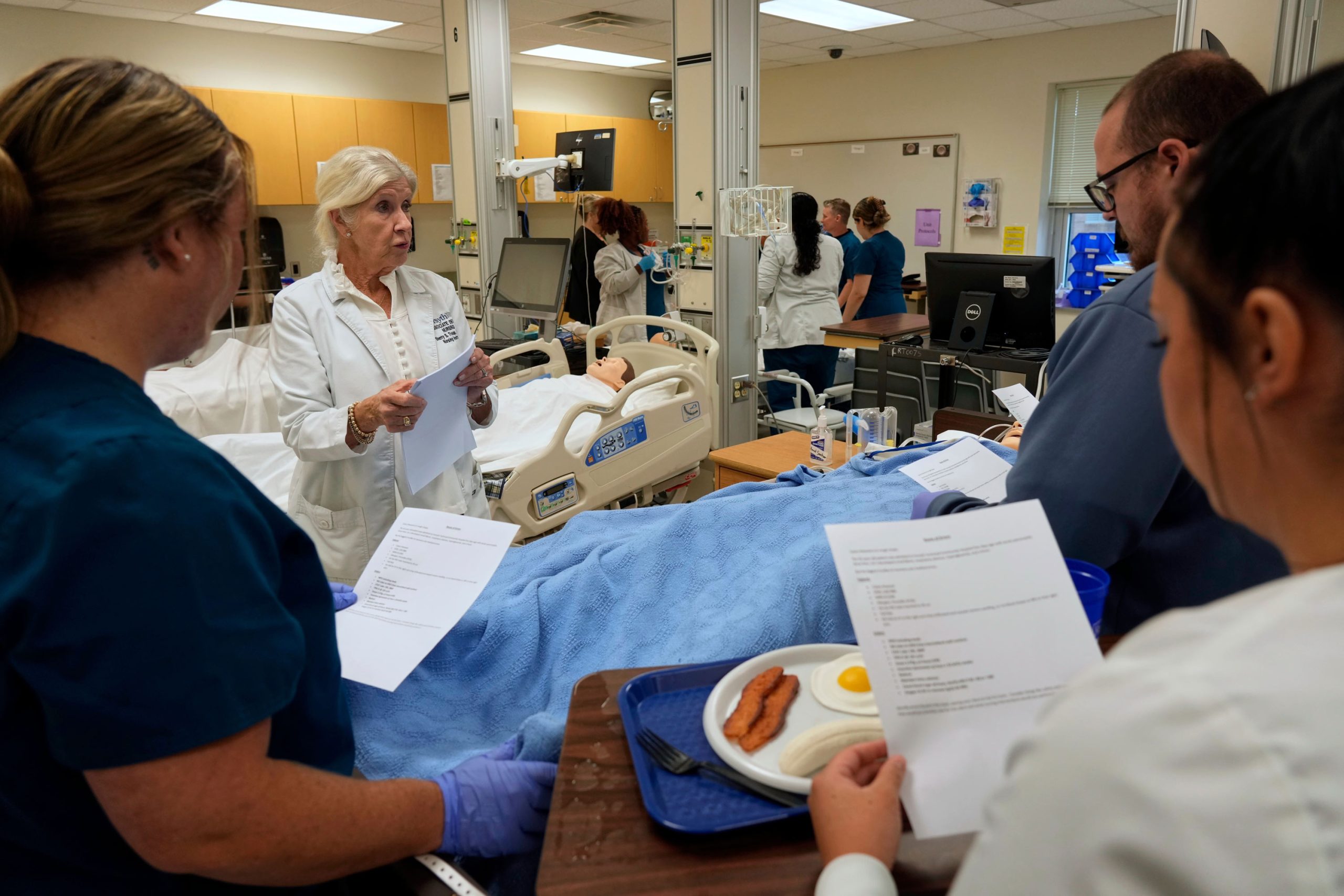
The impact of these caps is disproportionately concentrated in the health care and behavioral health sectors. Occupations such as physical therapy, counseling, and social work often require long, intensive, and expensive training, yet they do not always yield the high-salary returns typical of law or executive business degrees.
The American Enterprise Institute (AEI) has highlighted the discrepancy between high tuition costs and career earnings in these sectors. According to AEI research, the burden of debt in these fields is frequently a function of inflated tuition pricing rather than the financial rewards of the profession. As private lenders tighten their underwriting standards—fearing that students in these fields may struggle with repayment—the "gap" between federal loan availability and actual tuition costs grows wider.
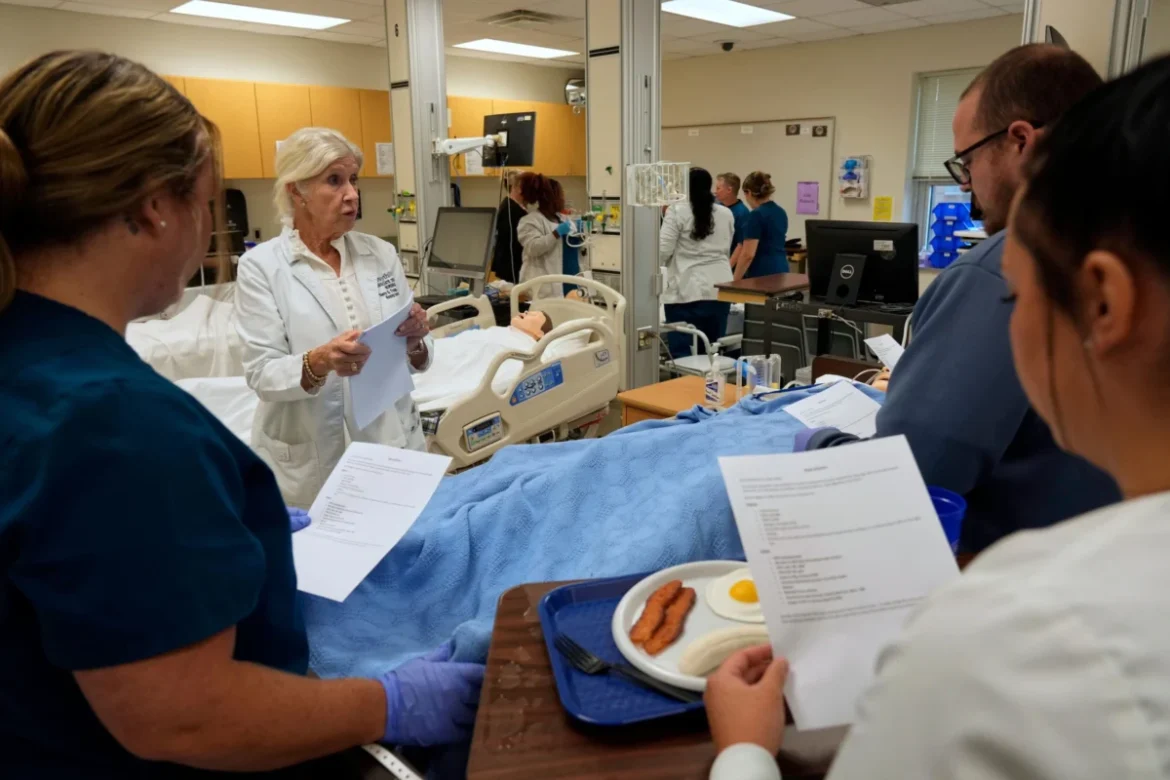
The repercussions are already manifesting in the personal lives of current and prospective students. Kayce Cordray, a 44-year-old doctoral candidate in nursing practice at Oral Roberts University, warns that these limitations could exacerbate the nation’s existing nursing shortage. "We are facing a real nursing shortage and a real rural health care shortage," Cordray noted. "We’re not even going to be able to get registered nurses if we don’t have faculty. It’s a domino effect." For many students, particularly those with families, the prospect of having to turn to private, high-interest loans—which often lack the deferment protections of federal loans—is a non-starter.
Market Responses and the "Price-Correction" Theory
The economic theory underlying the reduction in loan limits suggests that if the federal government restricts the flow of capital, universities will be forced to compete on price, eventually driving tuition down. Some proponents of the policy, including researchers at the American Enterprise Institute, argue that prestigious institutions that previously charged whatever the market would bear may now face pressure to cut costs or increase scholarship funding to remain competitive with lower-cost public alternatives.
Evidence of this shift is beginning to emerge. Some universities have started to adjust their pricing models or enhance their internal financial aid packages to accommodate students impacted by the federal caps. For example, some institutions are finding that students are increasingly sensitive to the total cost of attendance, leading them to favor programs at state universities over more expensive private counterparts.
However, many experts remain skeptical that a broad market correction is imminent. Sarah Sattelmeyer, director of education, opportunity and mobility at the New America think tank, notes that there is little evidence of systemic, across-the-board tuition reductions. Instead, institutions are struggling to navigate the current climate, with many financial aid directors reporting that they lack the guidance necessary to counsel students effectively.

The Rise of Private Lending Risks
As federal access is constrained, the private student loan market is poised to fill the void, a development that consumer advocates view with significant concern. Without the federal guardrails that protected borrowers from predatory terms, students are increasingly vulnerable to high interest rates, aggressive collection practices, and restrictive repayment terms.
Eileen Connor, director of the Project on Predatory Student Lending, warns that students with lower credit scores or those entering fields with lower income prospects may be targeted by lenders with disadvantageous loan terms. "There’s a lot of different ways these loans can have traps," Connor explained, pointing to clauses that mandate binding arbitration and prevent students from seeking redress in court. Furthermore, unlike federal loans, many private products require immediate repayment while the student is still enrolled, creating an additional barrier for those who cannot work full-time while studying.
Looking Toward the Future
The uncertainty surrounding graduate student financing is creating long-term ripples that may affect the diversity and caliber of the future professional workforce. If the cost of entry for fields like occupational therapy, nursing, and psychology becomes too high, the profession may become accessible only to those with significant personal wealth, potentially diminishing the diversity of the practitioner pool.
For students like Mitzie Westgate, the decision-making process has become a game of "playing it by ear." She continues to apply to top-tier programs while hoping for institutional scholarships that might bridge the gap between the new federal limits and the rising cost of tuition. As she and her peers await a final resolution from the courts, the broader debate over the role of government in higher education financing continues to escalate.
The current situation is, by all accounts, a "policy whiplash." Universities, students, and lenders are all operating under the assumption that the status quo is unsustainable, yet there is little consensus on the optimal path forward. Until the litigation concludes and the Department of Education provides definitive guidance, the "policy vacuum" will continue to force students to make life-altering decisions based on incomplete and contradictory information. For the next generation of health care providers and educators, the dream of a graduate degree is currently tempered by the harsh reality of an evolving, and often unpredictable, financial landscape.