
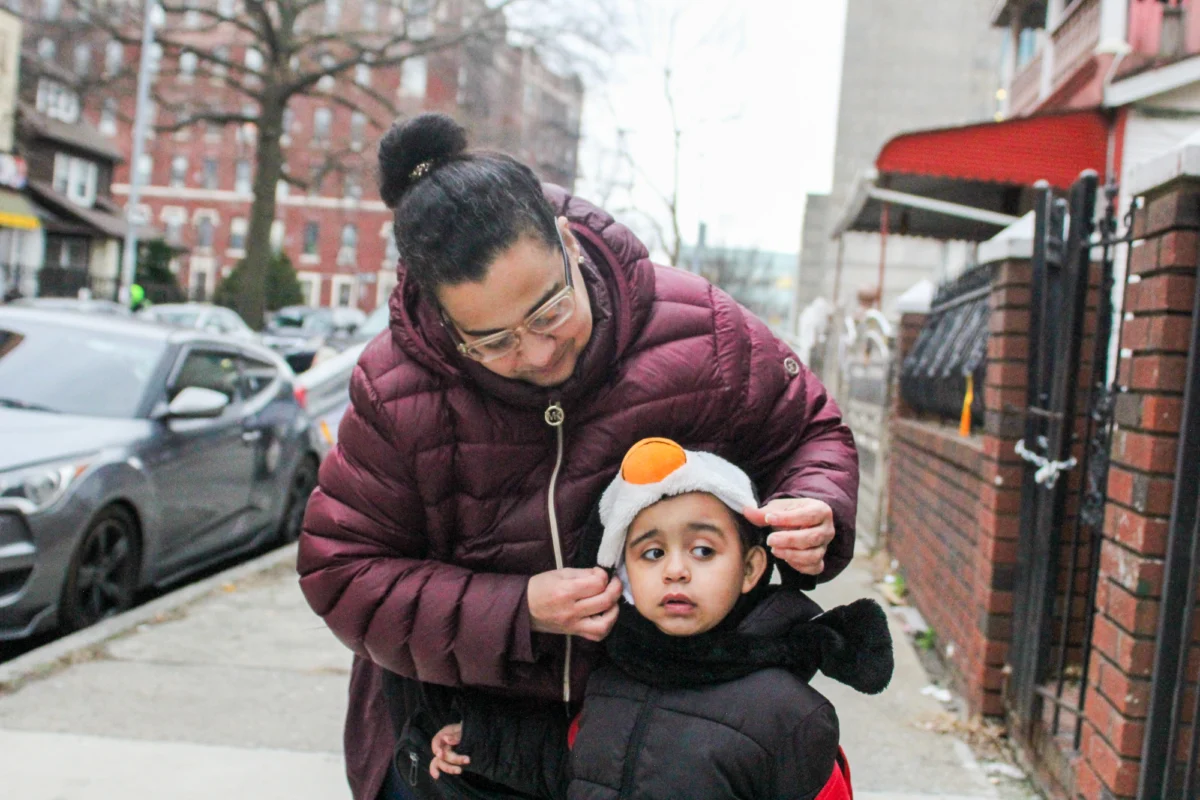
The landscape of American family policy is bracing for a potential seismic shift as the Trump administration weighs a controversial proposal to fundamentally restructure the federal Child Care and Development Block Grant (CCDBG). Currently, this $12 billion program serves as the primary mechanism for assisting low- and moderate-income working families with the crushing costs of daycare. However, a push led by Vice President JD Vance seeks to redirect a portion of these funds to provide financial support to stay-at-home parents, a move that critics argue would marginalize single-parent households and exacerbate the already staggering waitlists for childcare services.
The Human Cost of the Current Subsidy Crisis
For millions of American families, the current system is already failing to meet basic needs. The reality for parents like Bonnie Albrecht, Edythe Smith, and Barbara Aranda—all single mothers—is defined by a cycle of bureaucratic endurance and financial precarity. Albrecht, a resident of Texas, navigated a two-year waiting period to secure assistance, a process that demanded exhaustive documentation and constant administrative follow-up. Smith, in Syracuse, New York, attempted to balance full-time employment with the round-the-clock care of an infant while languishing on a waitlist. Aranda, based in Austin, faced the most severe consequences: the inability to secure consistent, affordable care forced her to miss so many shifts that she fell into poverty, eventually relying on food pantries to sustain her three children.
These experiences are not anecdotal outliers; they are symptomatic of a systemic bottleneck. Data from the Administration for Children and Families (ACF) indicates that approximately 80 percent of all child care subsidy recipients are single parents. When these subsidies are delayed or unavailable, the impact is immediate and quantifiable. Families are frequently forced to choose between maintaining their position in the labor market and ensuring the safety and development of their children. The resulting loss of income, professional stagnation, and compromised food security represents a profound failure of the existing safety net, one that experts fear will be deepened by the proposed policy pivot.
The Evolution of the CCDBG and the Proposed Shift
The Child Care and Development Block Grant has been the cornerstone of federal child care policy for nearly four decades. Established to help families access care so they can work, attend training, or pursue education, the program is designed to stimulate economic participation. The proposed policy shift, championed by Vice President Vance, would introduce a new criterion for eligibility: marriage. Under the reported plan, federal funds would be accessible to families where one parent stays home, provided the other spouse is employed for at least 35 hours per week.
The ideological foundation for this shift is rooted in a specific vision of family life. Vice President Vance has been vocal in his opposition to the current structure, which he describes as a "subsidy to the lifestyle preferences of the affluent." In public comments, he has argued that the emphasis on universal child care shunts children into institutional settings rather than allowing them to be raised at home. From his perspective, the current model prioritizes "freedom" in the labor force over the "sanctity" of the family unit.
Chronology of the Debate
The tension surrounding child care funding has been building for years, characterized by a mix of legislative stagnation and shifting political priorities:
- 1990s – Present: The CCDBG remains the primary federal funding vehicle for child care, though consistently underfunded relative to the total population of eligible children.
- Early 2024: A bipartisan group of 40 Republican members of Congress formally advocated for "robust" funding increases for the current block grant program, citing the economic necessity of childcare for working families. This effort stalled in the face of broader fiscal disagreements.
- September 2026: Reports emerge confirming that the executive branch is actively considering a plan to redirect CCDBG funds to support stay-at-home parenting, contingent upon marriage, sparking immediate backlash from both sides of the aisle.
- Late 2026: Policy analysts and advocacy groups begin modeling the impact of such a shift, projecting that a diversion of funds would likely force states to cut tens of thousands of existing slots for working-class families.
Analyzing the Implications: A Divergent GOP
The proposal has created an unusual rift within the Republican party. While the Vice President views this as a return to traditional values, other conservative voices are signaling strong opposition. Advancing American Freedom, the organization founded by former Vice President Mike Pence, has issued memos warning that the plan would "punish work" and represent an unprecedented level of government intrusion into the private lives of American families.
Economists who study early childhood education point to a significant mathematical reality: the program is already starved of resources. According to the Committee for Economic Development, every dollar invested in early childhood programs yields a significant return in long-term economic productivity. By reallocating funds away from working families who rely on licensed care providers, the government may inadvertently decrease the overall labor supply. If a single parent—who represents the vast majority of current subsidy recipients—cannot access the very program designed to help them work, they are effectively pushed out of the workforce entirely, leading to a net decrease in household income and an increase in dependence on other social safety nets.
The Growing Waitlist Crisis
The urgency of this debate is heightened by the fact that waitlists for childcare assistance are at record highs across the country. In many states, the delay for a subsidized slot can exceed 18 to 24 months. This is not merely a matter of convenience; it is a structural barrier to economic mobility.
For the women profiled in this report, the prospect of the current program being dismantled or redirected is particularly harrowing. The "marriage requirement" included in the Vance proposal would automatically disqualify the vast majority of current subsidy recipients—the single mothers who are, by definition, the most vulnerable participants in the economy. Critics point out that this effectively turns a child care program into a social engineering project, where the criteria for assistance are based on family structure rather than economic need or the developmental needs of the child.
Future Outlook and Economic Reality
While some policy experts believe that the logistical hurdles of implementing such a sweeping change might render the plan dead on arrival, the political signal is clear. The debate over child care has moved beyond a discussion of "affordability" and into a fundamental debate over the state’s role in the family.
For parents like Amy Lee Funes, who struggled to secure assistance for her son while earning a modest $35,000 annually, the political rhetoric from Washington feels disconnected from the reality of the daily grind. As the administration continues to weigh its options, the families caught in the middle remain in a state of uncertainty. Whether the outcome is a return to traditional funding models or a radical departure into new policy territory, the fate of the nation’s child care system remains one of the most critical issues facing the domestic economy.
The path forward for the CCDBG will likely be decided in the coming months as Congress debates budget reconciliations and program reauthorizations. Should the proposed redirection gain traction, it would represent the most significant change to American childcare policy in a generation, fundamentally altering the support structure for working families and forcing a national conversation on the definition of family stability in the modern era. As of now, the waitlists continue to grow, and for millions of parents, the promise of affordable care remains, for now, just out of reach.

