
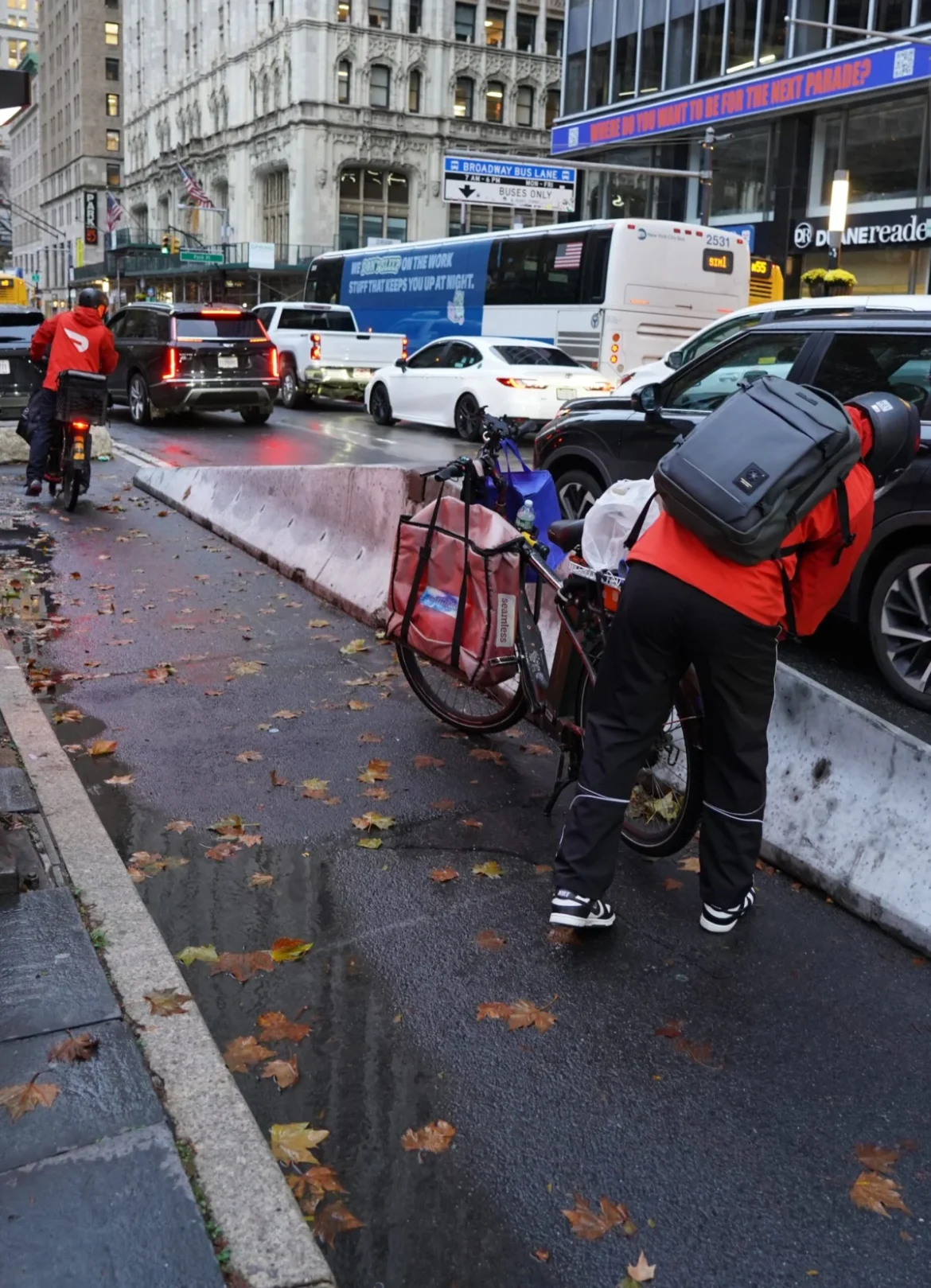
On a sweltering July afternoon in New York City, the atmosphere turned a sickly, apocalyptic orange. For most residents, the haze—a byproduct of record-breaking wildfires raging hundreds of miles away in Quebec—served as a terrifying reminder of the climate crisis. For José Yos, a 40-year-old delivery worker from Guatemala, it was simply another day on the clock. While the city issued heat emergency alerts and advised citizens to retreat to air-conditioned interiors, Yos was navigating the gridlock on his e-bike, his lungs burning from the smoke and his body strained by temperatures flirting with 100 degrees Fahrenheit.
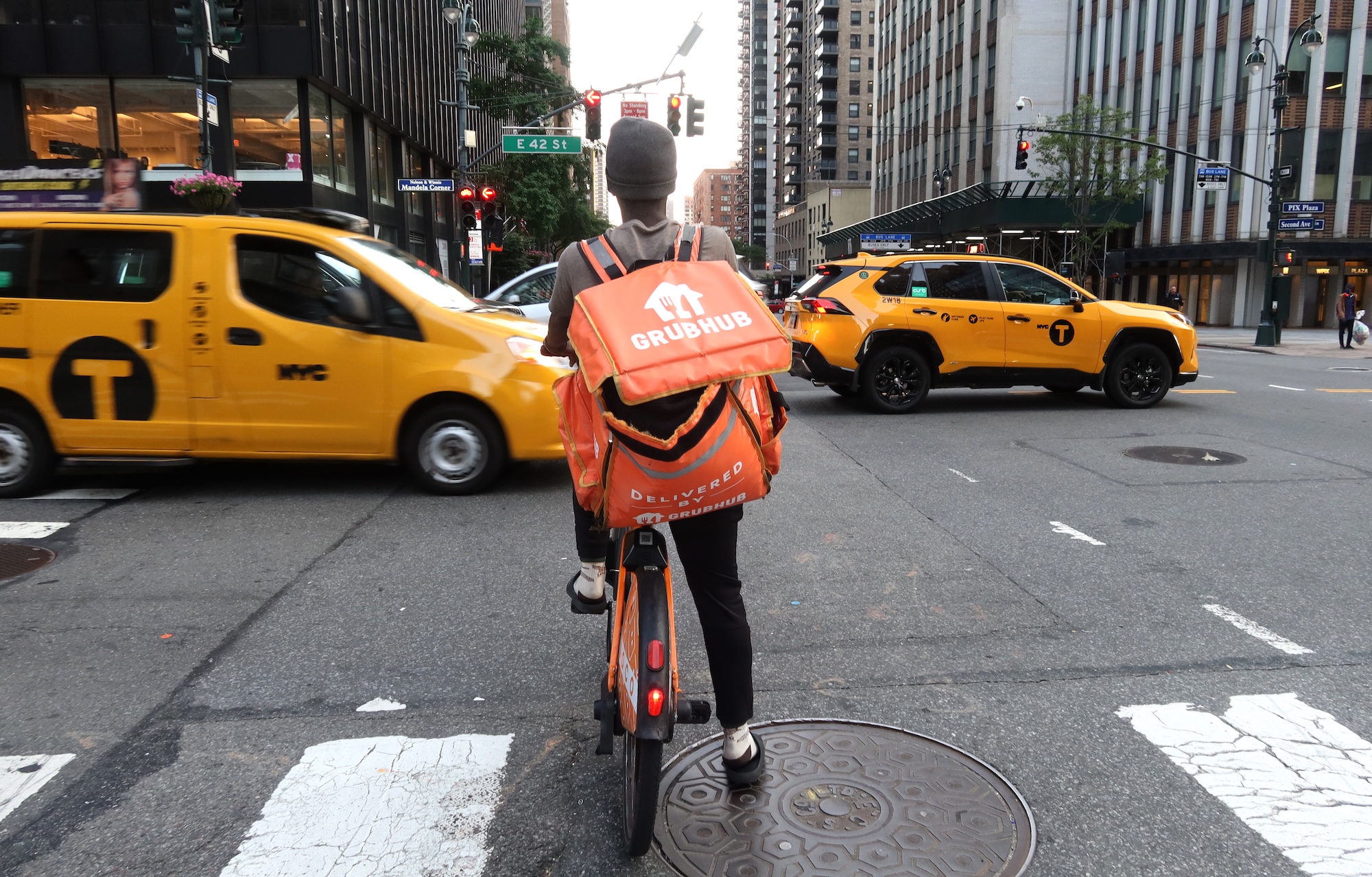
Yos is part of a 70,000-strong army of "deliveristas" who form the backbone of New York’s modern convenience economy. These workers, predominantly immigrants from Latin America, sub-Saharan Africa, and South Asia, are caught in a double bind: the very environmental volatility that often displaced them from their homelands is now dictating the terms of their survival in the United States.
A Chronology of the Gig Labor Shift
The transformation of the delivery sector began in earnest in the mid-2010s, but it was the COVID-19 pandemic that cemented the industry’s dominance. Between 2019 and 2022, spending via food delivery apps at quick-service restaurants in the United States ballooned from $400 million to $1.4 billion. This explosive growth necessitated a massive influx of labor, with the number of app-based delivery workers in New York City increasing by approximately 20,000 during the pandemic years alone.
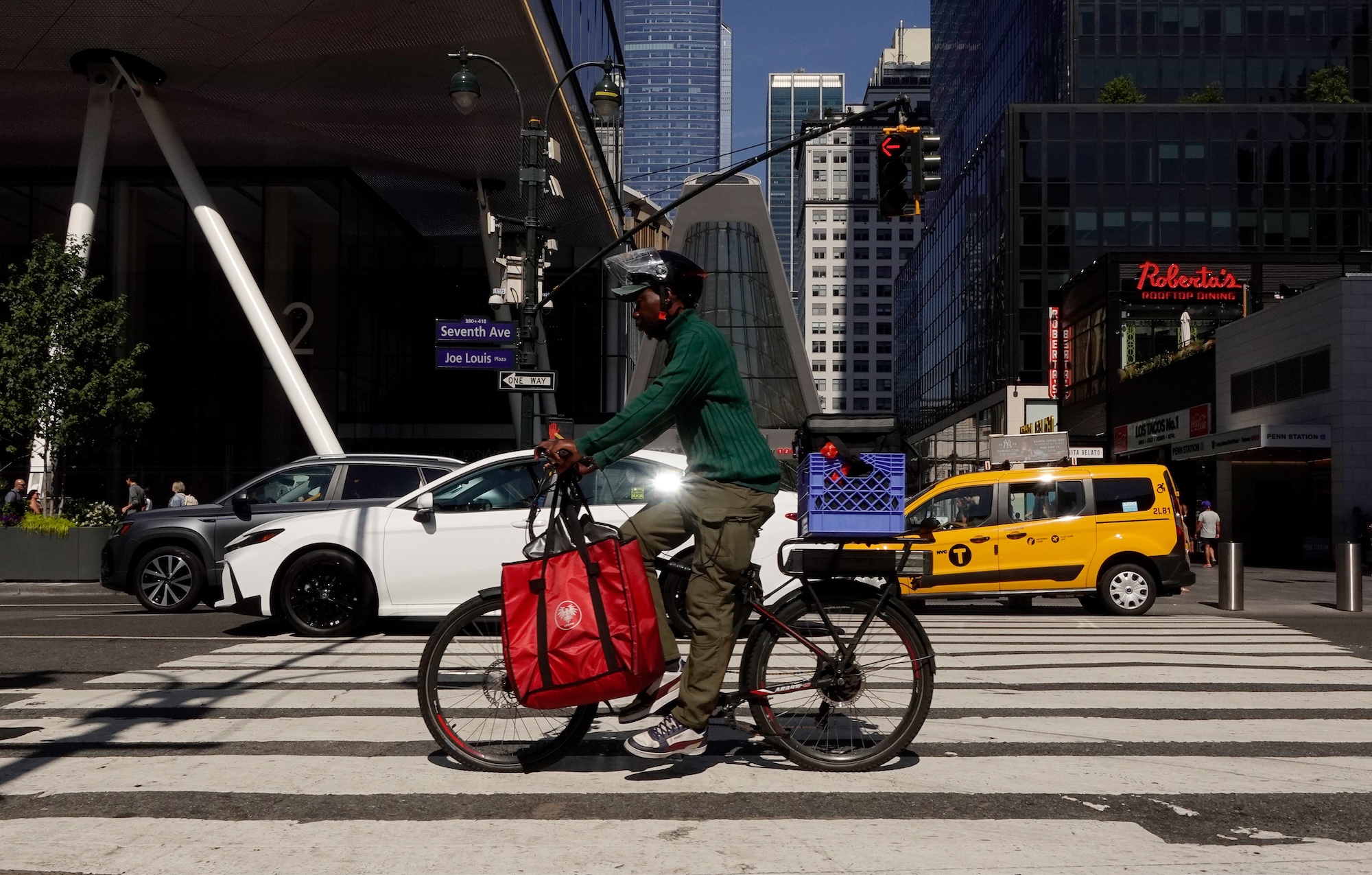
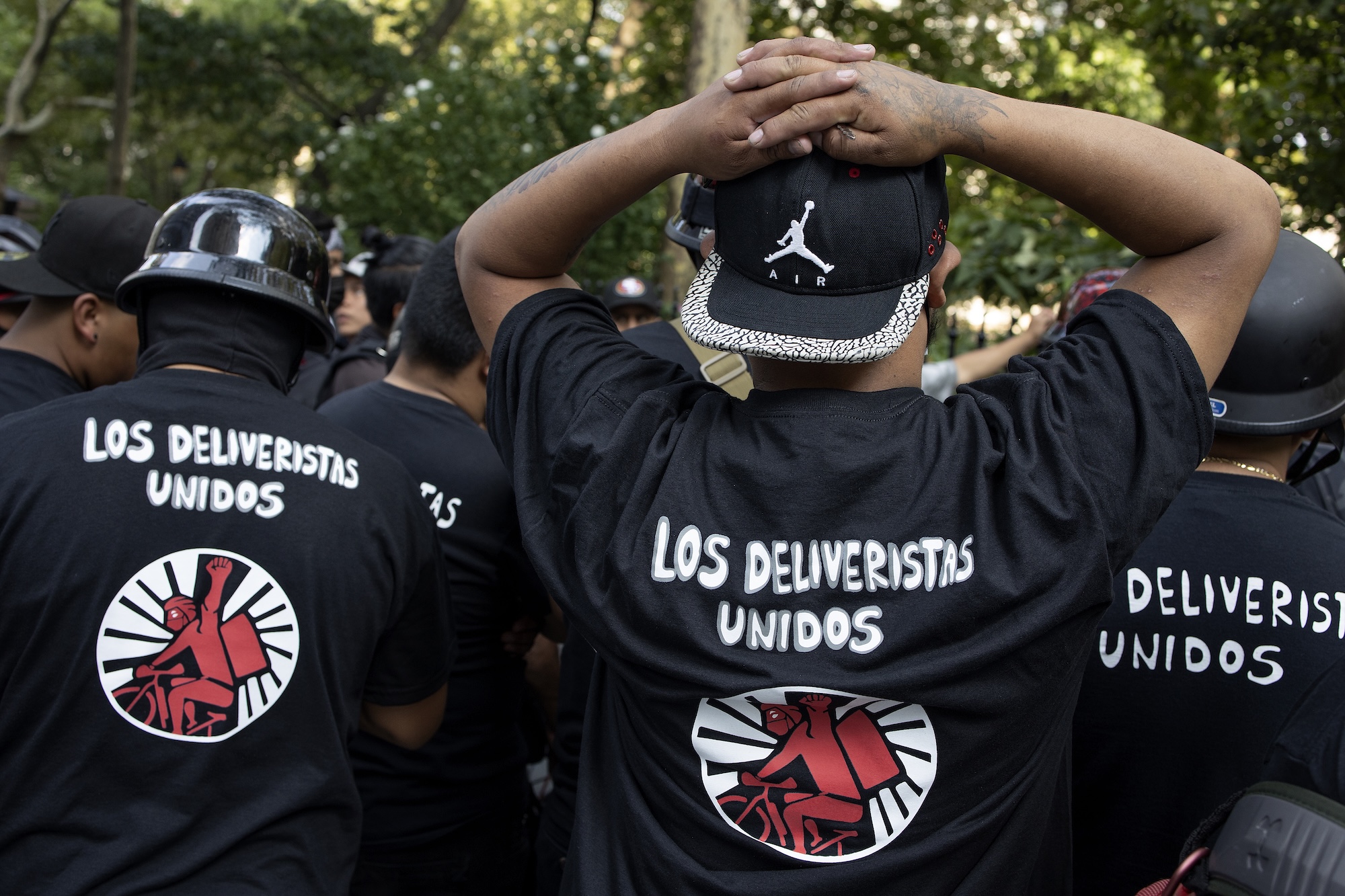
As the industry grew, so did the friction between workers and platforms. In 2021, Los Deliveristas Unidos, a burgeoning labor union, secured a landmark victory by forcing the city to adopt a minimum wage law for app-based workers. Prior to this, many were earning as little as $5.39 per hour before tips. Today, the floor sits at $19.56, yet the structural risks of the job—ranging from wage theft to physical danger—remain acute. In January 2026, the city enacted a deactivation protection bill, requiring companies to provide 72 hours of notice before firing a worker, yet advocates at the Worker’s Justice Project note that dozens of riders still visit their offices daily to contest account closures.
The Intersection of Climate and Labor
The vulnerability of delivery workers is not merely a matter of bad luck; it is a systemic failure to integrate gig labor into municipal climate adaptation plans. Climate change acts as a "stress multiplier" for these workers. In their countries of origin, many were forced to move because traditional livelihoods like farming became untenable due to unpredictable rainfall, droughts, and flooding.
Hari Sharan Tripathi, a 35-year-old worker from Nepal, remembers the orange groves of his family farm in Pokhara. As temperatures rose and the iconic snowcaps of Mount Machhapuchhre receded, the agricultural productivity that sustained his community collapsed. Now, in New York, he faces a different set of climate-driven hazards. Heavy rainfall and flash flooding have become regular occurrences, and when the streets flood, visibility for cyclists plummets. Tripathi reports having fallen multiple times on black ice—a phenomenon he was unfamiliar with before migrating—and notes that extreme weather consistently forces him into more dangerous traffic conditions to complete orders.
Official Responses and Infrastructure Gaps
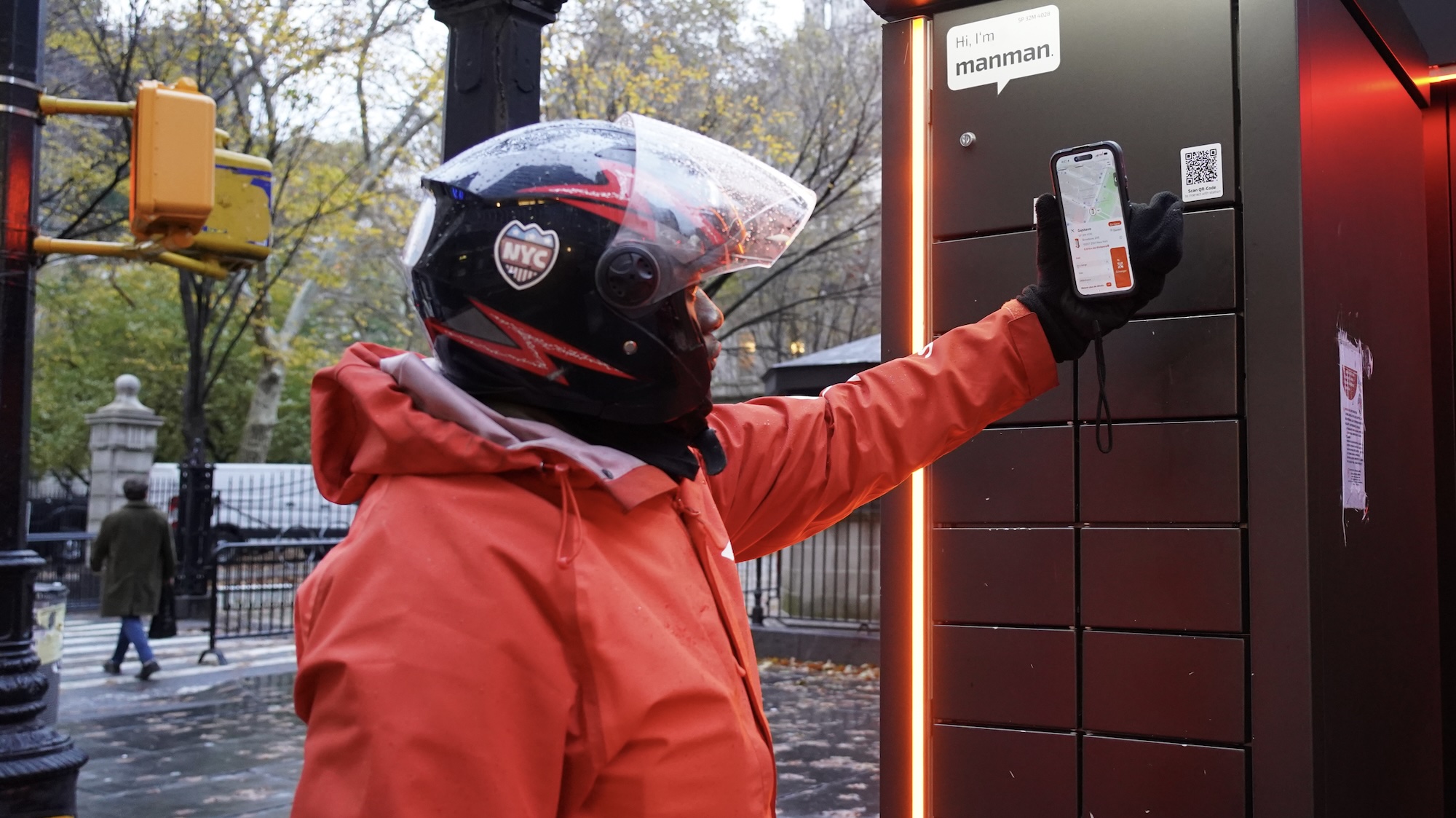
The municipal response to these dangers has been a mix of ambitious policy and logistical stagnation. In 2022, after a high-profile ride-along with Senator Chuck Schumer, delivery worker Gustavo Ajche helped champion the idea of converting unused newsstands into rest stops. While the city allocated $1 million in funding, the actual implementation has been fraught. When the first hub opened in April 2026 under the administration of Mayor Zohran Mamdani, it lacked electricity, and subsequent plans for additional hubs have stalled due to community opposition.
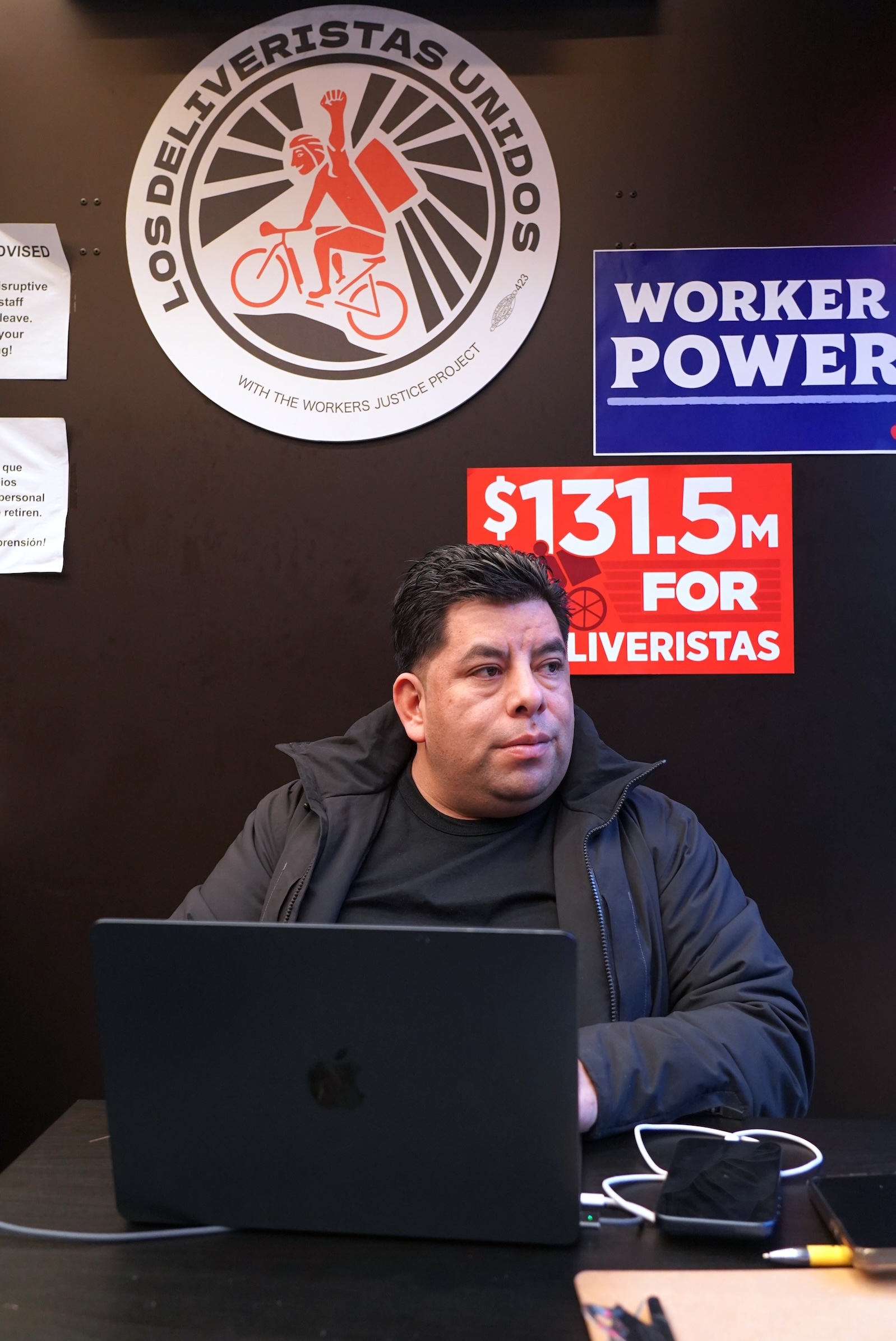
App companies maintain that they have safety protocols in place. DoorDash, for instance, claims to have a "Severe Weather Protocol" that includes proactive warnings and the potential for suspending operations during extreme conditions. Uber Eats has partnered with the Governors Highway Safety Association to distribute safety gear like helmets and reflective vests. However, workers argue that these measures do not account for the economic pressure to maintain high ratings. "They don’t care, and they don’t give us extra time," Yos said. "When it’s bad outside, we can’t hurry, and that lowers our ratings."
Data-Driven Risks
The environmental data supports the workers’ anecdotal reports. The summer of 2026 was the wettest in five years, with 16.92 inches of rain falling between June and August. Approximately 40 percent of those days were characterized by precipitation. Such conditions in a coastal city like New York lead to "pluvial flooding," where the intensity of a downpour overwhelms the drainage capacity of the sewer system. While the city invested $108 million in 2026 to upgrade catch basins and sewer performance, the reality remains that delivery workers are on the front lines of every storm.
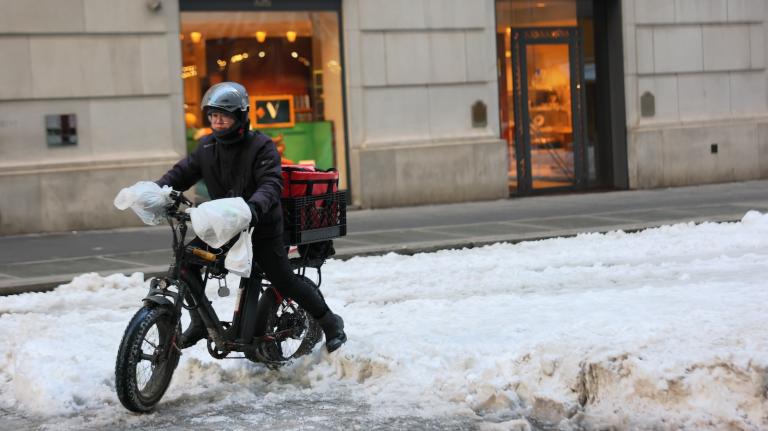
Saliou Ndiaye, a 26-year-old from Senegal, knows the human cost of these conditions all too well. While delivering during a rainstorm in 2022, he was struck by a driver who could not see him through the deluge. The accident resulted in a broken leg and a year of lost wages. For Ndiaye and his colleagues, the weather is not just an inconvenience—it is a life-altering force.
The Question of Climate Migration
Sociologists and researchers, including Erica Bower of Human Rights Watch, caution against the loose application of the term "climate migrant." Because economic survival is almost always a hybrid of environmental and financial factors, pinning a move on climate change alone is difficult. However, studies from the Mixed Migration Centre suggest that when migrants are prompted to consider environmental risks, 30 to 40 percent identify climate-related stressors as a primary driver of their economic instability.
Whether or not they fit a formal legal definition, the reality for thousands of workers is that they are climate-affected. There have been legislative attempts to address this, such as the proposed creation of a "climate migration services coordinator" in New York City, but these bills have struggled to gain legislative traction.
Future Implications
The path forward, according to labor organizers, involves a fundamental shift in how the city views the "gig" workforce. Ligia Guallpa, executive director of the Worker’s Justice Project, argues that delivery workers must be treated as essential responders. "We need policies that reflect the realities these workers face, including hazard pay and meaningful protections that allow them to prioritize their health without risking their livelihoods," she said.

City Council Member Harvey Epstein has introduced legislation that would mandate that delivery apps provide bathroom access, charging stations, and storage facilities. Such a policy would signal a move toward holding platforms accountable for the infrastructure that currently relies entirely on the workers themselves to provide.
As global temperatures continue to rise, the link between the comfort of the consumer and the peril of the deliverer will only sharpen. For workers like José Yos, the next extreme weather event is not a question of "if," but "when." The challenge for the city is to determine if it will continue to rely on the labor of the climate-vulnerable without providing the protections necessary to survive the very conditions that drove them to the city in the first place. Until those protections are codified and enforced, the city’s streets will remain a high-stakes proving ground for the human cost of a changing climate.
