
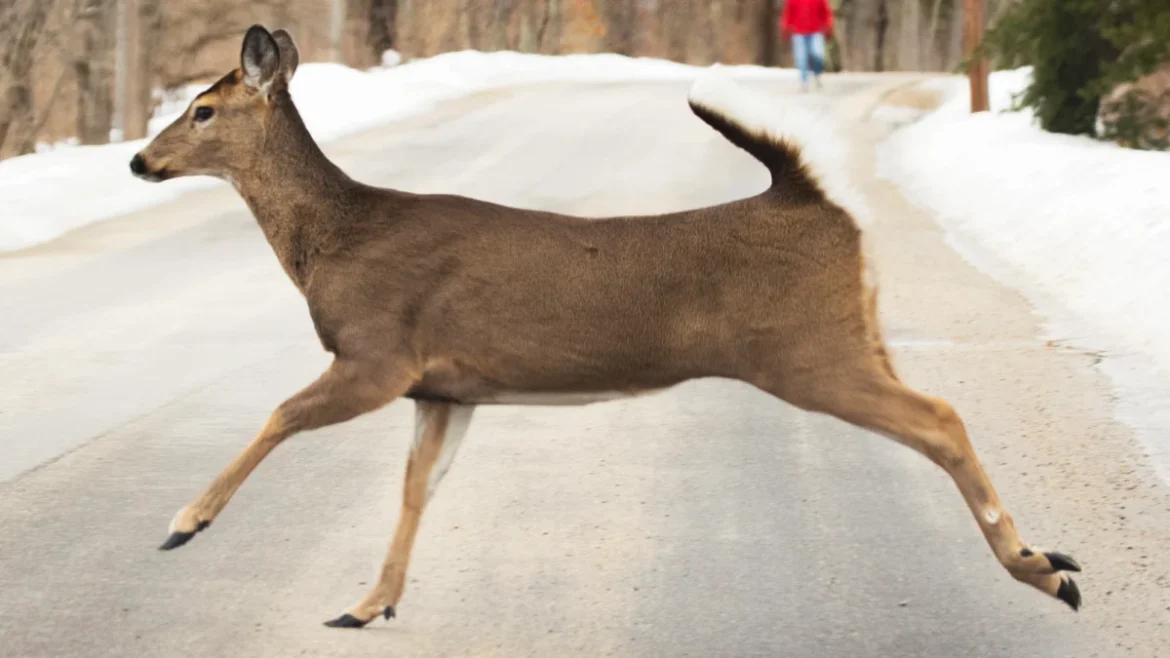
The transition from autumn to early winter brings a predictable shift in ecological patterns, most notably the seasonal breeding period for white-tailed deer, colloquially known as the rut. While human observers may focus on the changing foliage and the onset of colder temperatures, the biological imperatives of the cervid population create significant hazards for motorists. Data from the National Highway Traffic Safety Administration (NHTSA) and various state wildlife agencies consistently indicate that the period between October and December represents the peak window for deer-vehicle collisions, driven by a confluence of hormonal shifts in wildlife and changing human travel patterns.
The Biology of the Rut: Why Deer Become Unpredictable
The rut is a highly specific biological event triggered by photoperiodism—the physiological reaction of organisms to the length of night or a dark period. As the days grow shorter in the Northern Hemisphere, the reduction in sunlight triggers hormonal surges in both buck and doe populations. For male deer, this manifests as an intense drive to locate mates, often overriding their natural survival instincts and wariness of human environments.
During this period, male deer undergo significant physiological changes. They may become highly territorial, engaging in sparring matches with other males, and significantly increasing their physical activity as they roam in search of receptive females. This frantic search leads to a disregard for traditional foraging boundaries. Research indicates that some bucks may lose as much as 20 percent of their body mass during the height of the breeding season, as the drive to reproduce supersedes the need for caloric intake. This state of exhaustion and distraction renders them less reactive to the auditory and visual stimuli of approaching traffic.
Furthermore, yearling bucks are often pushed out of their natal ranges by dominant males, forcing them to traverse unfamiliar territory. These younger, less experienced deer are particularly prone to crossing high-traffic roadways, as they lack an established understanding of the landscape’s hazards.
Chronological Trends and Peak Hours
The correlation between the rut and vehicular accidents is supported by decades of traffic safety statistics. The peak of the breeding season generally occurs from mid-October through November in most of the Northeast and Midwest. During this time, deer movement patterns shift significantly. While deer are naturally crepuscular—meaning they are most active during the twilight hours of dawn and dusk—the intensity of the rut often forces them into movement during daylight hours as well.
The timing of this increased movement coincides with the end of daylight saving time in the United States. When the clocks shift back, the peak hours for human commuting—typically between 5:00 p.m. and 7:00 p.m.—align perfectly with the peak activity hours for deer. This synchronization creates a "perfect storm" for motorists. The reduced visibility at dusk, combined with the heightened, unpredictable activity of deer, results in a statistically significant spike in collision reports. According to recent data from state-level departments of transportation, nearly 1.5 million deer-vehicle collisions occur annually in the United States, resulting in billions of dollars in property damage and hundreds of human fatalities.
Supporting Data and Statistical Analysis
The fiscal and safety implications of these collisions are substantial. The Insurance Institute for Highway Safety (IIHS) reports that the average cost of a deer-vehicle claim has risen steadily over the last decade, reflecting both the increased cost of vehicle repairs—due to advanced sensor suites and safety features in modern cars—and the rising frequency of these incidents.
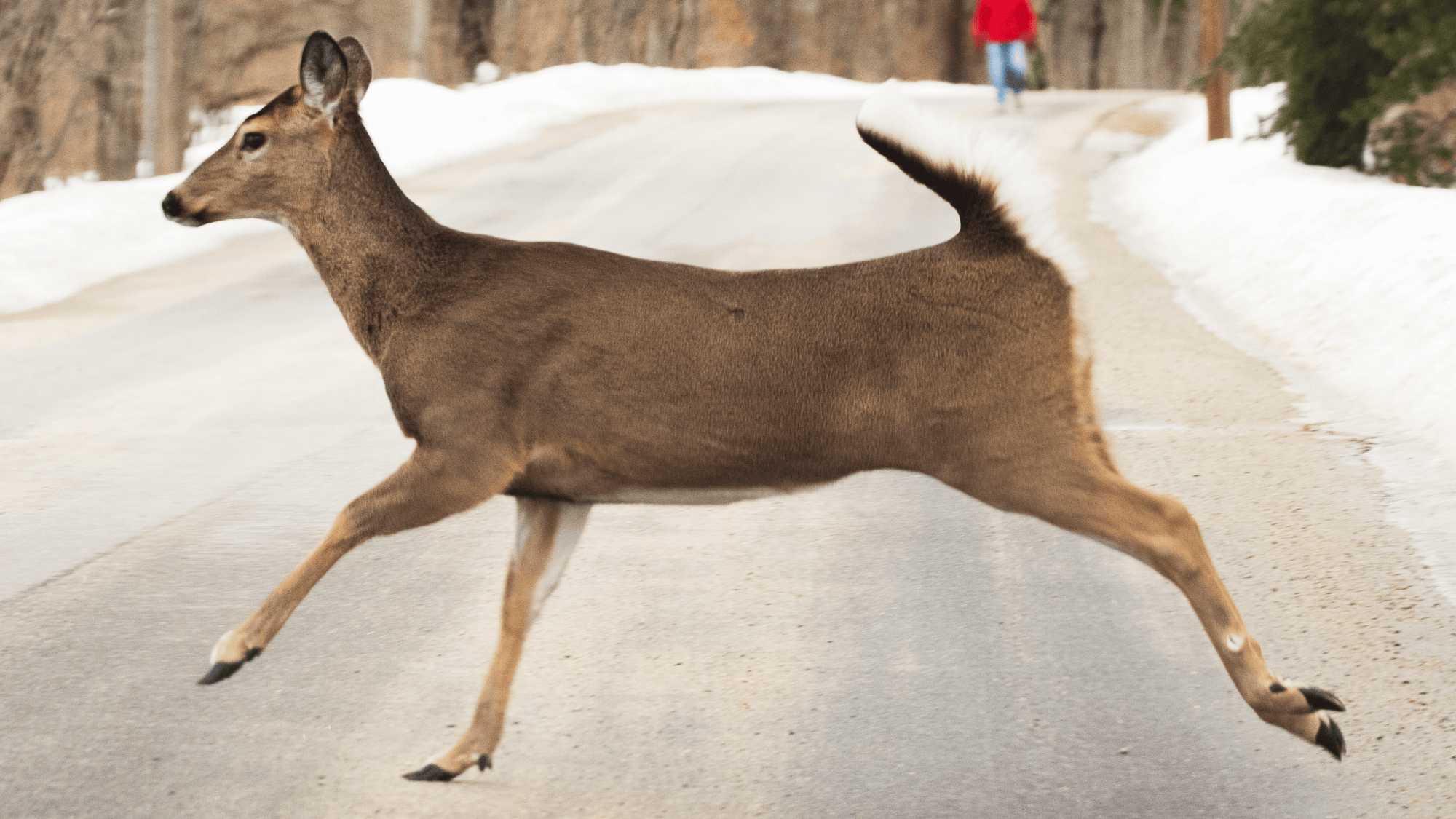
States with high deer population densities, such as Pennsylvania, Wisconsin, Michigan, and New York, consistently lead the nation in reported accidents. In Pennsylvania, for example, the Game Commission notes that approximately 50 percent of all deer-related vehicle accidents occur during the fourth quarter of the year. Analysis of these accidents shows that they are not limited to rural backroads; suburban sprawl has fragmented deer habitats, forcing wildlife to cross increasingly busy arteries and highway systems to navigate between remaining patches of forest and agricultural land.
Official Responses and Mitigation Strategies
Wildlife management agencies and state departments of transportation (DOTs) have adopted several strategies to mitigate these risks. These include the strategic placement of wildlife crossing signs, the implementation of highway fencing, and in some jurisdictions, the installation of wildlife overpasses or underpasses. However, officials emphasize that these infrastructure solutions are limited in scope and that driver behavior remains the primary factor in accident prevention.
State police and wildlife agencies emphasize that drivers should not rely on anecdotal deterrents, such as deer whistles or high-frequency emitters, as there is no consistent scientific evidence confirming their efficacy. Instead, authorities recommend the following defensive driving protocols during the autumn months:
- Heightened Vigilance at Dusk and Dawn: Drivers should treat the hours around sunrise and sunset as high-risk periods, particularly in areas with heavy brush or near wooded corridors.
- Scanning the Roadside: Rather than focusing solely on the center of the road, drivers are encouraged to scan the shoulders and ditch lines for the reflective glow of eyes or the silhouettes of animals.
- Recognizing Group Behavior: Deer are gregarious animals. If one deer crosses the road, it is a high-probability scenario that one or more will follow in a single-file line. Drivers should maintain caution even after the first animal has cleared the lane.
- Avoiding the "Swerve": Perhaps the most critical safety advice provided by traffic engineers is to resist the instinct to swerve. Many of the most severe accidents, including rollovers and collisions with oncoming traffic or fixed obstacles like trees, are caused by drivers attempting to avoid a deer. In many cases, braking in a straight line is the safest course of action, even if a collision with the animal is ultimately unavoidable.
Protocol for Post-Collision Scenarios
In the event of a collision, the recommended protocol is focused on human safety. The first priority is to pull the vehicle off the road, engage hazard lights, and ensure the vehicle is in a safe location. Occupants should remain inside the vehicle if it is on a busy road, or move to a secure area away from the flow of traffic.
Drivers are cautioned against attempting to approach or move an injured or deceased animal. A wounded deer can be unpredictable, aggressive, or capable of inflicting significant injury with its hooves. Furthermore, the scene of a crash can be inherently dangerous due to oncoming traffic. The standard procedure is to contact local law enforcement or emergency services, who are equipped to handle the removal of the animal and file the necessary accident reports for insurance purposes.
Broader Implications for Wildlife Management
The increase in deer-vehicle collisions also highlights broader environmental and urban planning challenges. As human development continues to encroach on natural habitats, the "interface" between wild populations and human infrastructure grows more complex. Wildlife biologists argue that the intensity of the rut serves as a visible metric of habitat fragmentation. When deer are forced to traverse high-speed corridors to find mates or food, the risk to both the animal population and the public increases.
The implications extend to ecological health as well. High-density deer populations can lead to overgrazing, which negatively impacts forest regeneration and biodiversity. Some states have attempted to manage these populations through adjusted hunting seasons or fertility management programs, though these efforts are often subject to public debate and legislative scrutiny.
Ultimately, the seasonal spike in deer-vehicle collisions serves as a stark reminder of the intersection between biological cycles and modern infrastructure. As the autumn months continue to see elevated risks, the focus remains on public education and the cultivation of defensive driving habits. By understanding the underlying biological triggers of the rut—and the resulting change in deer behavior—motorists can better anticipate hazards and navigate these critical months with a heightened degree of safety and awareness.
