
Diplomatic channels between Washington and Tehran are experiencing a delicate and high-stakes flutter as Iranian Foreign Minister Abbas Araghchi announced that a newly refined proposal mediated by regional partners could see the critically vital Strait of Hormuz fully reopened to international commercial shipping within just 48 hours. Speaking from Doha, Qatar, where an Iranian diplomatic delegation has been engaging in intense indirect consultations, Araghchi’s remarks point to a potential breakthrough in an economic and military standoff that has gripped the Persian Gulf for over eight months.
The announcement comes at a crucial juncture in the broader regional conflict, which officially crossed its eight-month mark following the outbreak of hostilities on February 28, 2026. While both sides have continued to posture aggressively on the ground and at sea, the mounting economic pressure on global markets, combined with intensive shuttle diplomacy led by Qatar and Pakistan, has created an opening for negotiated solutions. However, substantial gaps remain regarding the sequencing of concessions, the status of Iran’s nuclear infrastructure, and the enforcement of freedom of navigation through the world’s most critical oil choke point.
Shifting Stances on the Strait of Hormuz and Blockade Realities
The core of the current diplomatic friction centers on the passage of commercial vessels through the Strait of Hormuz. Last month, Foreign Minister Araghchi floated an initial proposal suggesting that Iran would permit the resumption of normal traffic within a week, provided the United States agreed to lift its sweeping naval blockade of Iranian ports, unfreeze billions of dollars in overseas Iranian assets, and waive severe sanctions targeting Iranian oil sales. That early overture was summarily dismissed by the administration of President Donald Trump.
However, intense economic and military friction has persisted along the waterway. According to recent data released by U.S. Central Command (CENTCOM), the American-led naval blockade has successfully redirected 144 commercial vessels since the conflict began, up from 138 reported two weeks prior. To maintain global energy flows, the United States has been guiding oil tankers out of the Persian Gulf under heavy military escort to facilitate ship-to-ship crude transfers in the Gulf of Oman. While U.S. Treasury Secretary Scott Bessent noted on social media that transit levels have largely returned to pre-conflict baselines—minus Iranian barrels—and that the coalition has helped export more than 1.5 billion barrels of oil, the operation remains exceptionally expensive and resource-intensive.
Simultaneously, the waterway has transformed into a theatre of active hazard. The United Kingdom Maritime Trade Operations Centre (UKMTO) reported that October marked a record high for maritime security incidents, with more than 30 attacks recorded in the Strait of Hormuz, the Gulf of Oman, and the Persian Gulf—double the frequency seen in September. Since the war’s inception, UKMTO has logged 145 distinct incidents.
Tensions escalated further when Iran’s Islamic Revolutionary Guard Corps (IRGC) claimed that multiple tankers traversing the southern route—a path heavily advocated and protected by the U.S. military—had struck naval mines after operating with their navigation systems disabled in prohibited zones. Omani authorities reported successfully evacuating 25 crew members from a Panama-flagged commercial tanker that caught fire roughly 1.6 nautical miles off the coast of Musandam Governorate following a projectile strike. Despite these attacks, CENTCOM commander Adm. Brad Cooper reiterated assertions that Iran’s active navy has been neutralized and that internationally recognized shipping lanes remain secure under constant coalition surveillance.
Nuclear Doctrine and Security Postures Amid Stalled Talks
While mediation efforts in Doha press forward, military and political leaders in Tehran and Washington maintain starkly divergent positions on Iran’s nuclear capabilities and regional ambitions. Mohsen Rezaei, the powerful secretary of Iran’s Supreme National Security Council, stated that the nation has made no official alterations to its foundational nuclear doctrine, though he acknowledged that renewed military conflict could force a reevaluation. "The discussion is raised that if war breaks out again, do we want to have the previous doctrine or not, but no new official and governmental decision has been made yet," Rezaei told the official IRNA news agency.
The U.S. and Israel have consistently accused Iran of pursuing weapons-grade uranium enrichment, a claim Tehran denies, maintaining that its nuclear program is exclusively peaceful. President Trump has repeatedly emphasized that preventing Iran from ever acquiring a nuclear weapon remains the primary objective of the American military campaign. Iranian nuclear facilities have sustained repeated strikes from U.S. and Israeli forces, though the precise extent of remaining operational capacity remains obscured.
Adding a layer of complexity to the diplomatic outreach, Vice President JD Vance recently dispatched a formal letter to Rezaei outlining American parameters for peace talks. While international observers viewed the communication as a significant olive branch, President Trump later characterized the outreach as a targeted humanitarian effort focused strictly on facilitating the delivery of medical supplies into Iran. Rezaei confirmed he has not yet formulated a formal response to the communication.
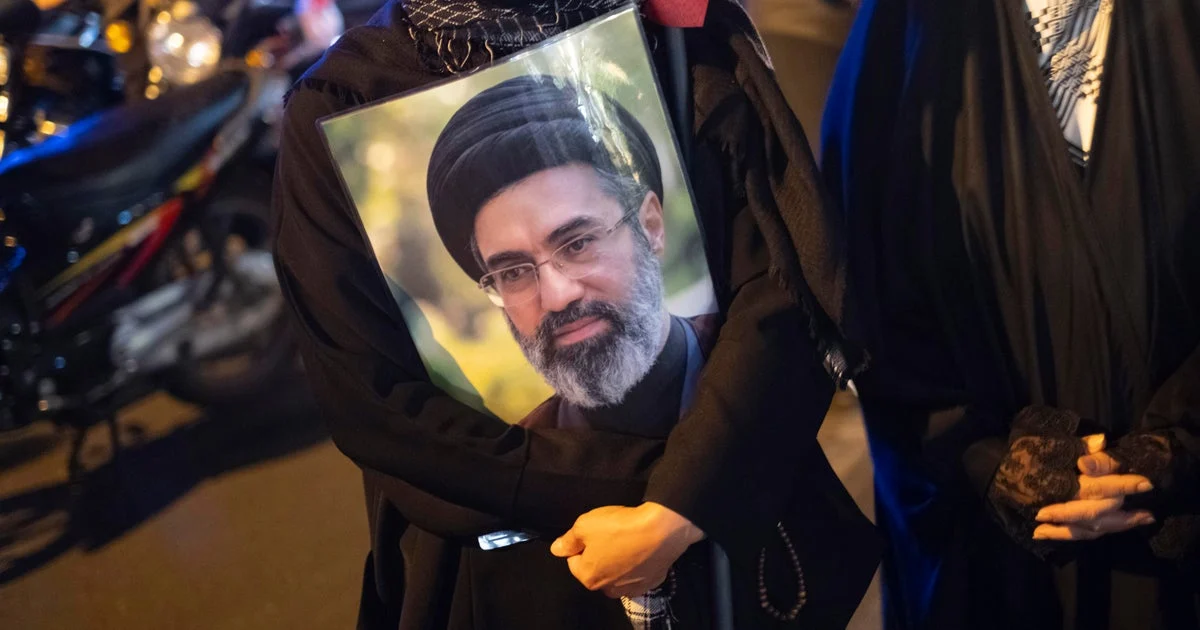
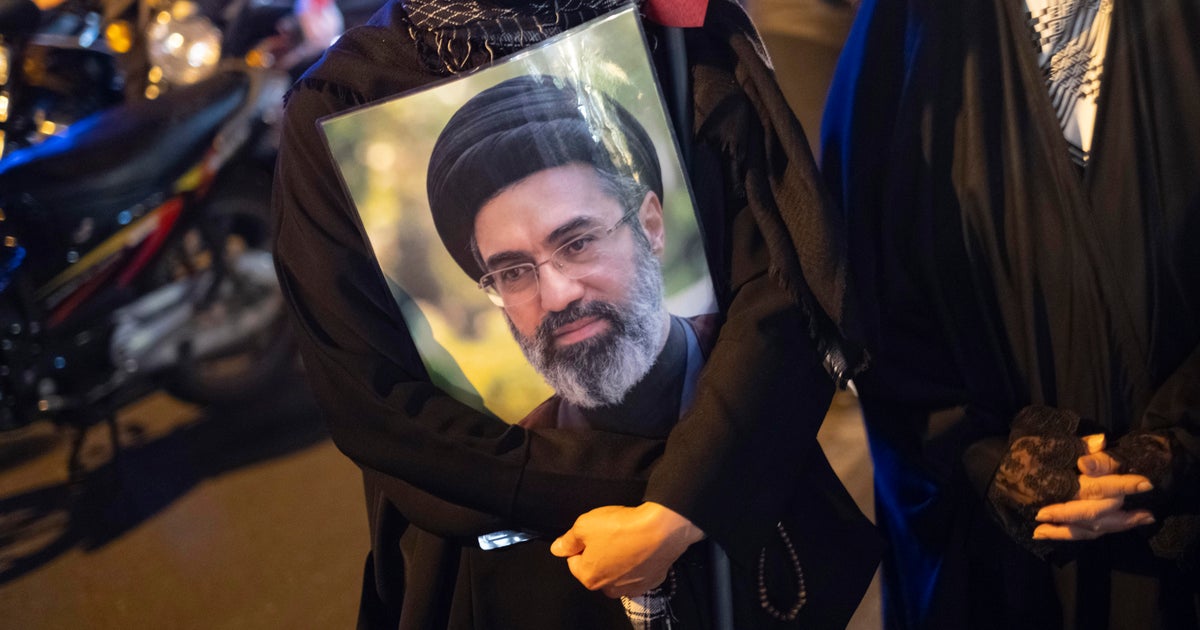
Meanwhile, newly appointed Iranian Supreme Leader Mojtaba Khamenei issued a stern warning from Tehran, directing military commanders to prepare immediate, impactful, and geographically unrestricted responses to any renewed American or allied aggression. In his first reported meeting with top military brass—including armed forces chief of staff Ali Abdollahi, army chief Amir Hatami, and Revolutionary Guard commander Ahmad Vahidi—Khamenei stressed that the Iranian nation and its armed forces would dictate the terms and conditions for concluding any future escalation.
Broader Regional Ripple Effects and International Diplomacy
The fallout from the protracted conflict continues to reverberate across the Middle East, drawing in neighboring states and impacting global economic forums. In Saudi Arabia and Yemen, the security situation remains volatile. The Saudi-led military coalition reported intercepting multiple hostile drones and ballistic missiles targeting Riyadh, the Mecca region, and southern Saudi Arabia, attacks which authorities attributed to Iran-backed Houthi rebels. Concurrently, strikes attributed to the Houthis hit the presidential palace compound in Aden, the seat of Yemen’s internationally recognized government, compounding a humanitarian crisis that has displaced over 275,000 people since fighting reignited in July.
In Lebanon, judicial authorities ratcheted up pressure on Hezbollah, a key Iranian regional ally, by charging 13 individuals—including 12 members of the militant group and a spouse—following the seizure of a massive 1,100-pound explosives shipment earlier in the month. The move aligns with a broader push by Lebanese Prime Minister Nawaf Salam, backed by Washington, to curb paramilitary activities outside the state’s legal framework and enforce the terms of a fragile framework peace agreement signed with Israel earlier in the year.
The cascading economic impacts of the eight-month war also dominated discussions at the G20 foreign ministers’ meeting in Atlanta, hosted by U.S. Secretary of State Marco Rubio. Gathered ahead of a presidential-level summit scheduled for December in Miami, global economic leaders grappled with persistently high energy costs and disrupted supply chains. Major energy firms have reported massive windfalls from the oil price surge; ExxonMobil announced its third-quarter profits more than doubled to $15.4 billion, buoyed by benchmark crude prices sitting roughly 70% higher than levels recorded the previous year.
Secretary Rubio maintained a firm line during press briefings, emphasizing that while the United States retains the military capacity to achieve all strategic objectives if necessary, Washington ultimately prefers a peaceful resolution. "If we needed to do something militarily, we would have the ability to do it," Rubio stated. "But we would prefer to do it peacefully."
As Qatari and Pakistani mediators continue their shuttle diplomacy between Washington and Tehran, the immediate trajectory of the conflict hinges on whether Iran’s conditional demands—specifically the lifting of port blockades, asset unfreezing, and sanctions relief—can be bridged with Washington’s insistence on permanent security guarantees and verifiable limits on nuclear development. For now, the global shipping industry and energy markets watch anxiously to see if the proposed 48-hour reopening of the Strait of Hormuz will materialize into a tangible diplomatic accord or dissolve amid lingering distrust.

