

As the American electorate approaches the final days of a high-stakes election cycle, the battle for control of the United States Senate has reached a fever pitch. With the current chamber split at 53-47 in favor of Republicans, the narrow margin has turned every competitive race into a potential pivot point for the legislative branch. According to veteran Democratic strategist Dan Turrentine, a former chief of staff to Colorado Governor Jared Polis, the landscape has shifted significantly in favor of a Democratic takeover, driven by a combination of strategic campaigning and what he describes as significant vulnerabilities in Republican candidate selection.
The Shifting Electoral Landscape
With just five days remaining until the polls close, political observers are parsing data from a series of races once considered safely in the Republican column. Turrentine suggests that the current momentum is not merely a result of traditional swing-state performance, but a byproduct of structural weaknesses within the GOP’s candidate slate.
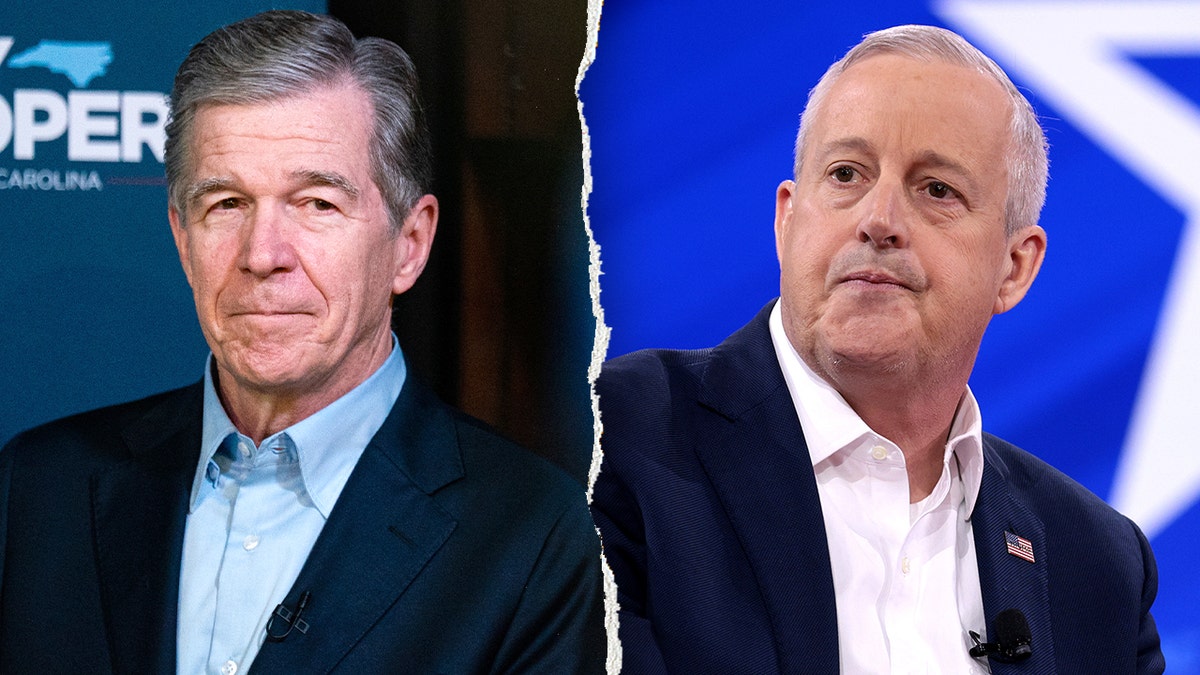
The most prominent example of this shift is the race in North Carolina. Following the retirement of incumbent Senator Thom Tillis, the seat was widely expected to remain under Republican control. However, current polling data indicates a dramatic surge for former Governor Roy Cooper, who holds a commanding lead over former Republican National Committee chairman Michael Whatley. This development underscores a broader trend: Democrats are successfully encroaching on territory that has historically been considered reliable "Trump country."

Candidate Quality and Electoral Volatility
Turrentine, who co-hosts "The Huddle" podcast alongside former White House Press Secretary Sean Spicer, attributes much of the uncertainty to the caliber of candidates fielded by the Republican Party in key jurisdictions. He points to several specific races—including Texas, Mississippi, Kansas, and South Carolina—where he argues that internal candidate issues have hindered the GOP’s ability to solidify their hold on the majority.
In Texas, the candidacy of Ken Paxton has drawn scrutiny, while Mississippi’s Cindy Hyde-Smith and Kansas’s Roger Marshall are facing unexpectedly robust challenges. Perhaps most notable is the race in South Carolina, where Darlene Graham Nordone is vying to succeed her late brother, former Senator Lindsey Graham. As these races tighten, the prospect of a Republican loss in the Senate has moved from a remote possibility to a tangible threat.
"If Republicans lose the Senate, it’s likely one of those four loses," Turrentine noted. He argues that while the national political climate and the standing of the president are factors, the "last mile" of these campaigns is being defined by the specific strengths and weaknesses of the individuals on the ballot.
The Polling Dilemma
Despite the optimism permeating Democratic circles, the reality of modern polling remains a source of profound anxiety for campaign managers. The industry is currently grappling with the "silent majority" phenomenon and the difficulty of reaching voters in an era where landline usage has plummeted and voters are increasingly wary of unknown numbers.
The historical context of the last three election cycles—2016, 2022, and 2024—serves as a cautionary tale. In each instance, pollsters struggled to capture late-breaking dynamics, often missing the intensity of voter frustration or the surge of early-voting turnout. Turrentine acknowledges that campaigns are "terrified" of the data, noting that the inability to definitively distinguish between high-propensity voters banking their ballots early and a genuine expansion of the electorate has left strategists on both sides of the aisle with a "knot in their stomach."
The Alaska Controversy and Spoiler Dynamics
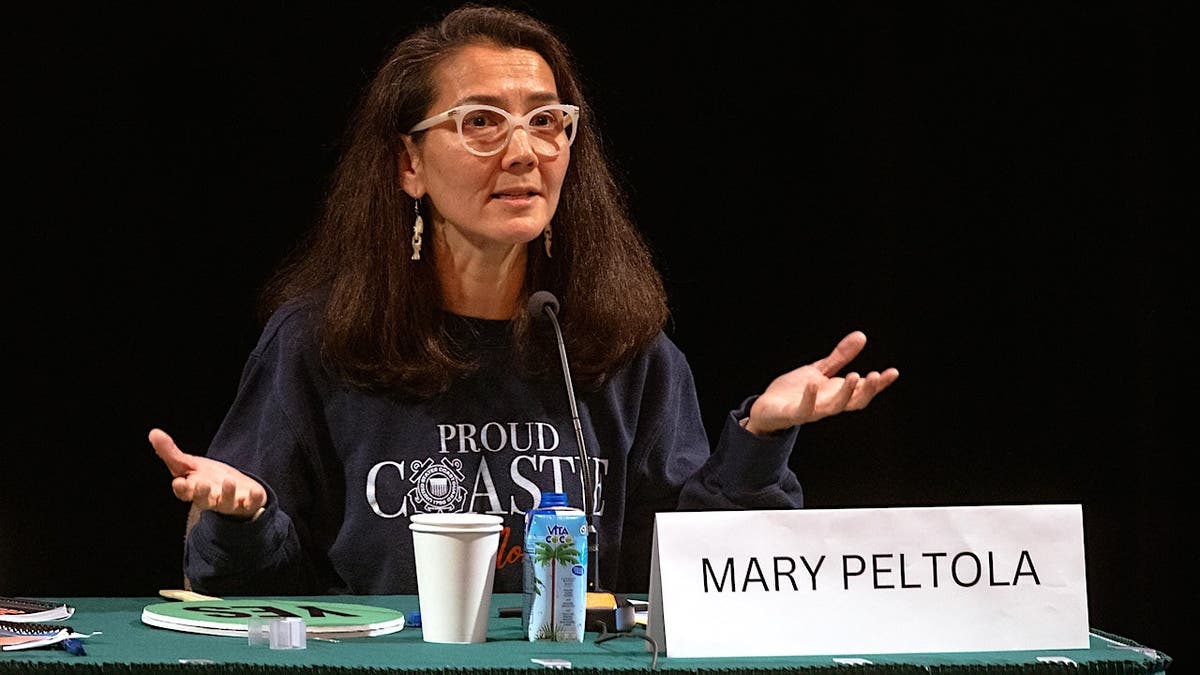
The narrative of a straightforward Democratic sweep has been complicated by recent reports surrounding the Alaska Senate race. A bombshell report from The New York Times alleged that the campaign of former Representative Mary Peltola, a Democrat, was involved in the recruitment of a candidate named Daniel J. Sullivan to run against the incumbent Republican Senator, Daniel S. Sullivan. The accusation suggests a deliberate effort to leverage name confusion to influence the outcome of the race.
Peltola has categorically denied any involvement in the recruitment of the namesake candidate. However, the controversy has undeniably rattled the campaign, with observers noting that the Alaska contest, once viewed as a potential gain for Democrats, has devolved into a volatile toss-up. Turrentine observes that if the Alaska seat remains in Republican hands, the Democrats’ path to a majority becomes significantly more arduous, necessitating victories in Ohio, Texas, and at least one of the remaining battlegrounds in Michigan, Maine, or Mississippi.
Maine and the Persistence of Incumbents
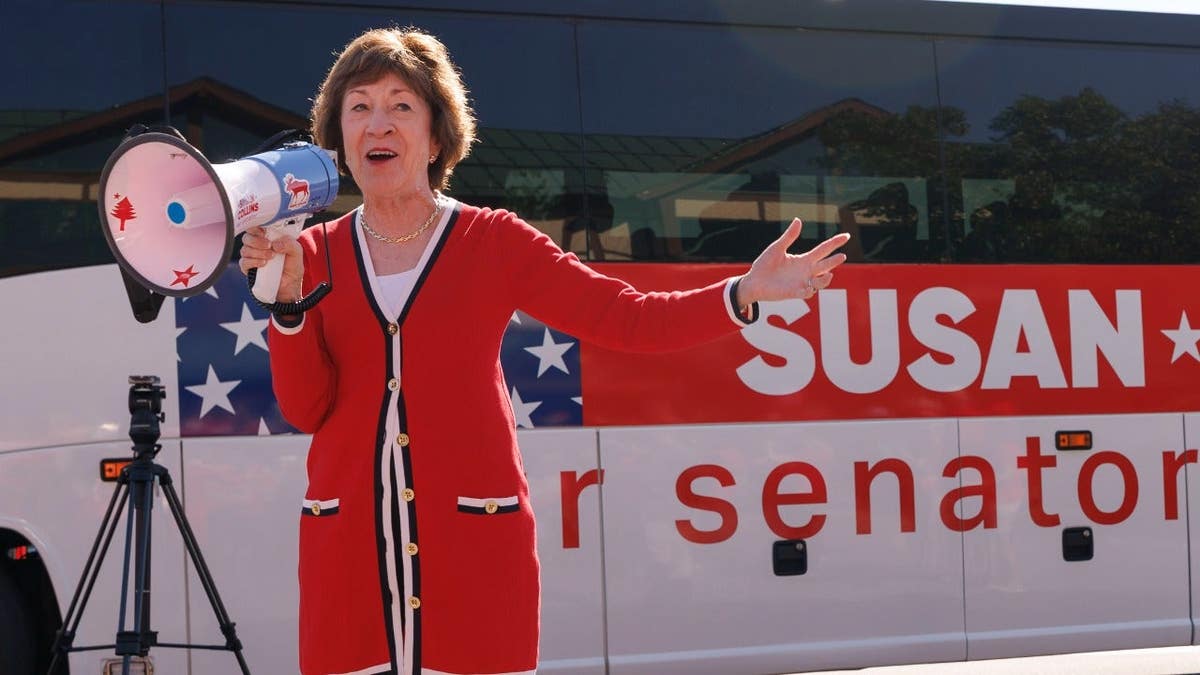
The situation in Maine remains a perennial fascination for political analysts. For years, Democratic operatives have sought to unseat Senator Susan Collins, often coming close only to see her maintain her hold on the seat. The current race against challenger Troy Jackson is proving no different. According to a recent CNN poll, Collins is trailing 49-45, placing her within the margin of error. Despite the recurring nature of these challenges, the prospect of the Senate majority being decided by a race in Maine or Alaska is a scenario that many in the Democratic Party find deeply uncomfortable.
Internal Party Dynamics and Future Governance
Should Democrats successfully secure a majority, they will immediately face the challenge of reconciling internal ideological divisions. Turrentine highlights the growing tension between the party’s moderate wing—the "majority makers"—and the increasingly vocal far-left base. Both factions believe they are the indispensable engine of the party, creating a delicate balancing act for leadership.
This is particularly relevant regarding the transition in the House of Representatives. House Minority Leader Hakeem Jeffries, who is positioned to become Speaker if Democrats regain control, remains a figure of intense speculation. Turrentine notes that while former Speaker Nancy Pelosi possessed the unique ability to command the trust of both the progressive and moderate wings of the party, Jeffries faces lingering questions from both sides regarding his policy priorities and his standing within the party hierarchy. Meanwhile, in the Senate, Majority Leader Chuck Schumer faces his own set of pressures, including the ever-present threat of primary challenges from the left.
Broader Implications for Congress
The potential flip of the Senate represents more than just a change in leadership; it signals a fundamental shift in the legislative agenda for the coming years. A Democratic-led Senate would likely prioritize judicial appointments, environmental regulations, and social policy, while a Republican-led chamber would focus on tax reform, deregulation, and judicial conservatism.
The narrowing margins in the House and the Senate suggest that the next Congress will be defined by gridlock unless there is a willingness to engage in bipartisan compromise. However, the current political climate—characterized by intense polarization and the influence of "disgruntled" voters who feel alienated from their own party—suggests that the window for consensus is rapidly closing.
As the nation heads to the polls on Tuesday, the eyes of the country are fixed on these critical contests. The outcome will not only determine the legislative agenda for the next two years but will also serve as a referendum on the efficacy of modern campaign strategies, the reliability of current polling metrics, and the resilience of the American electorate in the face of an increasingly fragmented political landscape. Regardless of the outcome, the results will undoubtedly reshape the trajectory of American governance for the foreseeable future.

