
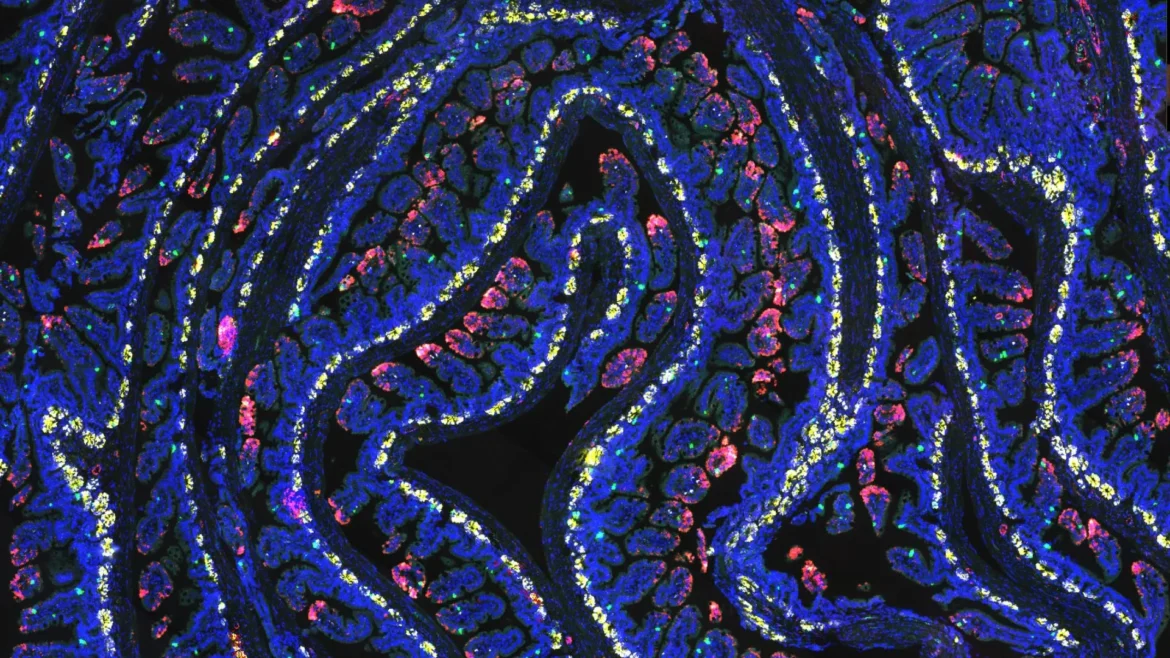
A 24-hour fast may serve as a crucial biological catalyst, preparing the intestines to recover from severe radiation damage, but scientists have discovered that a specific gut bacterium plays an indispensable role in making this protective mechanism possible. New preclinical research conducted at The University of Texas MD Anderson Cancer Center has mapped out precisely how short-term dietary restriction and beneficial microbes work in tandem to activate the body’s natural tissue repair systems.
Published in the Proceedings of the National Academy of Sciences, the landmark study was co-led by Dr. Helen Piwnica-Worms, a professor of Experimental Radiation Oncology, and Dr. Kunal Rai, a professor of Genomic Medicine. The findings offer a promising avenue for mitigating some of the most debilitating side effects of cancer treatment, potentially shielding healthy tissue from collateral damage without compromising the therapeutic destruction of tumors. By harnessing the synergy between nutrition and the microbiome, researchers hope to pave the way for safer, more tolerable radiation regimens for abdominal cancer patients.
The Vulnerability of the Gastrointestinal Tract in Cancer Therapy
Radiation therapy remains a cornerstone of modern oncology, frequently deployed to manage and eradicate malignancies situated within the abdomen and pelvic regions, including pancreatic, colorectal, and gynecological cancers. While modern linear accelerators and advanced delivery techniques strive to maximize the radiation dose delivered directly to the tumor while sparing surrounding healthy anatomy, achieving absolute precision is rarely possible. Consequently, healthy tissues adjacent to the target area inevitably absorb scatter radiation.
The small intestine is exceptionally vulnerable to ionizing radiation. Its mucosal lining possesses a high rate of cellular turnover, making it acutely sensitive to the DNA-damaging effects of radiation exposure. When this delicate protective barrier is compromised, patients frequently experience a cascade of acute and chronic toxicities. Acute side effects include severe nausea, debilitating diarrhea, painful cramping, and an elevated risk of systemic infection due to compromised barrier function. In more severe cases, radiation enteritis can lead to life-threatening complications such as intestinal perforation, bleeding, or chronic malabsorption.
These clinical toxicities impose hard limits on the cumulative radiation dose that physicians can safely administer. Oncologists must frequently fractionate doses or halt treatment entirely to allow the patient’s gastrointestinal tract time to heal, which can inadvertently compromise the overall efficacy of the cancer treatment. Protecting the small intestine from radiation injury has therefore remained a critical, unmet clinical need in radiation oncology for decades.
Unraveling the Mechanisms of Nutritional Preconditioning
For years, researchers in the Piwnica-Worms Laboratory have investigated the intersection of metabolism and cellular stress responses. Previous preclinical investigations demonstrated that a brief, 24-hour fast prior to radiation exposure conferred a remarkable protective effect, significantly enhancing the survival and recovery of intestinal tissues post-injury. However, the precise molecular pathways and systemic signals responsible for this phenomenon remained obscure.
The latest study provides the missing link by elucidating how dietary restriction fundamentally alters the microenvironment of the gut. The researchers discovered that abstaining from food for 24 hours induces a significant shift in the composition of the intestinal microbiome, specifically increasing the abundance of a beneficial, mucin-degrading bacterium known as Akkermansia muciniphila, frequently abbreviated as AKK.
Akkermansia muciniphila is a well-studied commensal bacterium residing in the mucus layer of the mammalian gut. Under fasting conditions, the proliferation of AKK leads to a marked increase in the production of short-chain fatty acids (SCFAs), most notably propionate. This metabolic byproduct acts as a crucial signaling molecule, triggering a cascade of biochemical changes inside the epithelial cells lining the small intestine.
Cellular Priming and Epigenetic Modification
The introduction of propionate, acting in concert with broader metabolic shifts induced by fasting, directly influences the regulation of nuclear proteins called histones. Histones serve as the structural spools around which chromosomal DNA is wrapped within eukaryotic cells. By attaching small chemical markers to these histone proteins—a process known as epigenetic modification—cells can alter the accessibility of specific regions of the genetic code without altering the underlying DNA sequence itself.
In the case of the fasted gut, these epigenetic modifications render portions of the DNA more accessible, effectively unlocking genes associated with cellular regeneration, tissue repair, and stress resistance. During the 24-hour fasting window, a specialized pool of intestinal stem cells and progenitor cells primed with these regenerative instructions expands significantly.
When the intestines are subsequently exposed to therapeutic radiation, the preconditioned cells are uniquely equipped to respond. Rather than succumbing immediately to apoptosis or mitotic catastrophe, the primed cells rapidly proliferate to replace damaged tissue, accelerating the restoration of the intestinal mucosal barrier.
The Indispensable Role of Akkermansia muciniphila
To definitively establish whether Akkermansia muciniphila was a passive bystander or an active driver of this protective process, the research team conducted a series of depletion and reconstitution experiments. When researchers selectively eliminated AKK from the microbiome of experimental models, the tissue-protective benefits of the 24-hour fast were completely abrogated. Fasting alone, in the absence of the bacterium, failed to induce the epigenetic changes required for enhanced intestinal recovery.
Crucially, when AKK was reintroduced to the microbiome of the depleted subjects alongside the fasting regimen, the protective response was fully restored. This dual-requirement elegantly demonstrated that neither dietary restriction nor the presence of the microbe is sufficient in isolation; rather, it is the synergistic interaction between the two that orchestrates the profound tissue-protective phenotype.
"Fasting helps prepare intestinal cells to respond more quickly and effectively after injury, almost like training the cells with an emergency preparedness plan," explained Dr. Helen Piwnica-Worms. "This study helps explain how that plan is organized and identifies a key bacterium involved in coordinating the response."
Broader Implications for Cancer Care and Tissue Regeneration
While the implications for radiation oncology are profound, the discovery also opens new investigative pathways for managing toxicity in other tissues characterized by rapid cellular turnover. Tissues such as bone marrow, which is frequently decimated by systemic chemotherapy and total-body irradiation, could potentially benefit from similar metabolic and microbial priming strategies.
Despite the enthusiasm surrounding these preclinical findings, the research team emphasizes that the work remains in its early stages. Rigorous translational studies and clinical trials will be required to determine whether the exact same microbiome-metabolite-epigenetic axis operates in human patients undergoing abdominal radiotherapy.
Furthermore, the practical challenges of prescribing a strict 24-hour fast to vulnerable cancer patients—many of whom are already grappling with cancer-associated cachexia, fatigue, and severe weight loss—cannot be overstated. Recognizing these clinical hurdles, the researchers are already looking toward alternative methods of translating these biological insights into patient care.
"Fasting is not always practical for cancer patients, and this work supports several other potential ways to enhance recovery after treatment," noted Dr. Kunal Rai. "Whether through dietary interventions, targeted microbes or their metabolites, the goal is to help repair healthy tissue more effectively while patients receive the cancer therapies they need."
Pathways to Clinical Translation
To circumvent the logistical barriers of patient fasting, future therapeutic development may focus on "postbiotics"—formulations containing the beneficial metabolites produced by AKK, such as propionate—or targeted live biotherapeutic products designed to enrich Akkermansia muciniphila levels within the gastrointestinal tract without requiring dietary abstinence. Administering these targeted interventions prior to radiation cycles could theoretically confer the same protective epigenetic priming to the small intestine while allowing patients to maintain adequate nutritional intake.
As oncology continues to move toward precision medicine and supportive care strategies designed to improve quality of life during survivorship, protecting normal tissue has emerged as a critical frontier. By illuminating the complex biochemical crosstalk between host nutrition, commensal bacteria, and epigenetic cellular memory, this study provides a robust scientific foundation for novel interventions that could eventually render cancer therapies both safer and more effective.
The research was generously supported by grants from the National Cancer Institute (NCI), a division of the National Institutes of Health (NIH), and the Cancer Prevention and Research Institute of Texas (CPRIT), underscoring the national and regional commitment to advancing transformative cancer research.
