
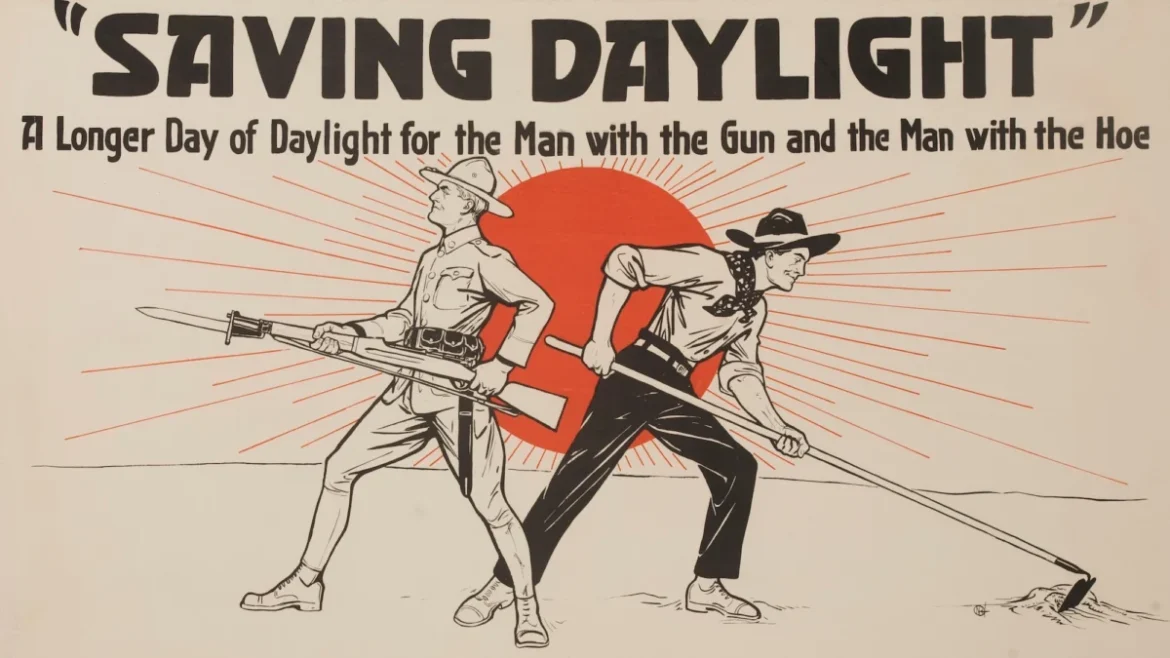
As the autumnal transition approaches, the annual ritual of adjusting clocks—a practice known as daylight saving time (DST)—once again moves to the forefront of the American public discourse. On the first Sunday of November, the nation will "fall back," gaining an hour of sleep while signaling the end of the long summer evenings. Despite the ubiquity of this practice, the origins, motivations, and historical consequences of manipulating the clock remain shrouded in misconception. Far from being a simple, unified policy, DST is a legacy of wartime exigency, industrial lobbying, and failed legislative experiments that continue to influence contemporary policy debates.
A Chronology of Time Manipulation
The history of daylight saving in the United States is not a linear progression but a fragmented series of legislative maneuvers. While modern debates often focus on the convenience of extended evening light, the mechanism was originally introduced as a radical measure of national mobilization.
- 1918: Following the precedent set by Germany during World War I to conserve coal, the United States enacted the Standard Time Act, establishing the first federal daylight saving system.
- 1919: Public and agricultural backlash against the practice led to the repeal of the federal mandate, though some cities, most notably New York, opted to continue the practice locally.
- 1942–1945: During World War II, President Franklin D. Roosevelt instituted "War Time," a year-round observation of daylight saving, to maximize industrial productivity.
- 1966: The Uniform Time Act was passed, bringing a semblance of order to the chaotic patchwork of local time zones by mandating that any state choosing to observe DST must do so consistently across its entire jurisdiction.
- 1974: In response to the OPEC oil embargo and the subsequent energy crisis, the U.S. implemented a year-round daylight saving experiment, which was prematurely abandoned due to widespread public dissatisfaction.
- 2007: The Energy Policy Act extended the duration of DST, shifting the start to the second Sunday in March and the end to the first Sunday in November, which remains the current standard.
Debunking the Agricultural Myth
Perhaps the most pervasive myth surrounding DST is the notion that it was designed to accommodate the needs of the agricultural sector. The narrative suggests that farmers lobbied for the extra hour of light to facilitate harvesting and planting. Historical records, however, indicate the exact opposite.
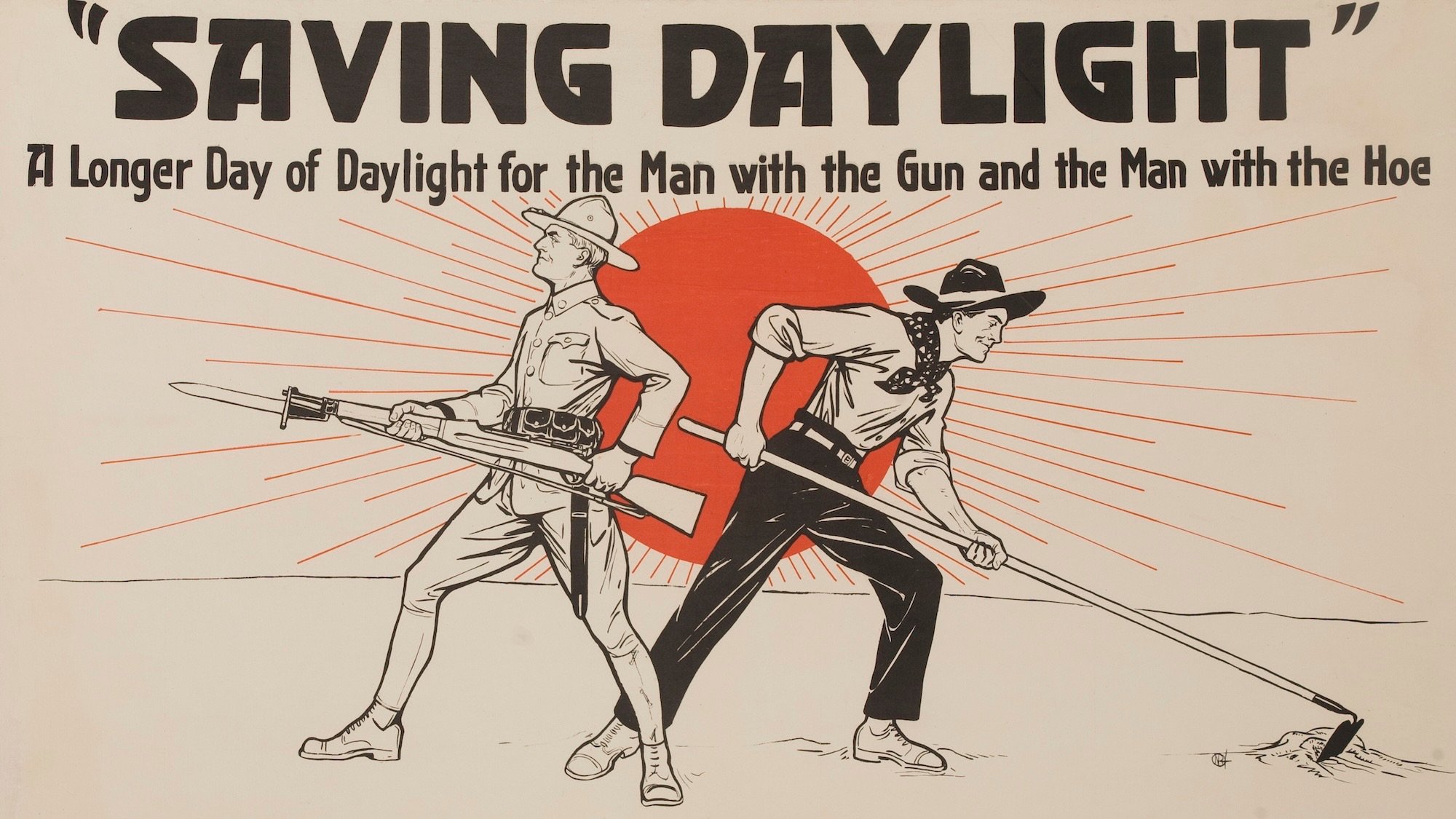
The American agricultural industry was the most vocal opponent of the 1918 legislation. For farmers, the clock is largely irrelevant; their labor is dictated by the biological reality of sunrise and the dew point, which governs when crops can be harvested. By forcing the clock to shift, the government essentially disrupted the synchronization between rural labor and the delivery of goods to urban markets, which operated on "clock time." During the debates surrounding the potential repeal of the 1918 act, the agricultural lobby successfully argued that the system placed an unnecessary burden on the food supply chain, a perspective that ultimately compelled President Woodrow Wilson to acknowledge the "serious inconveniences" the law imposed on the rural population.
The Franklin Misconception
The attribution of daylight saving to Benjamin Franklin is another historical inaccuracy that persists despite debunking by institutions like The Franklin Institute. The myth stems from a 1784 satirical essay Franklin penned for the Journal de Paris. In the piece, titled "An Economical Project for Diminishing the Cost of Light," Franklin jokingly suggested that Parisians could save money on candles if they simply woke up when the sun rose.
Franklin’s proposal was a biting commentary on the habits of the Parisian elite, suggesting that the city impose taxes on shutters and ration wax. He was not proposing a formal adjustment of the clock, but rather a behavioral shift. The first serious, non-satirical proposal for a synchronized shift in the clock came in 1895 from George Hudson, a New Zealand entomologist who sought more daylight hours for insect collection. His proposal was formally presented to the Wellington Philosophical Society in 1898, establishing the conceptual framework that would later be adopted by industrial nations.
The Failure of the 1974 Experiment
The current push for permanent daylight saving time—often exemplified by the Sunshine Protection Act—is frequently presented as a modern innovation. However, the United States has already experienced the social and economic fallout of such a policy. During the winter of 1973–1974, the U.S. moved to permanent DST in an effort to reduce national energy consumption.

The results were immediate and polarizing. While initial public support hovered near 80 percent, that figure plummeted to roughly 40 percent within two months. The primary driver of this reversal was the safety of children. Parents expressed significant alarm over the fact that students were forced to commute to school in total darkness during the winter months. A 1975 report by the Department of Transportation corroborated these concerns, noting that the "modest" energy savings did not justify the public health and safety trade-offs. The government ultimately reverted to the traditional six-month system, proving that public consensus on timekeeping is often more volatile than energy policy.
Modern Implications and Policy Outlook
The debate today has shifted from energy conservation to health and economic productivity. Proponents of permanent DST argue that the biannual transition causes "social jet lag," which has been linked to increased risks of heart attacks, strokes, and workplace accidents in the days immediately following the clock change. Critics, meanwhile, point to the 1974 experience, arguing that shifting the burden of darkness to the morning hours negatively impacts the circadian rhythms of students and morning commuters.
From an economic perspective, the retail and leisure industries have historically been the strongest advocates for extended daylight, citing increased consumer spending during evening hours. Conversely, the aviation and transit sectors often struggle with the logistical complexities of international synchronization, as not all nations adhere to the same daylight saving schedule.
As policymakers continue to weigh the potential for a permanent shift, the historical record suggests that the consequences of such a move are far-reaching. While the "extra hour" of sunlight is a popular concept, the systemic integration of time across logistics, agriculture, and public safety makes a permanent change a complex legislative challenge. The lessons of the past century indicate that any departure from the current system must account for the biological, social, and economic realities of a nation that functions on a globally synchronized clock. Whether the country decides to adopt permanent standard time or permanent daylight saving, the historical evidence serves as a reminder that the regulation of time is a delicate balance between human habit and the relentless cycle of the sun.
