
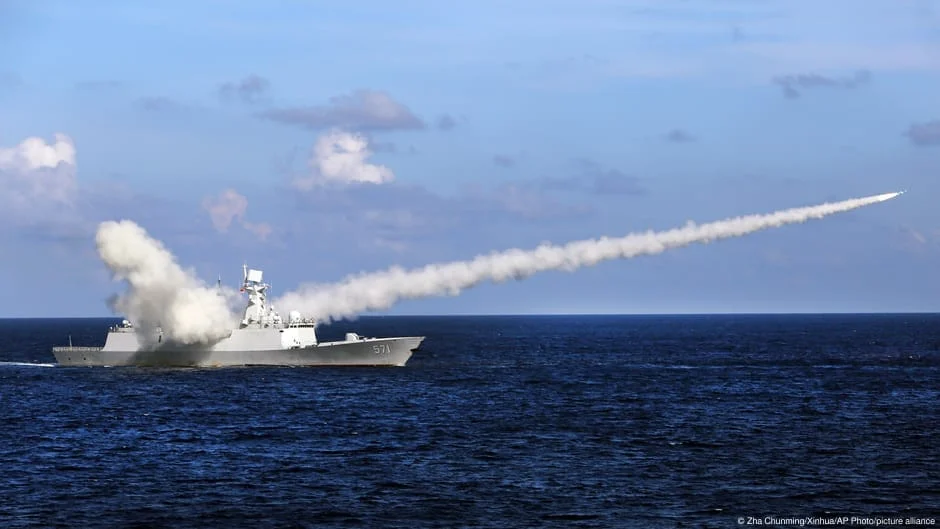
The high-stakes quest to establish a formal code of conduct for the South China Sea has hit a definitive impasse, as ASEAN leaders concluded their mid-November 2026 summit in Manila without securing the breakthrough agreement they had envisioned. Despite years of intense diplomatic effort, the regional bloc and China remain fundamentally divided on the core pillars of the proposed treaty, leaving one of the world’s most volatile maritime regions without a binding framework to mitigate the risk of military escalation or accidental conflict.
The collapse of this year’s primary goal serves as a stark reminder of the widening chasm between ASEAN’s desire for a rules-based order and Beijing’s insistence on maintaining strategic autonomy. While Philippine Foreign Secretary Theresa Lazaro noted that approximately 80% of the draft text has been negotiated, the remaining 20% contains the most contentious issues: the legal binding nature of the agreement, its geographic scope, and the definition of prohibited maritime actions.
A Chronology of Stagnation: Two Decades of Deadlock
The struggle to regulate the South China Sea is not a new phenomenon, but rather a protracted diplomatic saga that began in the early 21st century. The trajectory of these negotiations highlights a recurring pattern of optimism followed by procedural paralysis:
- 2002: ASEAN and China sign the non-binding Declaration on the Conduct of Parties (DOC) in the South China Sea. This document was intended to serve as a precursor to a more comprehensive, legally binding Code of Conduct (COC), but it lacked enforcement mechanisms.
- 2014–2016: Tensions escalate following the Permanent Court of Arbitration ruling in The Hague, which invalidated China’s expansive "Nine-Dash Line" claims. Beijing rejected the ruling, leading to a freeze in meaningful diplomatic progress.
- 2017–2022: The "Single Draft" negotiating text is produced, marking a milestone, but discussions remain mired in technicalities and conflicting definitions of maritime boundaries.
- 2023–2025: Increased frequency of "gray zone" tactics—including the use of water cannons, laser dazzlers, and physical ramming of Philippine and Vietnamese vessels—creates a climate of deep mistrust.
- November 2026: Manila hosts the ASEAN summit with the explicit goal of finalizing the code. The objective fails, as consensus on the legal status of the document proves unattainable.
The Strategic Geometry of Conflict
The South China Sea is not merely a collection of disputed reefs and shoals; it is a critical artery for global commerce. Approximately one-third of global shipping passes through these waters, which are also estimated to hold significant untapped oil and gas reserves, alongside some of the world’s most productive fishing grounds.
China’s "Nine-Dash Line" encompasses roughly 90% of the sea, creating overlapping maritime claims with the Philippines, Vietnam, Malaysia, and Brunei. For Beijing, the region is a matter of "core interest," essential to its national security and regional hegemony. For the claimant ASEAN nations, the issue is one of sovereignty and the protection of Exclusive Economic Zones (EEZ) as defined by the United Nations Convention on the Law of the Sea (UNCLOS).
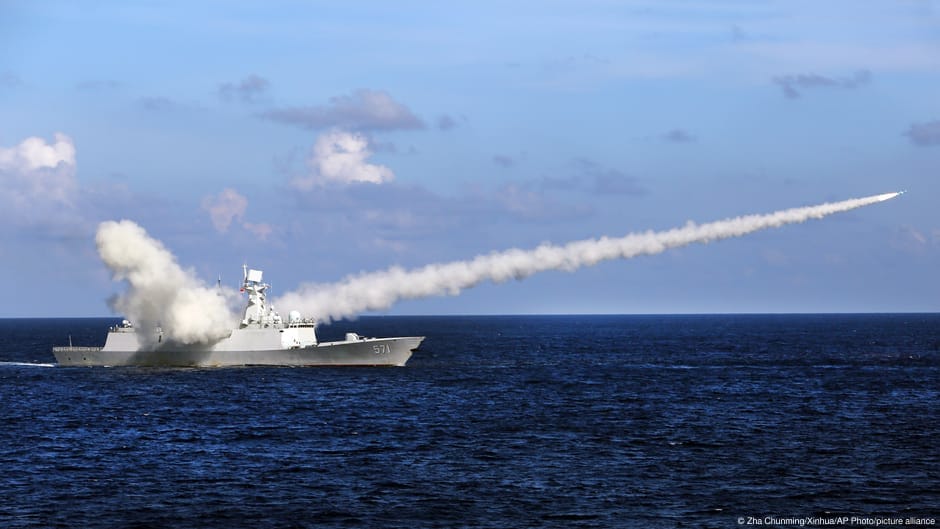
The fundamental friction arises from the nature of the agreement. China has consistently pushed for a "soft" code that serves as a consultative framework rather than a legal mandate. Conversely, countries like the Philippines and Vietnam have advocated for a document that holds signatory nations accountable under international law.
Perspectives from the Academic and Policy Fronts
Experts argue that the delay is a calculated strategic maneuver. Andreas Ufen, a Southeast Asia specialist at the German Institute of Global and Area Studies (GIGA), suggests that Beijing’s reluctance is intentional. "China is supremely powerful and has no real interest in a legally binding agreement," Ufen notes. "Beijing has little incentive to impose restrictions on itself as long as it is able to pursue its interests in the region even without such an agreement."
This view is echoed by Felix Heiduk of the German Institute for International and Security Affairs (SWP), who highlights that even if a code were signed, its efficacy is questionable without a shared understanding of what constitutes an "incident." The current debate centers on whether the code should apply to Coast Guard confrontations, supply vessel blockades, or only to direct military combat. "These are by no means just technical details," Heiduk explains. "Their clarification determines whether the code will be effective or remain a hollow declaration."
ASEAN’s Internal Fault Lines
The negotiation process is further complicated by the lack of unity within the ASEAN bloc itself. The organization operates on a consensus-based decision-making model, meaning a single member can effectively veto any motion.
The member states are currently divided into three distinct camps:
- The Vocal Claimants: The Philippines and Vietnam remain the most assertive, frequently clashing with Chinese maritime forces and pushing for a robust, binding code.
- The Pragmatic Middle: Malaysia and Indonesia maintain a more cautious, diplomatic stance, focusing on regional stability while balancing their economic ties with China.
- The Pro-Beijing Bloc: Countries like Cambodia and Laos, which have no territorial claims in the sea and receive significant Chinese investment, have historically acted as a buffer, preventing the group from taking a unified, aggressive stance against Beijing’s maritime activities.
This internal fragmentation allows China to leverage its influence, often preferring to engage in bilateral negotiations rather than dealing with the collective bargaining power of ASEAN.

Implications for Global Security
The failure to finalize the Code of Conduct in 2026 carries significant global implications. Without a clear set of rules, the risk of accidental escalation—where a minor skirmish between a coast guard vessel and a fishing boat spirals into a major international incident—remains high.
Furthermore, the involvement of external powers, particularly the United States, complicates the regional calculus. Washington has repeatedly affirmed its mutual defense treaties with Manila, creating a scenario where a local incident in the South China Sea could potentially trigger a wider conflict involving global superpowers. The Center for Strategic and International Studies (CSIS) has noted that the core sticking points remain as entrenched as ever, suggesting that the path to a formal agreement is likely to remain blocked for the foreseeable future.
Looking Ahead: The Path to 2027
As the chairmanship of ASEAN shifts to Singapore for 2027, the focus is expected to pivot toward incrementalism. Analysts from the Yusof Ishak Institute (ISEAS) have recommended that the bloc move away from the expectation of a single, comprehensive, legally binding treaty. Instead, they suggest focusing on "partial agreements"—such as formalizing crisis communication channels, joint search and rescue operations, and environmental protection protocols.
While these measures would not resolve the underlying territorial disputes, they could provide the "guardrails" necessary to prevent the status quo from descending into open conflict. However, the success of this strategy relies entirely on China’s willingness to participate in good faith.
For the time being, the South China Sea remains a zone of high-stakes brinkmanship. The 2026 Manila summit, while a diplomatic disappointment, has clarified the reality that until the fundamental mismatch between the regional desire for a binding rules-based order and Beijing’s strategic ambition is addressed, a durable peace in the South China Sea will remain an elusive goal. As the international community watches, the focus will now turn to whether Singapore can foster the political will necessary to break the cycle of stagnation or if the region is destined for further cycles of tension.
