
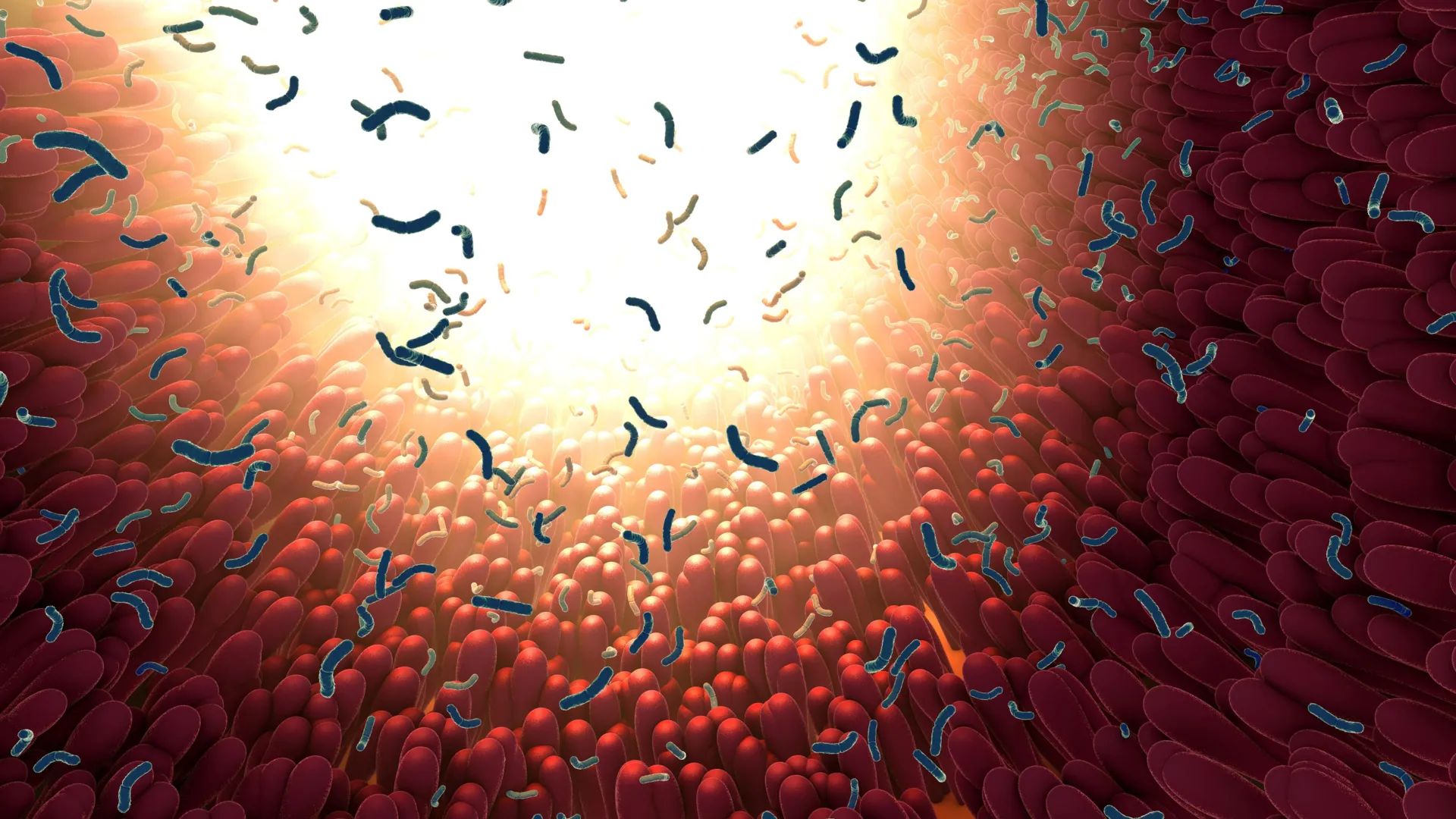
For decades, modern medicine has operated on a relatively straightforward assumption regarding the human digestive tract: when a patient stops taking a medication, its pharmacological footprint fades, and the body returns to a biological baseline. While physicians have long understood that acute interventions—most notably courses of broad-spectrum antibiotics—can temporarily devastate the delicate balance of microorganisms inhabiting the gastrointestinal tract, the prevailing medical consensus held that these disturbances were transient. Once the prescription bottle was empty and the drug cleared from the bloodstream, the gut microbiome was thought to reconstitute itself, wiping the slate clean.
A landmark comprehensive study published by researchers at the University of Tartu Institute of Genomics challenges this foundational dogma, revealing that many commonly prescribed pharmaceutical drugs leave profound, enduring microbial "fingerprints" that persist for years—and potentially decades—after a patient has ceased treatment. This extensive genomic investigation demonstrates that a person’s pharmaceutical history is written not just in their medical charts, but deeply embedded within the DNA of the trillions of bacteria, fungi, and viruses that comprise their gut ecosystem.
The findings fundamentally reshape our understanding of human pharmacology and microbial ecology, suggesting that current medical evaluations often overlook a critical variable in human health: the ghost of medications past.
Unpacking the Estonian Biobank: Methodology and Scope
To arrive at these counterintuitive conclusions, the research team at the University of Tartu utilized one of the world’s most advanced population-based genomic repositories: the Estonian Biobank. Managed by the institute, the biobank houses health data, genetic information, and biological samples from more than 200,000 donors, representing roughly 20 percent of the adult population of Estonia.
For this specific investigation, the researchers narrowed their focus to a meticulously curated cohort of more than 2,500 participants. By cross-referencing stool metagenomic sequencing data with comprehensive, digitized national prescription histories, the team was able to map the complex correlations between lifetime drug exposure and microbial composition with unprecedented granular detail.
Unlike previous microbiome studies—which typically capture only a single snapshot in time, recording the medications a patient is actively ingesting on the day of sample collection—this study incorporated longitudinal prescription tracking. The methodology allowed scientists to separate current pharmacological impacts from historical exposures.
The results were startling. While active medications naturally accounted for significant shifts in gut flora, the analysis revealed that a substantial majority of the studied drugs correlated with distinct microbial alterations long after the prescriptions had lapsed. Dr. Oliver Aasmets, lead author of the study, emphasized the disruptive nature of this discovery. "Most microbiome studies only consider current medications," Dr. Aasmets noted, "but our results show that past drug use can be just as important as it is a surprisingly strong factor in explaining individual microbiome differences."
Beyond Antibiotics: Everyday Drugs as Microbial Shapers
While antibiotics have long served as the primary antagonists in popular understanding of gut health—known for indiscriminately wiping out both pathogenic and beneficial bacteria—the Estonian study demonstrates that non-antibiotic medications exert an influence that is both widespread and profound.
The researchers systematically evaluated several major classes of commonly prescribed medications, discovering distinct microbial signatures associated with:
- Antidepressants, particularly selective serotonin reuptake inhibitors (SSRIs)
- Proton pump inhibitors (PPIs), widely utilized for chronic acid reflux and gastroesophageal reflux disease (GERD)
- Beta-blockers, standard-of-care treatments for hypertension and various cardiovascular pathologies
- Benzodiazepines, a potent class of anxiolytics prescribed for acute anxiety disorders, panic attacks, and insomnia
These pharmaceutical categories represent some of the most heavily consumed medications in the developed world. Proton pump inhibitors, for instance, rank among the top ten most frequently dispensed drugs globally, routinely used by millions of patients to suppress gastric acid production. Beta-blockers anchor modern cardiology, managing heart rates and reducing myocardial oxygen demand for millions living with hypertension or recovering from cardiac events.
That these everyday treatments leave lingering alterations in the gut challenges the traditional pharmacological framework, which assumes non-antibiotic drugs operate almost exclusively on human physiological receptors without permanently altering the host’s resident microbial communities.
The Anxiety Medication Paradox: Benzodiazepines Rival Antibiotics
One of the most provocative and unexpected findings of the study centers on benzodiazepines. When researchers analyzed the microbial profiles of individuals with a history of anxiolytic use, they discovered alterations in gut bacterial diversity and abundance that were strikingly comparable in magnitude to those caused by broad-spectrum antibiotics.
Broad-spectrum antibiotics—such as penicillins, fluoroquinolones, and macrolides—are engineered to target a wide array of bacterial pathogens, inevitably collateralizing the beneficial populations within the human microbiome. That a class of nervous system depressants designed to bind to GABA receptors in the central nervous system could induce a structural shift in gut ecology akin to an aggressive antimicrobial regimen startled the scientific community.
Furthermore, the study illuminated the nuanced, highly specific nature of these drug-microbiome interactions. Even within the same pharmacological class, different chemical formulations produced markedly different results. For example, diazepam (widely known by the brand name Valium) and alprazolam (commonly prescribed as Xanax) are both benzodiazepines utilized for similar psychiatric indications. Yet, their respective footprints on the gut microbiome diverged significantly in both strength and specific bacterial taxonomic shifts.
This divergence underscores a vital mechanistic insight: the disruption of gut bacteria is not merely a byproduct of treating a systemic condition, but is heavily dictated by the precise chemical structure, pharmacokinetics, and metabolic pathways of the individual drug molecule.
Longitudinal Verification: Tracking the Dynamic Microbiome
To move beyond mere correlation and establish whether the medications were actively driving these microbial shifts—rather than merely reflecting pre-existing health conditions or lifestyle confounding factors—the research team executed a dynamic, longitudinal follow-up phase.
By collecting sequential stool samples from a targeted subset of participants during transitional periods—specifically when individuals were initiating or terminating specific drug regimens—the researchers observed real-time, predictable transformations in the gut ecosystem. As patients began taking medications such as proton pump inhibitors, SSRIs, or specific antibiotic combinations (including penicillin-macrolide protocols), their microbial communities shifted in tandem. Conversely, withdrawal of these agents triggered measurable, directional adjustments in bacterial populations.
Although this validation phase involved a smaller cohort than the primary cross-sectional analysis, the real-world tracking provided robust empirical verification. It confirmed that the drugs themselves are active agents of microbial restructuring, capable of imposing durable changes that persist long after the chemical agent has cleared human tissue.
Broader Implications: Rewriting Microbiome Research and Clinical Practice
The implications of the University of Tartu study extend far beyond theoretical microbiology, carrying immediate consequences for both clinical research and medical diagnostics.
For years, human microbiome research has grappled with a persistent confounding variable: the inability to establish definitive causation in human disease states. Countless published studies have linked specific compositional imbalances in the gut—often termed dysbiosis—to complex pathologies, including inflammatory bowel disease (IBD), obesity, type 2 diabetes, autoimmune disorders, and major depressive disorder.
However, the Estonian findings suggest a sobering methodological flaw in much of this prior literature. If a patient’s current microbial profile is substantially shaped by a course of antidepressants they took five years ago, or a regimen of proton pump inhibitors prescribed during a stressful period in their past, researchers may be misattributing those microbial variations to a present disease state. In essence, scientists risk confusing historical pharmaceutical exposure with pathological markers.
"This is a comprehensive systematic evaluation of long-term medication effects on the microbiome using real-world medical health records," stated Professor Elin Org, the corresponding author of the study. Emphasizing the translational necessity of their work, Professor Org added, "We hope this encourages researchers and clinicians to factor in medication history when interpreting microbiome data."
Future Horizons: The Path Ahead for Pharmacomicrobiomics
Despite the breadth of the discovery, the researchers exercise caution regarding the ultimate health consequences of these persistent microbial fingerprints. The study establishes that the changes are durable and predictable, but it does not definitively prove that these long-term alterations are inherently harmful, pathogenic, or directly causative of future chronic diseases.
The human microbiome is remarkably resilient and functionally redundant, meaning that shifts in specific bacterial strains do not necessarily translate to a total breakdown of metabolic or immunological health. Nevertheless, the realization that our pharmacological histories remain physically active within our digestive tracts opens an entirely new frontier in medical science: pharmaco-microbiomics.
As precision medicine evolves, future therapeutic strategies may routinely incorporate individualized microbiome profiling prior to prescription writing. Physicians may soon need to weigh not only how a new medication will interact with a patient’s current organ function, but how it will permanently alter the delicate microbial architecture that has been built, modified, and scarred by every pill swallowed over a lifetime.

