
Just one week before the pivotal midterm elections, a powerful bloc of a dozen Democratic senators dispatched harshly worded investigative letters to the chief executive officers of 10 major health insurance companies. The correspondence targeted what lawmakers characterized as a "potentially unlawful" collaboration with the Trump administration’s aggressive anti-fraud sweep—an initiative that resulted in the sudden cancellation of health insurance coverage for roughly 760,000 Affordable Care Act (ACA) enrollees in late August.
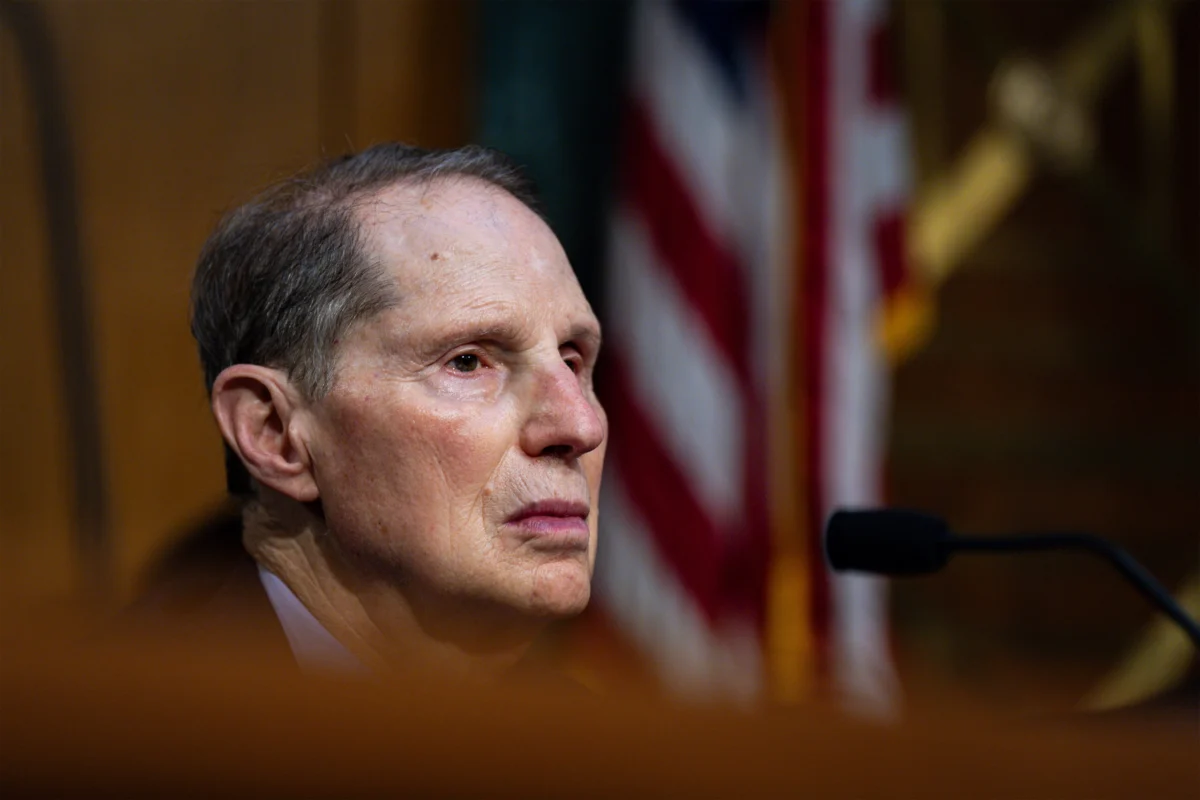
Following a stunning electoral sweep that flipped control of both the House and the Senate, the political landscape surrounding this inquiry has shifted dramatically. Come January, Democrats will hold the gavels and committee majorities necessary to launch aggressive legislative and oversight actions. This transfer of power instantly elevates the stakes for the ongoing insurance probe, spearheaded by Oregon Senator Ron Wyden, who is slated to chair the influential Senate Finance Committee, and independent Vermont Senator Bernie Sanders, expected to lead the Health, Education, Labor and Pensions (HELP) Committee.
As Congress prepares for a new session, healthcare policy experts and Capitol Hill insiders agree that the investigation into the administration’s administrative purge will be a centerpiece of congressional oversight, testing the boundaries of executive authority and corporate compliance.
The Anatomy of the August Purge and the Trump Administration’s Anti-Fraud Push
For months, the Trump administration has aggressively championed the narrative that systemic fraud is deeply entrenched across federal health programs, ranging from the ACA marketplaces to Medicaid and Medicare hospice benefits. White House officials and allied Republican candidates weaponized these talking points during the midterm campaigns, arguing that robust enforcement against fraudulent sign-ups is essential to fiscal responsibility and market integrity.
The late-summer cancellations represent a cornerstone of a broader, multi-phase administrative initiative executed by the Centers for Medicare & Medicaid Services (CMS). The primary objective of this operation is to purge marketplace plans of individuals flagged as having duplicate coverage, incomplete personal data, or suspicious enrollment patterns. Additionally, the initiative aims to enforce much stricter verification protocols for income data used to calculate premium tax credits.
While federal courts have successfully blocked several of the administration’s more sweeping marketplace regulations—including heightened income-verification hurdles for low-income applicants and a temporary moratorium that would have barred up to 19,000 new insurance brokers from participating in the current open enrollment period—other phases of the operation march forward. Most notably, federal regulators continue to scrutinize an additional 419,000 ACA enrollments under a secondary phase of the targeted cancellation campaign.
Furthermore, new federal guidelines implemented ahead of the current open enrollment cycle mandate enhanced online identity verification procedures for consumers. In October, CMS issued formal guidance instructing insurers to actively monitor agent and broker networks for anomalous enrollment patterns, authorizing carriers to slash commissions or sever ties if systemic misconduct is uncovered. However, industry analysts note it remains largely unclear whether insurers have voluntarily implemented these punitive measures on a broad scale.
A Chronology of Congressional Oversight and Corporate Compliance
The mounting friction between Capitol Hill and private health insurers has evolved through a distinct timeline of administrative actions, congressional demands, and shifting political leverage:
- June: The Trump administration initiates its targeted outreach campaign, tasking major insurance carriers with contacting over one million ACA enrollees whose accounts have been flagged as potentially suspicious or fraudulent. Enrollees are given a strict 30-day window to respond.
- Late August: Following unreturned communications, insurers return the names of non-responsive policyholders to CMS, triggering the immediate cancellation of coverage for approximately 760,000 individuals.
- Mid-October: CMS Administrator Dr. Mehmet Oz publicly defends the mass cancellations during a press conference, characterizing the affected accounts as "phantom policies" manufactured by rogue brokers lacking basic identifiers like Social Security numbers.
- Late October (One Week Before Midterms): A dozen Democratic senators issue formal investigative letters to 10 leading health insurance CEOs, setting a strict deadline of November 6 to answer 28 detailed questions regarding their cooperation with the purge.
- November 6: The deadline for insurers to respond to the congressional inquiry. Staffers report varying degrees of cooperation and transparency from the corporate recipients.
- November 10: Senate aides confirm that responses have been logged, though many fall short of the comprehensive transparency demanded by lawmakers.
- Upcoming January: Newly elected congressional majorities take office, granting Senate leaders immediate subpoena power, hearing authority, and expanded investigative capabilities.
Targeted Insurers and the "Black Box" of Administrative Actions
The senatorial letters were dispatched to a cross-section of the nation’s largest and most prominent health insurance providers, including Elevance Health, Cigna, Oscar Health, AmeriHealth Caritas, Centene, Florida Blue, Health Care Service Corporation (HCSC), Imperial Insurance Companies, Molina Healthcare, and UnitedHealthcare.
By November 10, Taylor Harvey, a spokesperson for Senator Wyden, reported that the corporate responses demonstrated "varying levels of responsiveness." This lack of uniformity has amplified concerns among lawmakers regarding the transparency of the cancellation mechanism.
Katie Keith, a director at Georgetown University’s Center for Health Policy and the Law, described the entire operation as a regulatory "black box."
"The tone of these letters underscores just how much of a black box this process was," Keith noted. "Some insurers might view this inquiry as more high-stakes than before given that Democrats will have the power to subpoena documents, hold hearings, and otherwise investigate perceived abuses or missteps."
At the heart of the congressional inquiry are fundamental questions regarding due process and administrative accuracy: Were established regulatory procedures strictly followed when stripping individuals of their healthcare coverage? Exactly how many legitimate, eligible enrollees were wrongfully cast off the rolls? Furthermore, did the criteria used to identify suspect accounts—such as missing Social Security numbers, zero utilization of medical benefits, or failure to respond to outreach notices—serve as reliable and lawful proxies for actual fraud?
Federal Defense: Uncovering "Phantom Accounts"
Administration officials have pushed back vigorously against allegations of regulatory overreach, maintaining that emergency measures were required to safeguard taxpayer funds and restore integrity to the ACA exchanges.
Defending the operation during an October 14 press conference, CMS Administrator Mehmet Oz asserted that the purged accounts represented systematic exploitation of the marketplace.
"That is fraud, we believe," Oz told reporters. "That is insurance brokers creating, manufacturing accounts without putting Social Security numbers in and has resulted, we have already determined, in 760,000 phantom accounts that we can’t even get in touch with. We call, we write, we send carrier pigeons—like, no one answers."
Conservative health policy organizations have strongly echoed the administration’s assessments. Brian Blase, president of the Paragon Health Institute, argued that the influx of COVID-era enhanced subsidies—which reduced many monthly premiums to zero—created a fertile environment for unscrupulous brokers and dishonest applicants to game the system.
"If the subsidies go up and there are more people in zero-premium plans, then absolutely there will be more fraud," Blase stated, pointing to research suggesting that a growing percentage of enrollees fail to utilize their healthcare benefits. Blase expressed skepticism regarding the Democratic inquiry, predicting that Congress will eventually conclude the administration’s safeguards were appropriate and that affected consumers retain pathways to reinstatement.
Citing data from the CMS press office, proponents of the administration’s actions note that an infinitesimally small percentage—fewer than 0.01% of those whose policies were canceled—have contacted the federal marketplace to request reinstatement. However, consumer advocates argue that low reinstatement rates do not prove the validity of the purge, pointing out that many vulnerable individuals may remain entirely unaware that their coverage has been terminated until they attempt to seek medical care.
Broader Implications and the Limits of Congressional Power
As Washington braces for a divided government clash, healthcare analysts emphasize that while the newly empowered Democratic majority possesses formidable investigative instruments, their capacity to directly reverse administrative policy remains constrained.
"Because the cancellation of ACA policies came via executive authority from the Trump administration rather than legislation, they cannot stop the administration from invoking fraud to cancel ACA policies—unless they can find a legislative solution that can survive a presidential veto or is part of a broader budget agreement," explained Jonathan Oberlander, a professor of health policy at the University of North Carolina-Chapel Hill.
Nevertheless, the political fallout is expected to reverberate across the healthcare sector. Chip Kahn, a visiting fellow at KFF and the American Enterprise Institute, noted that insurers will face relentless pressure from the incoming Congress to provide absolute clarity regarding the exact methodology and real-world impact of the cancellations.
"The question is whether they overreached and set up a situation that led to many people who are eligible losing their coverage," Kahn said. "They will be pushed hard by the new Congress to come up with the goods in terms of making it crystal clear what’s been done, who has been dropped."
Simultaneously, congressional Democrats are signaling plans to prioritize legislative battles over healthcare affordability. Lawmakers intend to push aggressively for the extension and expansion of enhanced ACA subsidies, which expired at the end of 2025. With marketplace enrollment for 2026 hovering around 19 million—a notable drop from nearly 22 million the previous year—the affordability debate is expected to serve as a defining political battleground. Even if legislative efforts face steep hurdles in a divided government, Democrats calculate that championing lower premiums and fighting administrative purges will resonate deeply with American voters.
For now, health insurance executives find themselves caught in the crosshairs of an intense partisan struggle, forced to navigate aggressive executive branch directives on one side and an empowered, subpoena-wielding congressional majority on the other.

