
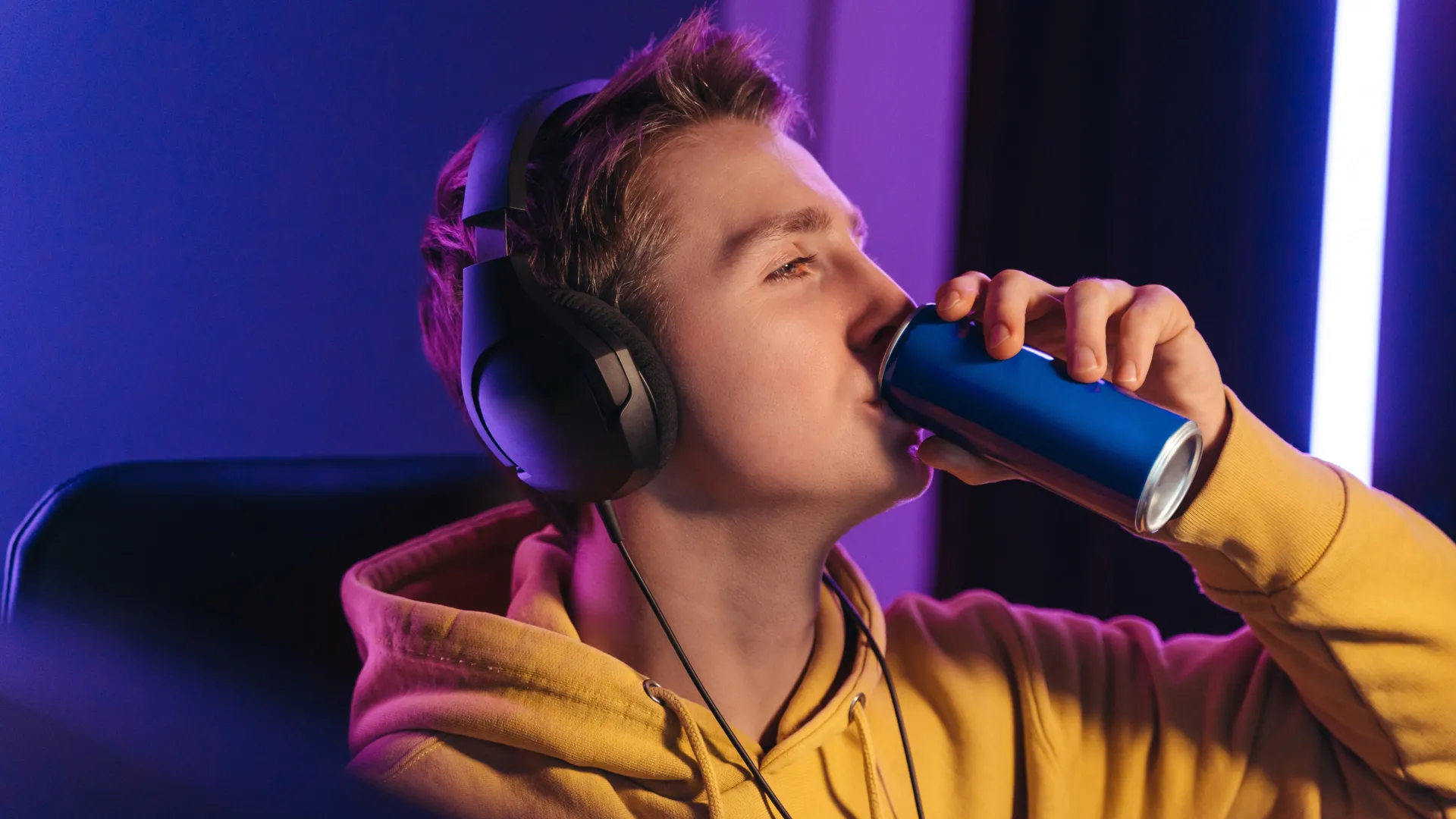
The rapid expansion of the multi-billion-dollar energy drink and dietary supplement market has brought a new wave of public health scrutiny, driven by recent scientific inquiries into their potential cardiovascular impacts. Independent, preliminary research presented at the American Heart Association’s Scientific Sessions has highlighted a disproportionate presence of caffeinated and stimulant-laden products in federal safety reports detailing severe cardiac events. While researchers and medical experts emphasize that the findings do not establish a definitive causal link, the striking frequency of heart attacks, cardiac arrests, and arrhythmias associated with these substances among vulnerable populations—particularly young adults—has sparked urgent calls for more rigorous scientific study and regulatory oversight.
The scope of this issue is underscored by the explosive commercial growth of the sector. Over the past decade, the energy drink industry has more than doubled in size, surging past $20 billion in annual sales. Marketed as convenient everyday pick-me-ups and displayed alongside standard beverages like bottled water and soft drinks, these products enjoy widespread consumer trust. However, the regulatory classification of energy drinks and stimulant supplements in the United States complicates safety monitoring. Governed primarily as foods or dietary supplements by the U.S. Food and Drug Administration (FDA) rather than as pharmaceuticals, these formulations are not subjected to the mandatory, rigorous pre-market safety testing required for prescription medications. Consequently, consumers often underestimate the physiological potency of what they are drinking.
A Chronology of Rising Concerns and Regulatory Context
To understand the trajectory of these safety concerns, health experts point to a timeline marked by shifting consumption habits and evolving clinical guidelines. For years, medical literature has sporadically documented acute adverse events following excessive caffeine ingestion, including sudden cardiac death and rhythm disturbances in otherwise healthy individuals. However, the sheer concentration of stimulants in modern products represents a distinct escalation from traditional caffeinated beverages.
In 2026, the American Heart Association released a comprehensive Scientific Statement addressing caffeine and cardiovascular disease. This guidance reaffirmed that most healthy adults can safely consume up to 400 milligrams of caffeine daily—roughly equivalent to five eight-ounce cups of brewed coffee. Yet, many commercial energy drinks and pre-workout supplements vastly exceed standard brewing concentrations. Certain single-serving energy drinks deliver up to three times the caffeine per fluid ounce found in standard coffee, while specialized pre-workout powders can contain concentrations up to twelve times higher.
The investigation presented at the American Heart Association’s Scientific Sessions analyzed reports submitted to a federal safety database spanning an eight-year period from 2017 through 2025. Out of 28,345 total adverse event reports reviewed by the research team, 854 specifically involved energy drinks or dietary supplements containing caffeine and other active stimulants. The remaining 27,491 reports comprised a control group of non-stimulant products, such as traditional soft drinks, smoothies, protein bars, vitamins, and meal replacement shakes. The researchers categorized products by active chemical ingredients—including various methylxanthines like guarana, yerba mate, and theobromine, alongside sympathomimetics such as synephrine and yohimbine—rather than focusing on individual commercial brands.
Vulnerability Among Young Adults and Statistical Patterns
One of the most arresting elements of the preliminary data is the demographic distribution of the reported incidents. Individuals between the ages of 18 and 34 accounted for a substantial and disproportionate share of the cardiovascular emergencies linked to caffeinated and stimulant products. This trend has left cardiologists and researchers searching for underlying mechanisms to explain why younger populations appear frequently in these adverse event logs.
Several hypotheses are currently under evaluation by the medical community. First, younger demographics consistently report higher rates of regular and high-volume energy drink consumption. Second, patterns of usage frequently intersect with high-intensity physical exertion, such as heavy weightlifting or endurance sports, or concurrent lifestyle factors like alcohol and recreational substance consumption. Furthermore, some young adults may harbor undiagnosed, asymptomatic congenital heart conditions—such as long QT syndrome or structural heart defects—that lower their physiological threshold for stimulant-induced arrhythmias or cardiac stress.
Despite these concerning patterns, lead investigators and independent cardiologists urge extreme caution against misinterpreting the data as definitive proof of causation. Because the analysis relied entirely on voluntary adverse event reporting submitted to the FDA by consumers, manufacturers, and healthcare professionals, the dataset inherently lacks complete context. The database cannot account for the total number of individuals who consumed these products safely without experiencing side effects, nor can it track individuals who suffered cardiac events but never filed a formal report. Consequently, the analysis cannot calculate absolute statistical risk or establish direct culpability.
Expert Perspectives and the Need for Systematic Monitoring
The medical community remains divided between acknowledging a clear biological plausibility for harm and recognizing the methodological limitations of voluntary reporting databases. High concentrations of caffeine and sympathomimetic agents are known to stimulate the sympathetic nervous system, increasing heart rate, elevating blood pressure, and potentially triggering myocardial ischemia or electrical instability in the heart.
"This study raises concerns that products with very high amounts of caffeine may be harmful to the cardiovascular system," noted Dr. Gregory M. Marcus, professor of medicine at the University of California, San Francisco, and chair of the 2026 AHA scientific statement on caffeine and cardiovascular disease, who was not involved in the research. While acknowledging the biological mechanisms that could link excessive stimulant intake to cardiac events, Dr. Marcus reiterated that observational database reviews cannot definitively prove cause and effect without controlled, prospective clinical trials.
The study’s author, Sai Samayamanthula, a fourth-year medical student at the University of Virginia School of Medicine, emphasized the practical takeaways for both clinicians and the general public. "These products are marketed as everyday pick-me-ups and sold next to soda and bottled water, so most people assume they carry no real risk," Samayamanthula explained. While acknowledging that occasional consumption poses minimal risk for most healthy individuals, regular and heavy intake can rapidly push consumers past recommended daily thresholds.
Implications for Public Health and Clinical Practice
The findings carry significant implications for everyday clinical encounters. Researchers and medical organizations suggest that primary care physicians and emergency room clinicians routinely screen younger patients presenting with unexplained chest pain, palpitations, or fainting spells regarding their consumption of energy drinks and pre-workout supplements.
Ultimately, the emergence of these safety signals points toward an urgent need for more robust, systematic post-market surveillance of dietary supplements and highly caffeinated beverages. As the market continues to innovate and introduce increasingly concentrated formulations, bridging the knowledge gap between commercial availability and rigorous cardiovascular safety data remains a paramount challenge for public health authorities, researchers, and regulatory agencies alike.

