
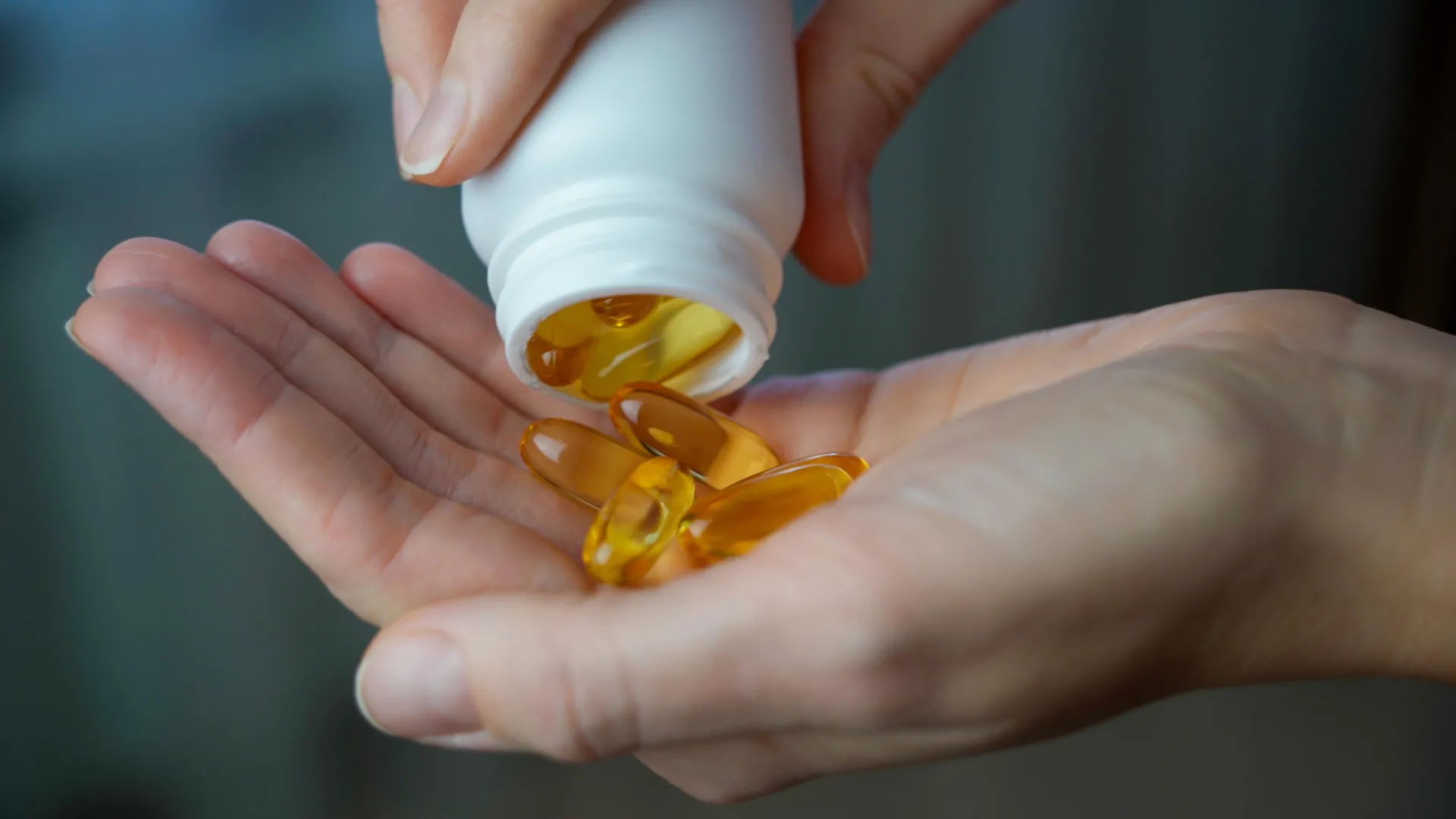
A widely accessible, over-the-counter nutritional supplement derived from vitamin B5 could soon change the therapeutic landscape for autoimmune conditions, starting with psoriasis. Recent findings published on October 27 in the Journal of Experimental Medicine (JEM) indicate that pantethine—a stable disulfide form of pantothenic acid—effectively regulates rogue immune cells by interrupting a newly discovered metabolic pathway linking cellular cholesterol production to autoimmune inflammation. Spearheaded by a collaborative team of researchers from the State Key Laboratory of Biomedical Analysis in Beijing and The First Medical Center of Chinese PLA General Hospital, the study successfully demonstrated that pantethine not only halted the development of psoriasis-like symptoms in murine models but also measurably improved clinical outcomes in a preliminary human trial.
While the preliminary human trial involved a modest cohort of 24 participants, the implications of the research extend far beyond a single dermatological condition. By shedding light on the Vanin-pantethine-cholesterol axis, scientists have opened up new avenues for exploring how cellular metabolism dictates immunological responses. As the medical community searches for safer, more targeted adjunct therapies that can minimize the reliance on high-dose immunosuppressants or potent corticosteroids, this common nutritional supplement offers a compelling, mechanically grounded avenue for future dermatological and immunological interventions.
Understanding Psoriasis and the Immune System
Psoriasis is a chronic, systemic, immune-mediated inflammatory disease that primarily manifests on the skin, affecting approximately two to three percent of the global population. Characterized by thick, red plaques covered with silvery scales, the condition occurs when the immune system mistakenly accelerates the life cycle of skin cells. Rather than shedding normally, these rapidly multiplying cells accumulate on the surface of the skin, forming painful, itchy, and sometimes debilitating lesions. Beyond the physical discomfort, psoriasis is frequently associated with a range of comorbidities, including psoriatic arthritis, cardiovascular disease, metabolic syndrome, and significant psychological distress.
For decades, standard medical management has focused on controlling symptoms rather than addressing underlying metabolic drivers. Topical therapies, including corticosteroids, vitamin D analogs such as calcipotriene, and retinoids, are commonly prescribed for mild-to-moderate cases. Patients with more severe manifestations often require systemic treatments, ranging from traditional oral medications like methotrexate to advanced biologic therapies that specifically target inflammatory proteins such as tumor necrosis factor-alpha (TNF-alpha), interleukin-17 (IL-17), and interleukin-23 (IL-23).
Despite the high efficacy of modern biologics, these treatments can be prohibitively expensive, carry risks of serious side effects—including increased susceptibility to infections—and may lose efficacy over time in certain patients. Consequently, the medical field maintains a persistent demand for adjunctive therapies that are affordable, well-tolerated, and capable of modulating the immune response through novel biological mechanisms. The discovery that a simple vitamin B5 derivative can influence the foundational metabolic pathways of immune cells represents a significant paradigm shift in how researchers conceptualize and potentially treat chronic inflammatory disorders.
The Chronology of Discovery: From Cellular Enzymes to Animal Models
The journey toward understanding pantethine’s therapeutic potential began with an investigation into dendritic cells, specialized sentinels of the immune system. Dendritic cells serve as the critical bridge between innate and adaptive immunity. Stationed throughout peripheral tissues, they continuously sample their environment for foreign antigens, pathogens, or cellular debris. Upon encountering a potential threat, dendritic cells internalize the antigen, mature, and migrate to lymph nodes where they present the antigen to naive T cells, orchestrating a targeted immune response by releasing pro-inflammatory signaling molecules known as cytokines.
In the context of autoimmune diseases, however, this finely tuned surveillance system malfunctions. Dendritic cells can become hyperactive, perpetually signaling the immune system to attack healthy host tissues. To uncover why these cells enter a state of chronic hyperactivity in patients with psoriasis, the research team—led by Wei-Na Zhang, Qing Xia, Ai-Ling Li, Tao Zhou, and Cheng-Xin Li—conducted comprehensive molecular profiling of immune cells derived from individuals suffering from autoimmune conditions.
The investigators identified a striking elevation of Vanin enzymes in the dendritic cells of psoriasis patients. Vanins are a family of amidohydrolases that play a crucial role in regulating tissue repair, oxidative stress, and the metabolism of pantethine. Normally, Vanins convert pantethine into vitamin B5, an essential nutrient required by cells to synthesize coenzyme A (CoA), which is vital for energy production and various metabolic reactions.
However, the research team discovered that an overabundance of Vanin activity in autoimmune dendritic cells leads to a severe local depletion of pantethine. This biochemical shortfall triggers an unexpected downstream consequence: an upregulation of intracellular cholesterol synthesis. For years, epidemiological studies have recognized a strong correlation between elevated blood cholesterol levels and the severity of psoriasis. Until now, however, the precise cellular mechanism connecting lipid metabolism to immune hyperactivation remained largely elusive.
The Beijing-based researchers demonstrated that as pantethine levels plummeted within dendritic cells, accumulated cholesterol acted as a biochemical catalyst, driving the cells into a state of hyperactivation. Armed with this insight, the team tested whether pharmacological interventions could reverse the process. When they administered a Vanin-inhibiting drug to mice predisposed to developing psoriasis-like skin inflammation, the treatment successfully prevented the onset of the disease. Furthermore, directly supplementing the animal models with pantethine effectively mitigated established symptoms, confirming that insufficient pantethine availability was a primary driver of dendritic cell overactivity.
Translating Laboratory Science to Human Trials
Encouraged by robust preclinical data demonstrating that pantethine could normalize dendritic cell function and curb inflammation in mice, the research team sought to determine whether these findings would translate to human patients. This led to the design and execution of an investigator-initiated, proof-of-concept clinical trial involving 24 human participants diagnosed with plaque psoriasis.
The structure of the clinical trial was designed to evaluate pantethine not as a standalone monotherapy, but as an adjunctive treatment intended to enhance the efficacy of standard medical care. All 24 participants were prescribed a standard topical combination ointment containing calcipotriene and betamethasone. Calcipotriene, a synthetic derivative of vitamin D3, works by slowing down the excessive proliferation of skin cells and encouraging normal differentiation, while betamethasone, a potent topical corticosteroid, rapidly reduces localized inflammation, redness, and itching.
To test the hypothesis that correcting metabolic dysfunction would improve patient outcomes, the cohort was divided evenly. While all participants applied the prescribed topical ointment, half of the cohort was additionally administered oral pantethine tablets over a strict 12-week monitoring period.
At the conclusion of the 12-week study, the results provided encouraging clinical validation for the research team’s laboratory hypotheses. Patients who received the pantethine supplementation alongside their standard topical treatment achieved significantly greater overall improvement in their psoriasis symptoms compared to those receiving the topical regimen alone. Crucially, the therapeutic benefits of the supplement were most pronounced in participants who presented with baseline hypercholesterolemia—high blood cholesterol levels—prior to the initiation of the trial.
Official Responses and Methodological Nuances
While the clinical trial results offer a promising outlook for patients seeking complementary management strategies for psoriasis, the authors of the study have been careful to contextualize their findings. Dr. Wei-Na Zhang and her colleagues emphasize that while the trial demonstrates clear clinical feasibility and therapeutic synergy, the human data should be interpreted as a foundational proof-of-concept rather than an absolute mechanistic confirmation that the exact cellular pathways observed in murine models operate identically in human skin lesions.
"Our investigator-initiated clinical trial demonstrated encouraging therapeutic efficacy of pantethine as an adjunctive therapy in psoriasis, but these findings should be interpreted as proof-of-concept for clinical feasibility rather than direct mechanistic validation," Dr. Zhang noted in statements accompanying the publication. She further underscored the broader significance of the work: "Overall, our study uncovers the Vanin-pantethine-cholesterol axis as a key metabolic pathway governing dendritic cell activation and provides a foundation for therapeutic strategies targeting several dendritic cell-mediated autoimmune diseases."
Independent dermatological researchers not involved in the study have echoed the need for caution balanced with optimism. Dermatologists point out that while pantethine is widely available as a dietary supplement and boasts an established safety profile—having been utilized for decades to help manage dyslipidemia—larger, randomized, double-blind, placebo-controlled clinical trials are an absolute prerequisite before clinicians can universally recommend pantethine supplementation for psoriasis management.
Furthermore, researchers must determine the optimal dosage ranges, evaluate potential interactions with systemic biologic therapies, and investigate whether the therapeutic benefits observed in plaque psoriasis extend to other clinical subtypes, such as guttate, inverse, pustular, or erythrodermic psoriasis.
Broader Impact and Future Implications for Autoimmune Medicine
The identification of the Vanin-pantethine-cholesterol axis marks a significant milestone in immunometabolism, an increasingly prominent field of biomedical research dedicated to understanding how metabolic pathways regulate immune cell fate and function. For decades, immunology and metabolism were studied as largely distinct biological disciplines. In recent years, however, scientists have realized that immune cells undergo profound metabolic reprogramming when transitioning from a resting state to an activated, inflammatory state.
By demonstrating that a common, affordable nutritional supplement can directly influence this metabolic reprogramming, the Chinese research team has opened exciting new horizons for drug discovery and integrative medicine. Because dendritic cells play a central role not only in psoriasis but also in a wide spectrum of autoimmune and inflammatory disorders—including rheumatoid arthritis, systemic lupus erythematosus, inflammatory bowel disease, and type 1 diabetes—the therapeutic implications of targeting Vanins or supplementing with pantethine could be exceptionally broad.
From an economic and accessibility standpoint, pantethine offers distinct advantages over many contemporary pharmaceutical interventions. As an over-the-counter compound with a well-documented safety history, it represents a potentially low-cost, low-risk adjunct therapy that could be integrated easily into existing treatment regimens, particularly for patients in resource-limited settings or those struggling with the financial burden of chronic disease management.
As the scientific community awaits larger, multicenter clinical trials to validate these initial findings, the study published in the Journal of Experimental Medicine serves as a powerful reminder of how unexpected connections within human biochemistry can yield innovative solutions for complex, chronic diseases. By bridging the gap between basic metabolic science and clinical dermatology, this research moves the medical field one step closer to personalized, mechanistically precise interventions that can dramatically improve the quality of life for millions of individuals living with autoimmune inflammation.

