
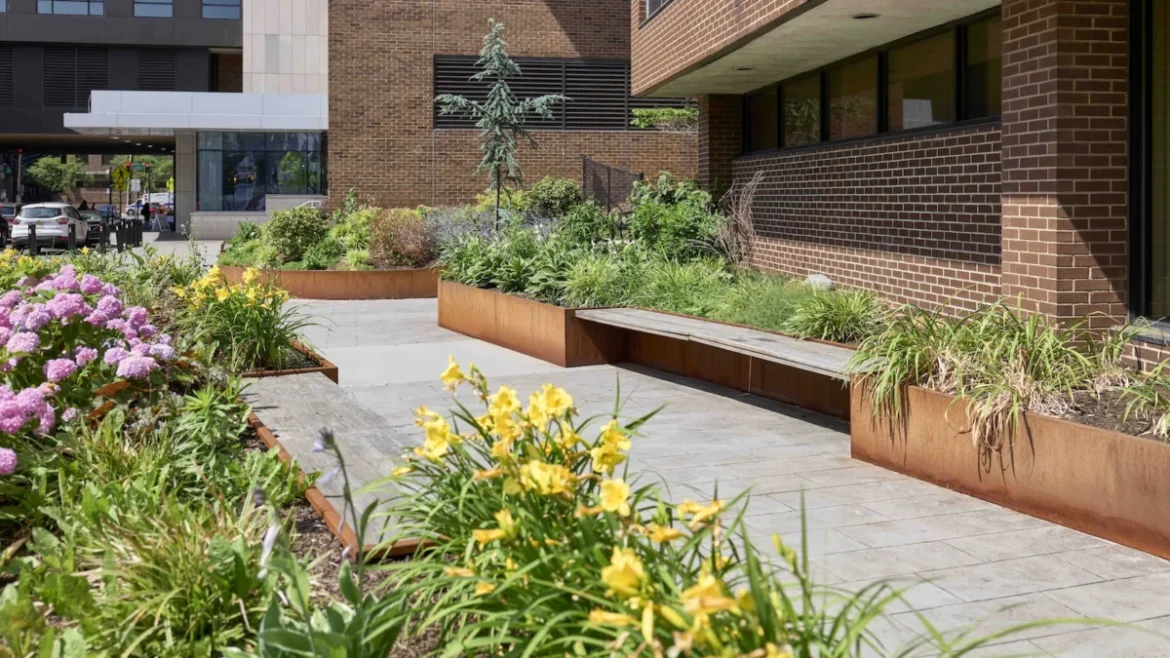
As global temperatures continue to climb, the architectural and environmental design of American cities has come under intense scrutiny. A growing body of scientific evidence suggests that the "gray infrastructure" of the 20th century—characterized by sprawling asphalt, concrete high-rises, and a lack of vegetation—is contributing to a public health crisis. Recent research highlights a natural solution that has been overlooked for decades: the urban tree canopy. Two significant new studies have quantified the cooling power of trees, revealing that strategic planting is no longer just an aesthetic choice but a critical survival strategy for metropolitan areas.
The first study, published in Nature Communications and led by Robert McDonald, a lead scientist for nature-based solutions at The Nature Conservancy, provides a global perspective on the "urban heat island effect." This phenomenon occurs when cities, packed with heat-absorbing materials, reach temperatures significantly higher than their rural surroundings. According to the research, existing tree cover already cancels out roughly half of the heat island effect globally. Without the current level of urban forests, the intensity of city heat would likely be double what is experienced today.
A second report, authored by the Healthy Green Spaces Coalition, narrowed the focus to 65 American cities. By comparing neighborhoods within the same municipalities, researchers found a staggering "cooling dividend" associated with greenery. Areas with robust canopy cover experienced up to 40 percent less excess heat than neighborhoods dominated by concrete. In practical terms, this translates to temperature differences of nearly 4 degrees Fahrenheit between shaded and unshaded blocks—a margin that can mean the difference between life and death during a heatwave.
The Science of Natural Cooling: Shade and Evapotranspiration
To understand why trees are so effective, one must look at the dual mechanisms of shade and evapotranspiration. While the physical barrier of a leaf canopy prevents the sun’s rays from reaching the ground, the biological processes of the tree provide active refrigeration. Trees "sweat" through a process called transpiration, releasing moisture into the air through their leaves. As this water evaporates, it consumes heat energy, lowering the surrounding air temperature.
In contrast, the materials that define modern cities—concrete, brick, and asphalt—act as thermal sponges. These surfaces absorb solar radiation throughout the day and slowly release it at night. This prevents the evening cooling that the human body requires to recover from heat stress. For urban residents without access to air conditioning, the lack of nighttime respite is particularly hazardous. This thermal retention explains why extreme heat has become the deadliest weather-related phenomenon in the United States, killing more people annually than hurricanes, tornadoes, and floods combined. Estimates suggest that heat-related complications claim approximately 350,000 lives globally every year, with a disproportionate number of these deaths occurring in densely populated urban centers.
Historical Context: From the Industrial Revolution to Modern Urbanism
The struggle to integrate nature into the city is not a new phenomenon. During the Industrial Revolution, the rapid expansion of cities like London and Manchester created "stone deserts" where workers lived in stifling, polluted conditions. By the mid-19th century, urban planners began to recognize the necessity of "lungs for the city."
A pivotal moment in urban history occurred in the 1850s and 1860s during the Haussmannization of Paris. Taking inspiration from the public parks of London, Napoleon III and Georges-Eugène Haussmann essentially demolished medieval Paris to create wide boulevards lined with trees and massive public parks like the Bois de Boulogne. This shift was driven by the "miasma theory" of disease, which suggested that fresh air and greenery were essential for public health.
In the United States, the legacy of figures like John Chapman, popularly known as Johnny Appleseed, reflected an early American impulse to cultivate the landscape. While Chapman’s primary goal was the propagation of cider apples for frontier settlers, his work underscored the importance of transforming the wilderness into a productive, shaded environment. However, as the 20th century progressed, American urban planning pivoted toward the automobile. Trees were often viewed as obstacles to power lines, sidewalks, and road expansions, leading to the "graying" of the American cityscape.
The Socioeconomic Divide and Environmental Justice
The distribution of tree cover in modern American cities is rarely equitable. Data from the Healthy Green Spaces Coalition highlights a consistent trend: lower-income neighborhoods and communities of color frequently have significantly less tree canopy than wealthier areas. This "canopy gap" is often a lingering result of historical "redlining" and discriminatory zoning practices, where investments in parklands and curbside planting were directed toward affluent suburbs while industrial zones and high-density housing were left barren.
In cities like Los Angeles and New York, the temperature difference between a wealthy, leaf-lined suburb and an industrialized, low-income district can be profound. The "cooling dividend" identified in recent studies suggests that residents in canopy-deprived areas are paying a "heat tax" in the form of higher utility bills for air conditioning and increased risks of heatstroke and respiratory issues. Steve Whitesell, executive editor at the Healthy Green Spaces Coalition, noted the "dramatic amount of consistency" across the 65 cities studied, indicating that the link between poverty and heat exposure is a systemic national issue.
Strategic Arboriculture: Planting for the Future
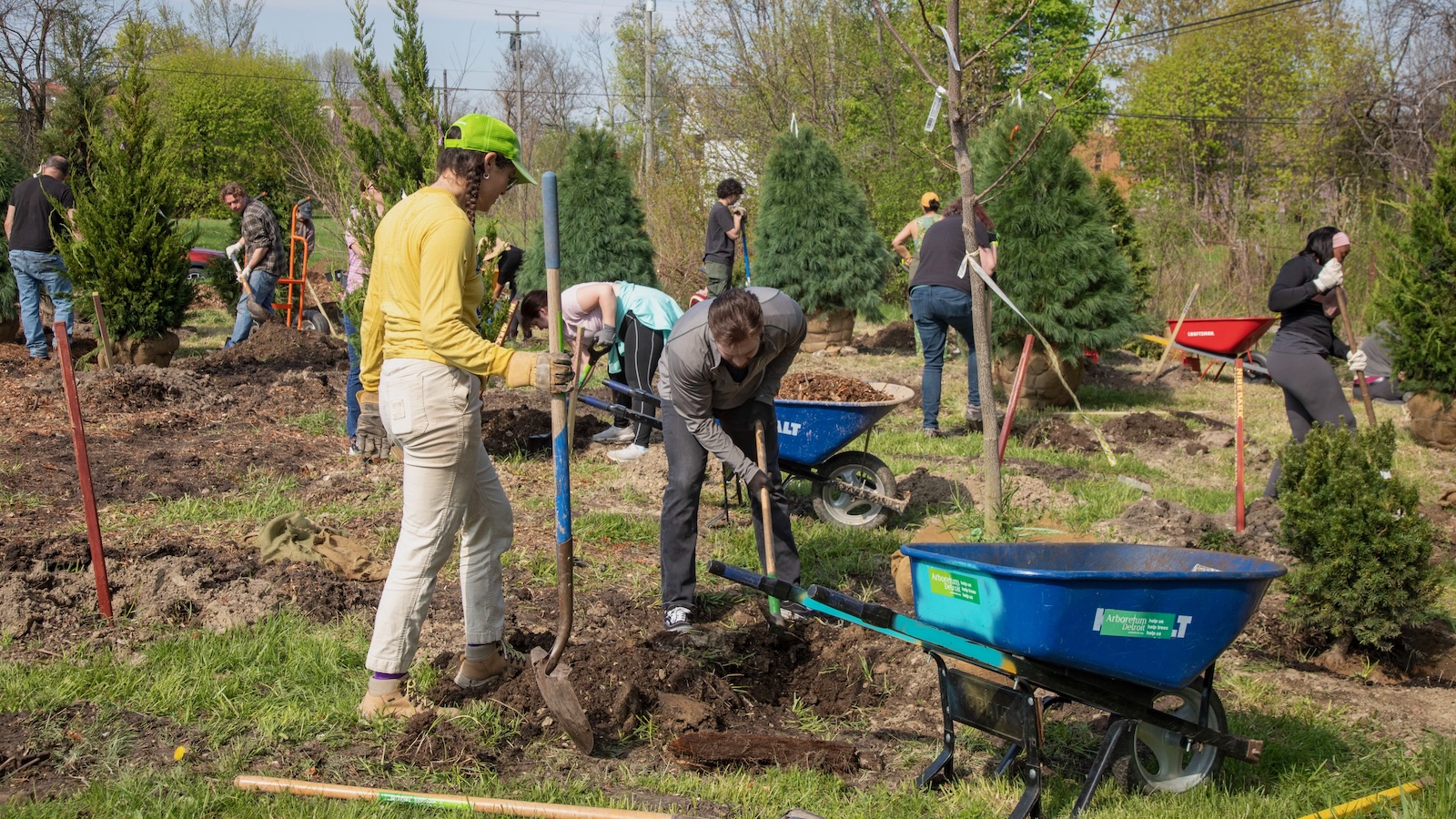
As municipal leaders look to expand their "living infrastructure," experts warn that simply planting any tree is not enough. The selection of species must be strategic to maximize cooling benefits and ensure long-term survival in a changing climate.
Larger species with broad leaves provide the most shade, but they also require more water. In drought-prone regions, urban arborists are increasingly looking toward drought-adapted species. However, there is a trade-off: trees that are highly efficient at retaining water often provide less evaporative cooling because they transpire less. Furthermore, climate change is forcing a rethink of "native" species. As temperatures rise, many trees that have thrived in specific latitudes for centuries are beginning to struggle. Urban foresters are now practicing "assisted migration," planting species that may be native to slightly warmer southern regions in anticipation of the climate conditions 20 to 50 years from now.
Edith de Guzman, a researcher at the University of California, Los Angeles, emphasizes that trees must be treated with the same level of priority as roads and water mains. "I think that for us to use trees as a type of living infrastructure that can counter those increased temperatures is paramount," de Guzman stated. "It’s pretty much the most important thing we can do."
Beyond Trees: A Multi-Pronged Approach to Urban Cooling
Despite the clear benefits of urban forests, Robert McDonald’s research offers a sobering caveat: trees alone cannot solve the climate crisis. The study found that even if cities were to maximize their plantable space, it would only offset about 20 percent of the projected temperature increases caused by global climate change.
To survive the coming decades, cities must adopt a diverse portfolio of cooling strategies. This includes "cool roofs"—rooftops painted with reflective coatings to bounce sunlight back into space—and the use of permeable, light-colored pavements. In rapidly growing cities in developing nations, where resources for large-scale irrigation and tree maintenance may be scarce, these engineered solutions are particularly vital.
The integration of "pocket gardens" and urban farms is another burgeoning trend. By blurring the lines between the rural and the urban, planners hope to create "micro-oases" that provide biodiversity, food security, and mental health benefits alongside temperature regulation.
Broader Impact and Policy Implications
The findings of these studies are already influencing policy at the federal and local levels. In the United States, the Inflation Reduction Act allocated $1.5 billion specifically for urban and community forestry, recognizing tree cover as a matter of public safety. Cities like Atlanta and New York have set ambitious goals to increase their canopy percentages, viewing trees as a cost-effective way to reduce the strain on the energy grid and lower healthcare costs associated with heat-related illnesses.
The transition from "gray" to "green" infrastructure requires a long-term commitment. Unlike a mechanical cooling system, a tree takes decades to reach its full potential. However, the investment yields a self-sustaining system that grows more effective over time. As Robert McDonald noted, the history of urban planning shows that society knows how to increase tree cover when it prioritizes the effort. The challenge now is to apply that knowledge with the urgency that the current climate trajectory demands.
In conclusion, the research reinforces a fundamental truth: the health of urban populations is inextricably linked to the health of the urban forest. By investing in living infrastructure, cities can mitigate the most "stifling" aspects of modern life, ensuring that the metropolises of the future are not just centers of commerce, but resilient, habitable environments for all residents.
