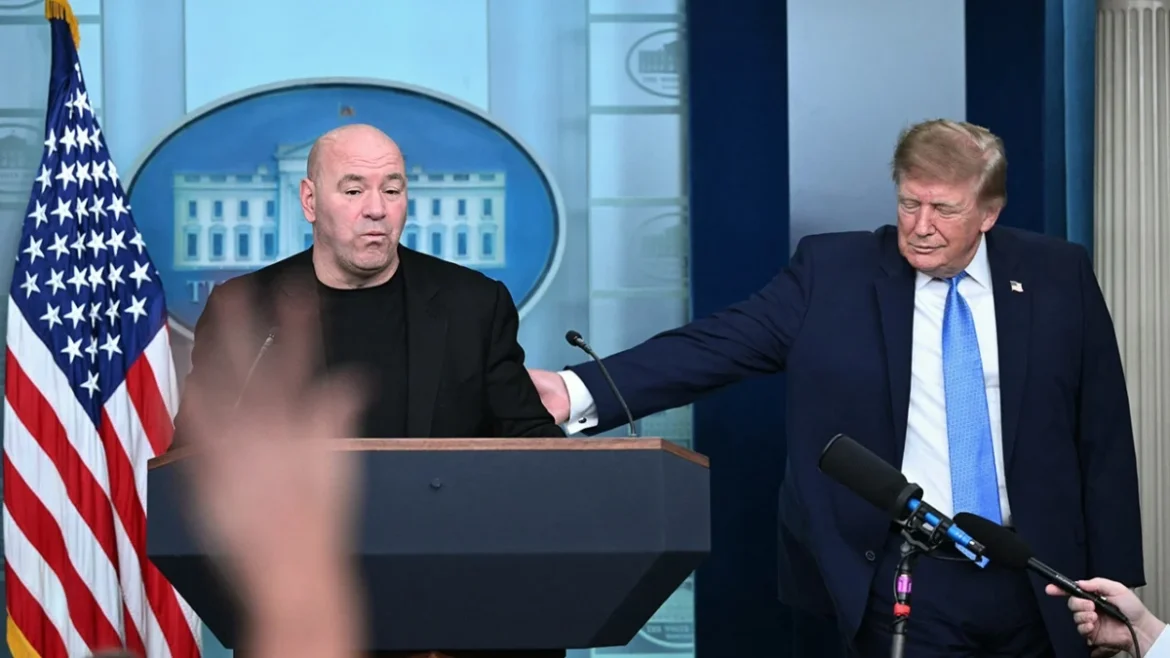
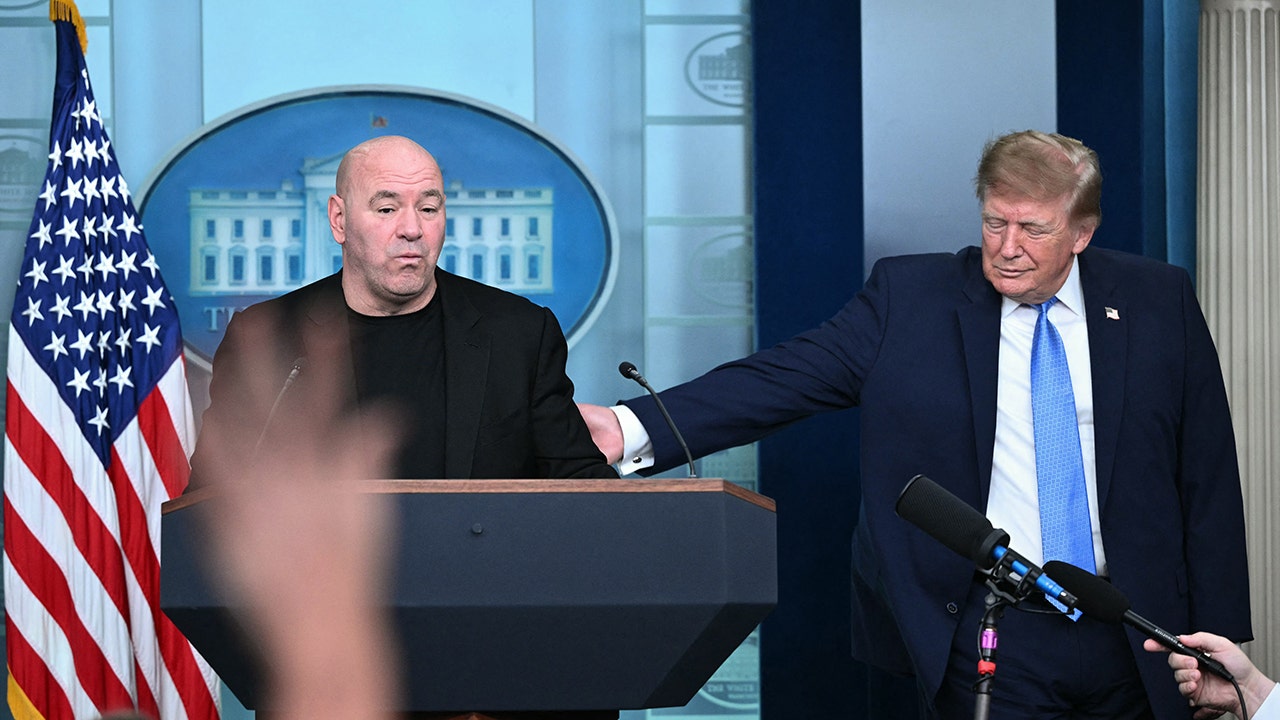
In a move that briefly captured the attention of both the political and sports worlds, President Donald Trump clarified during a White House press briefing on Monday that his recent public suggestion to appoint UFC CEO Dana White as his press secretary was a lighthearted remark rather than a serious administrative proposal. The clarification, delivered with White by his side in the Brady Briefing Room, put to rest a whirlwind of speculation that had dominated the news cycle for the preceding 24 hours.
The event, which occurred on November 9, 2026, saw the President addressing reporters in a surprise appearance. Trump explained that the comment originated during a particularly challenging day of press relations, where the frustration of the news cycle prompted an off-the-cuff, humorous suggestion. "We were having a very bad press day, and I said: ‘I don’t know why I thought of his name.’ He’s been my friend for a long time. I said: ‘You know, I think I’m going to get Dana White to be my new press secretary,’" Trump recounted to the press pool. He noted that the media had interpreted his conversational remark as a formal policy intention, an assumption he sought to correct definitively.
The Dynamics of a Long-Standing Partnership
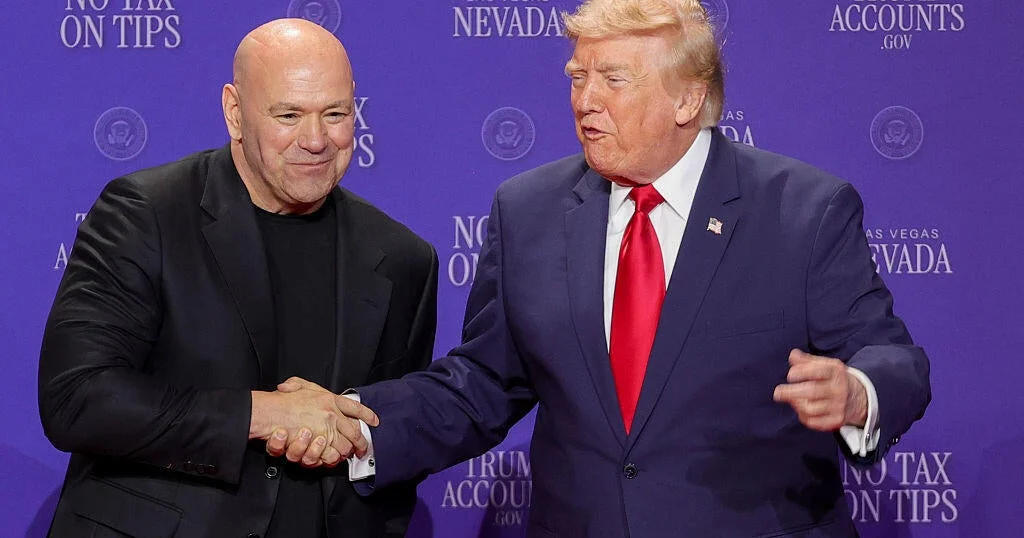
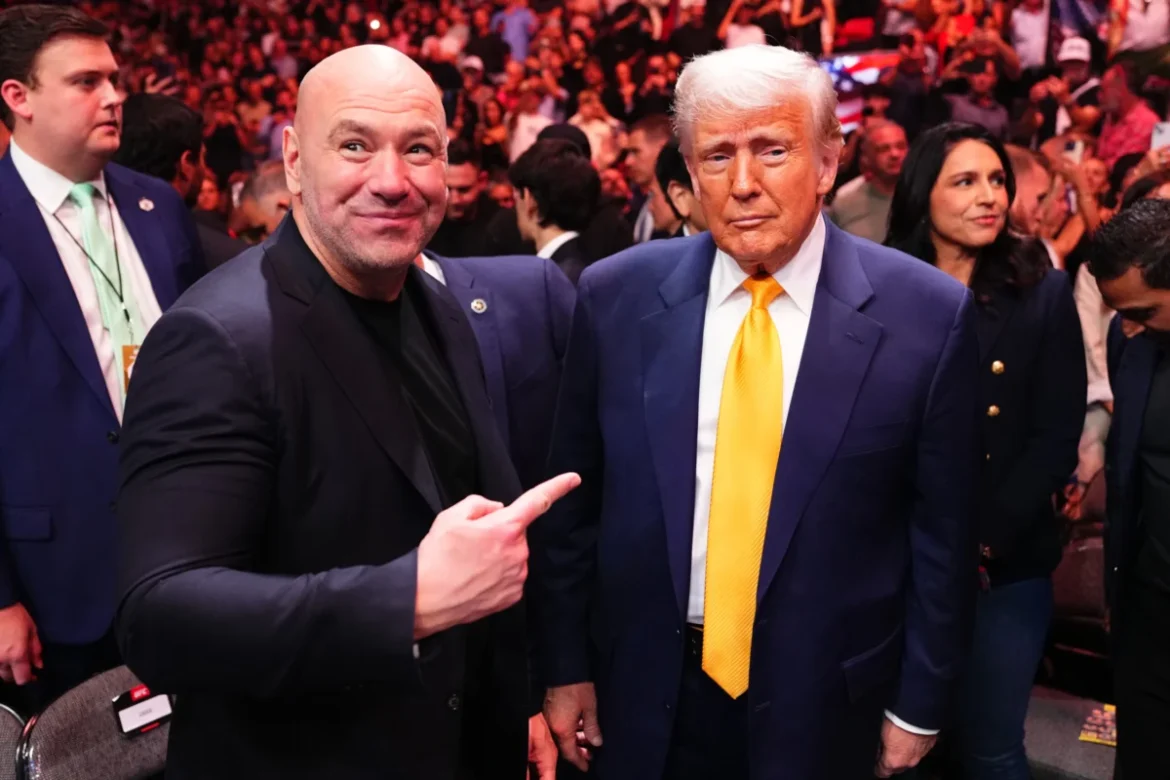
The friendship between Donald Trump and Dana White is well-documented, spanning several decades of mutual support. White, who has been the face and driving force of the Ultimate Fighting Championship (UFC) since the early 2000s, has frequently hosted the President at high-profile events. Their rapport is characterized by a shared appreciation for aggressive promotion and brand-building.
Historically, this relationship has been cemented by the UFC’s early struggles for legitimacy. In the early 2000s, when the sport of Mixed Martial Arts (MMA) was widely viewed as fringe or "human cockfighting," the UFC struggled to find venues. Trump provided a significant lifeline by allowing the promotion to host events at his properties in Atlantic City. This early institutional support is often cited by both men as the foundation of their loyalty. During the current administration, that bond has translated into high-visibility appearances, including the "UFC Freedom 250" event held on the White House South Lawn in June 2026.
Dana White’s Stance on Government Service
When it was his turn to approach the podium, Dana White was unequivocal regarding his career trajectory. He dismissed the rumors of entering the political arena with characteristic bluntness, asserting that he lacks any desire for government office.
"I have zero political aspirations," White stated. He provided a brief timeline of the confusion, explaining that he was in London attending a Zuffa Boxing event when news of the President’s comments began to circulate. "He called me and told me that he had done this, and the last 24 hours of my life have been insane."
White’s refusal to entertain the prospect of being a government spokesperson highlights a clear boundary between his commercial ventures and the federal government. As the CEO of a multi-billion dollar global enterprise, White’s operations are heavily reliant on international broadcasting rights, athlete management, and complex licensing agreements. A transition to the White House would have necessitated a complete divestment or resignation from his leadership role at the UFC, a prospect that neither party appeared to have seriously considered.
Assessing the President’s Resilience
The briefing took an unexpected turn when a reporter queried White on a hypothetical cage match between President Trump and former President Joe Biden. Rather than leaning into the absurdity of the question, White used the moment to offer a serious commentary on Trump’s character.
White praised the President’s resilience, specifically referencing the assassination attempt against Trump earlier in the year. "He’s the toughest, most resilient human being that I’ve ever met in my entire life," White said. "Many times during the last eight or 10 years, I have told him: ‘Why? Why do you keep doing this?’ But as tough and as resilient as I thought he was, after he got shot, he proved he is a one-of-one unique human being."

This commentary underscores the narrative of personal fortitude that remains a central pillar of the President’s political identity. By positioning the President as an outlier in terms of physical and mental endurance, White reinforced the "tough guy" image that has resonated with the President’s base throughout his political career.
The Pete Rose Pardon Discussion
Beyond the humor and the sports metaphors, the briefing touched upon the issue of a potential posthumous pardon for Major League Baseball legend Pete Rose. Rose, who died in 2024, remains a controversial figure in American sports history due to his lifetime ban from the MLB for betting on baseball games—including those involving the Cincinnati Reds, a team he managed.
In 2025, a significant shift occurred when MLB Commissioner Rob Manfred removed Rose and 16 other deceased individuals from the permanently ineligible list. During Monday’s briefing, President Trump reiterated his support for a formal presidential pardon for the late star. The President has long argued that the exclusion of Rose from the Hall of Fame—and the cloud over his legacy—is a disservice to the sport.
While the pardon of a deceased athlete is a symbolic act rather than a functional one, it aligns with the President’s penchant for intervention in cultural and sporting debates. For the administration, such gestures serve to galvanize supporters who view traditional institutional bans as excessive or unfair.
Implications of the Briefing
The event serves as a case study in the modern intersection of celebrity, sports, and politics. The fact that a rumor regarding a press secretary appointment gained such traction that it required a formal White House clarification speaks to the heightened state of media scrutiny.

From a communications perspective, the event provided the administration with a "reset" moment. By bringing in a figure like Dana White—who holds high approval ratings among a specific demographic of voters—the President was able to shift the conversation away from the "difficult news cycle" he referenced. It demonstrated a strategic use of informal, high-profile allies to humanize the administration and soften the edges of the daily grind of Washington politics.
Furthermore, the episode highlights the changing nature of the press room itself. The presence of non-political figures, such as CEOs of sports entertainment companies, in a formal press briefing setting is indicative of an era where traditional institutional barriers are increasingly permeable.
Conclusion
The confirmation that Dana White will not be joining the White House staff brings a swift conclusion to a bizarre, albeit brief, political saga. It underscores the President’s tendency to speak in colloquialisms and use humor to navigate high-pressure environments, a style that continues to challenge traditional reporting norms.
As the dust settles, the focus of the administration will likely return to the core policy issues that remain pending. However, the event serves as a reminder of the unique relationship between the current administration and the figures who helped shape the cultural landscape of the past decade. For now, the UFC CEO remains in the Octagon, and the White House press office remains in the hands of its current staff, with the President’s "joke" serving as a fleeting distraction in a high-stakes political environment.