
The second iteration of the Doha Film Festival concluded on November 27, 2026, marking a significant milestone in the evolution of Qatar’s cinematic landscape. Held in the Qatari capital, the nine-day event saw the distribution of more than $300,000 in prize money, reinforcing the Doha Film Institute’s (DFI) pivot from its long-standing Ajyal Film Festival—historically centered on youth and family programming—toward a more expansive, global-facing cinematic platform. The festival, which ran from November 19 to 27, culminated in an awards ceremony that recognized films characterized by their bold narrative choices and commitment to humanistic storytelling.
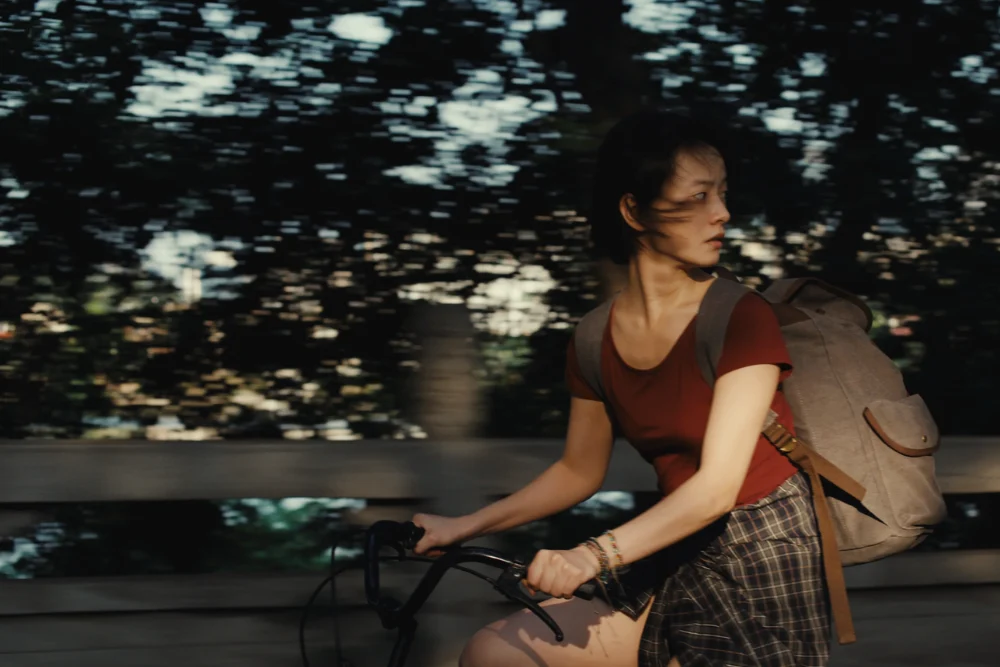
Among the standout winners were Zou Jing’s "A Girl Unknown," which secured the Best Narrative Feature in the International Competition; Asmahan Bkerat’s "Concrete Land," recognized as the Best Documentary in the International Competition; and Hamad Al-Fayhani’s "Crawling Into Myself," which claimed the top prize in the Made in Qatar strand.
A Strategic Evolution of the DFI Vision
The transformation of the Ajyal Film Festival into the broader Doha Film Festival represents a calculated strategic shift by the Doha Film Institute. For over a decade, Ajyal successfully nurtured local youth audiences and encouraged regional talent. However, the decision to rebrand and expand the scope to include a more rigorous international competition reflects a broader ambition to position Doha as a primary hub for global independent cinema.
This transition was underscored by the introduction of four distinct competition strands: the International Feature Film Competition, the International Short Film Competition, the Ajyal Film Competition (a legacy component judged by a youth jury), and the Made in Qatar competition. By diversifying the jury panels and inviting world-renowned industry figures to preside over these categories, the DFI has effectively signaled its readiness to compete with major regional and international film festivals.
Insights from the Winning Narrative Features
The winning films offer a cross-section of current global thematic concerns, ranging from identity and displacement to the physical manifestations of psychological trauma.
"A Girl Unknown," directed by Zou Jing, resonated with the jury for its poignant exploration of transience and the search for belonging. The narrative follows a young Chinese girl through a tumultuous upbringing, passed between three separate families between the ages of 6 and 18. The film’s ability to capture the psychological fragmentation inherent in such a nomadic childhood served as a cornerstone for its critical success.
In the documentary category, Asmahan Bkerat’s "Concrete Land" presented an intimate, multi-generational portrait of a mixed-race family in Jordan. The film serves as a socio-political commentary on the struggle against displacement and the hostility inherent in urban environments, demonstrating the power of personal storytelling to illuminate broader systemic issues.
Finally, the Made in Qatar competition winner, Hamad Al-Fayhani’s "Crawling Into Myself," provided a visceral look at the human condition. The film follows a man grappling with a rare, degenerative illness that results in the loss of his facial features. Critics noted the film’s innovative use of visual metaphor to explore themes of self-perception and existential dread.
The Role of the Jury and Artistic Direction
The festival’s legitimacy was bolstered by a high-caliber jury. The international feature film competition was presided over by acclaimed Japanese director Naomi Kawase, whose own filmography is noted for its meditative, human-centric approach to cinema. Joining her were notable industry figures including French-Tunisian actor Adam Bessa, Tunisian producer Dora Bouchoucha, Italian documentary auteur Gianfranco Rosi, and Palestinian filmmaker Kamal Aljafari.
The inclusion of such diverse voices across the jury panels ensured that the evaluation process was rooted in a global aesthetic standard. For the short film competition, the panel was led by French-Moroccan producer Karim Aitouna, while the Made in Qatar jury was headed by Lebanese actress and filmmaker Yumna Marwan. This deliberate curation of judges underscores the festival’s commitment to bridging the gap between Middle Eastern cinema and the international festival circuit.

Doha Industry Days: A Catalyst for Global Collaboration
Running concurrently with the screenings, the Doha Industry Days served as a crucial networking hub for the global film community. The three-day industry event attracted approximately 450 executives from 38 countries, facilitating high-level discussions and project development.
The event’s programming featured industry heavyweights, including "Squid Game" creator Hwang Dong-hyuk and director Joe Russo, who provided insights into the changing landscape of global distribution and streaming. A major highlight of the industry sidebar was the announcement of several high-profile biopics. Among these, the Neon-backed project "Caesar," centered on the life of Syrian military officer Farid Al-Madhhan, garnered significant attention. Additionally, projects focusing on the lives of Egyptian music icon Mohamed Mounir and Lebanese pop star Fadel Shaker were unveiled, highlighting a growing industry interest in the dramatization of regional cultural histories.
Official Perspectives on the Festival’s Impact
Reflecting on the conclusion of the event, Fatma Hassan Alremaihi, festival director and CEO of the Doha Film Institute, emphasized that the festival’s success extends beyond mere metrics of attendance or prize distribution.
"Tonight, as we celebrate the winners of the 2026 Doha Film Festival, we celebrate far more than cinematic achievement," Alremaihi stated during the closing ceremony. "We recognize the power of stories to transcend borders, challenge perspectives, and bring the experiences of people and communities into the global conversation."
Alremaihi further elaborated on the DFI’s institutional philosophy, noting that the festival acts as a vital platform for narratives that might otherwise remain on the periphery of the global cinematic discourse. "The films we honor tonight remind us that cinema is not simply a reflection of the world we live in; it is a force that can shape how we understand it, connect with one another, and imagine a more empathetic future."
Broader Implications for the Qatari Cultural Sector
The 2026 Doha Film Festival, attended by dignitaries including H.E. Sheikha Al-Mayassa bint Hamad bin Khalifa Al Thani, chairperson of the DFI, highlights Qatar’s ongoing efforts to diversify its economy through the creative industries. By hosting an event of this scale, Qatar is not only attracting tourism but also cementing its status as a critical node in the global film production ecosystem.
The integration of local talent within the "Made in Qatar" strand, alongside international competition, serves as a developmental ladder for domestic filmmakers. The exposure provided by the festival—both in terms of industry networking during the Doha Industry Days and the critical acclaim offered by an international jury—provides a measurable boost to the sustainability of the local film industry.
Furthermore, the audience award, which went to Jamal Rashid Alkhanji for his film "Jodari Meno," highlights the ongoing engagement of the local public with domestic narratives. This feedback loop between the festival, the international film community, and the local audience is essential for the long-term viability of the Doha Film Festival.
Looking Ahead
As the curtain closes on the 2026 edition, the festival’s organizers are already looking toward the future. The successful transition from the Ajyal format to the more ambitious Doha Film Festival model appears to be an effective strategy for maintaining relevance in a crowded international festival landscape. By focusing on the intersection of high-art narrative cinema, industry development, and cultural diplomacy, the DFI has established a framework that is likely to see further growth in the coming years.
The combination of significant financial support, an elite international jury, and a robust industry sidebar has created an environment where independent storytelling is not only celebrated but actively supported through investment and distribution opportunities. As the global film industry continues to grapple with the challenges of the streaming era and changing audience habits, the Doha Film Festival stands as a testament to the enduring power of the cinema experience as a catalyst for dialogue and societal reflection.
