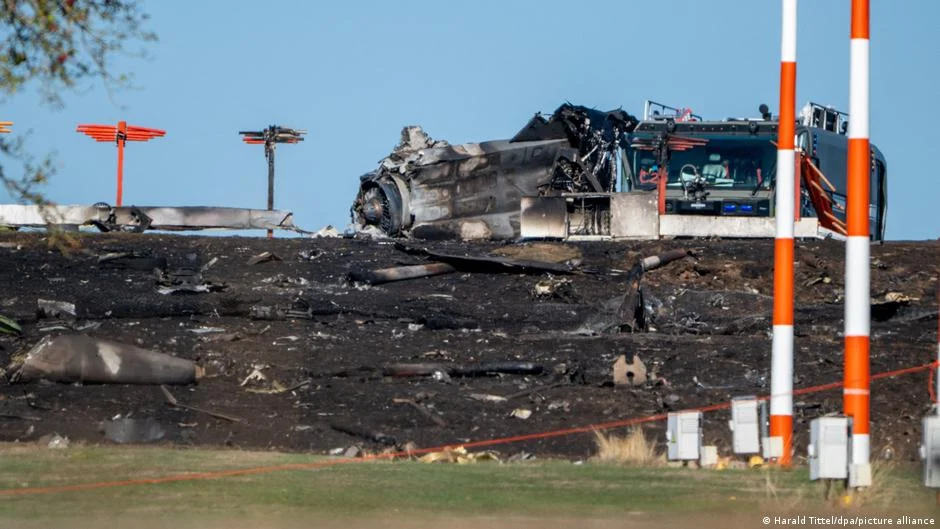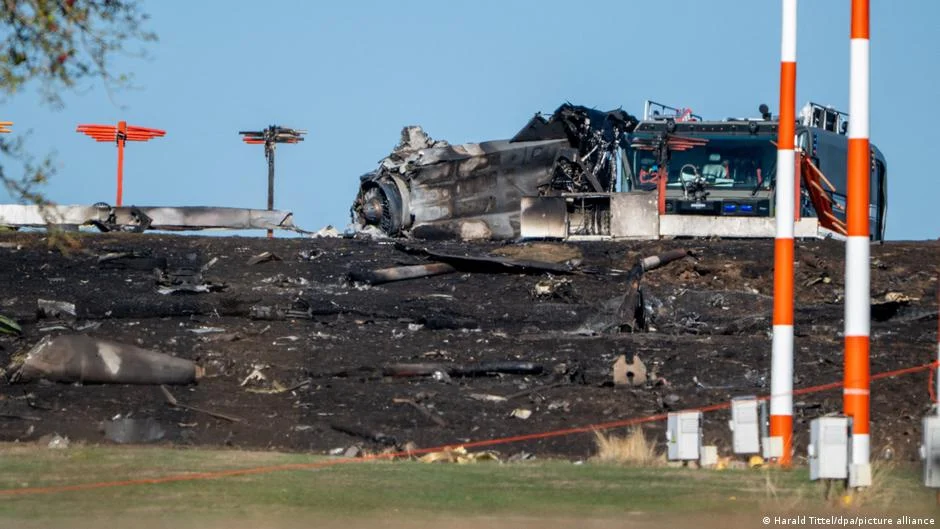
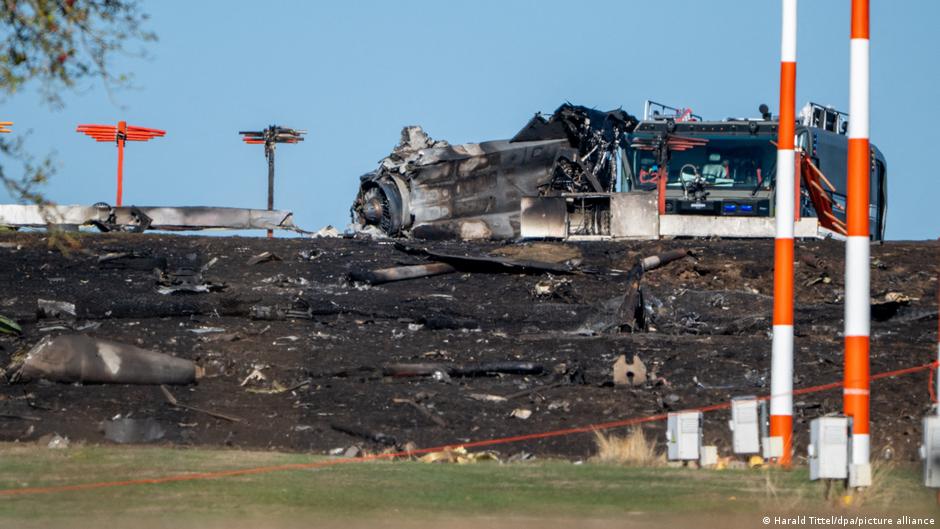
A US Air Force F-16 Fighting Falcon assigned to the 52nd Fighter Wing stationed at Spangdahlem Air Base in southwestern Germany crashed on Tuesday afternoon, prompting a swift emergency response from local German authorities and military personnel. The incident, which occurred at approximately 2:30 p.m. local time (12:30 UTC), resulted in the successful ejection of the pilot, who is currently undergoing medical evaluation. While the immediate vicinity of the crash site remains cordoned off, the broader implications for the NATO-aligned base and local community are already under scrutiny.
Chronology of the Incident
The sequence of events began shortly after the aircraft took off for what was described as a routine training mission. Witnesses in the Eifel region reported hearing a loud noise followed by the sight of smoke rising from an area near the base. Within minutes of the crash, the 52nd Fighter Wing triggered its emergency protocols.
By 2:45 p.m., fire and emergency response teams from the Bitburg-Prüm district were dispatched to the site, working in coordination with US military personnel to secure the perimeter and mitigate any environmental hazards. By 3:30 p.m., the base released a preliminary statement confirming that the pilot had successfully ejected from the aircraft. The pilot was immediately transported to a medical facility for assessment. While local officials in the Eifel region confirmed that at least one person—the pilot—sustained injuries during the incident, no further details regarding the extent of these injuries or the status of any potential collateral damage on the ground have been disclosed at this hour.
Technical and Operational Context
The F-16 Fighting Falcon, a single-engine supersonic multirole fighter aircraft, is a cornerstone of the United States Air Force’s tactical air power. The aircraft involved in Tuesday’s crash was part of the 52nd Fighter Wing, an essential component of the United States Air Forces in Europe (USAFE).
Spangdahlem Air Base serves as a vital strategic hub for NATO operations in Europe. Established in the early 1950s, the facility houses an F-16 squadron comprising roughly 20 aircraft. The base is not merely a landing strip; it is a complex, fully integrated installation that provides rapid-response capabilities for the alliance. The presence of the 52nd Fighter Wing is central to the United States’ commitment to European security, acting as a deterrent force and a primary training center for regional air defense maneuvers.
The logistical footprint of Spangdahlem is significant. It serves as home to approximately 5,000 US military and civilian personnel, along with their families. Furthermore, the base acts as a major regional employer, providing jobs for roughly 700 to 800 German nationals. This deep integration into the local economy and social fabric means that any incident involving the base—particularly an aviation accident—carries heavy weight in the local political and public discourse.
Official Responses and Preliminary Investigation
The 52nd Fighter Wing issued a concise statement following the incident, emphasizing that the pilot was receiving appropriate care. "The pilot ejected safely and is receiving medical care," the base stated, adding that the cause of the crash remains under active investigation.
Local German authorities, including the Eifel district emergency services, have maintained a professional, albeit limited, communication strategy. A representative from the Bitburg-Prüm district noted that while their emergency teams were instrumental in the initial containment of the crash site, further details regarding the investigation would be released by the US military, which holds jurisdiction over the wreckage and the specific circumstances of the flight.
Military aviation experts suggest that investigations into such crashes typically follow a rigorous, multi-layered process. This includes an analysis of flight data recorders (often referred to as "black boxes"), a review of maintenance logs for the specific airframe, and an investigation into environmental conditions at the time of the crash. Given the highly specialized nature of the F-16, the US Air Force usually convenes an Accident Investigation Board (AIB) to determine if the cause was mechanical failure, human error, or a combination of external factors.
Broader Implications and Regional Security
The crash occurs at a time of heightened sensitivity regarding European defense and the operational readiness of NATO forces. Spangdahlem, alongside Ramstein Air Base near Kaiserslautern, constitutes the bedrock of US air power on the continent. The loss of an F-16, while not unprecedented in the history of the base, raises inevitable questions regarding fleet maintenance, aging equipment, and the intensity of training exercises conducted in densely populated European airspace.
The Eifel region, where the crash occurred, is characterized by its rolling hills and proximity to international borders, including Luxembourg. Flights from Spangdahlem frequently navigate this terrain, and local residents have long been accustomed to the presence of military jets. However, such incidents invariably reignite debates concerning flight paths and noise pollution, even as local officials maintain a collaborative relationship with the base command.
From a strategic perspective, the incident is unlikely to alter the long-term mission of the 52nd Fighter Wing, but it may lead to a temporary pause in flight operations for the squadron as a standard safety precaution. The Air Force typically initiates a "stand-down" period following a crash to conduct fleet-wide safety inspections, ensuring that any systemic issues identified in the investigation are addressed before the aircraft return to active duty.
Environmental and Safety Concerns
The crash site itself presents an immediate concern for environmental and public safety authorities. The wreckage of a modern fighter jet contains hazardous materials, including specialized hydraulic fluids, residual jet fuel, and potentially volatile munitions or electronic components. The Bitburg-Prüm emergency teams have been tasked with ensuring that any potential leaks or environmental contamination are contained.
The cooperation between German civil authorities and the US military in the aftermath of this event highlights the maturity of the host-nation support agreements. These agreements dictate how emergency services are dispatched and how jurisdictional boundaries are managed during incidents involving foreign military assets on German soil. The efficiency of the response—from the initial distress signal to the arrival of medical personnel—will likely be a subject of review in the coming weeks to ensure that procedures remain optimized for future contingencies.
Looking Ahead: Transparency and Accountability
The public and media attention surrounding this event underscores the need for continued transparency from the US Air Force. While military operations often require a degree of confidentiality, the impact on the local community necessitates a clear and timely flow of information regarding the investigation’s findings.
As the recovery of the aircraft wreckage begins, the priority for the 52nd Fighter Wing will be twofold: ensuring the welfare of the pilot and maintaining the trust of the local German population. The history of Spangdahlem is one of long-standing cooperation, and the response to this accident will serve as a test of the established mechanisms for crisis management between the US military and German regional authorities.
In the long term, the crash will be analyzed not just for its immediate cause, but as a data point in the ongoing discussion regarding the sustainability of current training volumes for NATO forces. As the investigation progresses, the world will wait for the final report from the Accident Investigation Board, which will serve as the definitive account of the events that transpired on this Tuesday afternoon in the skies over Germany. Until then, the focus remains on the recovery of the pilot and the securing of the site, marking another chapter in the complex relationship between the local Eifel community and the NATO forces that operate within its borders.