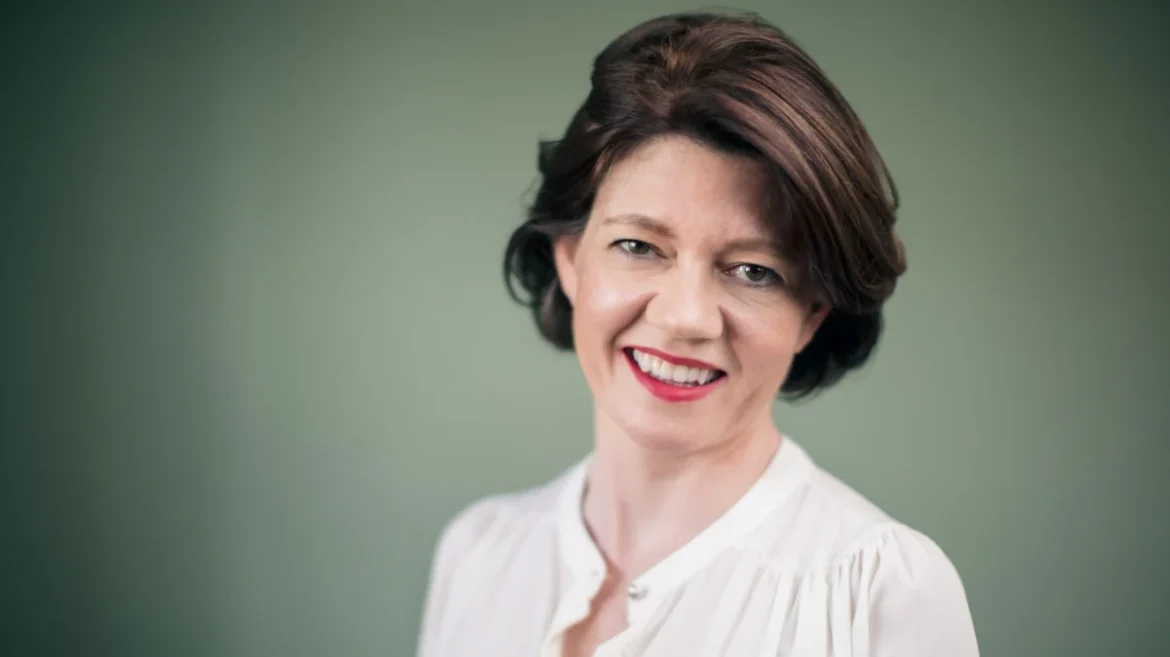
Isabel Davis has been appointed Director of the BFI Filmmaking Fund, a pivotal role within the UK’s national film agency, tasked with shaping the landscape of independent British cinema. Davis will commence her five-year fixed term in October 2026, succeeding Mia Bays, whose tenure has seen the BFI support a diverse slate of critically acclaimed and commercially successful films. This appointment marks a significant return to the BFI for Davis, who previously held a lengthy tenure there, including the crucial position of Head of International. Her most recent eight years as Executive Director of Screen Scotland have solidified her reputation as a formidable advocate for filmmaking talent and a strategic leader within the industry.
A Strategic Appointment for a Vital Sector
The BFI Filmmaking Fund is a cornerstone of the UK’s independent film ecosystem, providing essential financial support that enables visionary storytellers to bring their projects to the screen. Davis’s appointment comes at a critical juncture for the sector, which faces both economic headwinds and evolving structural challenges. Her experience, particularly her deep understanding of national and international film markets, coupled with her commitment to public service and fairness, positions her to navigate these complexities effectively.
BFI CEO Ben Roberts, who led the recruitment process alongside Deputy CEO Harriet Finney, expressed his confidence in Davis’s capabilities. "Isabel is tenacious when it comes to doing the right thing for UK independent film and filmmakers," Roberts stated. "This is such a huge job, a cornerstone of UK independent film, and Isabel brings experience, passion, and a national and a global outlook, and a firm commitment to fairness and public service. She will be an asset to the film community and the BFI." The rigorous recruitment process involved external panellists, including distinguished producers Elizabeth Karlsen and Hakan Kousetta, and Nicky Bentham, co-chair of Pact’s Film Producers’ Group, underscoring the importance and scrutiny applied to this key leadership appointment.
A Proven Track Record and a Vision for the Future
Davis’s leadership at Screen Scotland has been instrumental in bolstering Scotland’s film industry. During her tenure, she oversaw significant investment in Scottish film talent and projects, fostering a vibrant and dynamic creative environment. Her previous experience at the BFI, particularly her role as Head of International, provided her with a comprehensive understanding of global distribution, co-production opportunities, and the international festival circuit – all vital components for the success of UK independent films on the world stage.
Her return to the BFI Filmmaking Fund signifies a strategic continuity, leveraging her established relationships and deep knowledge of the organisation and the broader film industry. Davis’s career trajectory demonstrates a consistent dedication to nurturing emerging and established filmmakers alike, with a focus on diversity, inclusivity, and the production of culturally significant works.
Reflecting on Past Successes and Future Ambitions
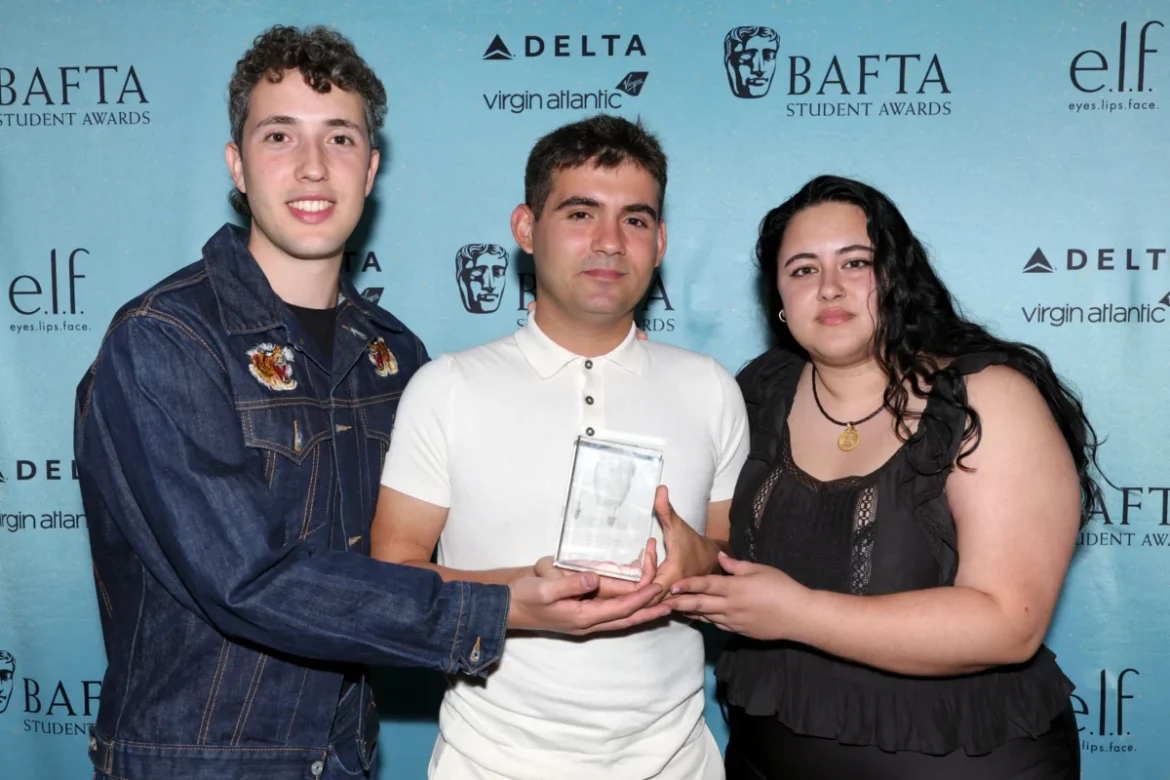
The BFI Filmmaking Fund has a demonstrable history of supporting impactful cinema. Under Mia Bays’s direction, which began in October 2021, the fund backed notable films such as "Kneecap," a vibrant portrayal of Belfast’s hip-hop scene, "My Father’s Shadow," and the BAFTA-winning animated short "Two Black Boys in Paradise." These selections highlight the fund’s commitment to diverse genres and compelling narratives.
In her statement, Davis conveyed her profound sense of responsibility and optimism. "I am honoured to be stepping into this role at a time when this public funding is critical to building a successful future for UK film and the public value it represents," she said. She acknowledged the prevailing challenges within the UK independent film sector, citing economic pressures and structural shifts. However, she also expressed a strong belief in the enduring appeal of cinema. "But audience appetite for great stories, and for the communal experience of cinema-going, is strikingly resurgent and our filmmaking talent continues to be among the world’s best," Davis asserted.
Her forward-looking vision emphasizes the core mission of the fund: "Enabling filmmakers to produce work that connects with a broad range of audiences across the UK – through ambition, inventiveness and heart – has to be at the core of our response. Daunting, yes, but exciting too." This sentiment underscores her strategic approach, which prioritizes creativity, audience engagement, and the unique voice of British filmmakers.
A UK-Wide Perspective and a Commitment to Equity
A significant aspect of Davis’s forthcoming role will be her commitment to a truly pan-UK approach. Drawing on her experience in Scotland, she articulated a clear intention to extend the BFI’s support and engagement across all constituent nations and regions. "I’ll bring my experience in Scotland to this role, and with it a truly UK-wide perspective on the BFI’s support of independent film," Davis stated. "So Scotland hasn’t seen the last of me – nor indeed have Northern Ireland, Wales and the English regions." This emphasis on a holistic, equitable distribution of support is crucial for fostering a robust and diverse national film industry, ensuring that talent from all parts of the UK has the opportunity to flourish.
The BFI Filmmaking Fund: A Catalyst for Excellence
The BFI Filmmaking Fund plays a vital role in supporting films at various stages of development and production. Its investments are designed to foster artistic innovation, cultivate new talent, and ensure the commercial viability of independent British cinema. The fund’s impact is evident in the calibre and diversity of films it has backed. Recent examples of projects supported by the BFI Film Fund this year include Shalini Adnani’s "Our Share of Sand," slated for the prestigious Venice Film Festival; Theo Rhys’s "Stuffed," a world premiere at the Toronto International Film Festival starring Jodie Comer and Harry Melling; and Clio Barnard’s "I See Building Fall Like Lightning," which garnered the People’s Choice award in the Directors’ Fortnight at Cannes. These accolades underscore the fund’s success in identifying and championing films with significant artistic merit and international appeal.
The Evolving Landscape of Independent Film Funding
The appointment of Isabel Davis comes at a time when the global film industry is undergoing rapid transformation. The rise of streaming platforms, shifting audience consumption habits, and evolving exhibition models present both opportunities and challenges for independent filmmakers. The BFI Filmmaking Fund, under Davis’s leadership, will be expected to adapt and innovate, providing strategic support that addresses these contemporary realities. Her background in international markets will be particularly valuable in helping UK films navigate global distribution and find audiences beyond domestic borders.
Furthermore, the emphasis on "fairness and public service" in BFI CEO Ben Roberts’s statement suggests a continued commitment to accessible funding streams and equitable opportunities for filmmakers from diverse backgrounds and regions. This focus on inclusivity is essential for reflecting the breadth of British society on screen and for ensuring that the UK’s film industry remains competitive and relevant on the international stage. Davis’s proactive stance on engaging with Scotland, Northern Ireland, Wales, and the English regions signals a dedication to democratizing access to funding and support, thereby fostering a more robust and representative national cinema.
Looking Ahead: A New Chapter for UK Cinema
Isabel Davis’s appointment as Director of the BFI Filmmaking Fund marks the beginning of a new chapter for UK independent cinema. Her proven leadership, extensive experience, and clear vision for the future suggest a period of dynamic growth and continued success for British filmmaking. Her commitment to a UK-wide perspective and her emphasis on ambition, inventiveness, and heart in storytelling will undoubtedly shape the next wave of impactful films emerging from the United Kingdom, solidifying its position as a global leader in cinematic creativity and innovation. The industry will be watching with anticipation as she embarks on this critical mandate.