
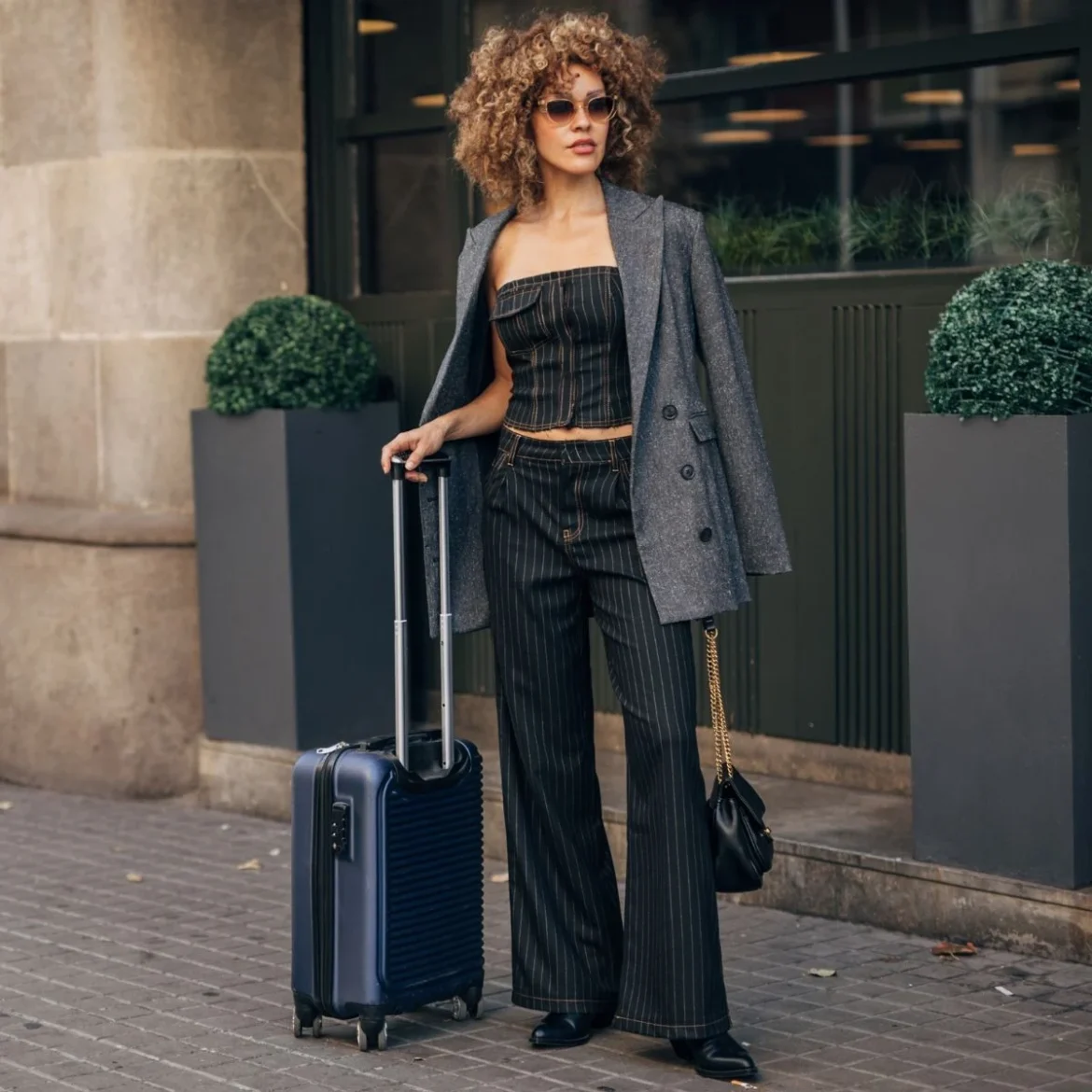
Navigating the complexities of global travel requires a strategic approach to packing, shifting the focus from novelty gadgets to items that provide genuine utility, comfort, and durability. As the holiday season approaches, the retail landscape for travel accessories has pivoted toward high-performance materials and ergonomic design. Industry data suggests that the global travel gear market is projected to reach significant growth benchmarks by 2030, driven by an increasing consumer preference for "bleisure"—the blending of business and leisure travel—and a heightened focus on personal wellness during transit. For the frequent traveler, the ideal gift is not merely an aesthetic addition but a functional tool that addresses the physiological and logistical stressors of modern transit.
The Evolution of In-Flight Wellness and Comfort
The physiological demands of air travel, characterized by low cabin humidity and prolonged sedentary periods, have necessitated a new category of "in-flight essentials." Dermatological research consistently indicates that cabin environments can lead to significant transepidermal water loss. Consequently, products such as the Summer Fridays Jet Lag Hydration Set and the ALO Hypochlorous Clarity Mist have emerged as staples. Hypochlorous acid, in particular, has gained traction in the skincare industry for its anti-inflammatory properties, providing a sterile, refreshing barrier against the recycled air of commercial aircraft.
Complementing skincare, the rise of "athleisure-as-travel-wear" reflects a broader cultural shift toward comfort-first mobility. High-quality monochromatic sets, such as the Abercrombie & Fitch Sunday Half-Zip and wide-leg pant combinations, offer a transitionary aesthetic that maintains a professional appearance while facilitating ease of movement. Such apparel serves a dual purpose: it mitigates the physical discomfort associated with long-haul seating and minimizes the need for frequent wardrobe changes upon arrival.
Engineering Durability in Luggage Design
The investment in high-quality luggage remains the cornerstone of travel preparedness. Traditional soft-shell bags are increasingly being superseded by aluminum-frame carry-ons, such as those produced by Carl Friedrik. These models utilize anodized aluminum for its superior strength-to-weight ratio and impact resistance. Unlike polycarbonate alternatives, aluminum shells offer enhanced protection for internal cargo, a critical factor for business travelers transporting sensitive electronics or professional equipment.
Furthermore, the integration of 360-degree silent-run wheels and multi-stage telescopic handles has transformed the user experience within high-traffic terminals. When paired with modular organization systems—such as the Stoney Clover Lane clear-front pouches or the Beis Air Duffle Starter Set—these pieces create a streamlined workflow for the traveler. The emphasis here is on transparency and accessibility; by utilizing clear-front storage, travelers reduce the time spent at security checkpoints, directly addressing the efficiency requirements of modern airport navigation.
The Role of Technology and Personalization
While novelty gadgets often fail to integrate into long-term travel habits, personalized accessories serve as both functional markers and emotional anchors. Custom-engraved luggage tags, such as those offered by Mark & Graham in high-grade faux leather, provide a practical solution for baggage identification while offering a level of personalization that mitigates the risk of theft or misplacement.
In the realm of digital connectivity and work-on-the-go, the Calpak Luka Expandable Laptop Tote exemplifies the modern requirement for versatile storage. The inclusion of dedicated, protective sleeves for computing devices, combined with expandable compartments, allows the traveler to manage varying cargo volumes without the need for additional bags. This adaptability is essential for the traveler who must transition from a corporate environment to a leisure setting without returning to a home base.

Strategic Destination Planning and Hospitality Trends
The logistical planning of a trip is as critical as the gear packed for it. Partnerships with global hospitality leaders like Hilton have streamlined the booking process, providing curated experiences that cater to the evolving needs of the modern tourist. Resorts such as the Zemi Miches All-Inclusive Resort in the Dominican Republic and the Indura Beach & Golf Resort in Honduras represent the current trend toward integrated, destination-based travel.
These properties are no longer merely lodging; they are designed as comprehensive ecosystems. The Zemi Miches, for example, integrates wellness-focused activities like beachside yoga and professional-grade spa treatments, aligning with the growing consumer demand for "transformative travel." Similarly, the Indura resort leverages its geography—incorporating native mangrove forests and 18-hole golf courses—to provide a localized experience that differentiates itself from standardized luxury accommodations.
Data-Driven Consumer Trends
According to recent travel industry surveys, nearly 68% of frequent travelers report that their choice of accessories and luggage directly impacts their stress levels during transit. The shift toward "whisper-smooth" hardware and weight-optimized materials is not merely a preference but a response to increasingly stringent airline baggage regulations. As airlines continue to adjust carry-on weight and dimension limits, the adoption of lightweight, expandable luggage has become a financial necessity to avoid excess baggage fees.
Furthermore, the inclusion of items like 100% mulberry silk sleep masks (such as those from Blissy) highlights an increased awareness of circadian rhythm management. By utilizing high-density, light-blocking materials, travelers can improve the quality of rest during red-eye flights, which has been shown to significantly reduce the impact of jet lag upon arrival at their destination.
Implications for the Future of Travel
The intersection of high-fashion and high-utility represents the future of the travel industry. As the line between work and play continues to blur, manufacturers are challenged to create products that are sufficiently durable for global transit yet elegant enough for high-end dining and social engagements. This dual-purpose requirement is likely to drive further innovation in fabric technology—specifically, wrinkle-resistant and moisture-wicking materials that maintain structural integrity over long durations.
The hospitality sector’s response to these trends is equally significant. By offering "pro tips" regarding golden hour photography or pre-booking systems for high-demand amenities like golf courses and spa treatments, resorts are moving toward a concierge-style model that anticipates the needs of the guest before arrival. This proactive service, combined with the right equipment, allows the traveler to maximize the utility of their time, regardless of the destination.
Conclusion: A Strategic Approach to Gifting
For those looking to provide a gift to the frequent flyer in their life, the focus should remain on items that bridge the gap between necessity and luxury. A gift that reduces the friction of travel—whether through the physical comfort of a quality sleep mask, the organizational efficiency of a clear-front pouch, or the logistical ease of a pre-planned resort stay—is one that will yield high value for the recipient.
In summary, the modern traveler values time above all else. Any accessory that simplifies the process of packing, navigating, or resting is inherently superior to aesthetic-only items. By prioritizing products that feature durable construction, ergonomic design, and versatility, the gift-giver ensures that their contribution becomes a permanent fixture in the recipient’s travel repertoire. As we move into the next year, the emphasis remains on high-performance solutions that allow travelers to move through the world with confidence, comfort, and, above all, efficiency. The goal is to provide tools that endure, ensuring that the next flight is not just a transit event, but a seamless extension of the traveler’s lifestyle.
