
The Saliba Setback and Defensive Reconfiguration
The loss of William Saliba represents a substantial blow to Arsenal’s tactical blueprint. Since returning from his loan spells in Ligue 1, Saliba has been the cornerstone of the Gunners’ defensive resurgence, providing a blend of recovery speed, composure on the ball, and physical dominance. During the recent World Cup, Saliba was a mainstay for Les Bleus until the semi-final encounter with Spain, where he was forced off with what has now been diagnosed as a complex back issue. Medical assessments conducted upon his return to London Colney suggest that while conservative management is the preferred route over surgery, the player will miss the entirety of the pre-season program and a significant portion of the opening months of the domestic season.
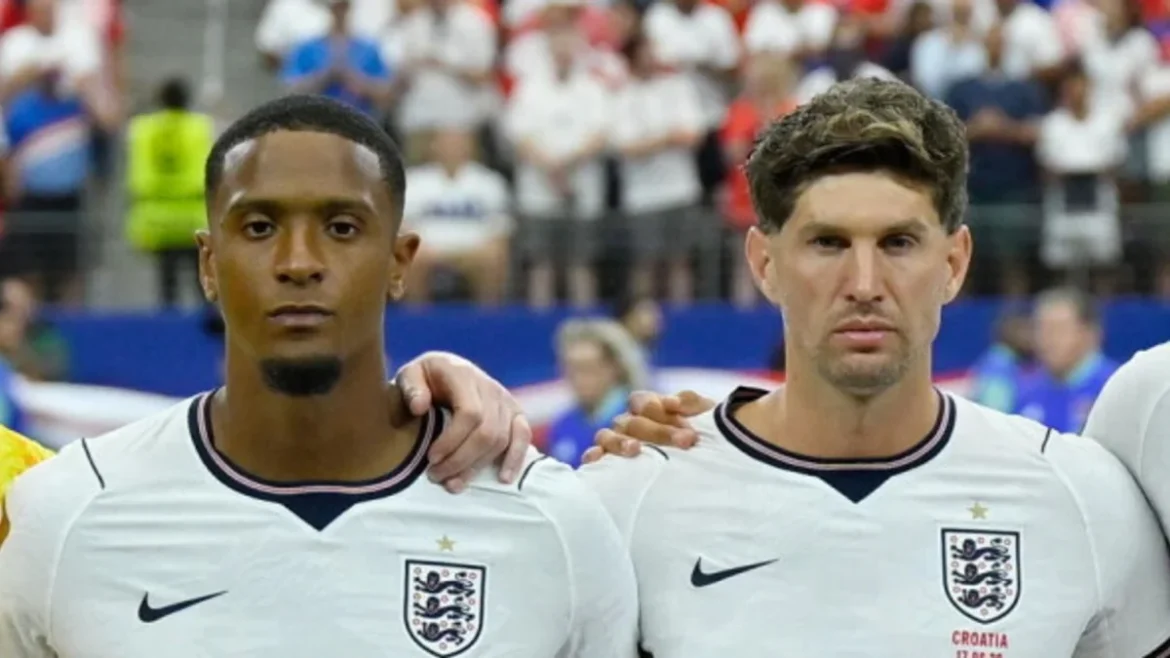
In response to this absence, Arsenal manager Mikel Arteta and Sporting Director Edu Gaspar have turned their attention to proven Premier League quality. The pursuit of John Stones and Ezri Konsa highlights a desire for players who not only possess defensive solidity but also the technical proficiency required to play out from the back—a non-negotiable trait in Arteta’s system. Furthermore, both targets offer versatility, with the ability to provide cover at right-back, a position that has seen various rotations due to injuries over the past twelve months.
John Stones: A High-Value Free Agency Opportunity
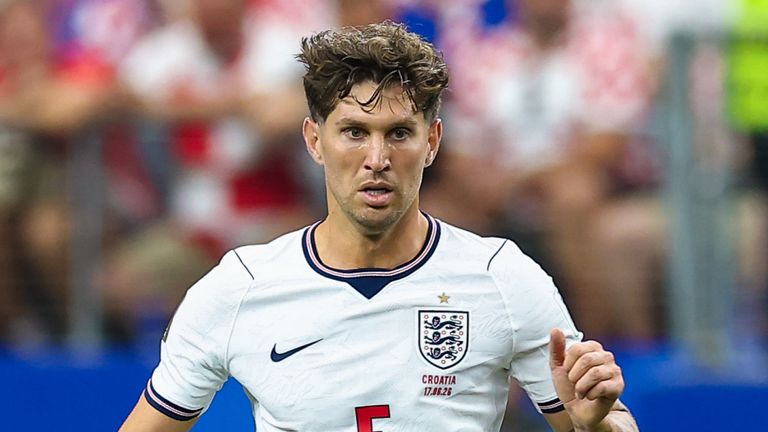
The most intriguing name on Arsenal’s shortlist is John Stones. The 32-year-old England international is currently a free agent after his contract with Manchester City expired at the end of last month. Stones’ decade-long tenure at the Etihad Stadium saw him transform into a "hybrid" defender, often stepping into midfield to dictate play under Pep Guardiola. This specific skillset is highly coveted by Arteta, who served as Guardiola’s assistant during Stones’ formative years in Manchester.
The relationship between Arteta and Stones is viewed as a significant factor in Arsenal’s favor. Arteta was instrumental in Stones’ development between 2016 and 2019, and the manager is reportedly keen to integrate the veteran’s experience into a relatively young Arsenal squad. However, the Gunners face stiff competition. Sky Sports News has confirmed that Chelsea are also monitoring Stones’ situation closely. The West London club, undergoing their own defensive transition, view Stones as a cost-effective leader who can stabilize their backline. For Arsenal, the appeal of Stones lies in his "plug-and-play" nature; his familiarity with the tactical demands of a high-pressing, possession-based side would significantly reduce his integration time.
Despite being 32, Stones’ performance metrics remain elite. During his final season at City and his five appearances for England at the World Cup, he maintained a pass completion rate exceeding 93% and ranked in the top percentile for progressive carries by a central defender. His availability on a free transfer also provides Arsenal with financial flexibility to address other areas of the squad, even if his wage demands are expected to be substantial.
Ezri Konsa: The Peak-Age Alternative
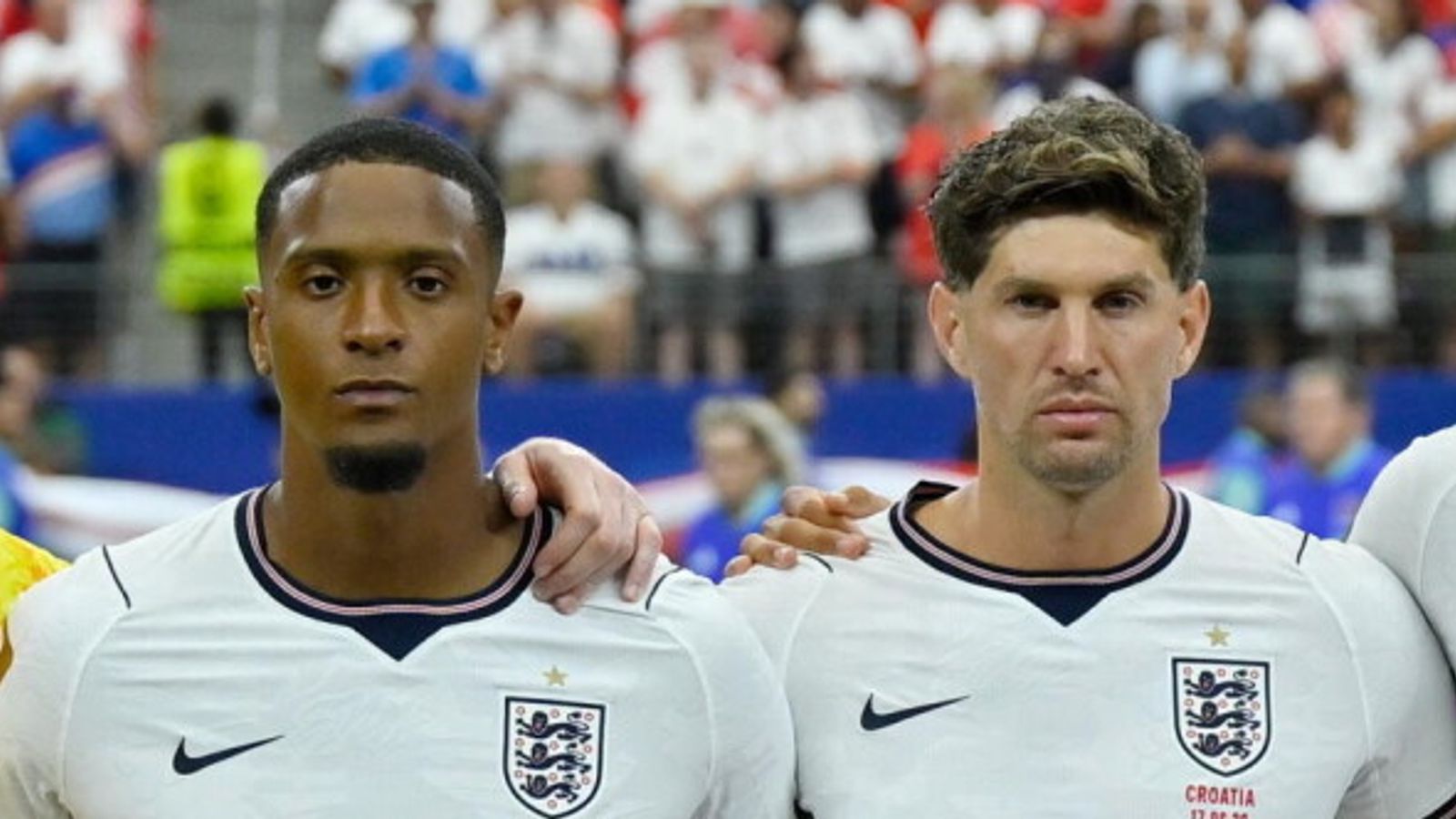
While Stones offers veteran leadership, Aston Villa’s Ezri Konsa represents a target in the prime of his career. At 28, Konsa has evolved into one of the most reliable defenders in the Premier League under Unai Emery’s tutelage. Unlike Stones, Konsa would require a transfer fee, as he still has two years remaining on his current contract at Villa Park.
Konsa’s stock has never been higher following a standout World Cup campaign where he featured in all eight of England’s matches. His durability is one of his most attractive traits; over the last three seasons, Konsa has consistently played over 3,000 minutes per campaign, a stark contrast to the injury-interrupted seasons Stones has occasionally endured. For Arsenal, Konsa offers a long-term solution who could feasibly compete for a starting spot even once Saliba returns to full fitness. His experience playing in a high defensive line at Villa makes him a natural fit for Arteta’s tactical setup.
A Chronology of Arsenal’s Defensive Evolution
To understand Arsenal’s current pursuit, it is essential to look at the timeline of their defensive recruitment over the last several windows. The club has moved away from stop-gap signings, instead focusing on versatile, multi-functional players.
- Summer 2022: William Saliba returns from Marseille and immediately becomes a starter alongside Gabriel Magalhães.
- January 2023: Jakub Kiwior is signed from Spezia to provide left-sided cover.
- Summer 2023: Jurrien Timber arrives from Ajax for £34 million, though his debut season is marred by an ACL injury.
- Summer 2024: Riccardo Calafiori is acquired following an impressive Euro 2024, adding further depth to the left-back and centre-back roles.
- Current Window: Arsenal have already moved to secure Piero Hincapie on a permanent basis following his successful loan spell from Bayer Leverkusen. The Ecuadorian’s ability to play both as a central defender and a left-sided fullback has already bolstered the squad’s depth.
The potential addition of Stones or Konsa would be the final piece of this defensive puzzle. With Ben White recently returning to training after a knee injury sustained in May and Jurrien Timber nearing a return from a groin issue, the addition of another top-tier centre-back would give Arsenal arguably the deepest defensive roster in the league.
Tactical Implications and Squad Depth
Arteta’s preference for a "fluid" back four often sees a nominal right-back tuck into midfield or a left-back push high up the pitch. Both Stones and Konsa have the tactical intelligence to execute these roles. Stones, in particular, pioneered the "inverted centre-back" role at City, while Konsa has frequently filled in at right-back for both club and country, offering a more conservative, defensive-minded option compared to the overlapping runs of Ben White.
The current Arsenal defensive roster, should another signing arrive, would include:
- Gabriel Magalhães: The left-sided powerhouse.
- William Saliba: (Recovering) The elite recovery defender.
- Riccardo Calafiori: The versatile Italian international.
- Piero Hincapie: The permanent new addition.
- Ben White: The consistent performer at right-back/centre-back.
- Jurrien Timber: The technical fullback/centre-back hybrid.
- Cristhian Mosquera: The young prospect providing backup.
This level of depth is viewed as a necessity if Arsenal are to compete on four fronts, including a revamped Champions League format that demands more rotation. The lessons of the 2022/23 and 2023/24 seasons, where injuries to key defenders arguably cost the club the Premier League title, have clearly been learned by the hierarchy at the Emirates Stadium.
Financial Considerations and Market Dynamics
The pursuit of Stones and Konsa also reflects the broader financial landscape of the Premier League. With Profit and Sustainability Rules (PSR) tightening the spending power of many clubs, the free agent market has become increasingly competitive. Securing a player of Stones’ caliber without a transfer fee would be a significant coup for Edu Gaspar, allowing funds to be reallocated toward a marquee midfield or attacking signing.
Conversely, a move for Konsa would require a significant outlay, likely in the region of £45-£55 million, given his importance to Aston Villa and his recent international exploits. Villa, having qualified for European competition themselves, are under no immediate pressure to sell, meaning Arsenal would need to present a highly compelling offer to tempt the Midlands club into parting with one of their defensive stalwarts.
Conclusion: A Critical Window for Arteta
As the Premier League landscape becomes increasingly competitive, the margins for error are thinning. The injury to William Saliba could have been a season-defining disaster in previous years. However, Arsenal’s proactive approach in targeting John Stones and Ezri Konsa suggests a club that is now better prepared for the volatility of professional football.
Whether it is the veteran experience and tactical sophistication of Stones or the peak-age reliability and athleticism of Konsa, Arsenal are determined to ensure that their defensive foundations remain unshakable. The coming weeks will be decisive as the club weighs up the financial implications of a permanent transfer against the competitive race for a high-profile free agent. For Mikel Arteta, the goal remains clear: build a squad capable of withstanding any injury crisis and finally bringing the Premier League trophy back to North London.
