
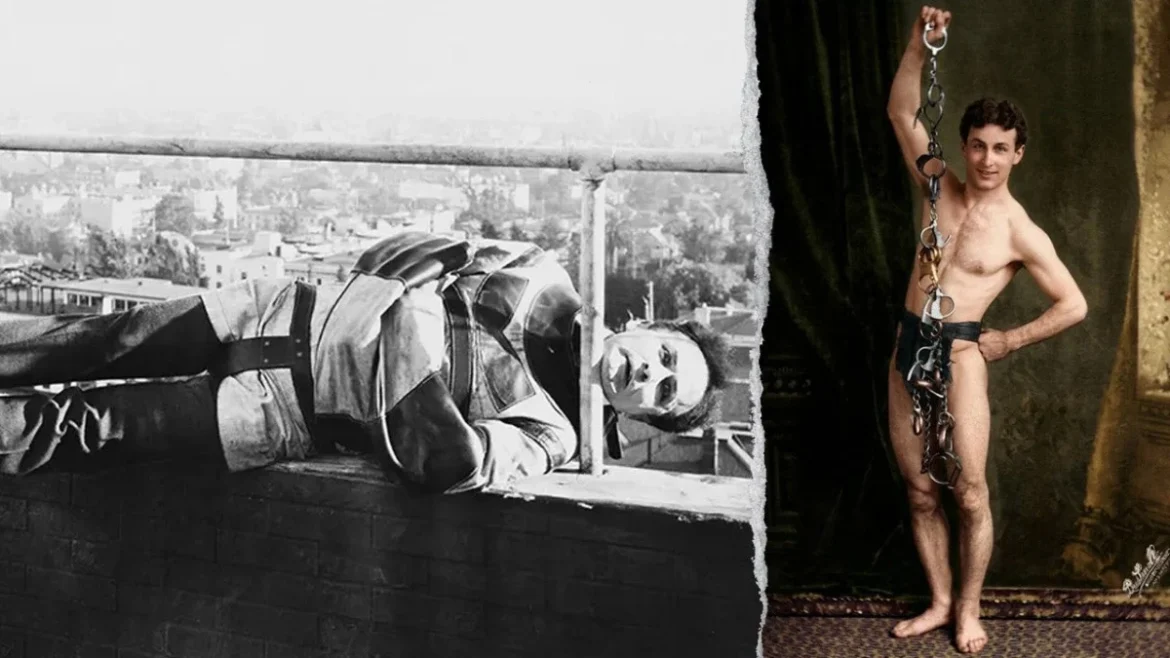
A century after his death on October 31, 1926, the legendary escape artist and illusionist Harry Houdini continues to captivate historians, magicians, and the public. Born Erik Weisz in Budapest, Hungary, on March 24, 1874, Houdini immigrated to the United States with his family at the age of four, settling initially in Appleton, Wisconsin, before moving to New York City. Over the course of his illustrious career, he transformed himself from a struggling card trickster into one of the most celebrated vaudeville performers and pop culture icons in global history. Yet, despite his extraordinary physical conditioning and meticulous control over his craft, the circumstances surrounding his untimely death at the age of 52 remain a subject of intense historical debate, conspiracy theories, and medical speculation.
Official medical records attribute Houdini’s passing to peritonitis, a severe and fatal abdominal infection brought on by a ruptured appendix. However, alternative theories—ranging from a fateful series of blows to his abdomen to deliberate poisoning by aggrieved spiritualists—have persisted for decades. As contemporary audiences revisit his legacy through modern mediums, including the newly released, artificial intelligence-powered Fox Nation series Houdini: Back from the Dead, experts continue to dissect the final days of a man who spent his life defying the seemingly impossible.
The Chronology of a Tragedy: The Final Days of Harry Houdini
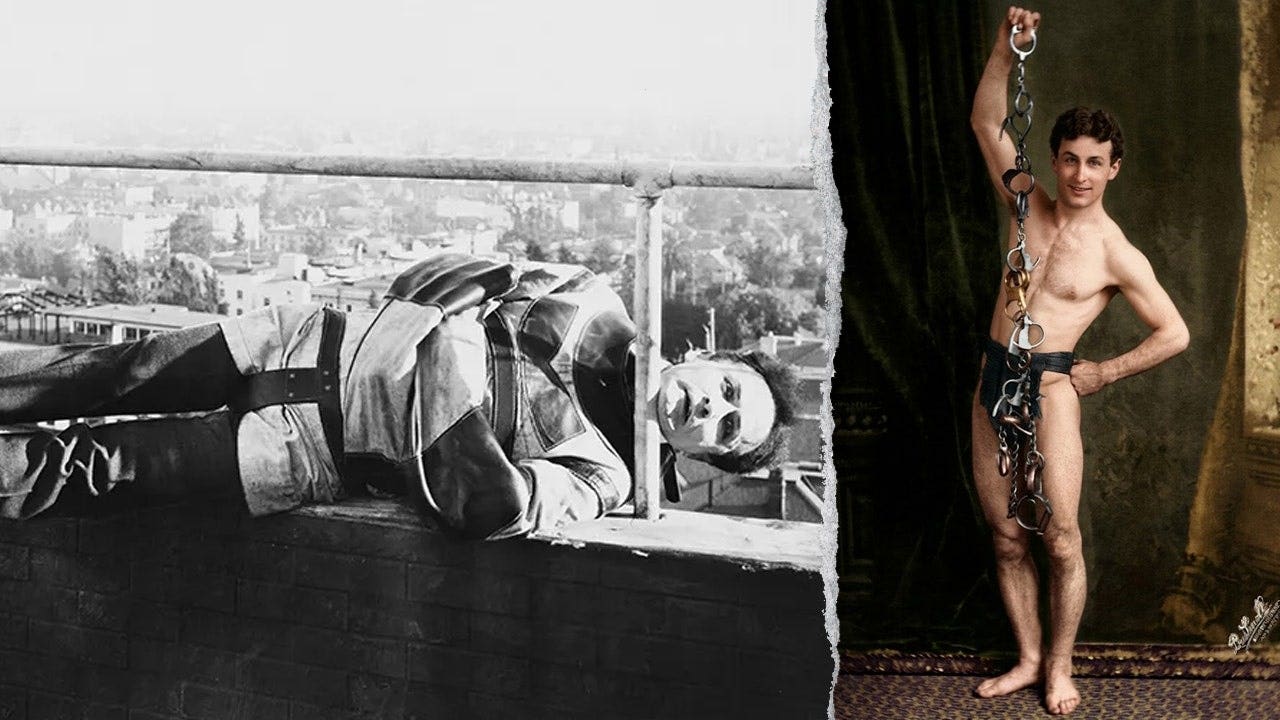
The narrative of Houdini’s final days is anchored by a series of events that began in mid-October 1926 during his performance tour in Canada. On October 22, while resting on a couch in his dressing room at the Princess Theatre in Montreal, Houdini was visited by J. Gordon Whitehead, a McGill University student and amateur boxer. Whitehead reportedly asked the famous performer if it was true that he could withstand hard punches to the stomach without injury. Houdini, who frequently used his abdominal fortitude as a demonstration of physical conditioning, nodded assent.
According to historical accounts and eyewitness testimony, Whitehead delivered several sudden and uncalculated punches to Houdini’s stomach before the performer could properly tense his abdominal muscles. Roger Dreyer, president of the New York-based museum Houdini Revealed, noted that the strikes continued until another individual in the room intervened and urged Whitehead to stop.
Despite experiencing immediate and escalating pain, Houdini pressed forward with his demanding performance schedule. He traveled to Detroit, Michigan, performing through severe abdominal agony before finally collapsing on stage at the Garrick Theater on October 24. Admitted to Grace Hospital, Houdini underwent emergency surgery, but the intervention came too late. His appendix had already ruptured, leading to acute peritonitis. He succumbed to the infection a week later, passing away on Halloween night in 1926.
Medical Analysis and the Insurance Policy Factor
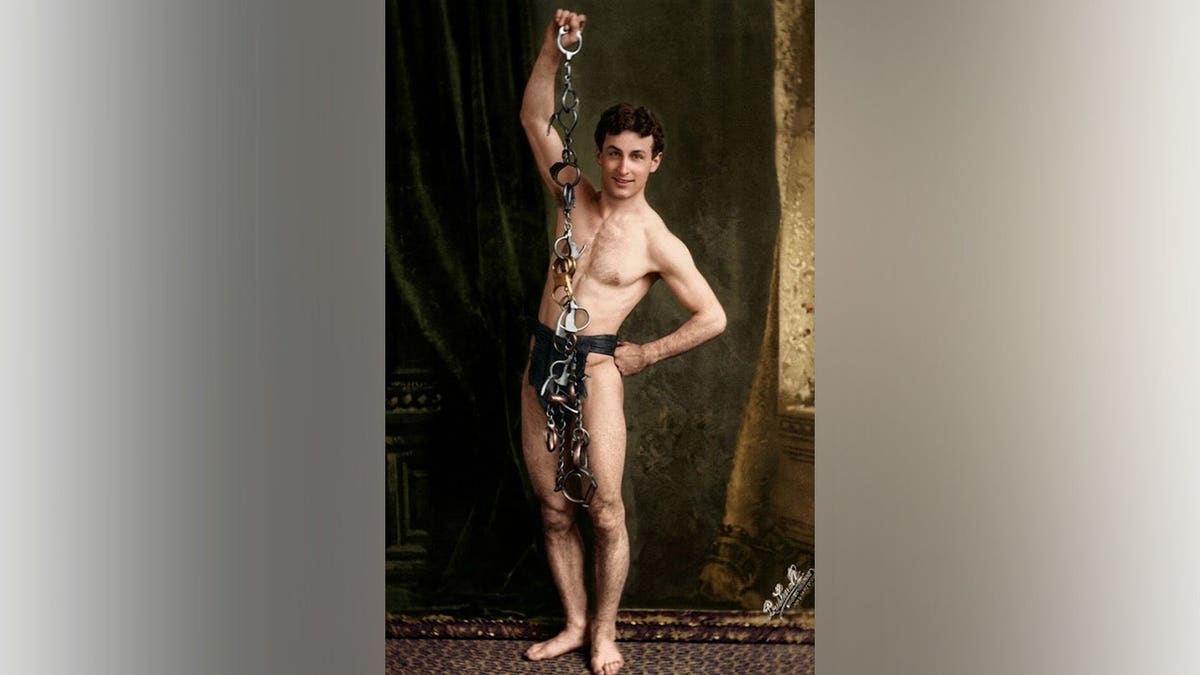
Medical historians and biographers have long debated the exact causal relationship between the McGill student’s punches and Houdini’s fatal appendicitis. John Cox, a prominent Houdini historian and biographer, suggests that the physical trauma likely masked the early symptoms of a naturally occurring appendicitis rather than initiating the condition directly.
"Had he not been punched, this pain would have come out of nowhere, and he might have gone and sought medical attention sooner," Cox explained. "So, the punch was very likely just a very poorly timed accident that caused him to not pay attention to what was really happening to him medically."
Interestingly, the narrative surrounding the blows carried significant financial implications for Houdini’s grieving widow, Bess Houdini. At the time of his death, the illusionist was carrying substantial financial debts. However, because his death was officially linked to an accidental physical trauma—the blows delivered in the Montreal dressing room—his life insurance policy payout was doubled.
According to Dreyer, Houdini held a primary life insurance policy of $25,000 with an accidental death rider that doubled the total payout to $50,000. In the economic context of 1926, that sum was roughly equivalent to securing nearly $500,000 in modern purchasing power, providing vital financial relief to his estate.
Crusade Against Spiritualism and the Final Seances
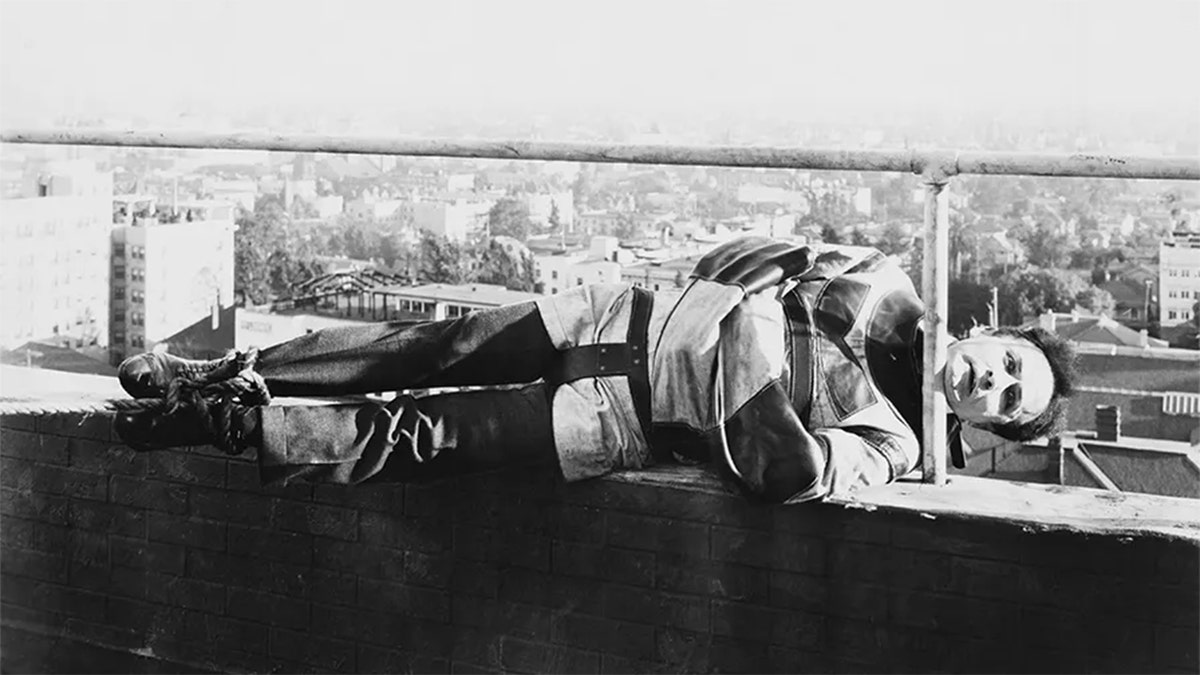
Beyond his daring escapes from handcuffs, straitjackets, and locked water cells, the latter years of Houdini’s life were defined by a relentless public campaign against fraudulent spiritual mediums. Following the death of his beloved mother, Cecilia Weiss, in 1913, Houdini became deeply invested in investigating individuals who claimed they could bridge the gap between the living and the dead. Convinced that these self-proclaimed mediums were exploiting grieving families through psychological manipulation and hidden mechanical tricks, Houdini dedicated significant time and resources to exposing them.
He served on investigative committees for scientific and literary publications, attended seances in disguise, and publicly debunked high-profile mediums on theater stages across the United States and Europe. This crusading stance generated substantial controversy, resulting in public feuds—most notably with British author Sir Arthur Conan Doyle, a fervent believer in spiritualism—and numerous defamation lawsuits filed against the magician.
Before his own death, Houdini and his wife Bess established a pact: whichever of them died first would attempt to transmit a specific, pre-arranged secret message from the afterlife to test the validity of spirit communication. The coded message consisted of a ten-word phrase: "Rosabelle, believe, answer, tell, pray, answer, look, tell, answer, imagine."
True to her word, Bess Houdini hosted formal annual seances on Halloween night for a decade following her husband’s passing. When all ten years yielded no verifiable communication or correct recitation of the secret code, Bess finally ended the tradition in 1936, famously declaring that "ten years is long enough to wait for any man." She concluded that true communication with the dead was an impossibility.
Pop Culture Iconography and Modern Reexaminations
One hundred years after his passing, Houdini’s cultural footprint extends far beyond the historical confines of early 20th-century vaudeville. Experts argue that his enduring relevance stems less from the morbid curiosity surrounding his death and more from the universal principles he embodied during his life.
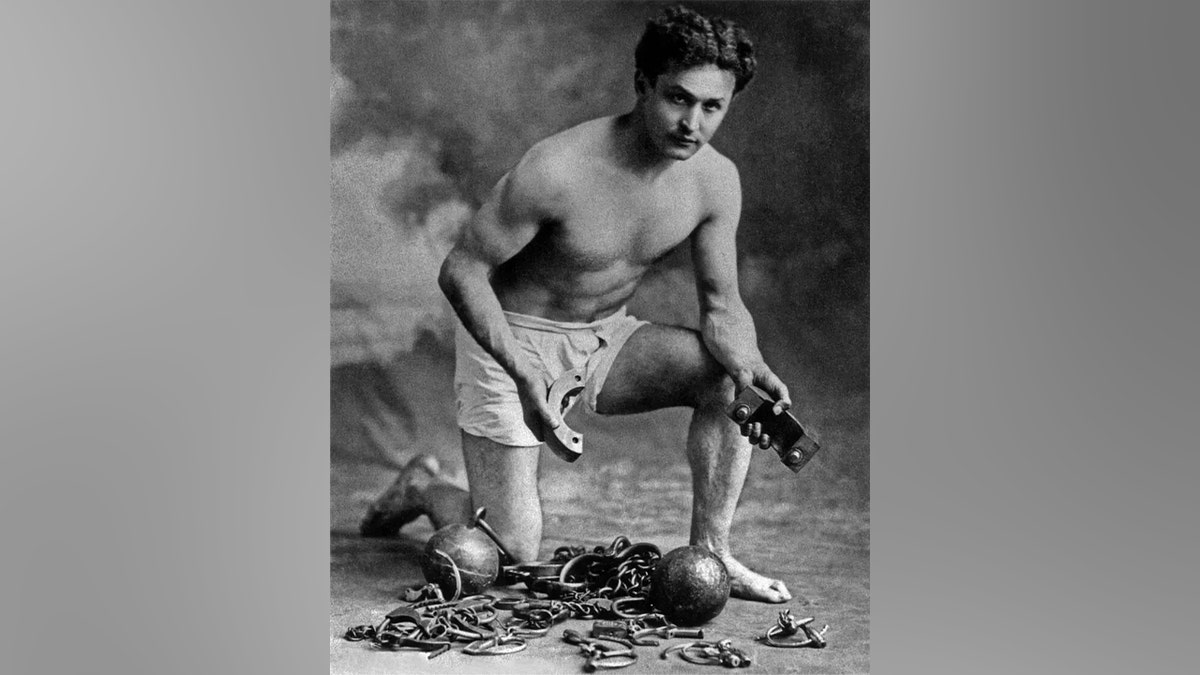
Dreyer characterizes Houdini as the preeminent pop icon and social influencer of his era, noting that his name remains globally synonymous with liberation, ingenuity, and the defiance of physical constraints. His mastery of self-promotion, press relations, and public spectacle established a blueprint for modern celebrity branding. Furthermore, his core philosophy—encapsulated in maxims such as "My brain is the key that sets me free"—resonates with contemporary audiences seeking motivation to overcome personal and professional obstacles.
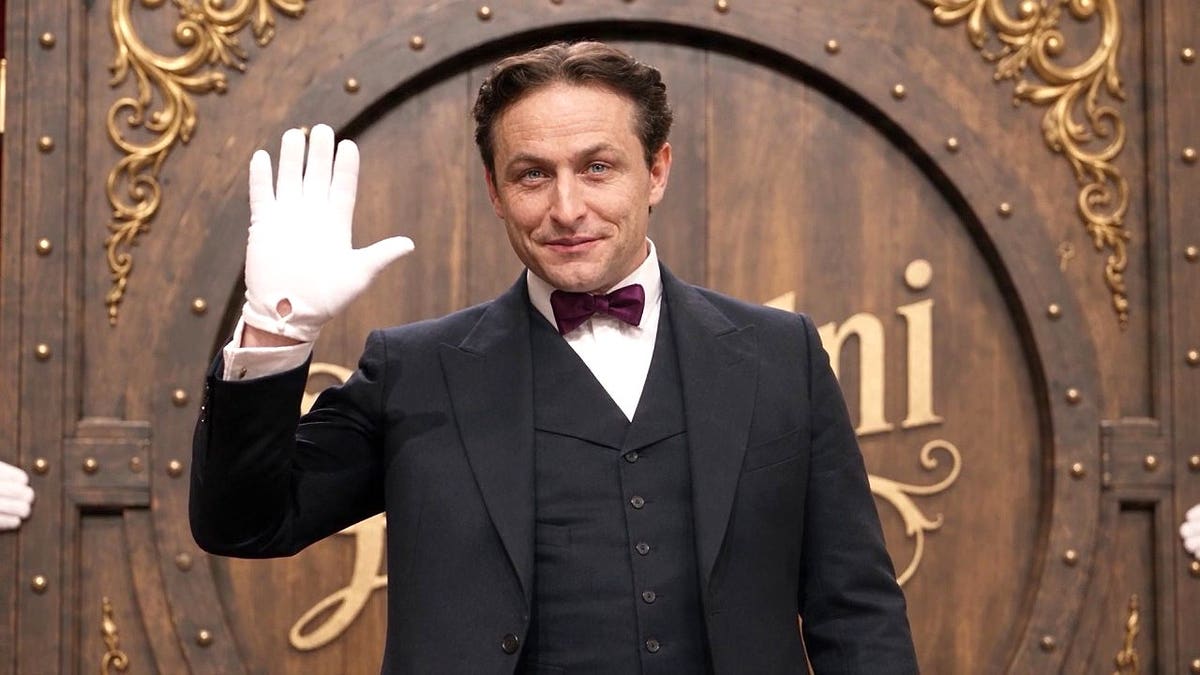
Efforts to preserve and reinterpret his legacy continue to evolve. The release of the three-part Fox Nation docuseries Houdini: Back from the Dead utilizes advanced artificial intelligence to recreate the illusionist’s likeness and voice, allowing him to narrate his own biographical struggles, triumphs, and philosophy to a 21st-century audience. Concurrently, preservationists, museum curators, and toy industry leaders like Dreyer—who serves as the chief wizard officer of Fantasma Toys—work to introduce foundational principles of magic and illusion to younger generations, ensuring that the sense of wonder championed by Houdini remains alive.
Ultimately, despite a century of intense biographical research, technological advancements in historical analysis, and countless attempts to demystify his methods, Houdini’s greatest illusion may well be the impenetrable veil of curiosity he left behind. As historians like Cox observe, generations later, observers and practitioners alike remain transfixed by the enduring question: "We’re still trying to figure out how Houdini did what he did."
