
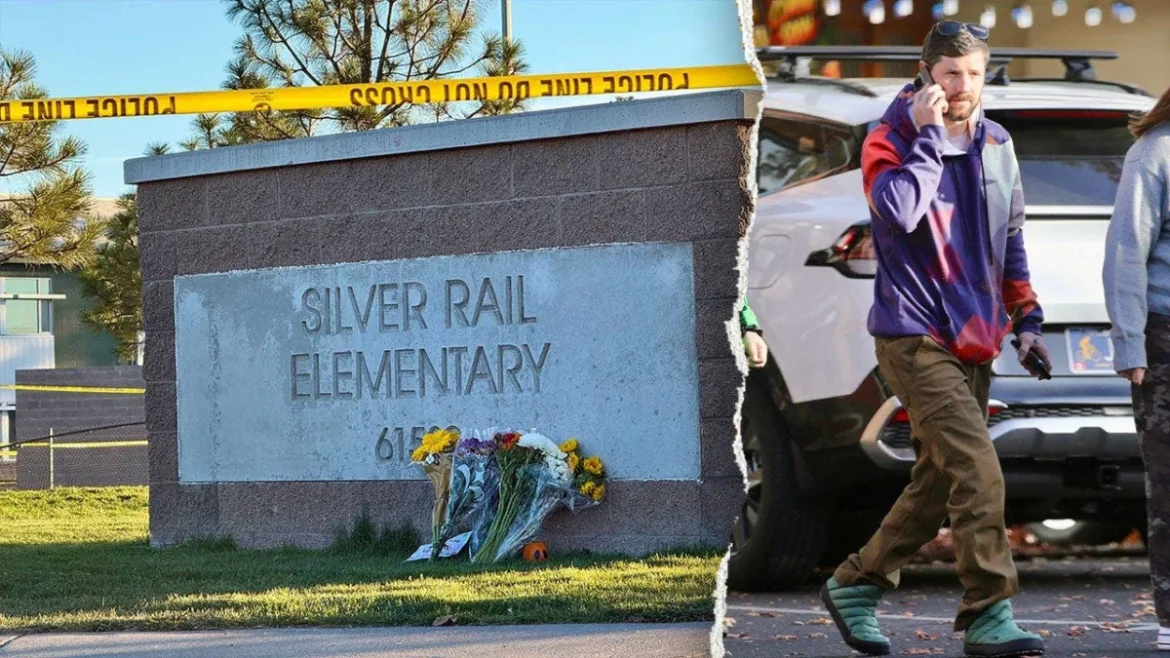
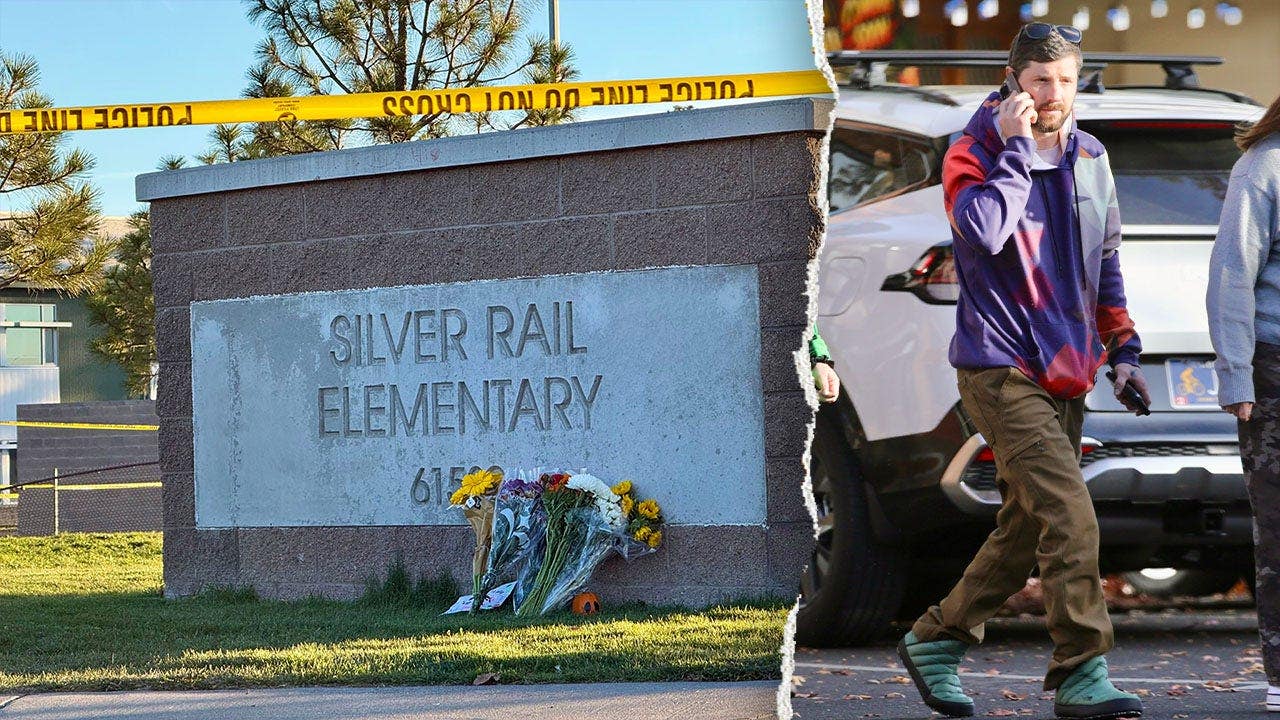
Newly released audio from the Deschutes 911 Service District has shed further light on the chaotic and terrifying moments of October 15, 2026, when an armed father rushed into Silver Rail Elementary School in Bend, Oregon, to confront a teenage gunman. The chilling recording captures 36-year-old Kaylub Giamanco on the phone with a dispatcher, issuing a desperate vow moments before taking matters into his own hands to halt a rampage that left four people dead and several others injured.
The tragedy unfolded at a time when communities across the Pacific Northwest were settling into the routine of the autumn school semester. The incident has since ignited intense national discussions concerning school security protocols, community intervention, the role of armed citizens in active shooter scenarios, and ongoing legislative debates surrounding firearm regulations at both the state and federal levels.
The 911 Call: Panic and Desperation Outside Silver Rail Elementary
The newly released audio details the frantic seconds leading up to Giamanco’s entry into the school building. Giamanco, a local carpenter whose two daughters were students at Silver Rail Elementary, was outside the facility when the attack began. Hearing the initial commotion and realizing the gravity of the threat, he retrieved a legally owned .40-caliber pistol from his vehicle and dialed emergency services.
"Oh my god. Hello 911. Someone’s at the school. My daughter’s school with a gun," Giamanco tells the dispatcher in the recording, his voice taut with urgency.
Throughout the call, the dispatcher attempts to de-escalate the situation and urges the father to remain outside, instructing him to wait for trained law enforcement personnel to arrive. "OK, tell me exactly what happened. Don’t do anything. Let me get an officer there, OK?" the dispatcher responds. "OK, I understand. Stay on the line with me."
Despite the dispatcher’s pleas, background audio on the call reveals the rapidly escalating violence inside the facility. Voices can be heard discussing the attacker’s location and whether shots are actively being fired. Giamanco informs the dispatcher, "They’re on the south side, entering the building, right now," shortly before warning that individuals are being struck by gunfire.
As the dispatcher reiterates that help is en route, Giamanco faces an impossible choice. In subsequent interviews with regional media outlets like Oregon Public Broadcasting (OPB), Giamanco described the psychological toll of approaching the building. Hearing children pleading for their lives followed by bursts of gunfire prompted him to army-crawl into the structure. "I told myself this is probably the last thing that I’m ever going to do," he recounted.
Chronology of the Attack and Heroic Intervention
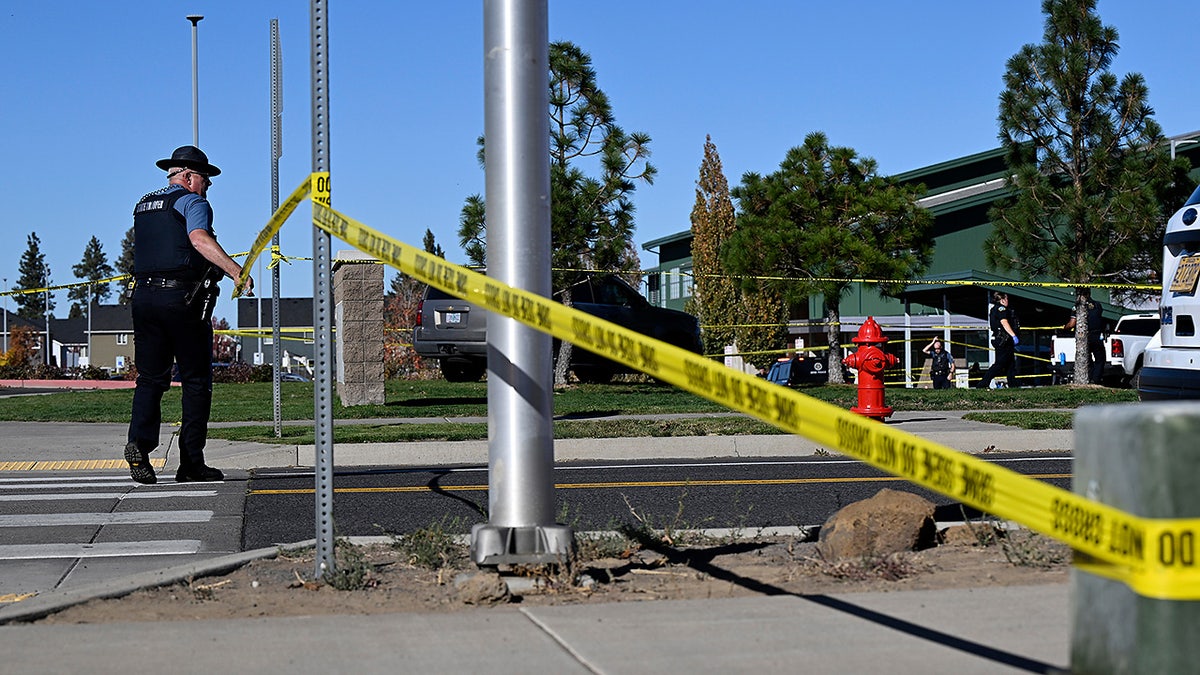
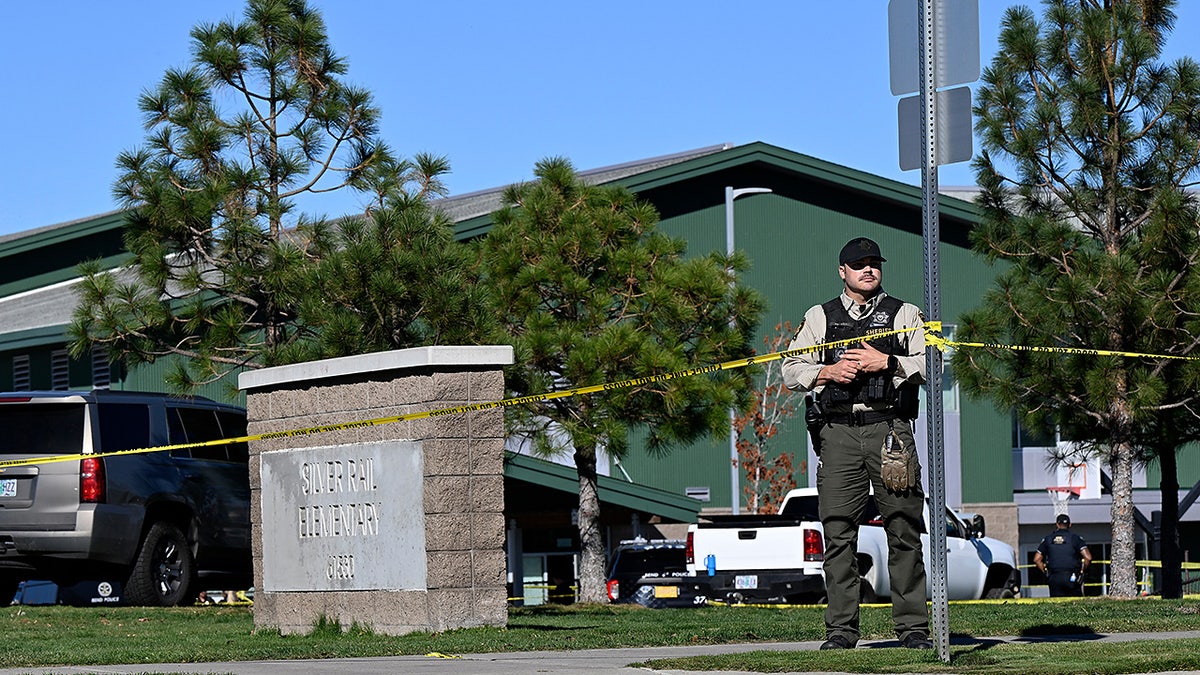
According to timelines established by the Bend Police Department during subsequent press briefings led by Police Chief Mike Krantz, the sequence of events moved with devastating swiftness.
The gunman, identified subsequently as a 16-year-old armed with a shotgun reportedly purchased by his mother, breached Silver Rail Elementary on the afternoon of October 15. The attacker immediately began opening fire, targeting classrooms and hallways.

Amid the chaos, incredible acts of bravery emerged from school staff members. Megan Lambert, a 25-year-old teacher at the school, along with another unnamed staff member, confronted the heavily armed teenager directly. According to Chief Krantz, Lambert demonstrated extraordinary valor by throwing her personal cellular device at the gunman and physically tackling him, attempting to wrestle the weapon away and shield her students from harm.
While the physical struggle between the teacher and the attacker was underway, Giamanco breached the building with his handgun. Locating the skirmish in a hallway, Giamanco fired multiple rounds at the 16-year-old assailant, neutralizing the threat before additional lives could be claimed.
The human toll of the attack, however, was immense. Three children—ages 5, 8, and 11—alongside teacher Megan Lambert, lost their lives during the rampage. Another child and an additional staff member sustained injuries, requiring intensive medical intervention at regional hospitals.
Community Response and Complex Emotional Fallout
In the wake of the tragedy, the community of Bend, Oregon, has been forced to grapple with profound grief alongside complex narratives of heroism. While accolades and public praise have rightfully been directed at both the slain teacher and the intervening father, the emotional aftermath for the survivors has been marked by deep sorrow.
Giamanco has expressed profound anguish over the victims he was unable to protect. In interviews following the incident, he offered public apologies to the grieving families. "I want to apologize for not saving their babies," Giamanco told OPB. "The gratitude for saving people’s children is awesome, but there were ones that I didn’t save."
Despite these personal burdens, the families of the victims have offered extraordinary grace and acknowledgment of the father’s actions. During an official police press conference, a statement read on behalf of Megan Lambert’s family directly addressed Giamanco’s pivotal intervention.
"We want the bystander who intervened to know we know he is going through a rough time, but we are grateful, and we think he is a hero," the family’s statement read. "You selflessly put yourself at risk for others."
The Bend School District similarly issued formal commendations, honoring the selfless actions of faculty members like Lambert and acknowledging the community members who put themselves in harm’s way to halt the violence. Grief counseling and mental health support services were rapidly mobilized across the district to assist students, families, and staff members navigating the psychological trauma of the event.
Broader Implications and Ongoing Public Policy Debates
The Silver Rail Elementary shooting has quickly permeated national political discourse, serving as a focal point for sharply contrasting viewpoints on firearm policy, public safety, and active shooter response strategies.
In the immediate aftermath, gun control advocates and several Democratic lawmakers renewed calls for stricter state and federal firearm legislation. These proposals frequently highlight the accessibility of the weapon used by the 16-year-old shooter—which was reportedly purchased by his mother—arguing that tighter storage laws, universal background checks, and restrictions on semi-automatic shotguns or long guns are necessary preventative measures to curb school violence.
Conversely, the involvement of an armed private citizen in neutralizing the attacker has provided robust talking points for opponents of sweeping gun restrictions. Second Amendment advocates and critics of the latest legislative pushes argue that the incident underscores the reality that armed intervention can sometimes halt active shooters faster than standard law enforcement response times, particularly in rural or suburban environments where police travel times to school facilities can vary.
Security experts emphasize that while armed intervention by citizens or staff can be decisive in stopping immediate bloodshed, reliance on civilian intervention remains a contentious and secondary line of defense compared to preventative mental health interventions, target-hardening school infrastructure, and specialized law enforcement tactics.
As investigations by local and federal authorities conclude, the legacy of the October 15 tragedy in Bend remains etched in the collective memory of the Pacific Northwest. The released 911 audio serves as a permanent, haunting testament to the split-second decisions faced by ordinary citizens thrust into extraordinary crises, balancing the instinct for self-preservation against the desperate drive to protect the most vulnerable members of society.
