
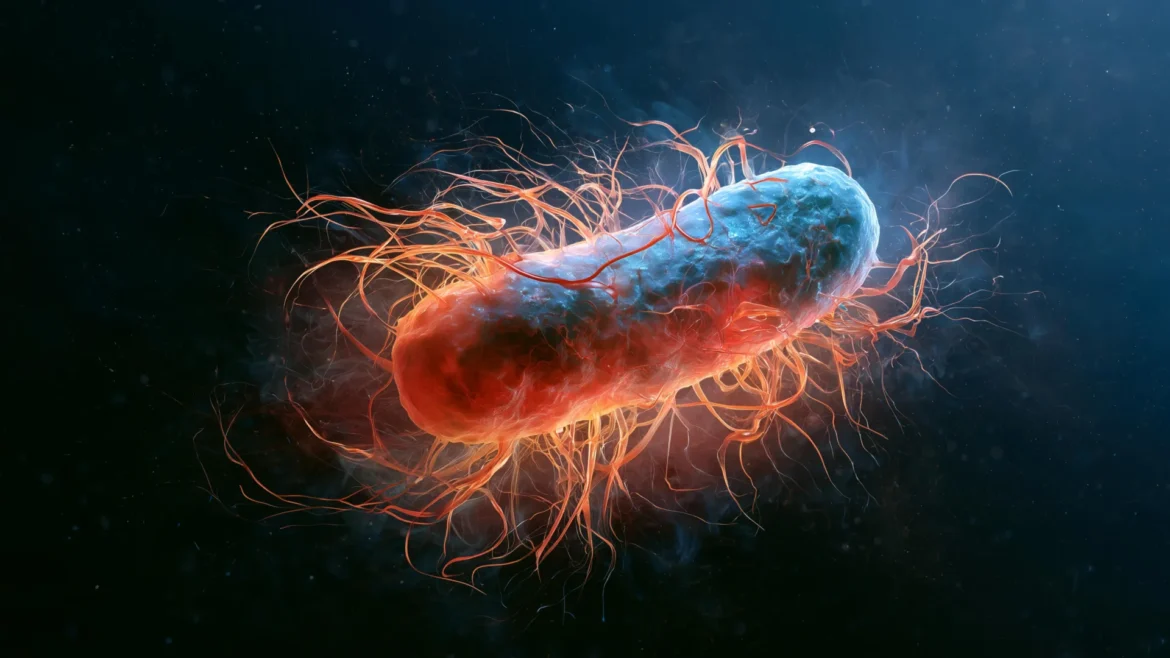
Researchers at the Hefei Institutes of Physical Science, operating under the umbrella of the Chinese Academy of Sciences, have published a groundbreaking study revealing that a specific strain of magnetotactic bacteria can significantly extend the healthy lifespan of model organisms. Led by Professor An Xu, the research team focused on Magnetospirillum magneticum AMB-1, commonly referred to as AMB-1. By administering these magnetic bacteria to the nematode Caenorhabditis elegans, the investigators observed an extension in average lifespan exceeding 43 percent, alongside marked improvements in physiological indicators such as neurological function and intestinal integrity in older organisms.
The findings, which were recently featured in the peer-reviewed journal Free Radical Biology and Medicine, open an entirely novel avenue for anti-aging interventions. Unlike conventional pharmacological treatments or complex genetic modifications that often face stringent regulatory hurdles, biocompatible microorganisms offer a unique paradigm for promoting longevity. This discovery bridges microbiology, gerontology, and nanotechnology, suggesting that natural bacterial mechanisms could eventually be harnessed to combat age-related physiological decline in clinical settings.
Background Context and the Quest for Longevity
Human and animal aging is characterized by a progressive, cumulative loss of physiological integrity, leading to impaired function and an exponentially increased susceptibility to chronic illnesses, including cardiovascular disease, neurodegenerative disorders, and metabolic syndromes. For decades, the scientific community has pursued diverse strategies to intervene in the aging process. Pharmacological candidates such as rapamycin, metformin, and resveratrol have undergone extensive scrutiny, alongside genetic approaches targeting nutrient-sensing pathways like mTOR and insulin/IGF-1 signaling.
However, translating these laboratory discoveries into practical, safe clinical therapies has proven extraordinarily difficult. Many synthetic anti-aging drugs carry undesirable side effects, while genetic interventions remain far too complex and risky for widespread prophylactic human application. Consequently, researchers have intensified their search for biocompatible, naturally occurring agents that can modulate aging pathways safely and efficiently.
Enter magnetotactic bacteria (MTB). First discovered decades ago, MTB are a diverse group of aquatic microorganisms characterized by their remarkable ability to navigate along geomagnetic field lines. This unique navigation system is made possible by intracellular organelles known as magnetosomes—membrane-bound crystals of magnetic iron minerals. Because of their inherent biocompatibility, low toxicity, and unique physical properties, magnetosomes and the bacteria that produce them have steadily gained traction in biomedical engineering. Prior to Professor Xu’s study, scientists primarily investigated MTB for targeted drug delivery systems, hyperthermia cancer therapy, and diagnostic imaging. Their potential role in systemic longevity and metabolic health, however, remained entirely unexplored until now.
Chronology of the Investigation
The path leading to this discovery represents a systematic, multi-step scientific investigation conducted at the Hefei Institutes of Physical Science. The project began with the hypothesis that the unique metabolic and structural properties of magnetotactic bacteria might interact favorably with the cellular machinery of host organisms, potentially mitigating oxidative stress.
In the initial phase of the research, the team selected Caenorhabditis elegans as the primary in vivo model. C. elegans is a transparent nematode measuring about one millimeter in length, and it has served as a cornerstone of aging research for over four decades. Its short lifespan of approximately two to three weeks, well-understood genome, and easily traceable physiological markers make it an ideal candidate for high-throughput longevity assays.
The researchers exposed populations of C. elegans to the AMB-1 bacterial strain under controlled laboratory conditions. Following the administration phase, the team monitored survival rates, locomotion, and tissue degradation over time. By utilizing mutant bacterial strains in subsequent experimental phases, the researchers systematically tested whether the physical presence of magnetic structures was necessary for the longevity effect, comparing wild-type AMB-1 against genetically altered variants incapable of producing magnetosomes. Finally, biochemical and genetic assays were performed to pinpoint the exact molecular pathways responsible for the observed healthspan extension.
Supporting Data and Quantitative Findings
The quantitative results of the study surpassed initial expectations. Nematodes treated with wild-type Magnetospirillum magneticum AMB-1 exhibited a staggering 43.39 percent increase in average lifespan compared to control groups. Beyond simply living longer, the treated worms lived healthier. Detailed physiological assessments demonstrated that AMB-1 intervention successfully preserved neurological function—measured through movement and sensory response assays—and maintained intestinal barrier integrity well into the later stages of the organisms’ lives.
To determine whether the bacteria’s magnetic properties were actively driving the life-extension phenomenon, the Hefei research team tested two distinct mutant strains alongside the wild-type AMB-1:
- Reversibly non-magnetotactic RNM-AMB-1: Exhibited a diminished, though still detectable, longevity effect.
- Non-magnetotactic NM-AMB-1: Completely failed to extend the lifespan of the host nematodes.
This comparative data provided compelling evidence that the capacity to synthesize functional magnetosomes is not merely an incidental trait, but a critical mechanism required for the observed anti-aging benefits.
Further biochemical analyses revealed that AMB-1 treatment profoundly altered the internal chemical environment of the host cells. Specifically, the bacteria successfully reduced intracellular iron accumulation and markedly lowered lipid peroxidation levels. Because iron overload and lipid oxidation are primary drivers of cellular toxicity, these reductions pointed directly toward the suppression of a specific, destructive form of programmed cell death known as ferroptosis.
Mechanisms of Action: Ferroptosis Suppression
Ferroptosis is an iron-dependent form of regulated cell death driven by the lethal accumulation of lipid peroxides. Unlike apoptosis or necrosis, ferroptosis is intimately linked to cellular metabolism, iron homeostasis, and redox biology. In aging tissues, iron tends to accumulate progressively, catalyzing the generation of free radicals via Fenton reactions and subsequently oxidizing polyunsaturated fatty acids in cell membranes. This process damages cellular structures, impairs organ function, and accelerates the aging phenotype.
By demonstrating that AMB-1 reduces iron buildup and lipid peroxidation, the Chinese Academy of Sciences team identified a novel biological pathway by which microbial interventions can counteract age-related cellular decay. Genetic expression profiling further illuminated the process, revealing that several key ferroptosis-related genes in C. elegans—namely ftn-1, bli-3, and ads-1—were significantly modulated following exposure to the bacteria. These genes play vital regulatory roles in iron storage, oxidative stress response, and lipid metabolism, confirming that AMB-1 exerts its protective effects by fortifying the organism’s intrinsic defenses against iron-induced oxidative damage.
Official Responses and Expert Perspectives
While the study originates from a specialized materials and physical science research institution, its implications have quickly resonated across the broader scientific community. Although formal commercial statements have not yet been issued due to the early, foundational nature of the work, independent biomedical researchers have praised the methodological rigor of the study.
"The intersection of microbiology and geroscience is yielding fascinating paradigms," noted a leading European biogerontologist not involved in the study. "Utilizing specialized bacteria not just as drug delivery vehicles, but as active modulators of redox biology and ferroptosis, represents a highly creative pivot in anti-aging research. Demonstrating that the physical machinery of the bacteria—the magnetosomes—is integral to the therapeutic outcome adds an extraordinary layer of sophistication to the findings."
Members of Prof. An Xu’s research group have emphasized that while the results in nematode models are robust, they represent only the first step in a long translational pipeline. The research team noted in their published findings that establishing this microbial strategy provides essential foundational evidence, yet moving from invertebrate models to vertebrate systems will require extensive preclinical validation.
Broader Impact and Implications for Geriatric Medicine
The implications of this research extend far beyond the laboratory bench, potentially transforming how scientists conceptualize the role of specialized microorganisms in human health and longevity. As populations age globally, the prevalence of neurodegenerative diseases, metabolic disorders, and chronic inflammatory conditions continues to surge, placing unprecedented burdens on healthcare systems. Therapeutics capable of addressing the root causes of cellular aging—such as oxidative stress, iron dysregulation, and lipid peroxidation—are urgently required.
Magnetotactic bacteria offer distinct advantages in this regard. Their biocompatibility and inherent responsiveness to magnetic fields suggest futuristic clinical scenarios where bacterial agents could be guided precisely to target tissues within the human body using external magnetic fields. Once localized, these microorganisms could theoretically exert localized antioxidant and anti-ferroptotic effects, mitigating tissue damage in organs most vulnerable to age-related decline, such as the brain and gastrointestinal tract.
Nevertheless, significant challenges remain before such clinical applications can become a reality. Researchers must rigorously evaluate the safety profiles of administering live magnetotactic bacteria to higher-order mammals, study their long-term systemic interactions with the host microbiome, and determine optimal dosage and delivery mechanisms. Furthermore, researchers need to isolate and analyze the specific biochemical metabolites secreted by AMB-1 to ascertain whether whole bacterial administration is necessary, or if purified bacterial components can replicate the life-extending benefits safely.
For now, the work led by Professor An Xu and his colleagues at the Hefei Institutes of Physical Science stands as a milestone in biogerontology. By demonstrating that magnetic bacteria can powerfully suppress ferroptosis and extend healthy lifespan in a living model, the study paves the way for a new generation of microbial-based interventions designed to promote healthier, more resilient aging.
