
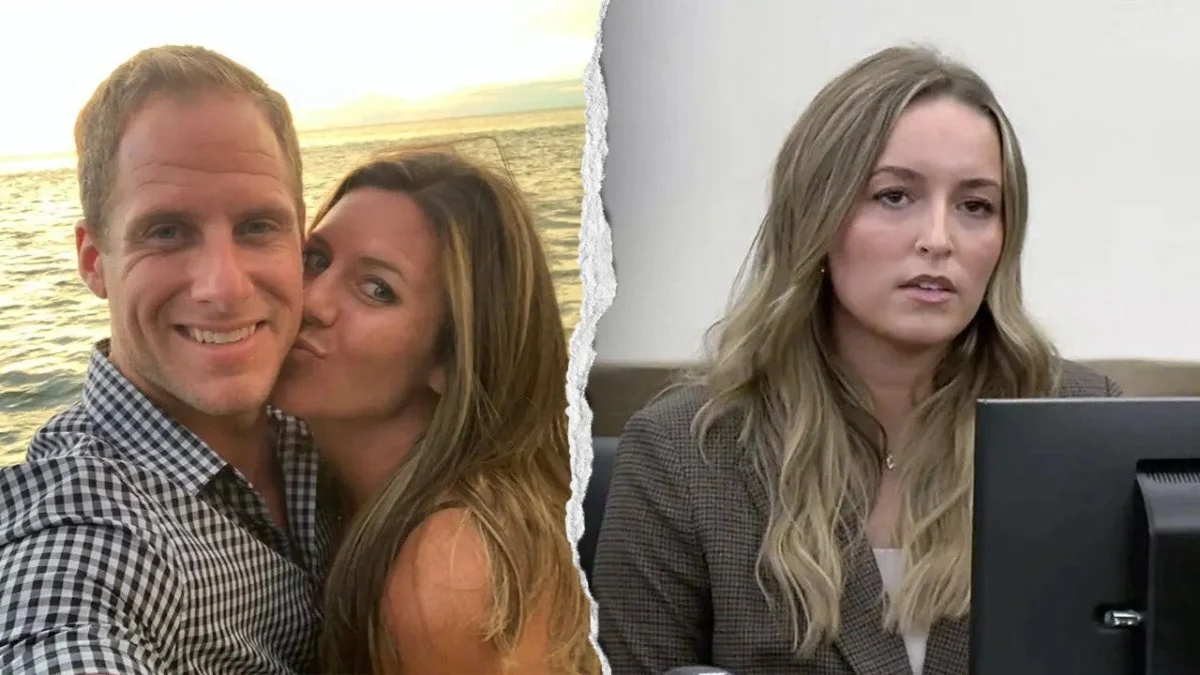
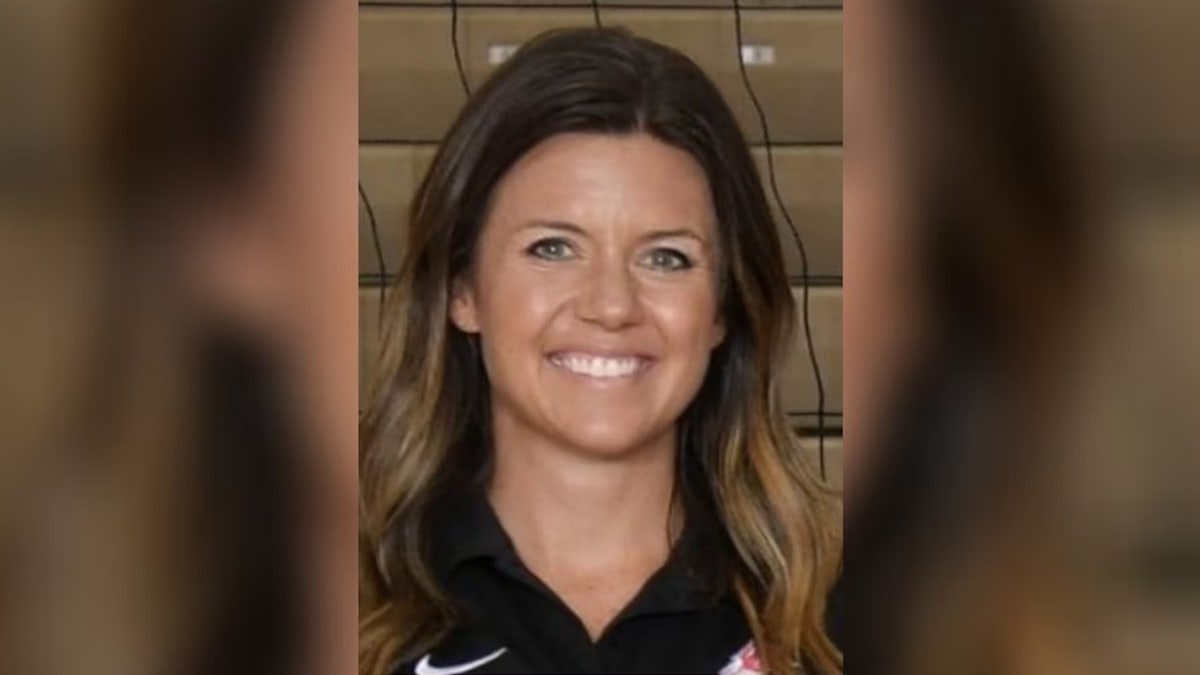
The high-profile murder trial of former American Idol contestant Caleb Flynn entered a critical phase this week, drawing intense public scrutiny as prosecutors and defense attorneys clashed over a staggering volume of digital evidence. On Day 6 of the proceedings in Ohio, jurors spent hours wading through a digital archive of communication between Flynn and his former mistress, Alleigha Botner. The trial centers on the February 2026 shooting death of Flynn’s wife, Ashley Flynn, a substitute teacher and high school volleyball coach in Tipp City Schools. Prosecutors maintain that an escalating, obsessive affair and an alleged conspiracy to commit murder served as the primary motive for the crime, while the defense has fiercely countered that the texts reflect a deeply troubled relationship focused strictly on divorce rather than lethal intent.
The courtroom proceedings on Thursday offered a granular look into the weeks and hours leading up to Ashley Flynn’s tragic death. As the legal battle unfolds, the state continues to build a comprehensive timeline using cell phone data, digital forensics, and witness testimony, while the defense attempts to dismantle the prosecution’s narrative of premeditated murder.
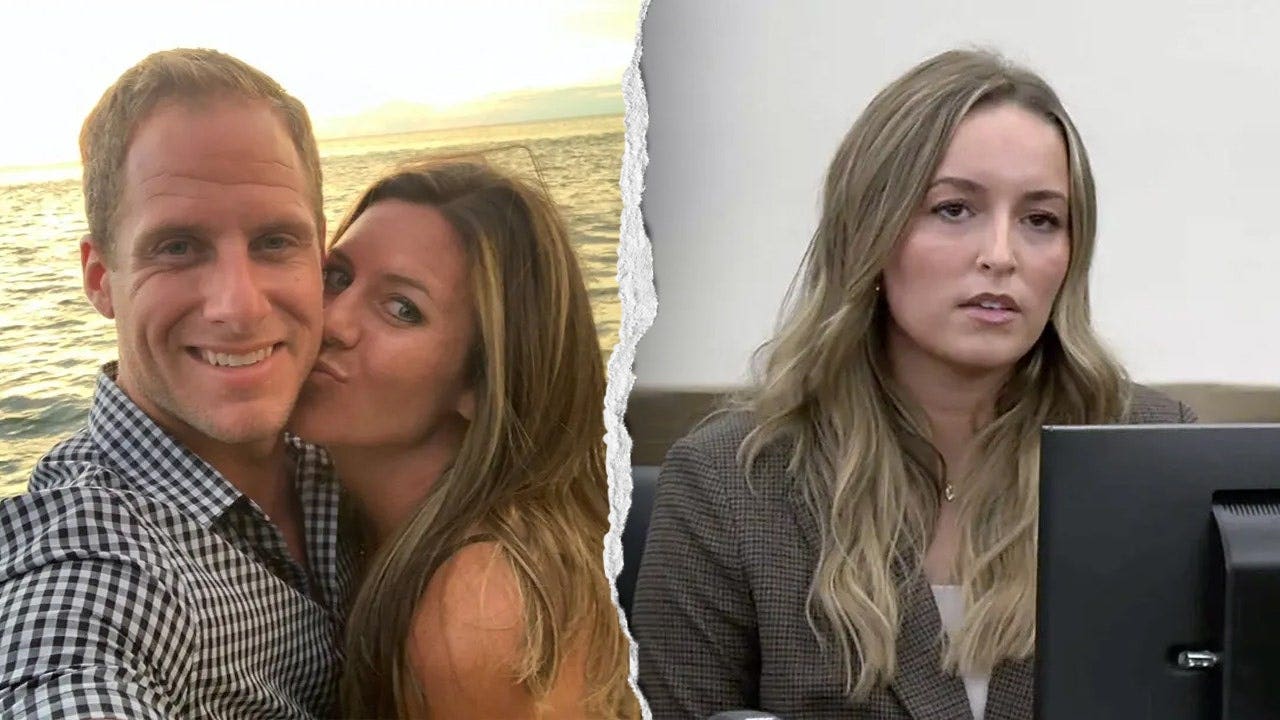
The Prosecution’s Core Argument: A Secret Affair and Ominous Texts
The centerpiece of the prosecution’s case thus far has been the digital correspondence recovered from the phones of Caleb Flynn and Alleigha Botner. According to state attorneys, the couple exchanged upwards of 100,000 text messages during the course of their affair. On the witness stand, Botner delivered emotional testimony detailing the deteriorating dynamics of their relationship and the pressures that mounted in the months leading up to the homicide.
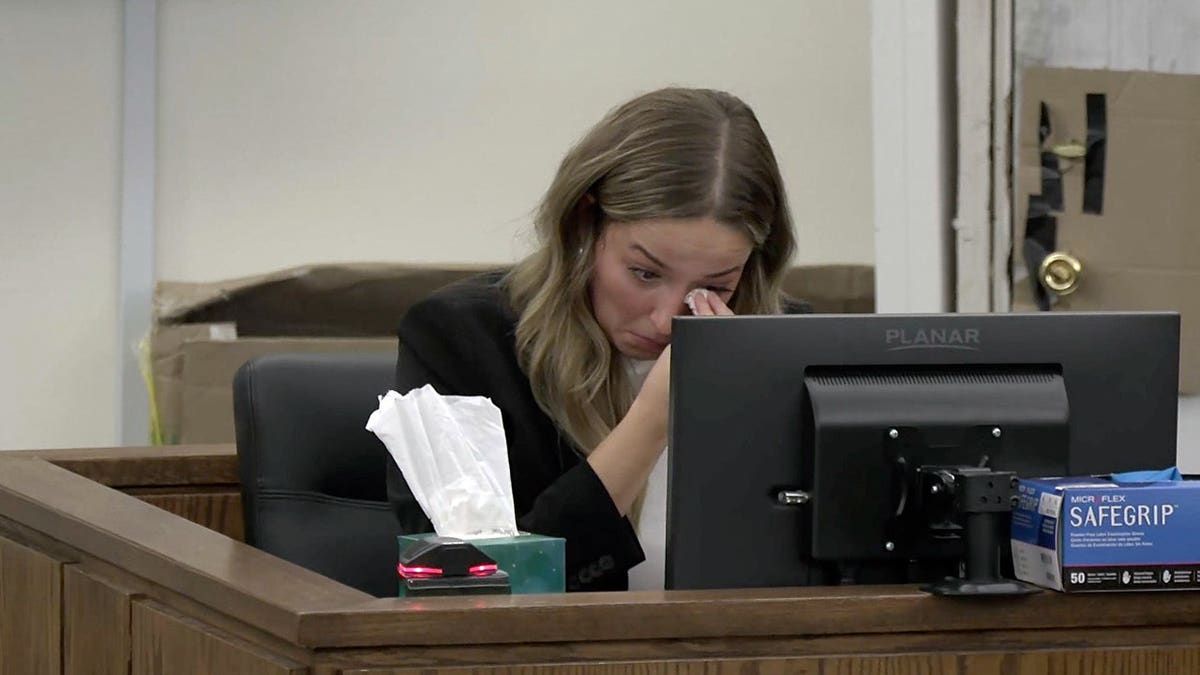
Under questioning by prosecutors, Botner walked the jury through conversations that took place months before Ashley Flynn was killed. Visibly distressed on the stand, Botner recounted a specific exchange in which she admitted to messaging Flynn, "I want to kill her, Caleb." According to her testimony, Flynn replied, "That makes two of us."
The state also focused heavily on the final hours before the shooting. Prosecutors presented a sequence of messages sent the night before Ashley Flynn’s death, highlighting Botner’s demands for clarity and Flynn’s assurances about their future together. In one exchange, Botner texted, "You’re about to be free," to which Flynn allegedly responded, "I choose you… You’re more than enough. Good night."

Further complicating the narrative, Botner testified about an unsettling encounter shortly after the shooting occurred. Arriving at the home of Ashley’s parents—where church members and family had gathered to grieve—Botner stated that Flynn hugged her and uttered an ominous remark: "It didn’t happen the way we thought it would, did it?" Botner testified that the statement immediately raised her suspicions, prompting her to question him further about the events surrounding his wife’s death.
The Defense Strategy: Reframing the Evidence Around Divorce
Seeking to neutralize the damaging nature of the text messages, defense attorney Emily Smith cross-examined Botner with a focus on recontextualizing the correspondence. The defense argued that the frequent references to "freedom," taking action, and ending the marriage were expressions of Flynn’s intentions to pursue a divorce, not a murder plot.
When Smith asked Botner directly whether she understood Flynn’s messages to mean he was planning a homicide, Botner answered in the negative. Furthermore, Botner acknowledged under oath that she never believed Flynn’s violent rhetoric was literal, testifying, "I don’t think he could ever be capable of doing something like that."
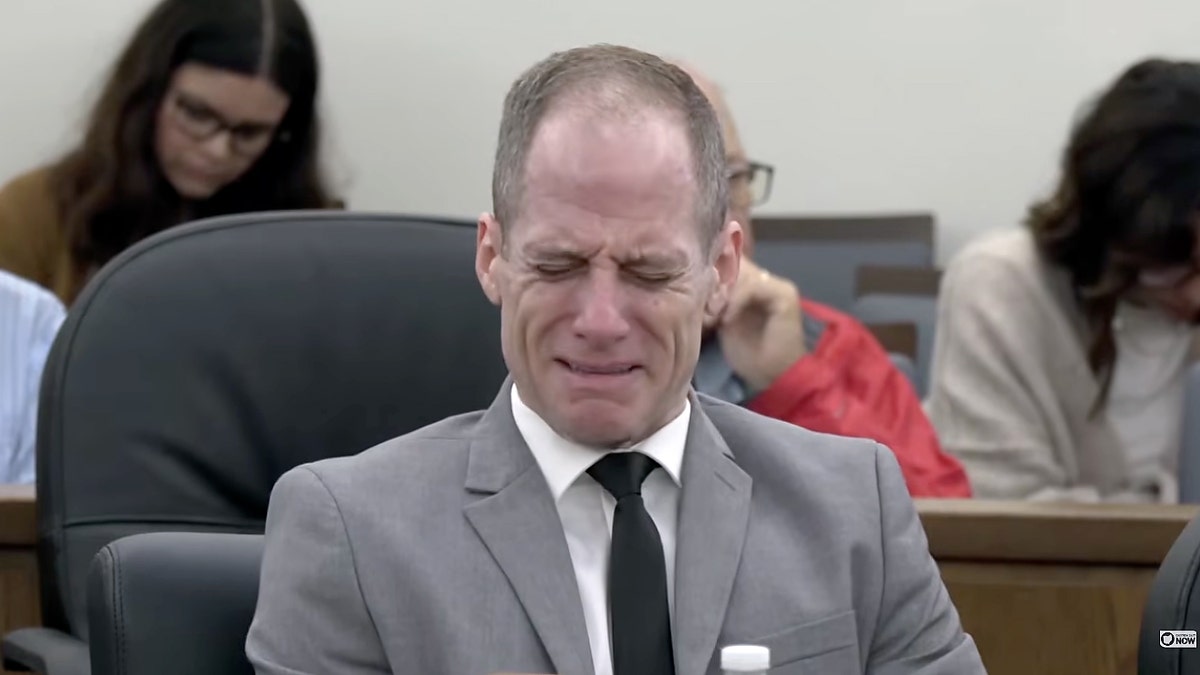
The defense also painted Botner as a demanding partner who repeatedly pushed Flynn to leave his wife, issuing multiple ultimatums and deadlines. Smith highlighted messages in which Botner expressed profound frustration over Flynn’s delays in filing for divorce, including texts where she wrote that Flynn had "murdered my heart" and urged him to "enjoy your marriage." Additionally, the defense questioned Botner regarding her internet search history, including queries made via ChatGPT prior to the incident. Botner maintained that her digital scrubbing and inquiries regarding divorce proceedings were driven by a desire to keep the affair hidden from Ashley and the public, rather than an effort to cover up a murder.
Digital Forensics and the Unraveling Timeline
Following Botner’s testimony, the state shifted its focus to technical evidence, calling Ohio Bureau of Criminal Investigation Special Agent Joseph Wilhelm to the stand. Wilhelm, a digital forensics examiner, detailed the painstaking process of extracting and analyzing data from Flynn’s iPhone after initial recovery efforts proved challenging.
Agent Wilhelm walked the jury through a reconstructed digital timeline of the hours leading up to the 911 call placed by Flynn. Forensics revealed that ChatGPT had been uninstalled from Flynn’s device on February 15, while applications such as GroupMe and Instagram were removed shortly after 1:00 a.m. on February 16. Notably, Wilhelm testified that investigators found no text message history between Flynn and his wife on the device.
In a striking moment late in the day, prosecutors played two AI-generated songs recovered from Flynn’s phone. Wilhelm testified that the audio files pertained to Flynn’s relationship with Botner and featured lyrics that matched saved drafts found within the phone’s notes application. The integration of artificial intelligence tools into the evidentiary record underscores the modern complexities law enforcement faces in digital crime investigations.
Background Context and Community Impact
The case has deeply shaken the tight-knit community of Tipp City, Ohio, where Ashley Flynn was well-known and respected as a substitute teacher and youth volleyball coach. Friends, colleagues, and community members have expressed profound shock over the circumstances of her death. The investigation initially prompted extensive police work across the region, including high-powered magnet searches in local waterways as authorities sought to locate the weapon used in the shooting.
Legal experts observing the trial note that the case highlights the intricate challenges of prosecuting circumstantial murder cases heavily reliant on digital footprints. While a high volume of text communication can paint a vivid picture of interpersonal turbulence, defense teams frequently leverage the ambiguity of colloquial language, hyperbole, and emotional distress to create reasonable doubt regarding actual criminal intent.
Broader Implications and Next Steps
As the trial moves forward, the courtroom is expected to hear further testimony regarding location data, health monitoring records, and physical evidence collected from the crime scene. The state aims to solidify its timeline to prove that Flynn staged the home to resemble a break-in, while the defense continues to advocate for alternative interpretations of the couple’s volatile private communications.
Defense counsel L. Patrick Mulligan has declined to provide public comments while the judicial process remains active. The trial is projected to continue over the coming days as both legal teams present their remaining witnesses and evidentiary exhibits to the jury. The final verdict will likely hinge on how the panel interprets the vast digital archive left behind by the defendant, balancing the prosecution’s claims of a calculated plot against the defense’s portrait of a chaotic and unraveled marital affair.

