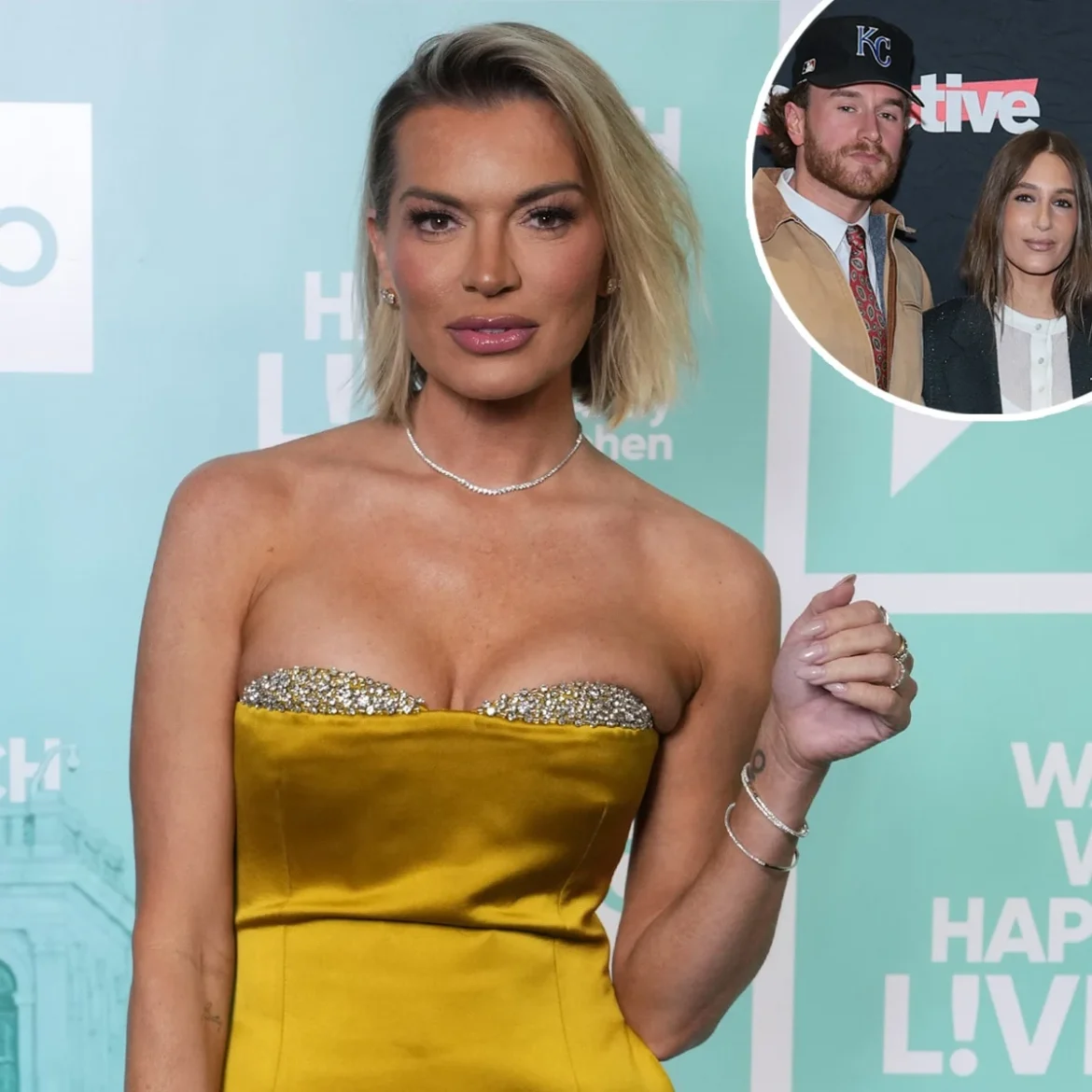
The social dynamics within the Bravo reality television sphere are once again under intense scrutiny as lingering questions surround the relationship status of former Summer House stars Amanda Batula and West Wilson. Despite the pair having confirmed their romantic involvement nearly seven months ago, recent public commentary from former castmate Lindsay Hubbard suggests that the couple may be facing significant instability. During a panel discussion at Bravo Fan Fest in Charleston, South Carolina, on October 24, Hubbard addressed the ongoing speculation, noting that the relationship appears to be in a precarious state, characterized by rumors of public disagreements and shifting loyalties.
A Relationship Under Public Scrutiny
The partnership between Batula, 35, and Wilson, a sports journalist, has been a focal point of intense discourse since its inception in early 2026. The optics of their union were complicated from the outset, primarily due to Wilson’s prior romantic history with Ciara Miller, who was a close personal friend of Batula’s during their shared time on the series. This “love triangle” dynamic became a central narrative, drawing sharp criticism from cast members and fans alike.
Hubbard’s recent comments, while emphasizing that she lacks direct insight into the couple’s private life, underscored the pervasive nature of the rumors. “I just see rumors like all the time,” Hubbard stated at the Fan Fest panel. “I’m seeing all the same rumors that we’re all seeing of them being out and about bar hopping in Newport, Rhode Island. If they’re fighting, if they’re not fighting, if he’s calling girls, getting girls’ numbers—I don’t know the answer to it, but it doesn’t seem like it’s going well.”
These observations are notable given that Hubbard has maintained a distance from both parties since the filming of the Summer House and In the City reunions earlier in the year. The lack of direct communication between the former costars highlights the fractured nature of the social circle that once formed the backbone of the series.
Chronology of a Controversial Romance
To understand the current tension, it is necessary to examine the rapid succession of events that defined the 2026 season for the Summer House cast.
- January 19, 2026: Amanda Batula and Kyle Cooke formally announce the end of their four-year marriage, citing a mutual and amicable decision to part ways following years of well-documented volatility.
- March 5, 2026: Initial reports from the gossip outlet Deuxmoi suggest a romantic connection between Batula and West Wilson, who had previously dated Ciara Miller.
- March 24, 2026: Wilson addresses the rumors on Watch What Happens Live, attempting to downplay the romantic aspect by referring to Batula as a "friend" while acknowledging her importance to him.
- March 31, 2026: The pair issues a joint statement confirming their relationship, noting that they had intended to process the transition privately given the complex dynamics involved.
- April 2, 2026: Kyle Cooke publicly characterizes the relationship as a "wild betrayal," accusing Wilson of disregarding the "bro code" and acting with calculated intent to manipulate public perception.
- April 10, 2026: Batula issues a public apology to those she may have hurt, signaling a desire for normalcy while confirming she will address the fallout at the reunion.
- April 17, 2026: Ciara Miller breaks her silence, expressing deep personal hurt and describing the situation as a "major mind-f**k," particularly emphasizing the betrayal felt by Batula’s proximity to her circle.
The Impact of Social Media and Public Perception
The couple’s relationship has been defined as much by digital activity as it has by in-person interactions. Following the initial backlash, both Batula and Wilson have navigated the public response through social media. In July 2026, for example, the couple utilized a TikTok video to address and satirize persistent rumors regarding a potential pregnancy. By staging a scene involving grocery store cravings, they attempted to control the narrative surrounding their private lives, a strategy often employed by reality figures to deflect invasive speculation.
However, this reliance on social media to curate their image has faced criticism. The "redemption arc" that Wilson previously enjoyed as a newcomer to the series was severely compromised by the revelation of his involvement with Batula. Observers, including Cooke, have suggested that Wilson’s public-facing persona may not align with his private actions, further fueling the rumors of instability that Hubbard referenced in Charleston.
Emotional Fallout and Personal Reflections
The transition from a tight-knit friend group to a fractured one has taken an emotional toll on all involved. Batula, in particular, had previously stated that her connection with Wilson provided a sense of liberation following her separation from Cooke. In the Summer House: The Aftermath special, she noted that Wilson brought out a side of her that felt "fun" and "alive" again. Yet, the public nature of the fallout has seemingly overshadowed these individual benefits.
Ciara Miller’s reaction serves as the most poignant example of the interpersonal strain. By explicitly noting that she felt more betrayed by Batula than by Wilson—given the established, long-term friendship between the two women—Miller highlighted the complex layers of loyalty within the group. The fact that Miller has since moved forward, even joking about the "next steps" of such relationships, indicates a shift in the group’s collective ability to process the trauma of the previous year.
Broader Implications for the Bravo-verse
The departure of both Batula and Wilson from the cast for season 11 of Summer House marks a significant turning point for the franchise. The series, which has historically relied on the organic, often messy intersections of the cast’s real-life relationships, now faces a future without two of its most controversial figures.
From a media analysis perspective, the "Batula-Wilson" saga serves as a case study in how reality television casts manage the blurring lines between their professional personas and private lives. When the "fourth wall" is consistently broken—either through the public airing of grievances on podcasts or the strategic use of social media—the audience’s engagement changes from entertainment to a form of digital surveillance.
As Hubbard noted, the current state of affairs is one of uncertainty. Whether the rumors of infidelity, fighting, or social isolation are factual or merely the byproduct of a public that has become accustomed to following the minutiae of these lives remains to be seen. What is clear is that the fallout from the 2026 season has left a lasting impact on the social fabric of the Summer House cast, ensuring that the legacy of these relationships will continue to be debated long after the cameras have stopped rolling.
Conclusion: The Path Forward
The narrative of Amanda Batula and West Wilson is one of rapid shifts in status, loyalty, and public opinion. From the initial shock of their union to the public apologies and the eventual exodus from the show, the couple has remained a constant subject of interest. As the cast moves into a new chapter, the lingering questions regarding their relationship status reflect a broader reality: the difficulty of maintaining privacy when one’s personal life has been explicitly commodified for public consumption. Whether the couple remains together or succumbs to the pressures of public scrutiny, their story remains a defining, if turbulent, chapter in the history of modern reality television.