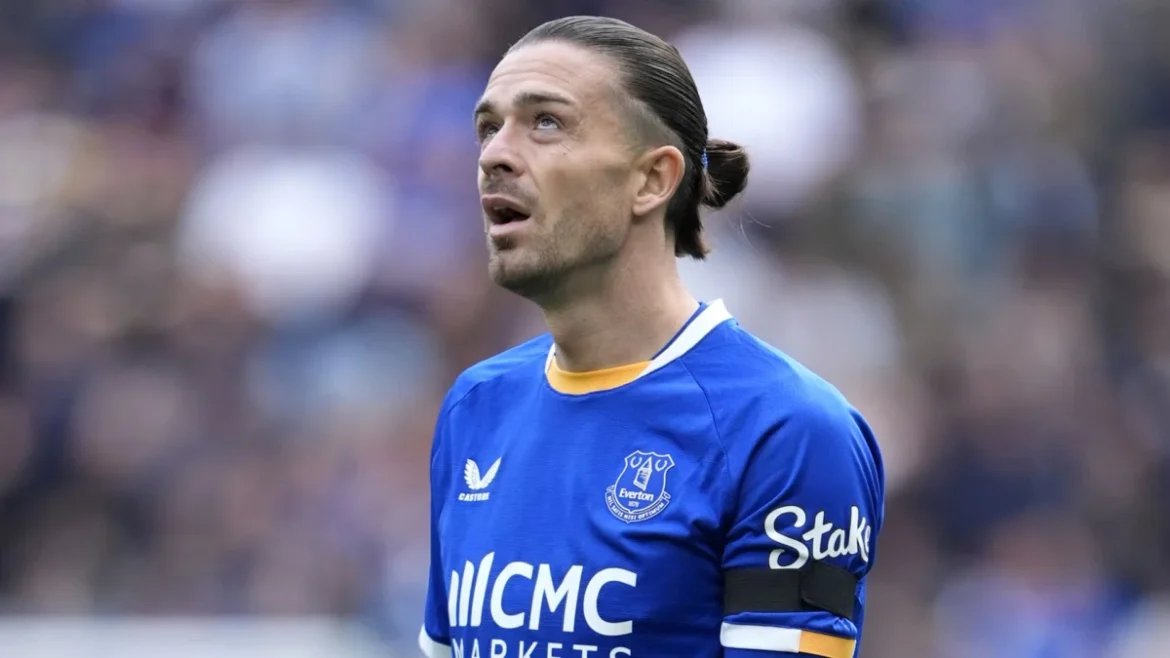
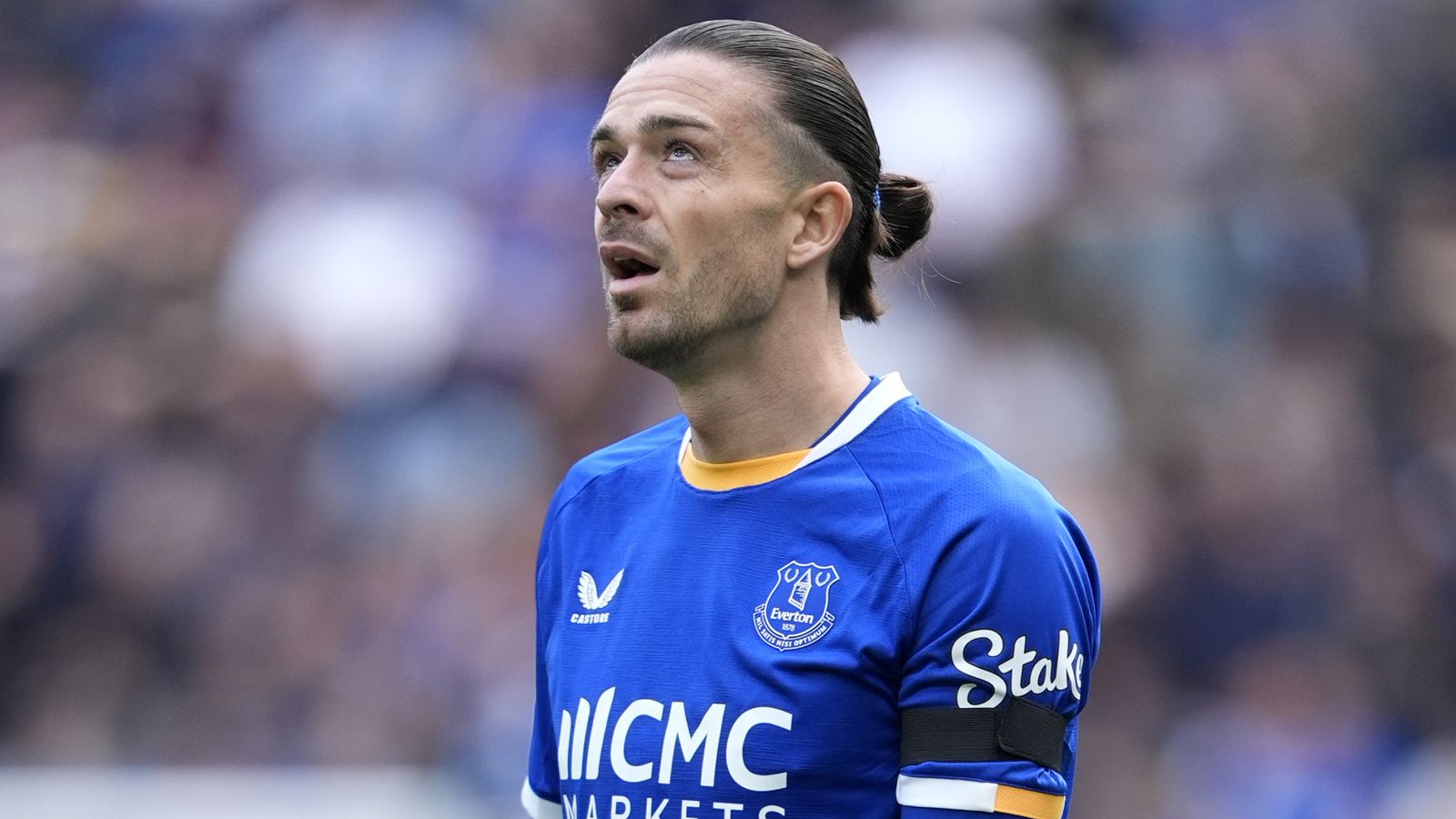
The decision to exclude the Manchester City loanee from the matchday squad for the high-stakes Carabao Cup fixture at the Hill Dickinson Stadium has sent ripples through the Everton dressing room, casting a shadow over the club’s recent efforts to stabilize their season. While Everton officials were initially tight-lipped, confirming only that the player was "unavailable for selection due to a breach of club discipline," subsequent reports have clarified that the disciplinary action stems from Grealish’s unexplained absence from a mandatory training session earlier this week.
The Chronology of Events
The sequence of events leading to Grealish’s exclusion began shortly after the conclusion of Everton’s recent Premier League campaign. Grealish, who joined the Toffees on a season-long loan from Manchester City, had been enjoying a period of consistent selection under David Moyes. After sitting out the recent 2-0 defeat to Arsenal due to a bout of illness, the midfielder had seemingly regained his fitness and tactical footing, having started three consecutive league matches against Ipswich, Hull City, and Chelsea.
However, the build-up to the Newcastle clash took a sharp turn when Grealish failed to report for a scheduled training session. Sources close to the club indicate that the coaching staff, led by David Moyes, viewed the unauthorized absence as a significant lapse in professional standards. By Thursday morning, it was clear that the midfielder would not be considered for the squad, leaving Moyes to reorganize his attacking midfield options for the Carabao Cup tie.
Contextualizing Grealish’s Everton Tenure
Jack Grealish’s loan move to Goodison Park was widely viewed as a pivotal opportunity for both the player and the club. For Everton, securing a player of Grealish’s creative profile was intended to provide the necessary spark in the final third, a department where the team has struggled for consistency throughout the 2026 campaign.
Statistically, Grealish’s contribution in his recent starts has been a focal point for Moyes’ tactical setup. In the fixtures against Ipswich, Hull City, and Chelsea, Grealish acted as the primary playmaker, tasked with dictating the tempo and bridging the gap between midfield and the attacking line. His absence from the Arsenal match was initially felt as a tactical blow, but his sudden disciplinary unavailability now threatens to disrupt the chemistry he had begun to build with his new teammates.
For Manchester City, the parent club, the situation remains a delicate matter. While they retain the player’s registration, the terms of the loan agreement generally grant the borrowing club full autonomy regarding disciplinary matters. It remains to be seen if City’s hierarchy will seek an internal briefing from Everton regarding the incident or if they will allow Moyes to handle the situation according to his own disciplinary code.
The Impact of Disciplinary Action
David Moyes is renowned for his uncompromising approach to team discipline. Throughout his career, the manager has consistently prioritized squad cohesion and professional accountability over individual star power. This incident represents a significant test of that philosophy. By dropping a high-profile player for a major cup fixture, Moyes is sending a clear message to the remainder of the squad: no individual is exempt from the standards expected at the club.
The timing of this incident is particularly challenging for Everton. The Carabao Cup provides an essential route to silverware and a potential path to European qualification. Being without Grealish—one of the most technically gifted players in the squad—forces Moyes to shuffle his personnel during a congested fixture period.
Furthermore, the club’s injury list remains a point of concern. Jarrad Branthwaite, a cornerstone of the Everton defense, was also ruled out for the Newcastle tie. Branthwaite’s continued absence, as he adheres to strict concussion protocols, means that Moyes is managing a diminished squad at a time when depth is paramount.
Broader Implications for the Season
The fallout from this incident extends beyond the immediate result of the Newcastle match. For Grealish, the challenge is now one of reputation and reintegration. In a competitive league environment, losing the trust of a manager as experienced and demanding as Moyes can have long-term consequences for a player’s standing.
Analysts suggest that the coming days will be critical. The club’s internal response will likely include a formal disciplinary hearing, followed by a decision on whether Grealish will be reintegrated into the first-team fold for the upcoming Premier League fixtures. If the breach is deemed severe enough, it could even lead to questions regarding the sustainability of the loan arrangement, though it is currently premature to speculate on a termination of the agreement.
From a supporter’s perspective, the news has been met with a mix of frustration and support for the manager. The Everton fanbase, having endured a turbulent period, is generally supportive of a "team-first" culture. However, there is an underlying awareness that if the team’s performance suffers on the pitch, the absence of Grealish will be scrutinized heavily by those who believe the club’s attacking output is insufficient without him.
Tactical Reconfiguration
Without Grealish, the tactical burden falls on the shoulders of the remaining midfielders. Moyes has historically favored a structured, high-pressing game, and the absence of a player who excels in tight spaces often necessitates a change in formation or a shift in the defensive line.
Against a Newcastle side that thrives on physical intensity and transition play, the loss of a ball-carrier like Grealish means that Everton must be more disciplined in their possession. The coaching staff will have likely spent the final hours before kickoff adjusting their defensive transitions to account for the lack of a creative outlet in the center of the park.
Looking Ahead
As the investigation into the breach continues, the club has opted to keep the specifics of the disciplinary measures private, adhering to standard protocols. The focus for Everton remains on the remainder of the season, where consistency is the primary objective.
The incident serves as a stark reminder of the volatility inherent in modern football. Even with the highest levels of talent, the balance between club expectations and individual conduct remains a fragile equilibrium. For David Moyes, the objective is now twofold: to secure the necessary results on the pitch while ensuring that the locker room remains unified and focused on the club’s long-term objectives.
Whether Grealish returns to the starting lineup for the next weekend’s fixture will depend largely on his reaction to the disciplinary measures and his willingness to adhere to the standards set by the management team. For now, the spotlight shifts to the players who have been called upon to fill the void, as Everton looks to move past this distraction and refocus on their competitive aspirations for the remainder of the 2026/27 campaign.
The club has confirmed that no further statements will be made until the internal process is concluded. Meanwhile, the squad continues to prepare for a demanding schedule, with the manager emphasizing that the focus must remain entirely on collective success rather than individual setbacks. As the club navigates this difficult chapter, the resilience of the Everton squad will be tested, providing a clear indication of their character and their ability to overcome adversity as they chase their seasonal goals.