The landscape of global conservation is undergoing a significant shift, moving away from traditional, top-down funding models toward localized, trust-based systems. At the center of this movement is the Home Planet Fund, an independent, Indigenous-led nonprofit that has spent the last five years redefining how capital is directed toward the world’s most critical ecological hotspots. Under the leadership of founder and executive director Dilafruz Khonikboyeva, the organization seeks to dismantle the bureaucratic barriers that often prevent international climate funding from reaching the communities best positioned to protect their own ecosystems.
The Home Planet Fund, which recently marked its fifth anniversary, operates on a philosophy that prioritizes local knowledge and the autonomy of Indigenous groups. Unlike conventional philanthropic models that rely on rigid grant applications, Western-centric oversight, and short-term performance metrics, the fund emphasizes long-term, unrestricted support. This approach recognizes that the communities managing the planet’s most vital regions—often characterized by extreme environmental, political, and economic challenges—require the flexibility to adapt to shifting realities on the ground.
A Chronology of the Shift in Conservation Funding
The global conservation sector has long been criticized for its reliance on Western intermediaries. Historically, billions of dollars have been funneled through large international NGOs headquartered in the Global North. Research has frequently highlighted that by the time these funds reach the actual frontline communities, the amount is often reduced to mere cents on the dollar, with projects dictated by distant boardrooms rather than local needs.
The Home Planet Fund emerged in 2019 to address these systemic inefficiencies. Over the past half-decade, the organization has carefully mapped four distinct "ecologies" identified by international climate and biodiversity researchers as critical for global health: the Tongass Rainforest in Alaska, the "Third Pole" (a vast glaciated region spanning the Himalayas, the Hindu Kush, and the Pamir Mountains), the grasslands of East Africa, and the South Pacific.
By 2024, the organization transitioned into a more public phase of its operation, having spent its initial years building deep, trust-based relationships within these regions. This period of "invisibility" was intentional, allowing the team to secure baseline data and, more importantly, to earn the invitation of local leaders to collaborate on conservation efforts that were already underway.
The Intersection of Personal History and Professional Ethos
Khonikboyeva’s approach to philanthropy is deeply rooted in her upbringing in the Pamir Mountains of Tajikistan. Growing up during the dissolution of the Soviet Union, she experienced firsthand the resilience of a community operating in an environment of extreme resource scarcity and geopolitical instability. Her early life was defined by the necessity of collective action; she recalls watching her parents maintain critical infrastructure—such as local power stations—without pay, driven not by monetary incentive but by a commitment to the survival of their culture and the health of their land.
This experience informs her skepticism of the "monetization" of human empathy. She argues that the human condition is fundamentally driven by gratitude and a desire to ensure a viable future, rather than financial triggers. This perspective has become a cornerstone of the Home Planet Fund’s operational logic: that trust, rather than oversight, is the most efficient currency for effective environmental action.
Challenging the "Satisfying Answer" in Philanthropy
A central tenet of the fund’s philosophy is the rejection of the "satisfying answer." Khonikboyeva frequently cautions donors against seeking guarantees of success within rigid, pre-determined timelines. In the context of climate change and political instability, she posits that if a project proposal offers a perfectly linear, predictable outcome, the reality of the situation is likely being obscured.
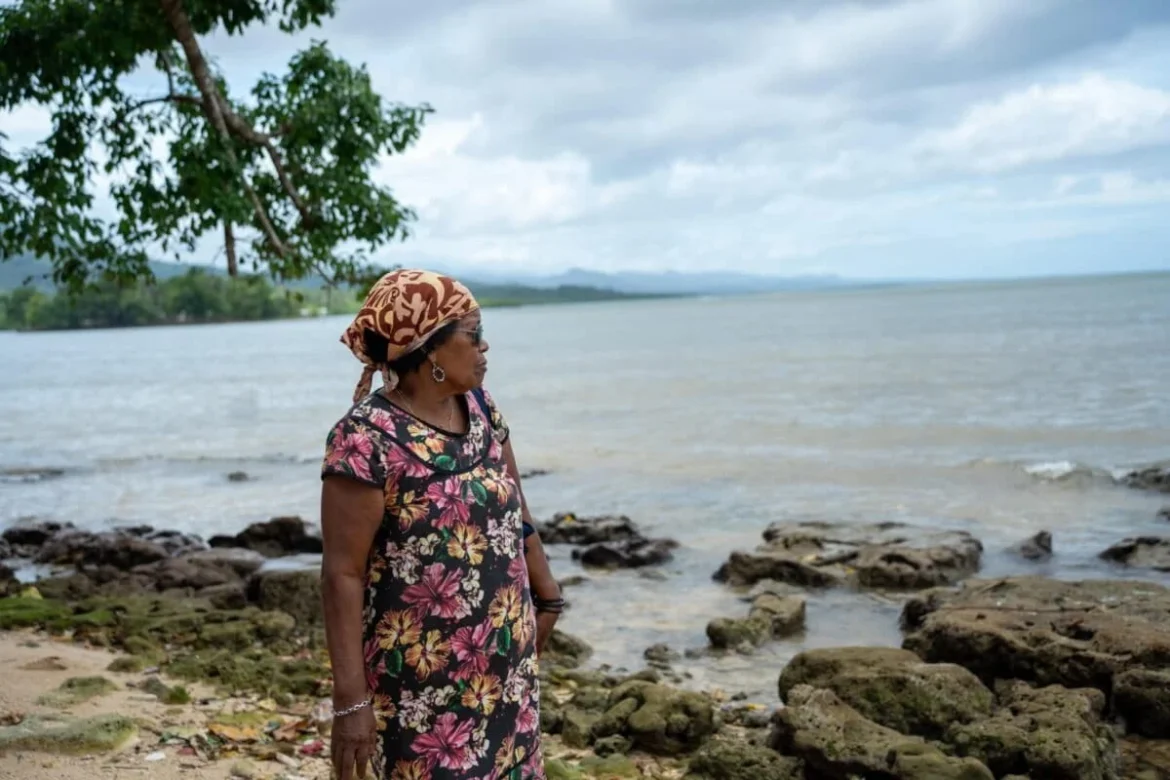
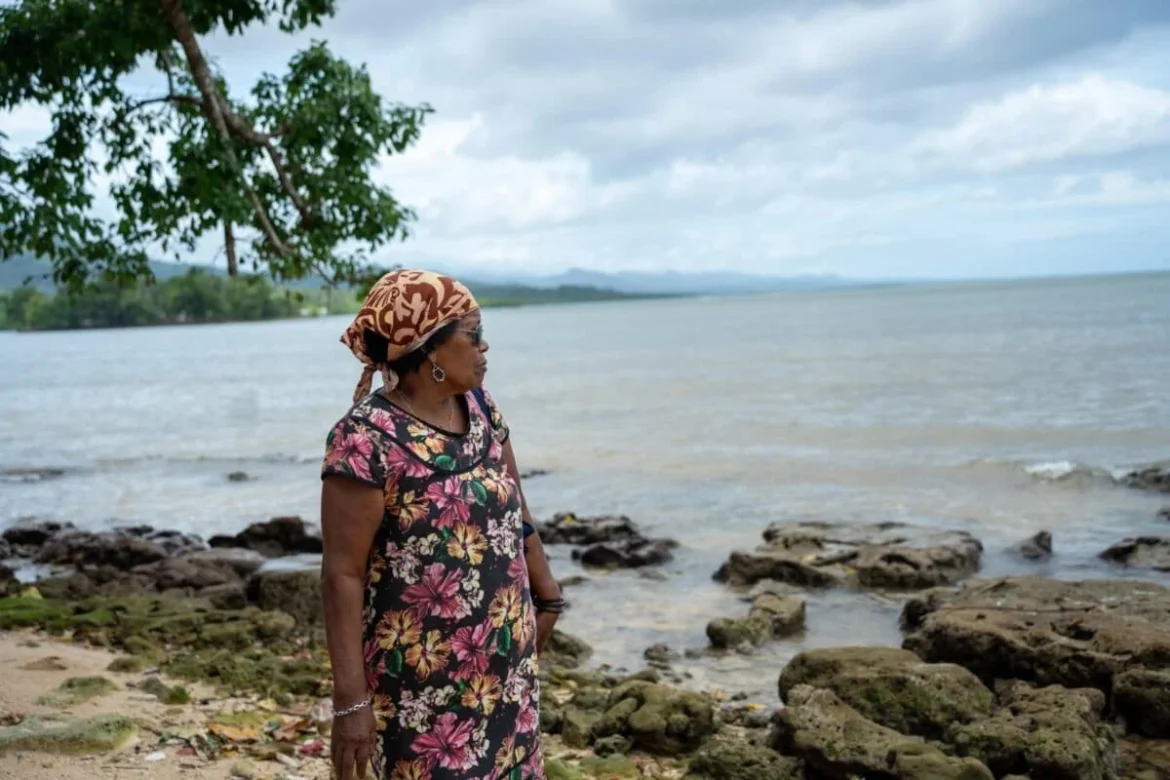
This philosophy is particularly relevant when working in conflict zones or regions prone to natural disasters. For instance, in the South Pacific, the fund supports women’s collectives that manage food sovereignty and coral restoration. When an earthquake hit Vanuatu in late 2024, the local partners were able to activate pre-existing early warning networks and emergency structures without waiting for approval from a distant donor. Because the fund provides unrestricted support, the community had the autonomy to pivot resources immediately to meet the urgent needs of the population, thereby ensuring that the long-term conservation work remained viable once the immediate crisis subsided.
The Role of Unrestricted Funding and Trust-Based Models
Unrestricted funding is often misunderstood by the public as a lack of accountability. In practice, however, it requires a higher degree of transparency and ongoing communication between the funder and the recipient. It eliminates the "black box" of traditional grant-making, where the primary relationship is defined by paperwork and compliance. Instead, the Home Planet Fund utilizes a model of co-building, where impact metrics are determined by local leaders and scientists, and adjusted based on real-world observations.
This model is increasingly supported by data suggesting that Indigenous-led conservation is more effective than government-managed protected areas. According to various reports from the United Nations and other international bodies, Indigenous peoples manage or hold tenure over roughly 25% of the world’s land surface, which contains 80% of the world’s remaining biodiversity. Despite this, these communities receive only a fraction of global climate finance. By directing resources directly into tribal structures or women’s collectives, the Home Planet Fund ensures that funding reaches those who are most likely to implement sustainable, long-term solutions.
Trauma and the Healing of the Land
Perhaps the most unique aspect of the fund’s work is its explicit focus on healing trauma. Khonikboyeva argues that environmental degradation and human trauma are intrinsically linked. In many of the regions where the fund operates, communities are dealing with the legacy of historical conflict, colonization, or environmental collapse.
By viewing the healing of the land and the healing of the people as a singular process, the fund encourages a more holistic approach to climate action. Khonikboyeva emphasizes that people should not work to save the planet out of a paralyzing fear of collapse, but rather because they desire a better quality of life for themselves and future generations. This shift from fear-based to hope-based motivation is intended to make conservation efforts more durable and sustainable in the long term.
Implications for the Future of Global Conservation
The implications of the Home Planet Fund’s model are significant for the broader philanthropic sector. As global temperatures rise and biodiversity loss accelerates, the urgency for effective funding has never been higher. The fund’s success suggests that traditional philanthropic institutions may need to reconsider their risk-aversion strategies.
The "risk" of trusting a local community to manage its own resources is, according to this model, far lower than the risk of failure inherent in top-down, disconnected projects. As the organization continues to expand its network, it aims to demonstrate that a collaborative, trust-based fund—one where multiple donors contribute to a shared, flexible pool of resources—is the most effective way to address the polycrisis of the 21st century.
For philanthropists and institutional donors, the message from the Home Planet Fund is clear: the most effective way to contribute to global stability is to be uncomfortable, to be curious, and to be willing to relinquish control. By stepping outside of the traditional status quo and investing in the expertise of local and Indigenous leaders, the global community may finally bridge the gap between intent and impact.
As the Home Planet Fund moves into its next phase, it remains committed to its core objective: not to scale into twenty or fifty regions, but to go deeper into the four it already supports, ensuring that the work is durable, sustainable, and capable of weathering the inevitable challenges of an changing world. Through this approach, the organization provides a blueprint for a future where environmental protection is not just a scientific imperative, but a human one.