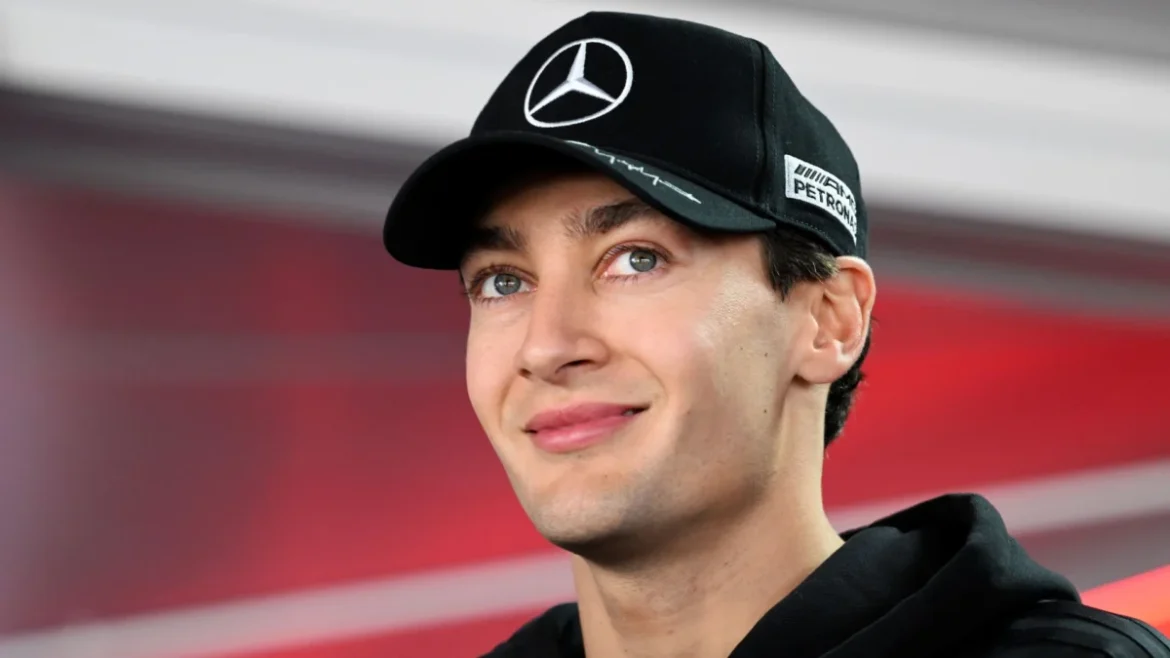

The Formula 1 circus has descended upon the Caspian Sea for the Azerbaijan Grand Prix, a race that has cemented its reputation as one of the most unpredictable and tactically demanding rounds on the FIA Formula 1 World Championship calendar. As the grid prepares for the high-stakes battle on the streets of Baku, the atmosphere is charged with anticipation. The Baku City Circuit, a unique hybrid of tight, technical sections through the medieval Old City and high-speed, flat-out straights along the promenade, offers a challenge unlike any other venue in the sport.
With Saturday’s qualifying session serving as the pivotal precursor to Sunday’s main event, teams are operating under immense pressure to balance downforce levels. The circuit’s 2.2-kilometer main straight—the longest on the F1 calendar—demands low drag for top-end speed, yet the narrow, winding streets of the castle section require significant aerodynamic grip. Finding this "Goldilocks zone" is the primary challenge for engineers this weekend.
A Chronology of the Baku Challenge
The Azerbaijan Grand Prix joined the F1 calendar in 2016, originally as the European Grand Prix, before being rebranded in 2017. Since its inception, it has provided some of the most dramatic moments in recent motorsport history. The circuit layout, designed by renowned architect Hermann Tilke, forces drivers into a claustrophobic environment where the margin for error is measured in millimeters.
Historically, the race has been defined by high attrition rates and the frequent deployment of the Safety Car. The narrow entry into the Turn 8 chicane, bordered by the ancient stone walls of the Icherisheher, remains the most notorious bottleneck on the track. Over the years, the race has seen everything from multi-car pile-ups on restarts to unexpected podium finishes from mid-field contenders who managed to navigate the chaotic nature of the street track.
In recent years, the evolution of the cars—specifically the shift to the ground-effect regulations introduced in 2022—has altered the racing dynamics. The ability to follow closely through the sweeping corners of the second sector has increased overtaking opportunities, though the long start-finish straight remains the primary hunting ground for drivers utilizing the Drag Reduction System (DRS).
Technical Analysis: Navigating the Baku City Circuit
The Baku City Circuit measures 6.003 kilometers in total length, featuring 20 corners that test the mechanical limits of the vehicles. The technical sector, running from turns 8 to 12, is where the race is often lost. Drivers must navigate a 7.6-meter-wide path at the narrowest point, placing immense stress on the car’s suspension and steering geometry.
Data from previous years indicates that tire degradation is a critical factor, particularly regarding the rear tires. The sheer length of the straight, combined with the heavy braking zones into Turn 1 and Turn 3, places significant thermal load on the rubber. Pirelli, the sport’s official tire supplier, has opted for the mid-range of their compound spectrum for this event, acknowledging the need for a balance between durability and the grip required for the tighter corners.
Furthermore, the "slipstream effect" in Baku is arguably the most powerful in the world. A car leading into the final corner and down the long pit straight is at a distinct disadvantage compared to a car tucked in behind, leading to high-speed battles that often see three cars abreast entering the first turn.
Official Responses and Team Perspectives
As teams refine their setups ahead of the qualifying session, the consensus among the paddock is one of cautious optimism. Team principals have emphasized the importance of track position, noting that while overtaking is possible, the physical toll of the circuit on the drivers—combined with the high-risk nature of the walls—makes consistency paramount.
"Baku is a track that bites back," remarked one senior race engineer. "You can have the fastest car on paper, but if you cannot find the rhythm through the castle section, you are essentially fighting a losing battle. The setup window is incredibly narrow here."
Drivers, meanwhile, have highlighted the importance of brake temperature management. With the long straights allowing brakes to cool rapidly, the challenge lies in ensuring that the carbon discs are in their optimal operating window before the heavy braking zone at the end of the straight. Failure to achieve this leads to "glazing" or inconsistencies in pedal feel, which can be the difference between a clean entry into Turn 1 and a trip into the runoff area.
Broader Impact and Championship Implications
Coming into this weekend, the championship battle remains a focal point for fans and analysts alike. Azerbaijan serves as a crucial mid-season marker, where momentum can shift rapidly. A strong performance in Baku can propel a driver or team into a dominant position, while a mistake—or a mechanical failure caused by the punishing nature of the street surface—can erase weeks of development gains.
Beyond the championship standings, the Azerbaijan Grand Prix continues to act as a significant driver for local tourism and international branding for Baku. The event has become a cornerstone of the city’s global profile, showcasing the contrast between the historic heritage of the Caspian region and the cutting-edge technology of Formula 1.
The race also holds implications for the ongoing sustainability initiatives within the sport. As F1 pushes toward its Net Zero Carbon by 2030 goal, the logistical challenges of transporting the circus to Baku—and the specific energy demands of a street circuit—are constantly monitored. The event serves as a testament to the sport’s ability to transform urban environments into temporary arenas of high-speed competition.
Looking Ahead to Qualifying and Race Day
As the sun sets over the Caspian, the focus shifts entirely to the Saturday qualifying session. The "Shootout" for pole position is expected to be a spectacle of precision and bravery. Teams will be looking to minimize their time in the pits and maximize their track time to ensure their drivers are comfortable with the car’s balance as track temperatures drop.
Sunday’s race, meanwhile, is expected to be a tactical affair. With the high probability of a Safety Car, teams are already running simulations on "what-if" scenarios, preparing their strategy engineers for the split-second decisions that define the outcome of the race. Whether it is a one-stop or a two-stop strategy remains the subject of intense debate, with the "undercut" being a powerful weapon on a track where tire warming is relatively straightforward.
Fans watching via Sky Sports F1 and Sky Sports Main Event can expect comprehensive coverage, including on-board cameras that capture the sheer speed and proximity of the walls. The commentary team will be tracking every development, from the evolution of track grip to the tactical maneuvers occurring in the pits.
In conclusion, the Azerbaijan Grand Prix stands as a definitive test of man and machine. It is a race that refuses to follow a script, rewarding the bold and punishing the careless. As the engines roar to life and the lights prepare to go out, the world watches to see who will conquer the streets of Baku and secure their place in the annals of F1 history. The combination of historical charm and modern engineering intensity ensures that this weekend will be one of the most compelling chapters in the 2026 season. Stay tuned for live updates, telemetry breakdowns, and post-session analysis as the weekend unfolds on the track that leaves no room for error.