
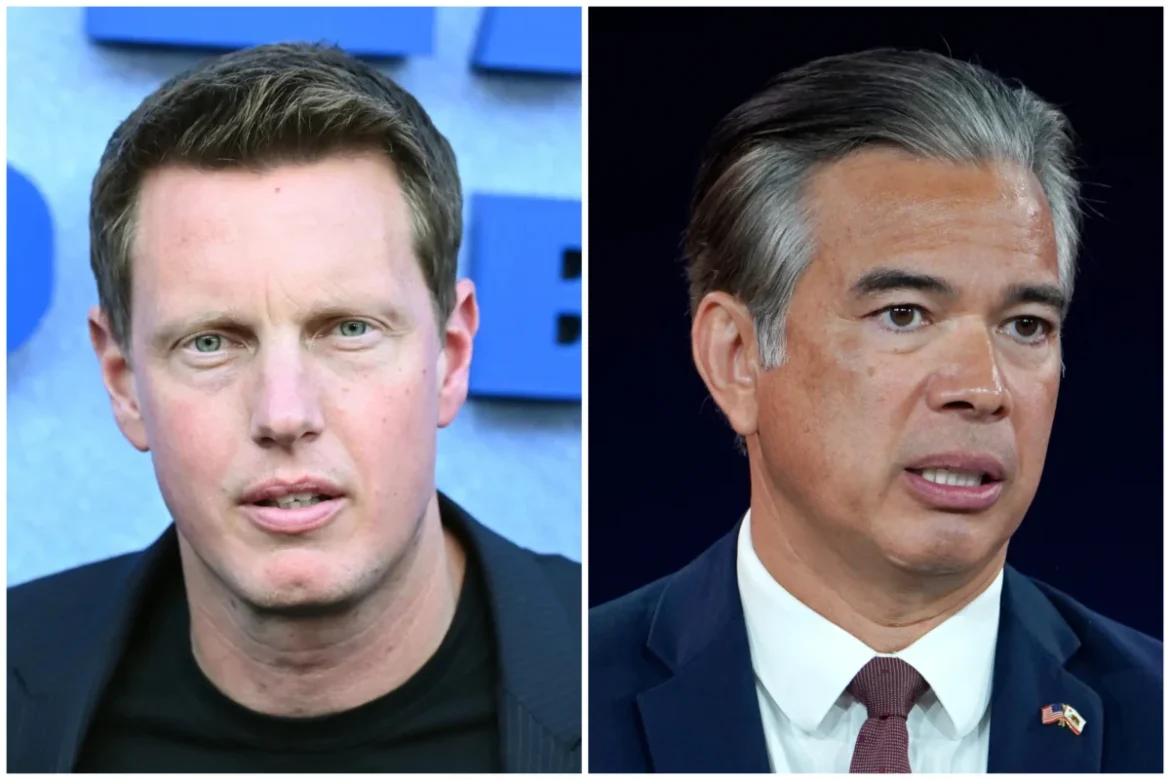
The potential resolution of this litigation represents a pivotal moment for the future of the American entertainment landscape. The proposed merger, which would unify two of Hollywood’s most storied cinematic legacies, has faced intense scrutiny from regulators concerned about market concentration, the stifling of competitive innovation, and the consolidation of intellectual property pipelines. According to sources familiar with the matter, the discussions between the Skydance legal team and the California Department of Justice are fluid and remain subject to change, with no guarantee that a definitive settlement will be finalized before the looming September deadline.
The Anatomy of the Antitrust Impasse
The core of the legal conflict rests on the 12-state coalition’s assertion that the merger would create an anti-competitive behemoth, granting the combined entity undue leverage over talent, distribution channels, and exhibition platforms. California, as the primary hub for the entertainment industry, has been the most vocal critic of the deal. Attorney General Rob Bonta has consistently maintained that the transaction, in its current form, poses a direct threat to the labor markets and independent production ecosystem that form the bedrock of the California economy.
While recent reports suggest that Paramount and Skydance have proposed operational compromises—most notably a commitment to maintain the distinct, separate operation of the two studio banners for a predetermined period—Bonta’s office remains skeptical. The Attorney General has previously characterized such "behavioral remedies" as insufficient, signaling a preference for structural divestitures that would ensure the entities remain under separate, autonomous ownership to preserve competitive tension in the marketplace.
A Chronology of the Acquisition Drama
The path to this potential settlement has been marked by a series of high-stakes maneuvers that began in earnest early last year. The saga can be distilled into the following timeline:
- Initial Proposal: David Ellison, leveraging the financial backing of his father, Oracle co-founder Larry Ellison, and substantial investments from sovereign wealth funds in Saudi Arabia, Qatar, and Abu Dhabi, formally initiated the pursuit of Warner Bros. Discovery.
- The Regulatory Pushback: A coalition of 12 states, led by California, filed an antitrust lawsuit citing the potential for monopolistic behavior. This was swiftly followed by a parallel lawsuit from the Writers Guild of America (WGA), which raised concerns regarding the impact on creative labor and compensation.
- The FCC Intervention: In a landmark decision earlier this week, the Federal Communications Commission approved a petition allowing for up to 49.5% foreign ownership of the combined entity. This was a critical hurdle for the deal, given the significant capital influx from Middle Eastern sovereign wealth funds.
- The Bond Motion: With a trial date currently set for March 2027, the litigation creates a "ticking fee" liability—a penalty payable to Warner Bros. Discovery shareholders if the deal fails to close by October 1. Paramount has requested that the plaintiffs post a $1.88 billion bond to cover these potential losses, with a hearing scheduled for September 24.
The Threat of Corporate Migration
Perhaps the most disruptive element of this negotiation is David Ellison’s explicit warning regarding the potential relocation of the company’s headquarters. Frustrated by the regulatory hurdles presented by California, Ellison has reportedly informed internal stakeholders that he is seriously evaluating a relocation of the company’s operational center.
States such as Tennessee, Texas, and Georgia have been floated as potential alternatives. Each of these states offers a vastly different tax climate and, in the case of Georgia, a robust studio infrastructure that has already lured significant production volume away from California. This threat is viewed by many as a strategic lever to pressure the California Attorney General’s office, though it also reflects a growing frustration among major media conglomerates regarding the regulatory environment in the Golden State.
Official Responses and the Stance of the AG
The communication surrounding these talks has been characteristically guarded. A representative for Paramount declined to provide an official statement, while the California Attorney General’s office maintained a stance of strict confidentiality.
"Potential settlement talks are confidential," the spokesperson stated. "We cannot confirm or deny whether settlement talks are occurring or their alleged substance."
This reticence is standard for high-stakes antitrust litigation, where any public acknowledgement could be leveraged by other stakeholders or plaintiffs. However, the involvement of the WGA adds another layer of complexity. The guild’s participation in the lawsuit ensures that the interests of creative professionals—specifically concerning residuals, project transparency, and job security—remain at the forefront of the court’s considerations.
Economic and Industry Implications
The merger of Skydance and Warner Bros. Discovery is not merely a corporate transaction; it is a fundamental restructuring of the "Big Five" studio model. If successful, the deal would result in a company with a massive library of intellectual property, spanning everything from the DC Universe and Harry Potter to the Mission: Impossible franchise.
From an analytical perspective, the primary concern remains the "horizontal integration" of content production. Critics argue that when the entity that creates the content also controls a vast portion of the distribution infrastructure, there is an inherent incentive to prioritize in-house projects to the detriment of independent filmmakers.
Moreover, the heavy reliance on foreign sovereign wealth funds has raised eyebrows in Washington. While the FCC has cleared the path for 49.5% foreign equity, the political optics of such a high level of foreign involvement in a major American media outlet remain sensitive, particularly in an era of heightened geopolitical scrutiny regarding the influence of foreign capital in domestic cultural production.
Looking Toward the September Deadline
The next few weeks are critical. The September 24 hearing regarding the $1.88 billion bond will serve as a bellwether for the court’s perception of the merits of the antitrust case. If the judge forces the plaintiffs to post a bond of that magnitude, it could effectively drain the resources of the smaller state legal teams, potentially forcing them into a more favorable settlement for Paramount. Conversely, if the court denies the motion, the litigation will proceed toward the 2027 trial date, likely rendering the current merger agreement—as written—untenable due to the financial strain of the "ticking fee."
As the clock ticks toward the end of September, the entertainment industry is holding its breath. The outcome of these discussions will not only determine the future of David Ellison’s vision for the studio but will also establish a new precedent for how antitrust law is applied to the digital-age media landscape. Whether through a negotiated structural settlement or a protracted legal battle, the fate of the Paramount-Warner Bros. Discovery merger will be the defining business story of the decade.
