
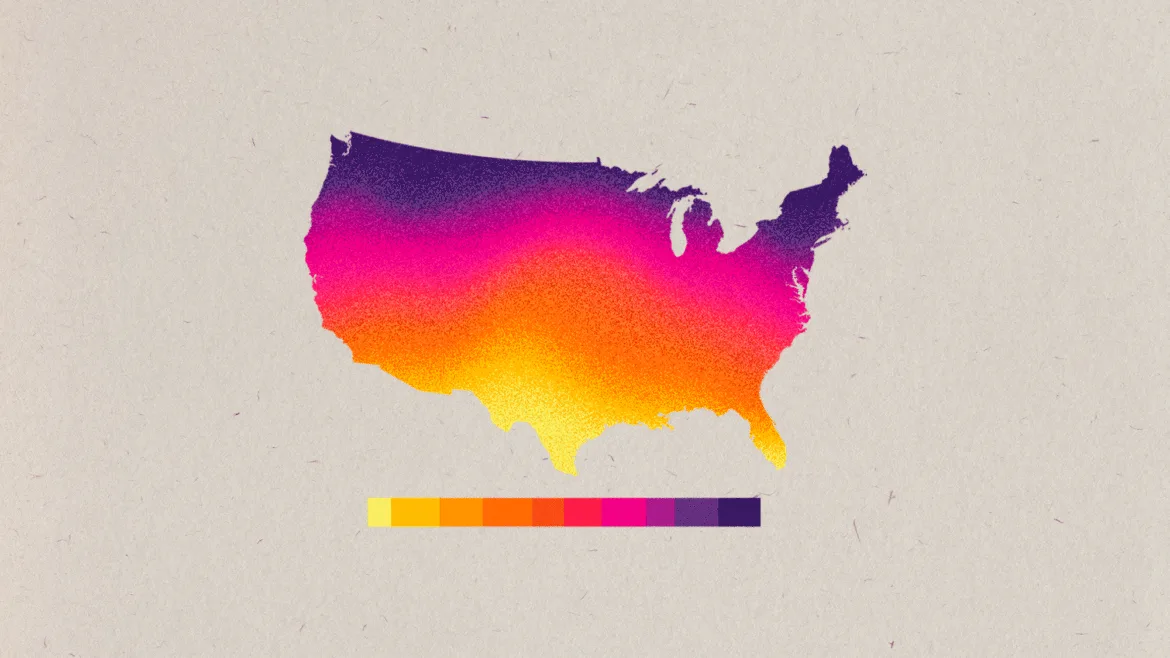
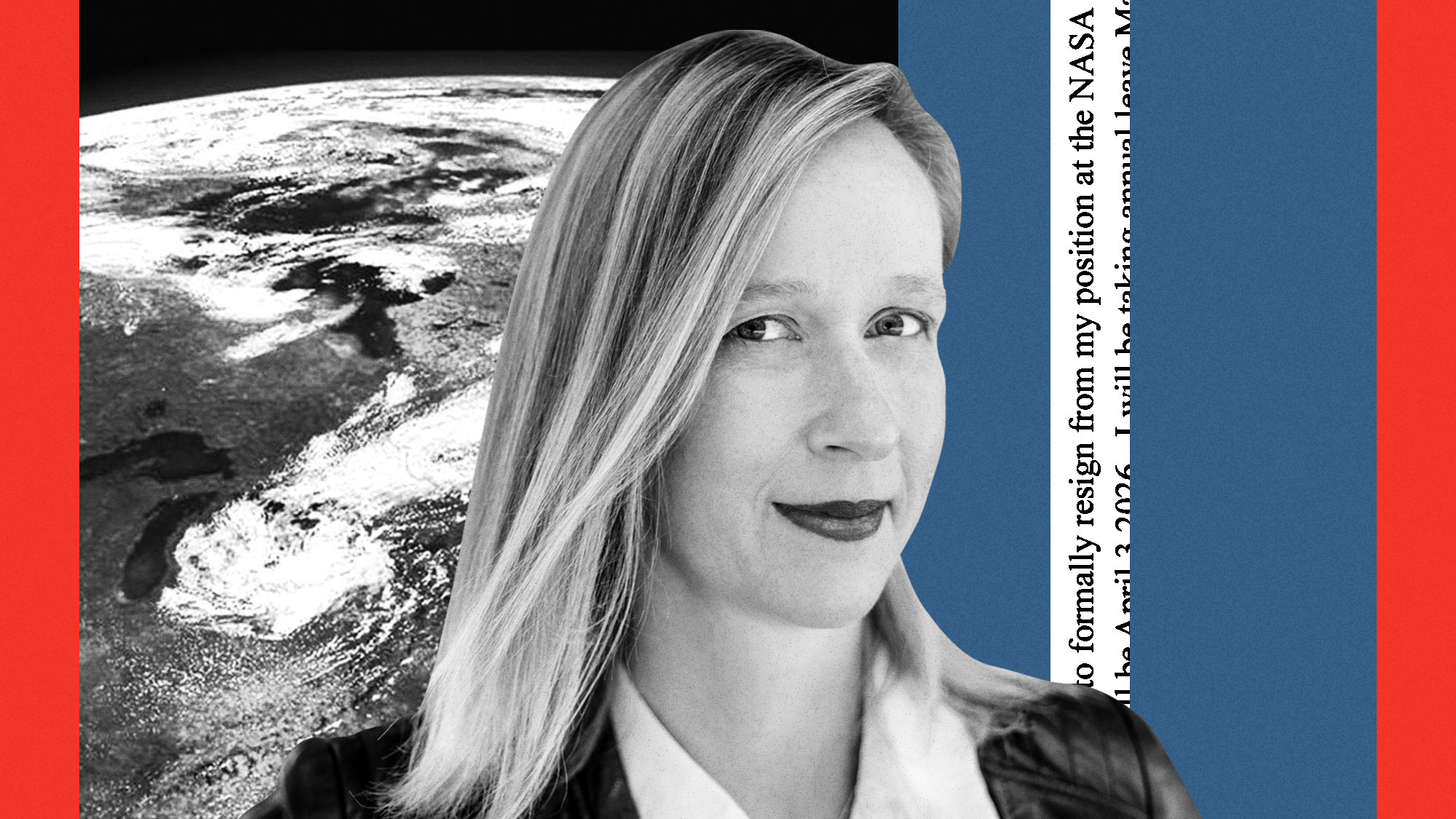
When Rebecca Lindsey was dismissed from her position at the National Oceanic and Atmospheric Administration (NOAA) last February, the initial shock was quickly replaced by a profound sense of urgency regarding the legacy of her work. For over 15 years, Lindsey had served as the lead writer, editor, and eventually the program manager for Climate.gov. This digital platform served as a vital bridge between complex federal research and the general public, distilling dense atmospheric data into accessible resources for educators, policymakers, and community leaders. However, within months of her departure, the Trump administration dismantled the staff supporting the site and took the domain offline. The move was framed as a compliance measure for an executive order aimed at "restoring gold standard science," a justification that critics and former staff viewed as deeply ironic given the resulting loss of public access to peer-reviewed information.
The disappearance of Climate.gov was not an isolated incident but rather the first domino in a broader effort to reshape the federal government’s communication regarding environmental science. Facing the prospect of over a decade of work being permanently erased, Lindsey and her former colleagues began meeting in secret to discuss a rescue mission. By the end of the summer, they had successfully transitioned their efforts into the private sector, launching Climate.us—a non-governmental mirror and expansion of the original site. This transition highlights a growing movement among the scientific community to "de-federalize" critical data, ensuring that public knowledge remains resilient against the shifting priorities of any single presidential administration.
A Chronology of Information Retraction
The systematic removal of climate-related information from federal digital infrastructure has followed a swift and deliberate timeline since the start of the second Trump administration. Following the shuttering of Climate.gov in early 2025, several other pillars of federal climate communication were dismantled.
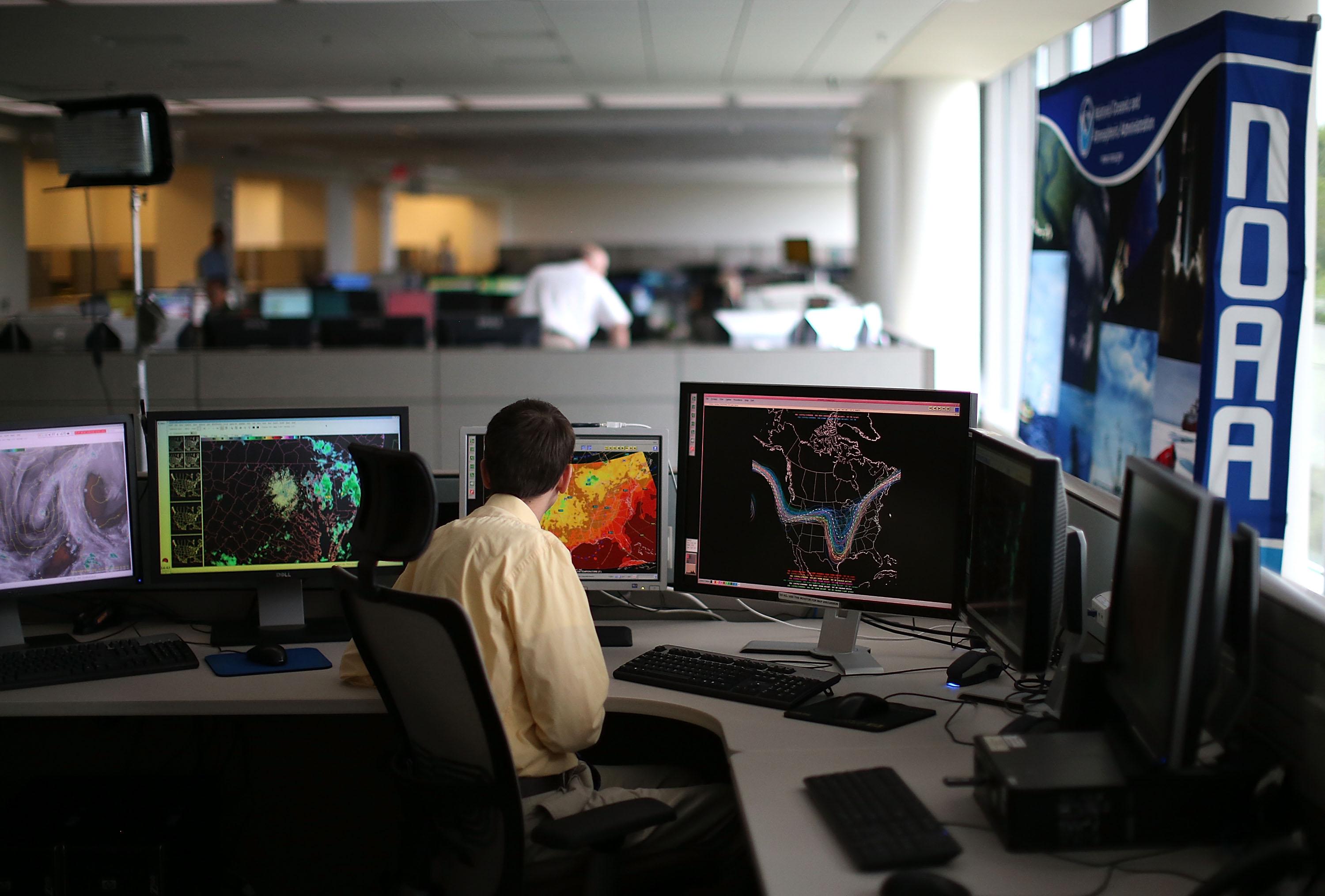
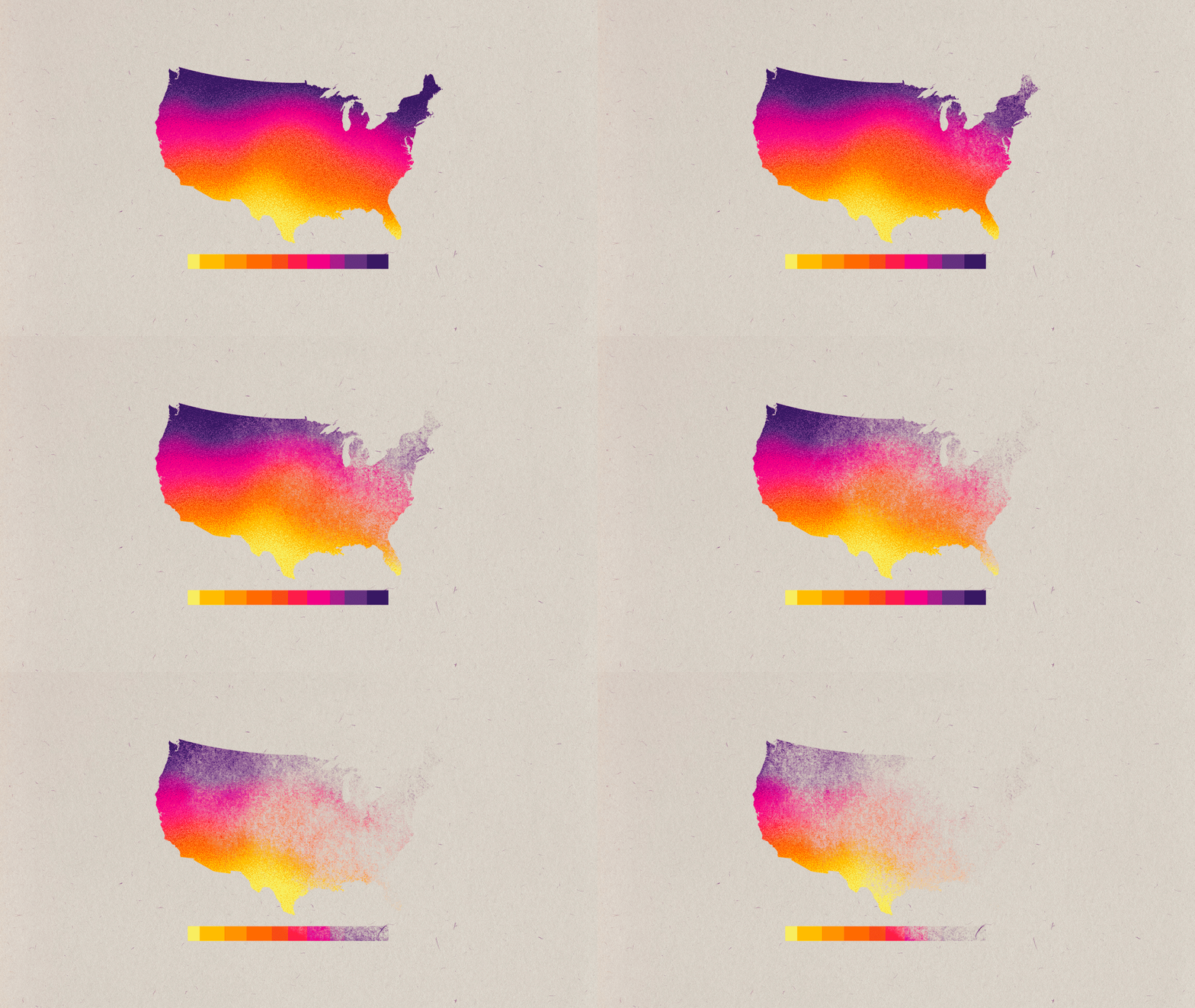
In the summer of 2025, the National Climate Assessments—congressionally mandated reports released every four years—were removed from public-facing government servers. These reports are considered the definitive statement on how climate change affects the United States, providing regional and sectoral breakdowns of risks to infrastructure, agriculture, and public health. By December 2025, the Environmental Protection Agency (EPA) followed suit, purging at least 80 webpages detailing the causes and indicators of global warming.
Perhaps most significant was the alteration of the EPA’s core educational pages. Documentation that previously identified human activity and greenhouse gas emissions as the primary drivers of modern climate change was edited to emphasize natural cycles and internal variability. Izzy Pacenza, a researcher with the Environmental Data and Governance Initiative (EDGI), characterized these moves as an "all-out assault on climate information," noting that the speed of the removals left many researchers scrambling to archive data before it vanished from public view.
The Birth of Climate.us and the Independent Data Movement
The launch of Climate.us represents a significant milestone in the effort to preserve scientific continuity. Since its debut, the site has garnered approximately 800,000 page views in its first two weeks alone. For comparison, the original NOAA-hosted site averaged roughly one million views per month. This high level of engagement suggests a sustained public demand for the information that the federal government has opted to stop providing.
However, the transition from a government-funded entity to an independent nonprofit has been fraught with structural and financial hurdles. Rebecca Lindsey, now operating with a skeleton crew of just three full-time staff members—down from the eight who managed the site at NOAA—has had to navigate the unfamiliar world of philanthropic fundraising and crowdsourcing.
"In a lot of ways, I feel I’m back in 2010 when we first started building Climate.gov," Lindsey noted. The challenges extend beyond funding; the team had to manually update thousands of broken links and seek out independent scientific reviewers. Some scientists, fearing professional retaliation or the loss of remaining federal grants, declined to have their names associated with the new project, highlighting the chilling effect that political pressure can have on collaborative research.
Quantifying the Economic Impact: The Billion-Dollar Disaster Project
The federal retreat from climate data also impacted high-stakes economic modeling. Adam Smith, a researcher who formerly led the "Billion-Dollar Weather and Climate Disasters" project at NOAA, saw his program terminated last year. This project was essential for the insurance industry, urban planners, and emergency management agencies, as it quantified the rising costs of extreme weather events.
Smith has since migrated the project to the nonprofit organization Climate Central. While the dataset and methodology remain identical, Smith acknowledges that the transition took nearly a year to complete. The project is now expanding its scope to document disasters costing $100 million or more, dating back to 1980. By maintaining this data outside of the federal umbrella, Smith aims to provide businesses and policymakers with an objective metric of the real-world economic consequences of a warming planet, independent of political interpretation.
Institutional Responses and International Resilience
The American Geophysical Union (AGU), the world’s largest organization for Earth and space scientists, has taken a leading role in shielding research from political interference. Janice Lachance, the executive director and CEO of the AGU, argues that the current crisis has exposed a fundamental flaw in how scientific data is managed: too much control rests in too few hands.
To combat this, the AGU has launched a global initiative involving approximately 100 experts to create resilient, distributed environmental datasets. They are also facilitating an academic network that allows U.S. scientists to continue contributing to the Intergovernmental Panel on Climate Change (IPCC), despite the Trump administration’s formal withdrawal from the group. Furthermore, the AGU and the American Meteorological Society have issued a call for manuscripts to ensure that the research intended for the sixth National Climate Assessment is still peer-reviewed and published in a special climate collection.
This "distributed science" model aims to move away from a centralized federal repository toward a network of universities, NGOs, and international partners. The goal is to ensure that even if one government stops collecting or hosting data, the global scientific community can maintain the "momentum of discovery."
Analysis of Implications: The "Plumbing" of Data Policy
The current volatility has sparked a debate about the "invisible infrastructure" of government science. Sonia Wang, senior director at the Data Foundation’s Center for Climate and Environmental Data, uses the metaphor of "fountains and plumbing" to describe the situation. While the public notices when a "fountain"—a website or a map—stops working, the real danger lies in the decay of the "plumbing"—the underlying data collection standards, staff expertise, and inter-agency relationships.
Experts suggest that the current crisis is a wake-up call for legislative reform. Potential solutions include:
- Codifying Data Access: Writing specific requirements into federal law that mandate the public availability of taxpayer-funded scientific research, regardless of the administration in power.
- Strengthening Congressional Oversight: Enhancing the ability of Congress to enforce data integrity standards and protect federal scientists from politically motivated dismissals.
- Sustainable Philanthropic Models: Creating long-term endowments for scientific communication to reduce the reliance on the "fickle" nature of annual government budget cycles or short-term private grants.
The Risks of a Patchwork System
Despite the successes of Climate.us and Climate Central, researchers warn that a patchwork of nonprofits cannot fully replace the reach and authority of the federal government. Gretchen Gehrke of the EDGI points out that nonprofits often lack the instant name recognition and perceived neutrality of a government agency like NOAA or the EPA. This can make it harder to earn the trust of the general public, particularly in polarized environments.
Furthermore, the financial sustainability of these independent projects remains a concern. Without the multi-billion-dollar backing of the federal treasury, independent organizations are forced to compete for limited philanthropic dollars, often leading to a "scrambling" for resources that can detract from the actual research.
Conclusion: A Global Precedent
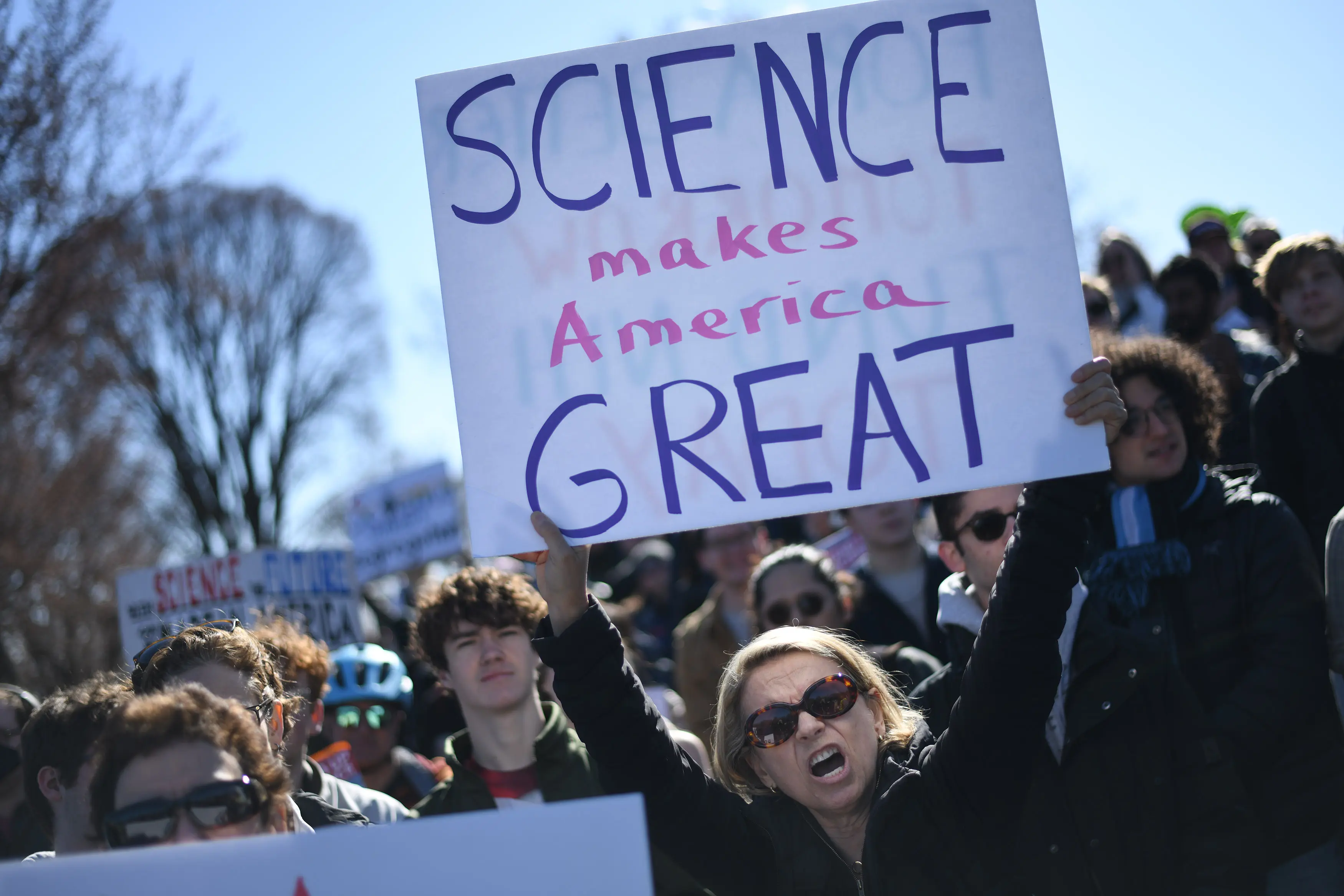
The struggle over climate data in the United States is being watched closely by the international community. As Janice Lachance noted, the vulnerability of scientific data to "political winds" is not a uniquely American problem, but the U.S. experience serves as a cautionary tale. The shift toward a more decentralized, non-governmental model of data preservation may be the only way to ensure that the scientific record remains intact for future generations.
While the "gold standard science" mentioned in the executive order remains a point of political contention, the scientists who once worked within the government are proving that the data itself is mobile. By rebuilding their platforms on independent domains, they are asserting that scientific truth is not a property of the state, but a public good that must be defended by civil society. The success of Climate.us and similar initiatives will likely determine whether the public continues to have access to the information necessary to navigate an increasingly complex and warming world.
