

Selecting the ideal holiday gift has evolved into an exercise in discerning true innovation from the surplus of consumer electronics that saturate the market annually. As 2026 draws to a close, the editorial staff at Popular Science has completed an extensive year-long evaluation process, analyzing hundreds of products across the categories of health, home entertainment, outdoor recreation, and productivity. This report serves as a definitive guide to the 2026 Gift of the Year awards, highlighting items that demonstrate significant advancements in user experience, material science, and functional utility.
The selection process for this year’s awards involved rigorous field testing, ranging from high-altitude trail performance to indoor smart-home integration assessments. By prioritizing products that solve genuine user pain points—such as the digital fatigue associated with constant connectivity or the lack of professional-grade audio in mobile podcasting—the following selections represent the current frontier of consumer technology.
The Evolution of Outdoor Performance: HOKA Speedgoat 7 GTX
The outdoor footwear market has historically struggled to balance technical weatherproofing with aesthetic versatility. The HOKA Speedgoat 7 GTX marks a departure from the traditional "nerdy" aesthetic of waterproof trail gear. Utilizing a GORE-TEX Invisible Fit membrane and a recycled Cordura upper, the shoe maintains the high-rebound performance of the standard Speedgoat 7, characterized by its supercritical EVA midsole and Vibram Megagrip outsole.
From a design perspective, the integration of reflective detailing and glove-friendly toggle laces addresses the specific needs of winter trail runners who face diminished visibility. Field tests indicate that these modifications, while subtle, provide significant utility in harsh November conditions. Experts suggest that as trail running continues to grow in popularity, the convergence of high-fashion street aesthetics and extreme-environment durability will remain a dominant trend in footwear manufacturing through 2027.
Combating Digital Fatigue: The Rise of Physical Intervention
One of the most notable shifts in consumer behavior this year is the movement toward "analog intervention" in a digital-first world. The Brick, a $59 hardware device designed to manage screen time, reflects a growing public awareness of the psychological costs of excessive social media consumption. Unlike software-based screen-time limits that are easily bypassed by a simple user-interface prompt, the Brick utilizes an NFC-enabled physical block.

By forcing a physical interaction—moving the device to another room—it creates a deliberate "friction" that researchers in behavioral science suggest is essential for breaking habit-loop cycles. As the device is HSA and FSA eligible, it signifies a broader institutional shift in recognizing digital wellness as a legitimate component of overall healthcare, placing it in the same category as physical therapy or ergonomic support.
Content Creation and Professional-Grade Imaging
The Insta360 Luna Ultra represents a significant technological milestone in the pocket-gimbal market. By co-engineering the optics with Leica, Insta360 has bridged the gap between enthusiast-grade action cameras and professional cinematography tools. The inclusion of a 1-inch sensor capable of 8K recording at 30fps places this device in a category previously reserved for much larger, stationary rigs.
Industry analysts observe that the move toward detachable, wireless OLED touchscreens signifies a shift toward modularity in content creation. By allowing creators to frame shots remotely, the device acknowledges the solo-creator economy, where high-end production value must be achieved without a dedicated camera crew. This shift has implications for the future of mobile journalism and high-definition social media documentation, as the barrier to entry for cinema-quality footage continues to plummet.
Culinary Technology in the Home
The Gozney Arc Lite exemplifies the miniaturization of industrial-grade culinary equipment. Capable of reaching 950 degrees Fahrenheit, the unit satisfies the requirements for authentic Neapolitan-style pizza while occupying a footprint of only 16.9 inches in width. The engineering behind the "lateral rolling flame" demonstrates a sophisticated understanding of heat distribution, which is often the primary failure point in smaller, consumer-grade outdoor ovens.
This trend toward high-performance home appliances is expected to persist as more households prioritize the "third space" of their outdoor living areas. The adoption of infrared thermometers as a secondary accessory highlights the maturation of the home-cooking enthusiast, who is increasingly demanding the same level of precision found in commercial kitchens.
Visual Aesthetics and Display Technology
LG’s Gallery TV LX7B represents a shift in how television sets are perceived within the home. Rather than acting as a focal point only when active, the LX7B’s matte 4K Mini LED screen and magnetic frame allow the device to integrate seamlessly into residential design. The inclusion of the Gallery+ library, featuring over 5,000 works of art, positions the TV as a dynamic interior design element.
The integration of Google Gemini within the webOS 26 ecosystem signals that artificial intelligence is no longer an optional feature but a core component of hardware interaction. As TVs transition into smart-home hubs, the ability of these devices to process complex, multi-layered voice commands and act as Thread border routers is becoming the industry standard.
Health, Recovery, and the Percussive Therapy Market
The Theragun Mini Plus demonstrates the ongoing refinement of percussion therapy. By incorporating a heated attachment—capable of reaching 131 degrees Fahrenheit—the device addresses the limitation of traditional massage tools that solely relied on mechanical pressure. Laboratory testing conducted by the manufacturer suggests that the combination of thermal therapy and percussive oscillation increases the efficiency of muscle recovery by a factor of three compared to mechanical movement alone.
This product reflects a democratization of athletic recovery technology. Once restricted to professional sports organizations, such tools are now standard in the kits of casual fitness enthusiasts. The addition of a travel lock and USB-C charging addresses the mobility demands of a workforce that is increasingly transient, ensuring that physiological maintenance can occur outside of the gym environment.
Professional Audio for the Creator Economy
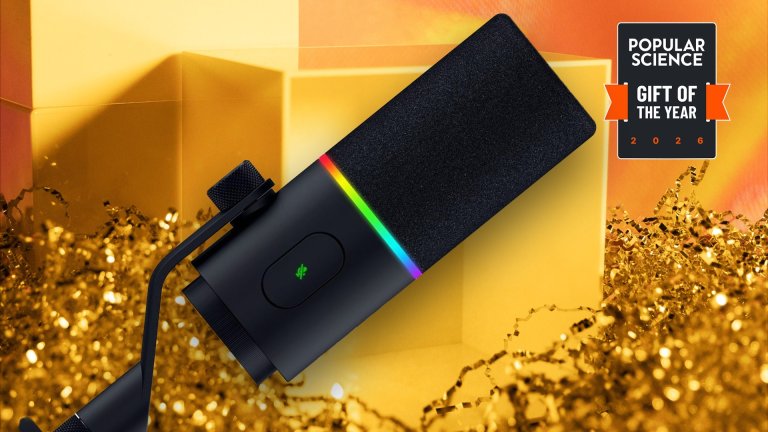
The Razer Seiren V3 Pro highlights the importance of hardware longevity. By including both USB-C and XLR connectivity, the microphone is designed to grow alongside the user. In the early stages of a podcasting or streaming career, the USB output allows for a plug-and-play experience, while the XLR connection provides the headroom for future integration into professional-grade audio interfaces and mixers.
The internal processing capabilities, specifically the AI-driven noise removal and 32-bit float audio recording, are critical advancements. These features allow creators to achieve studio-quality results in acoustically untreated environments, which is a major benefit for those working from home or in shared spaces.
Child-Focused Technology and Educational Boundaries
The Skylight Buddy occupies a unique position in the smart-home market, specifically targeting the 4 to 10-year-old demographic. By providing visual prompts for daily routines without the inclusion of web-browsing capabilities or social-media connectivity, it offers a controlled introduction to smart technology. This device addresses the concerns of parents who want to foster independence and time-management skills in their children without exposing them to the risks associated with traditional, screen-centric devices.
Advancements in Power Management
The Anker MagGo 2 Pro addresses the physics of fast charging, which has long been hindered by thermal degradation. By integrating an active cooling fan into a 10,000mAh magnetic power bank, Anker has mitigated the heat-induced throttling that typically occurs during high-wattage wireless charging. The inclusion of a real-time display for battery levels and charging speeds provides the transparency that power-users demand.
Smart Home and Energy Efficiency
The Shelly Plug Gen4 serves as a prime example of the "Internet of Things" (IoT) being utilized for environmental impact. By providing granular data on power consumption, it allows homeowners to conduct real-time energy audits of their appliances. The move toward local, non-cloud-based control—via Matter, Wi-Fi, or Zigbee—is a significant trend in the smart-home sector, reflecting growing consumer demand for data privacy and network resilience.
Acoustic Engineering and Noise Management
The Sennheiser MOMENTUM 5 Wireless headphones continue the brand’s focus on high-fidelity audio, but with an emphasis on sustainable ownership. The ability for users to replace the battery directly addresses the issue of e-waste, which is a significant criticism of the modern wireless headphone market. With 57 hours of runtime and advanced noise cancellation, these headphones represent a high-water mark for mobile audio engineering, catering to both the commuter and the audiophile.
Whole-Home Audio Ecosystems
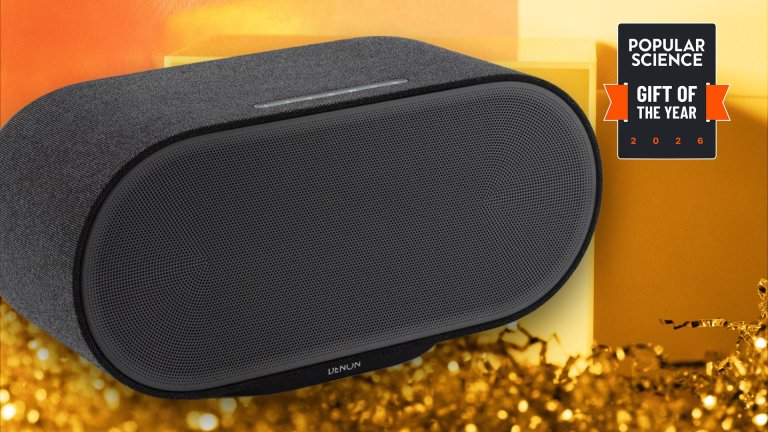
The Denon Home series, powered by the HEOS platform, demonstrates that high-end audio ecosystems can be both scalable and aesthetically sophisticated. By allowing for the connection of up to 64 speakers, the system provides a robust alternative to proprietary ecosystems. The design philosophy—which prioritizes charcoal and stone finishes—suggests that hardware manufacturers are increasingly acknowledging that high-end electronics must also function as high-end furniture.
Integrated Home Theater Solutions
Finally, the Bose Lifestyle Ultra system addresses the spatial constraints of the modern home. By utilizing AI-based speech enhancement and custom room-calibration software, the system provides a theater-grade experience without the need for complex, room-dominating equipment. This reflects a broader trend toward "invisible" technology, where the hardware is designed to perform at high levels while minimizing its visual impact on the living space.
As these 2026 Gift of the Year winners demonstrate, the current trajectory of consumer technology is defined by a move toward integration, sustainability, and specialized utility. Whether through the physical intervention of the Brick or the sophisticated optics of the Insta360 Luna Ultra, these products underscore a year of significant progress in both hardware engineering and the user-centric design philosophy that defines the modern era.
