
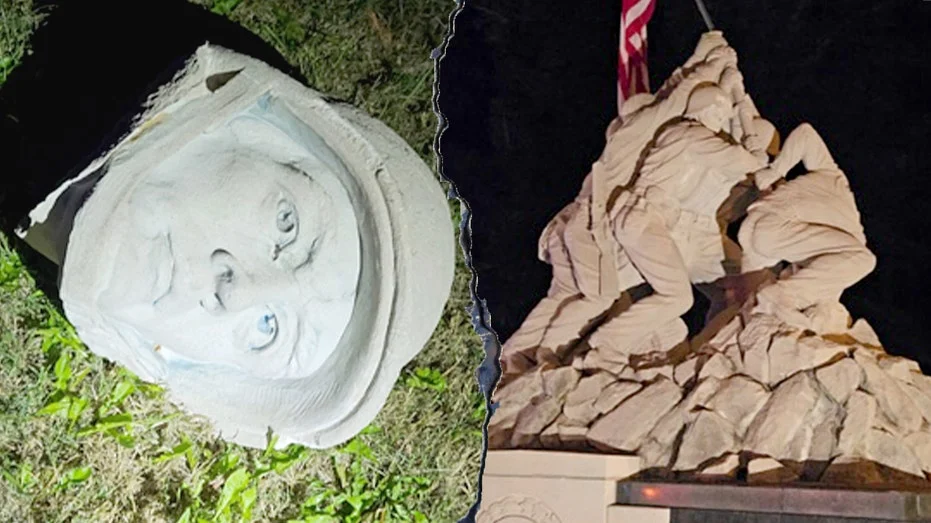
An iconic World War II monument commemorating the historic flag-raising on Mount Suribachi suffered severe, intentional damage late last month near Marine Corps Base Quantico in Virginia. The attack, which left a prominent limestone figure decapitated and multiple other sections fractured, has ignited widespread condemnation from veterans’ groups, local authorities, and federal officials. The suspect arrested in connection with the incident, identified as a 27-year-old former recipient of the Deferred Action for Childhood Arrivals (DACA) program who authorities state entered the United States unlawfully, was recently granted bond in Prince William County Circuit Court as legal proceedings move forward.
The incident has drawn intense scrutiny not only due to the severity of the property destruction—estimated by investigators to cost hundreds of thousands of dollars to repair—but also because of the cultural and historical significance of the artwork. Law enforcement agencies, alongside federal partners, are continuing to piece together the events surrounding the late-night vandalism, which targeted a foundational piece of American military history.
Incident Overview and Police Response
The vandalism took place on the evening of October 21. According to the Prince William County Police Department, officers responded to a distress call near Marine Corps Base Quantico at approximately 10:13 p.m. Upon arrival, law enforcement personnel discovered an individual actively striking the historic 9-foot limestone monument with a heavy sledgehammer.
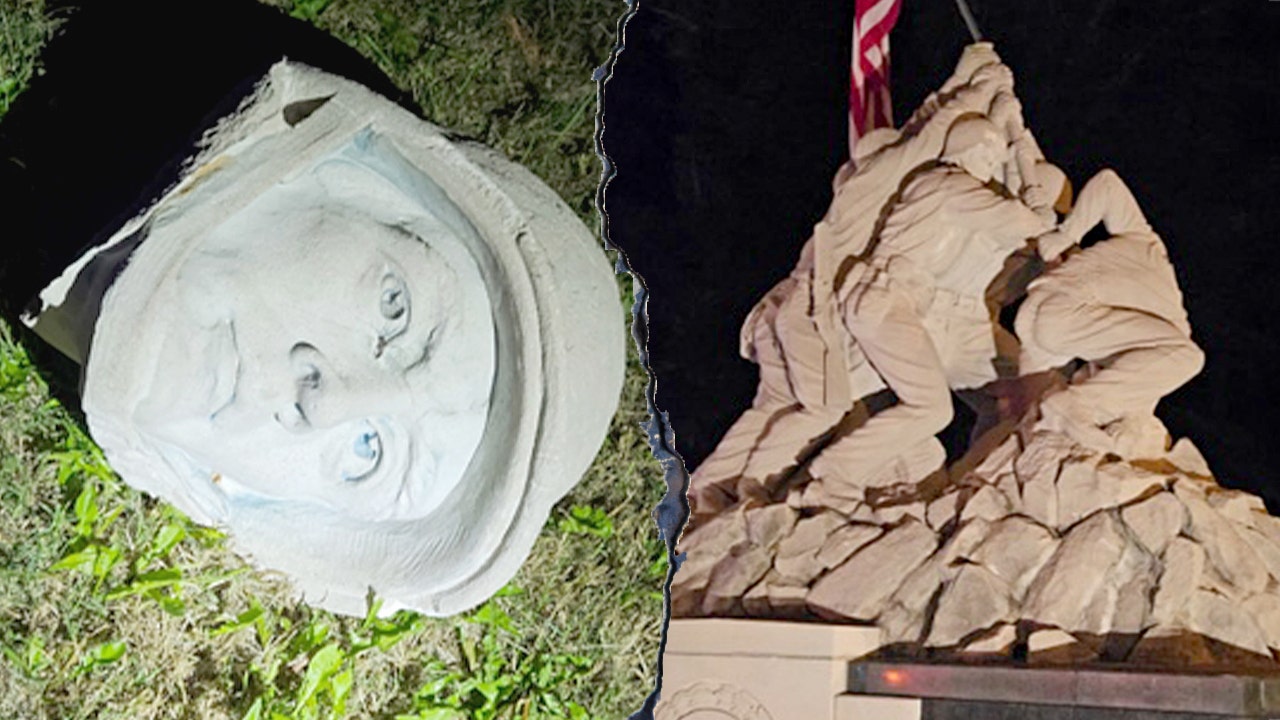
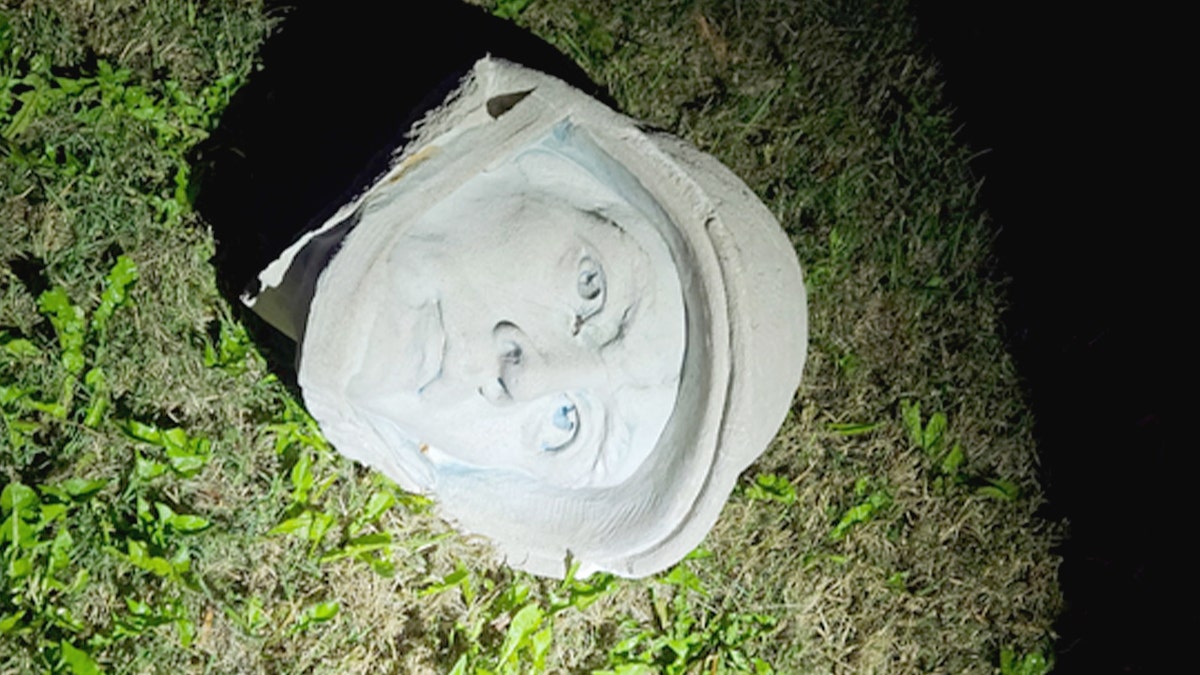
The suspect, identified as Miguel Alonso Maldonado Soriano, 27, was taken into custody at the scene without major incident. Investigators later detailed the extent of the damage inflicted on the monument. The sculpture, which depicts the legendary World War II flag-raising, sustained extensive structural trauma. Most notably, the head of one of the sculpted Marine figures was completely severed from the body. Additional portions of the figures raising the American flag were also fractured and marred by repeated blunt-force impacts.
Police and preservation experts have emphasized that the artistic and structural integrity of the piece has been severely compromised. Initial municipal estimates place the cost of professional restoration in the hundreds of thousands of dollars, owing to the specialized labor and historic materials required to mend limestone artwork of this vintage.
Legal Status and Court Proceedings
Following his arrest, Maldonado Soriano was formally charged with multiple offenses, including felony destruction of property, trespass with intent to damage property, and felony injury to a monument.
On Monday morning, the accused appeared in Prince William County Circuit Court, where a judge granted him bond. A subsequent court date to determine the progression of the trial is expected to be scheduled in the near future.
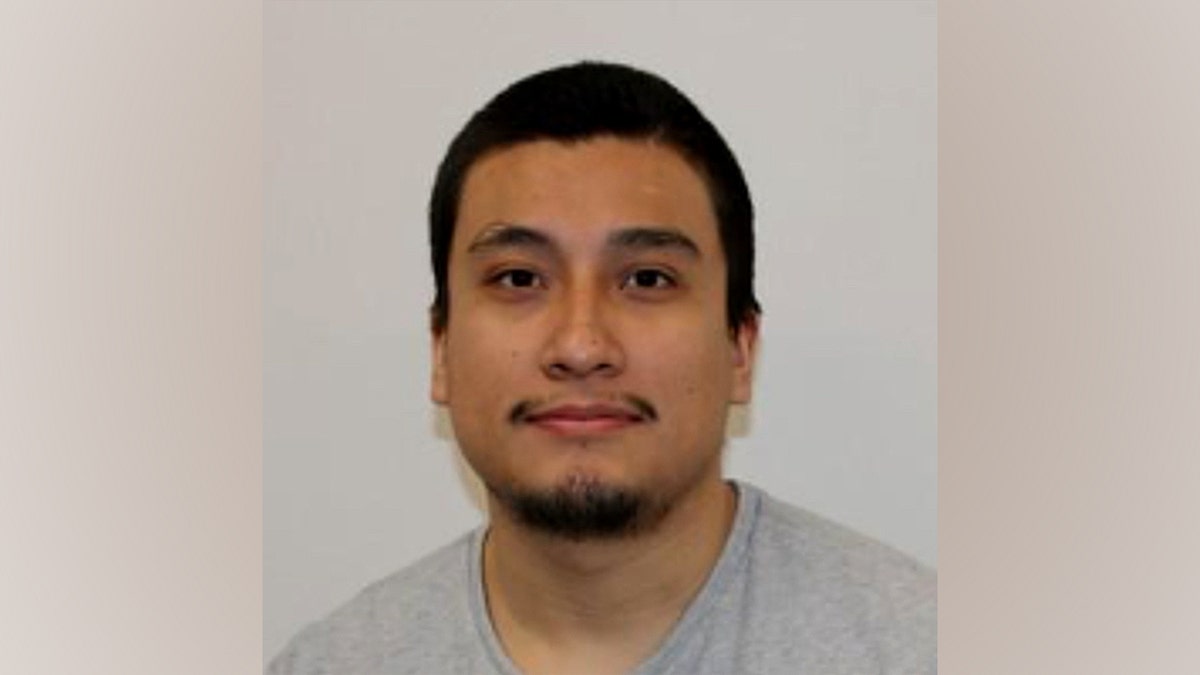
The case has also drawn significant attention regarding the suspect’s immigration history. According to federal sources who spoke with media outlets, Maldonado Soriano originally entered the United States unlawfully in December 1999 as a minor. In 2014, under the Obama administration, he was granted protection under the Deferred Action for Childhood Arrivals (DACA) program. His temporary legal status under the initiative was extended during the Biden administration in 2024. However, after federal authorities chose not to renew the status under the subsequent Trump administration, his DACA protections officially expired in August 2026, leaving him without legal status at the time of the alleged October vandalism.
Historical Significance of the Quantico Monument
The vandalized artwork holds a revered place in American military heritage. The 9-foot limestone sculpture is a direct representation of the historic 1945 Battle of Iwo Jima, capturing the exact moment U.S. Marines hoisted the American flag atop Mount Suribachi—an image immortalized by Associated Press photographer Joe Rosenthal that became a universal symbol of American perseverance and sacrifice during the Pacific Theater of World War II.
Adding to its historical pedigree, the monument was crafted by renowned sculptor Felix de Weldon. De Weldon’s work on this specific piece served as the precursor to his most famous masterpiece: the monumental United States Marine Corps War Memorial located near Arlington National Cemetery in Virginia. Because of this lineage, the destruction of the Quantico limestone sculpture has been viewed by veterans and historians not merely as an act of localized vandalism, but as an attack on a sacred national landmark.
Community Reactions and Broader Implications
The desecration of the monument has provoked strong reactions across local and national spectrums. Veterans’ advocacy organizations expressed deep outrage over the targeted destruction of a memorial honoring those who fought and died in one of the bloodiest engagements of the Second World War. Public officials and law enforcement leaders have reiterated their commitment to protecting historical monuments and ensuring that individuals who deface public or commemorative property face the full weight of the judicial system.
Beyond the immediate legal proceedings, the case has reignited broader national conversations surrounding immigration enforcement, the administration of temporary legal programs such as DACA, and the security of public monuments. Security experts and civic leaders are increasingly examining ways to better safeguard open-air memorials and historical sites from targeted vandalism, balancing public accessibility with the preservation of irreplaceable national treasures.
As the legal process unfolds in Prince William County Circuit Court, federal and local authorities continue to review the evidence surrounding the late-night attack, ensuring that all aspects of the case—ranging from the property destruction to the suspect’s background—are thoroughly addressed before the judiciary.
