
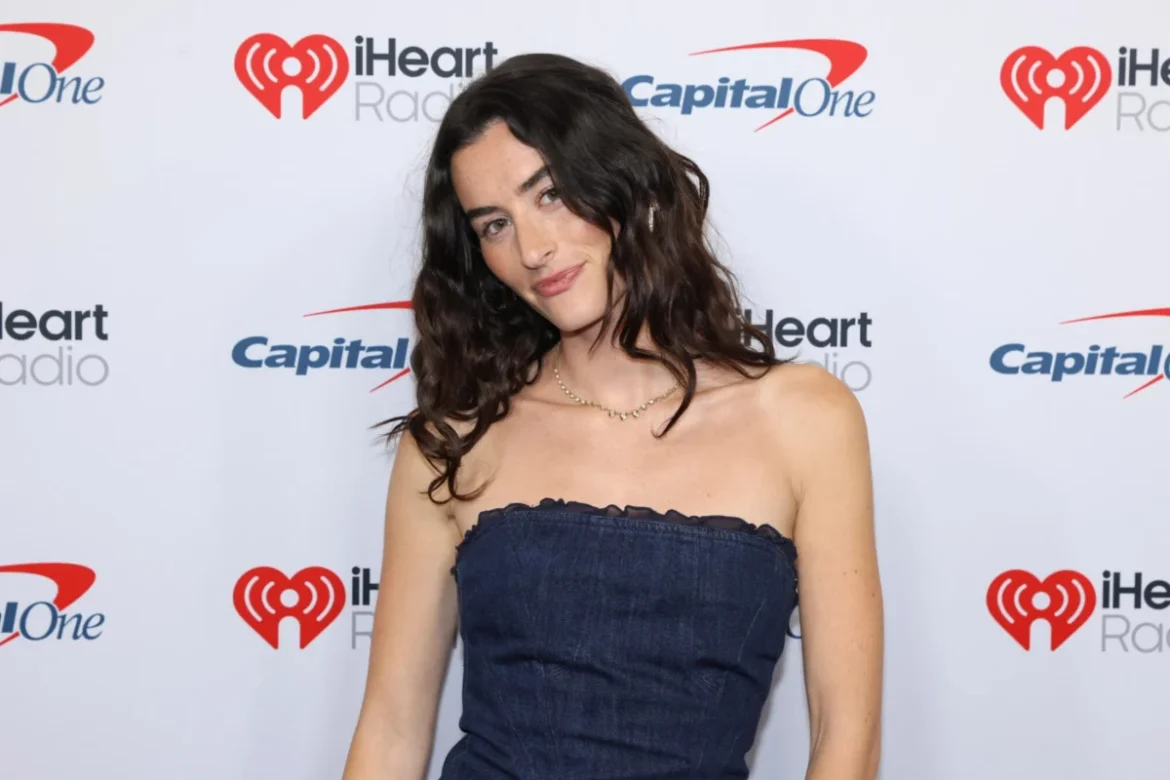
Stella Lefty, the meteoric singer-songwriter whose chart-dominating debut single “Boston” continues to rewrite record books, has officially parted ways with Disruptor Management, sources familiar with the situation have confirmed. The split marks a pivotal transitional moment for the Chicago-raised artist, who had been exclusively represented by the prominent management firm since the earliest days of her musical journey.
Disruptor Management, helmed by CEO Adam Alpert alongside A&R director Zach Horowitz, played an instrumental role in cultivating Lefty from an obscure internet-discovered talent into one of the most commercially formidable breakthrough acts of 2026. Under their guidance, Lefty achieved historic milestones on the Billboard charts, ignited a fervent grassroots fan base, and successfully navigated the complex cultural landscape of Nashville. Despite this foundational success, both Lefty and Disruptor representatives, as well as her legal counsel and her record label, Atlantic Outpost, have declined to comment or have not responded to requests for statements regarding the sudden shift in representation.
A Historic Ascent on the Charts
The timing of Lefty’s departure from Disruptor coincides with the apex of her early career success. Her breakthrough single, “Boston,” has firmly entrenched itself at No. 1 on Billboard’s Country Airplay chart for a second consecutive week, cementing her status as a generational commercial force.
With this multi-week command of the top spot, Lefty accomplished a feat not seen in over two decades: she became the first solo-billed female artist to take a debut single to multiple weeks at No. 1 on the Country Airplay chart since Gretchen Wilson accomplished the milestone with “Redneck Woman” in 2004. Furthermore, “Boston” achieved crossover mainstream dominance by peaking at No. 2 on the all-genre Billboard Hot 100.
Lefty’s broader commercial footprint expanded significantly with the release of her full-length debut studio album, Long Way Home, which secured a respectable No. 11 debut on the Billboard 200. Capitalizing on this momentum, the artist is slated to embark on a completely sold-out national headlining tour this November, a testament to the robust ticket-selling power she has amassed over the past year.
The Foundation and Rise of an Independent Phenomenon
The blueprint for Lefty’s rise was meticulously crafted by Disruptor executive Zach Horowitz, who famously discovered the young singer-songwriter online while he was still completing his undergraduate education. Recognizing her raw lyricism and innate ability to connect with listeners, Horowitz and the Disruptor team prioritized long-term audience cultivation over overnight viral stunts.

Speaking on the artist’s development strategy earlier in the year, Horowitz detailed the rigorous groundwork required to establish her credibility. The management team orchestrated localized fan pop-up events in major metropolitan hubs like New York and Los Angeles, deployed strategic support slots with established acts, and prioritized super-serving early adopters. This methodical approach transformed her listenership from passive digital streamers into an intensely loyal, community-driven foundational fan base.
In addition to parting ways with Disruptor, Lefty has also restructured her public relations team. The artist transitioned her press representation from Align to the Nashville-based publicity firm Sweet Talk PR, signaling a deliberate effort to anchor her narrative more firmly within the traditional music city establishment.
Navigating Backlash, Authenticity, and Industry Controversy
Lefty’s unprecedented rise has not been without significant friction. The speed and scale of her success triggered a visceral online backlash, a phenomenon increasingly common in the modern digital music ecosystem. Critics quickly pinned the “nepo baby” label on the singer due to her familial background as the daughter of billionaire Groupon founder Eric Lefkofsky.
Simultaneously, traditionalists questioned her cultural authenticity, pointing to her urban upbringing in Chicago as a point of disconnect from rural country traditions. Further scrutiny arose over sonic similarities between her catalog and existing works. Analysts and online detractors noted that “Boston” interpolates Noah Kahan’s viral hit “Stick Season,” with Kahan receiving a formal songwriting credit. Similarly, comparisons were drawn between Lefty’s track “Summer You Were Mine” and The Chicks’ 1998 classic “There’s Your Trouble,” resulting in songwriting credits being attributed to Tia Sillers and Mark Selby.
Despite the vociferous nature of online detractors, Lefty has steadily accumulated staunch advocacy from veteran figures within the country music community who view her artistry as additive to the genre’s broad tent.
Following a September 22 TikTok post in which Lefty shared an unreleased track nodding to classic country tropes—specifically referencing legendary artist Randy Travis—Travis himself stepped forward to offer public validation. In an encouraging response on the platform, Travis wrote, “Thank you for the nod, Stella! I’ve always thought you could stand toe to toe with the very best in Nashville. Keep believing… face to the sunshine and shadows fall behind you!”
Similarly, country superstar and Grand Ole Opry member Kelsea Ballerini rushed to Lefty’s defense following a wave of unwarranted criticism directed at the newcomer. The backlash had absurdly materialized after Lefty posted backstage photographs following her Grand Ole Opry debut featuring young cancer patients from St. Jude Children’s Research Hospital.

Weighing in on the controversy, Ballerini posted an impassioned message championing inclusivity within the genre. “Opry member chiming in!!… From different backgrounds and hometowns and generations, we can find ways to say and sing things that resonate with people that fill the seats… and that is always the goal, right? [The Opry is] about celebration of all kinds of country music… New, old, traditional, current, however you wanna say it. It’s all important.”
Reflecting on her acceptance into the tight-knit country community in an interview earlier this year, Lefty expressed profound gratitude for the validation she received from peers and industry veterans alike. “It’s so crazy to be so embraced in a genre that I’ve always loved,” Lefty remarked. “Country music has been such a huge part of my life. And I feel like it’s always scary when you start making music that kind of bleeds into a genre. Country is so specific about who they embrace and how they go about things, so to be accepted in that world is truly the greatest honor.”
Broader Implications and Future Outlook
The departure from Disruptor Management raises pressing questions regarding the next phase of Stella Lefty’s career. Artists who experience historic, rapid-fire success during their debut album cycles frequently reevaluate their professional teams to match the expanding scale of their operations, international touring demands, and high-stakes corporate partnerships.
Disruptor, operating as a joint-label venture through Sony Music Entertainment, maintains a robust roster of developing and established acts across multiple genres on both its management and label divisions. The amicable or abrupt nature of Lefty’s exit—though shrouded in official silence from legal and executive representatives—highlights the volatile ecosystem surrounding modern crossover superstars.
As Lefty prepares to launch her sold-out national tour this November and evaluates prospective new management partnerships, the industry will be watching closely. Whether she chooses a traditional Nashville-centric management team to further cement her country bona fides or opts for a global pop-oriented powerhouse, her next professional maneuvers will critically dictate her longevity. For now, despite shifting backstage dynamics, Lefty remains firmly positioned at the summit of the charts, carrying undeniable momentum into the next chapter of her career.
