
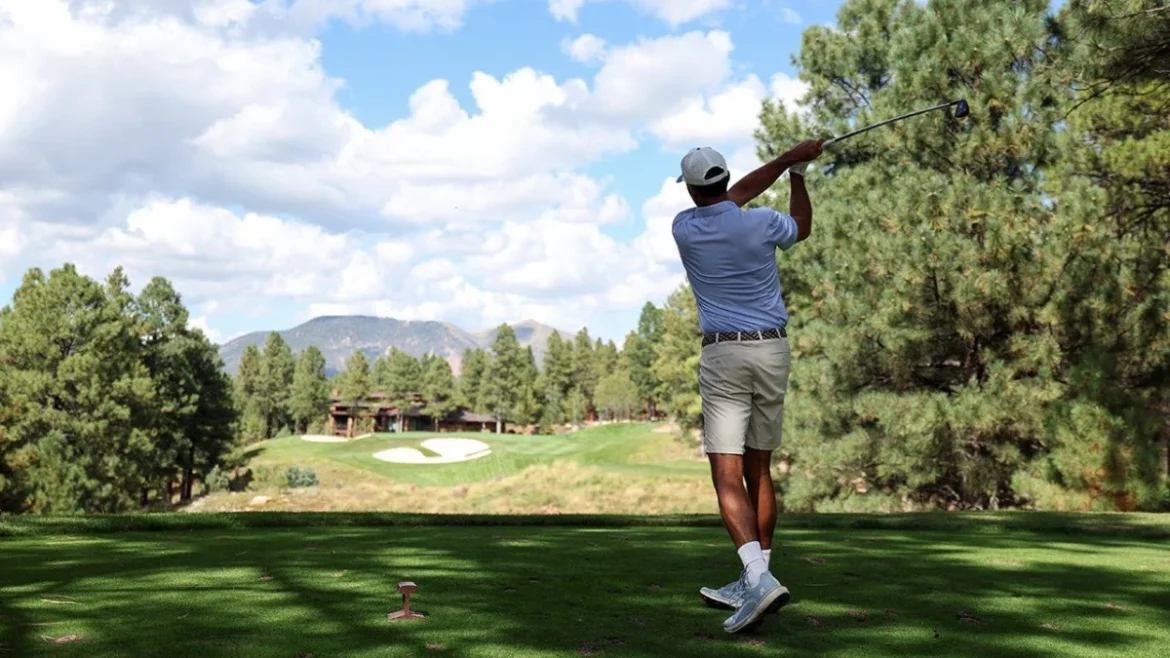
The political landscape in Arizona has shifted toward a contentious debate over water management and economic policy, as a remark regarding the state’s golf industry has become a flashpoint in the final days before the midterm elections. The dispute, which pits Senate President Warren Petersen against Attorney General Kris Mayes, underscores the intensifying tension between environmental conservation efforts and the preservation of multibillion-dollar industries that form the backbone of the desert state’s economy.
The controversy originated from comments made by Attorney General Mayes during a recent interview with Politico. While discussing the broader implications of water-intensive infrastructure—such as data centers and the ongoing challenges of managing Colorado River water supplies—Mayes addressed the prevalence of grass and turf in an arid climate.
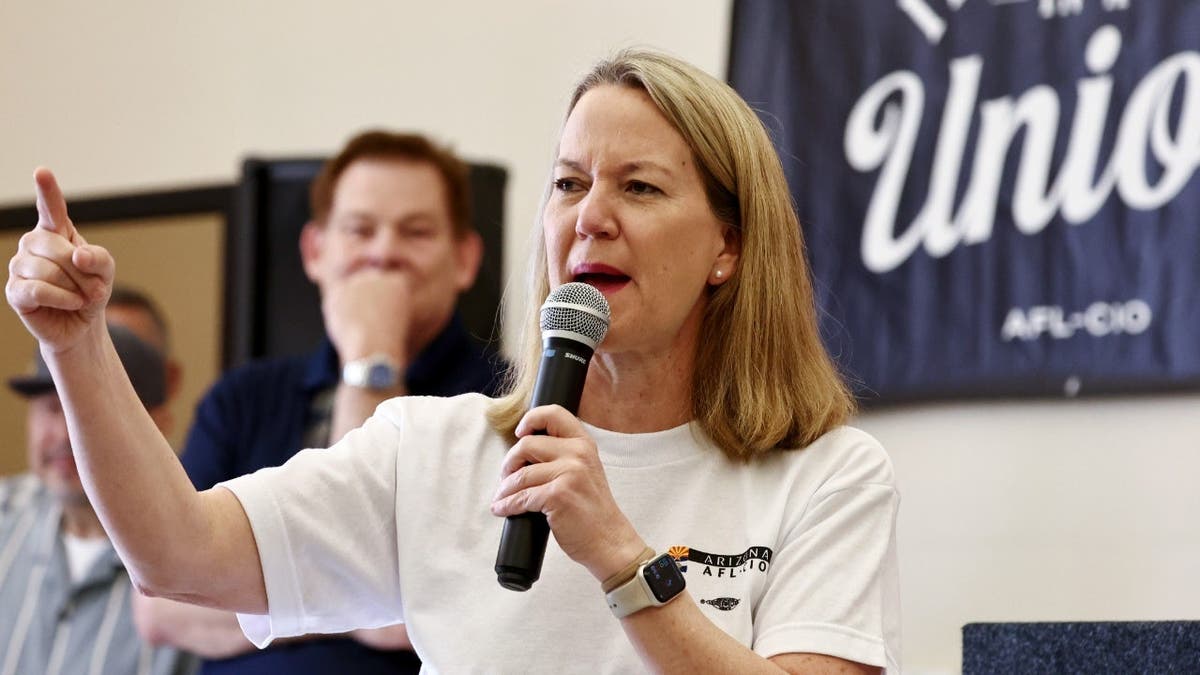
“We have way, way too much grass in Arizona,” Mayes stated during the interview. “We probably, frankly—and I’m sure the golf industry is not going to like this when I say this—we probably have too many golf courses in Arizona right now.”
The Political Firestorm
The response to these remarks was swift and widespread. Senate President Warren Petersen, a Republican representing Maricopa, immediately leveraged the comments to criticize what he described as a pattern of government overreach. Petersen argued that the Democratic attorney general’s stance represents a broader ideological push to dictate the viability of private industries, characterizing it as an attack on the state’s economic engine.
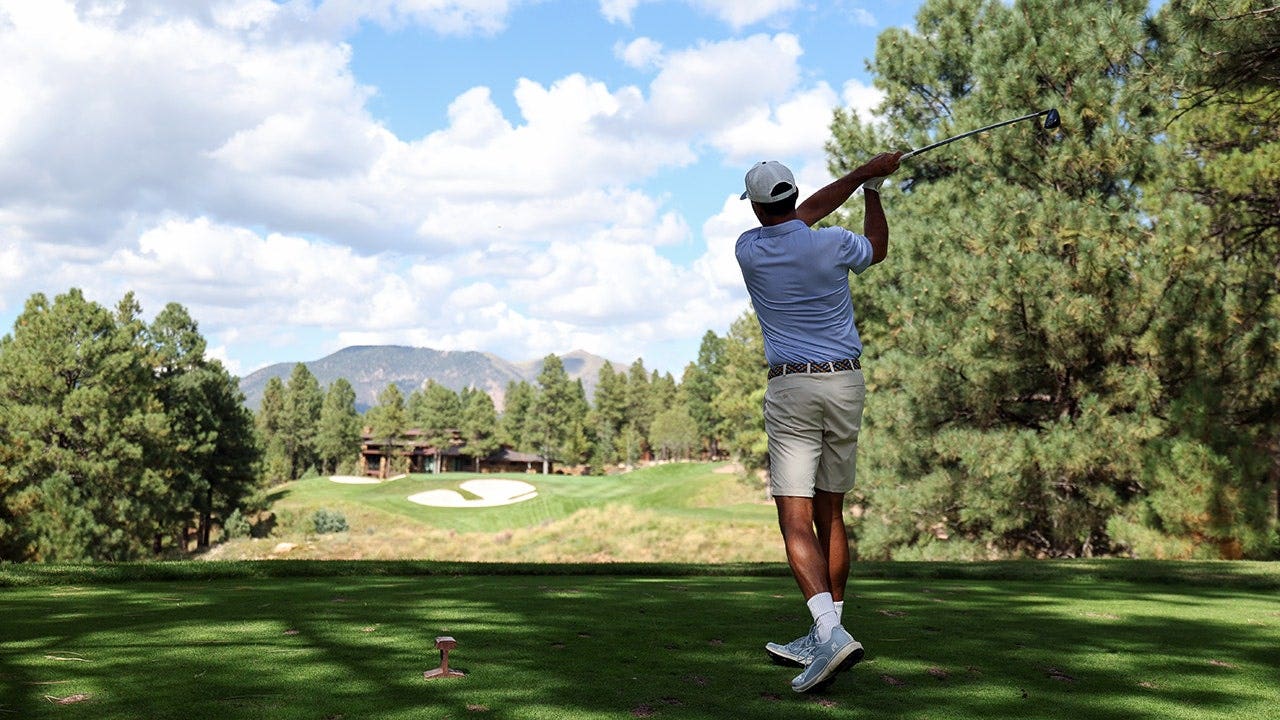
“Kris Mayes thinks Arizona has too many golf courses. I think Arizona has too many radical politicians who believe government should dictate which industries get to thrive,” Petersen told reporters. “Our golf courses support jobs, tourism, small businesses, and communities across this state. Instead of attacking an industry that contributes to our economy, the attorney general should be focused on enforcing the law, protecting consumers, and defending Arizona families.”
The criticism extended beyond the legislature. Representative Eli Crane, a Republican, took to social media to voice his disapproval, framing the issue as a systemic problem with the Democratic platform in the state. Meanwhile, industry stakeholders and conservative commentators weighed in, emphasizing the scarcity of tee times and the rising costs of golf since the onset of the COVID-19 pandemic, suggesting that the industry is in high demand rather than being a surplus burden.
Economic Impact of the Arizona Golf Industry
To understand the gravity of the political reaction, it is necessary to examine the economic data surrounding golf in Arizona. The industry is not merely a recreational luxury; it is a significant contributor to the state’s fiscal health. According to data provided by the Arizona Chamber of Commerce and corroborated by the 2023 study from the Arizona Alliance for Golf, the industry contributes approximately $6 billion annually to the state’s economy.
The sector is responsible for an estimated 66,000 jobs, providing $2.3 billion in direct wages to Arizona residents. Furthermore, the industry generates $520 million in tax revenue, which supports local and state government services. Perhaps most critical to the water conservation debate is the industry’s actual consumption profile. Business advocates point to studies indicating that golf courses collectively utilize 2% or less of the state’s total water resources. By focusing on this sector, critics of the Attorney General argue she is targeting a relatively minor consumer of water that provides a disproportionately high economic return.
Contextualizing the Water Crisis
The debate over golf courses is occurring against a backdrop of severe, long-term environmental challenges in the American Southwest. Arizona has faced mounting pressure to reduce its reliance on the Colorado River, a lifeline for millions of people and a critical source for the state’s agricultural and municipal sectors.

Attorney General Mayes, in her defense, has maintained that her remarks were taken out of context and were intended to spur a larger conversation about systemic water efficiency. Following the backlash, she took to social media to clarify her position: “Relax, nobody’s closing golf courses. My point is we need incentives to help all Arizonans and major industries swap thirsty grass and catch rainwater, especially if our water situation gets worse—while I take on the foreign mega-farms and data centers draining our water.”
Mayes’ attempt to pivot the conversation toward "foreign mega-farms" and high-tech data centers—which have come under increasing scrutiny for their immense water and power requirements—is part of a broader strategy to highlight her record on environmental advocacy. However, her critics argue that her initial comments revealed an underlying tendency toward regulatory interference that could threaten business stability.
Chronology of the Dispute
The timing of this disagreement is significant. With Election Day approaching, the "golf course controversy" has been integrated into the final campaign messaging for both parties:
- Mid-October: Tensions rise as the state continues to navigate legal and political battles over Colorado River water allocations.
- Late October: Attorney General Mayes participates in an interview regarding the proliferation of data centers and urban water usage, during which she makes the "too much grass" remark.
- Early November: Senator Warren Petersen publicly rebukes the Attorney General, initiating a series of social media exchanges and press releases that frame the issue as a litmus test for economic freedom in Arizona.
- Days Before Election: Both sides continue to trade barbs. While Mayes attempts to frame her stance as common-sense conservation, the Republican opposition successfully uses the soundbite to mobilize business-sector voters and golf enthusiasts.
Broader Implications and Analytical Outlook
This clash highlights a fundamental divide in Arizona’s political future. The state has been transitioning from a reliably Republican stronghold to a major battleground. The competing visions for how to handle the state’s finite water supply represent a clash of philosophies: one side advocates for government-led conservation and the restriction of water-intensive land use, while the other emphasizes market-driven growth and the protection of established industries.
The "golf course" narrative serves as a proxy for this larger debate. For Republicans like Petersen, it is an example of "regulatory creep" that threatens the prosperity of the state. For Democrats like Mayes, it is an urgent plea to prepare for a future defined by climate change, where every gallon of water must be accounted for.
As voters head to the polls, the impact of this specific issue remains to be seen. Historically, economic issues and the cost of living—often tied to the success of local industries—carry significant weight with the electorate. If the backlash against Mayes persists, it could complicate her path to re-election, as the image of a government official suggesting the reduction of a popular industry can be politically damaging. Conversely, if Mayes is successful in broadening the narrative to include the regulation of large-scale, water-draining industrial players, she may regain her footing among voters concerned about long-term sustainability.
Ultimately, the debate is less about the fairways and more about the boundaries of government authority in an era of environmental scarcity. As the election concludes, the incoming administration will be tasked with reconciling these two starkly different approaches to one of the most critical issues facing the future of the Southwest. The resolution of this conflict will likely set the tone for water policy in Arizona for years to come.
